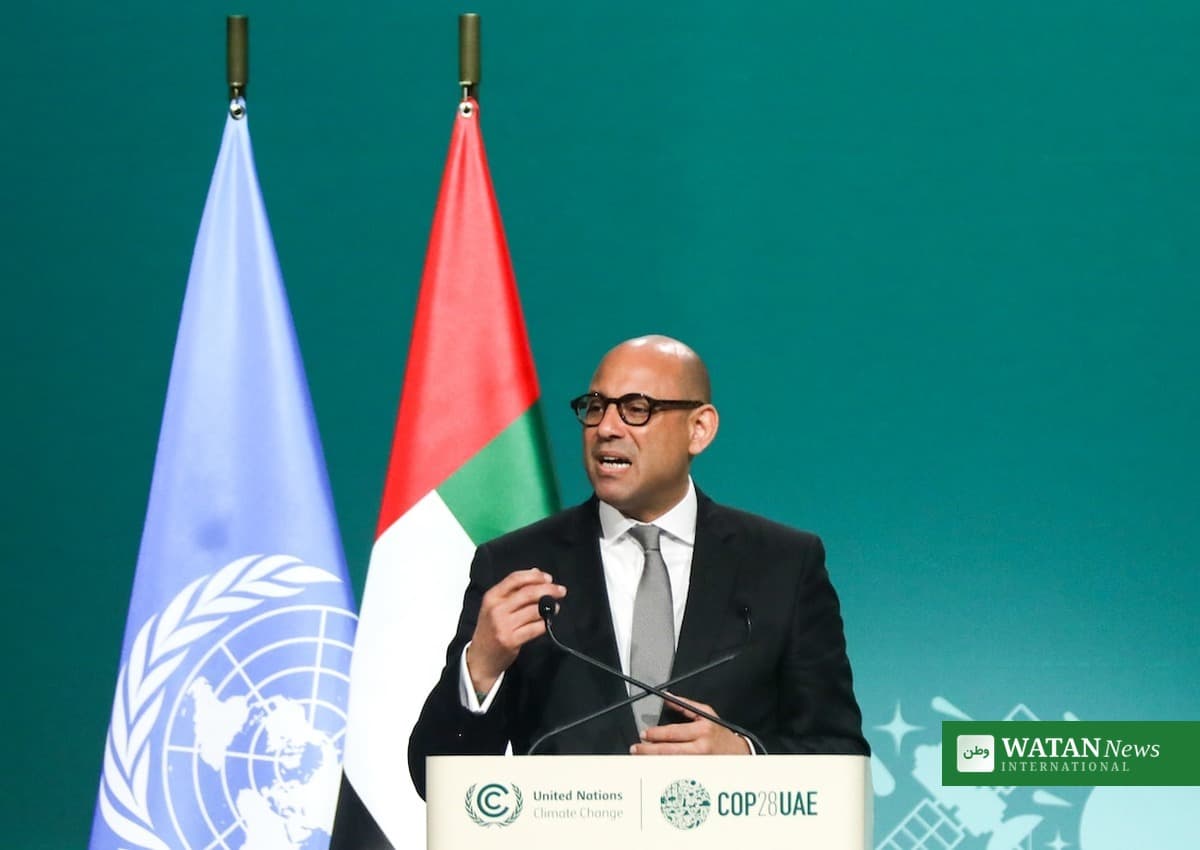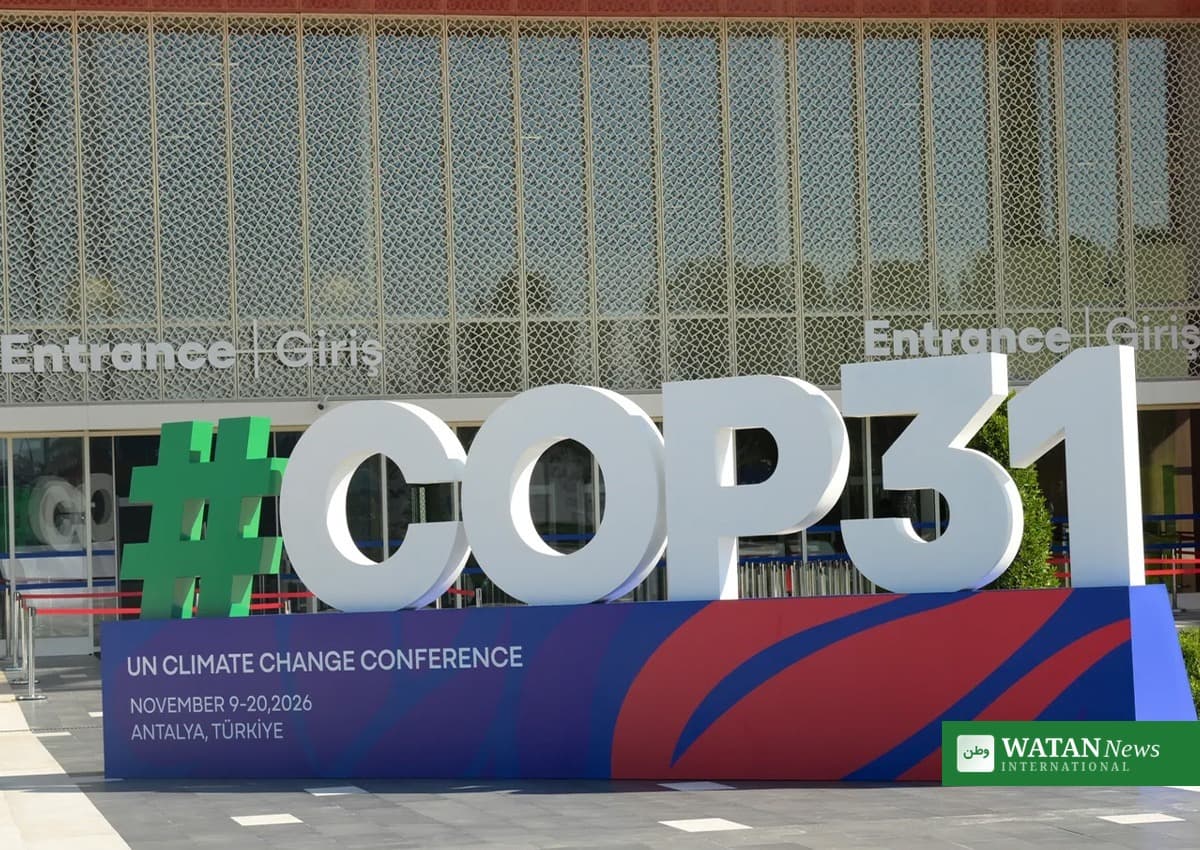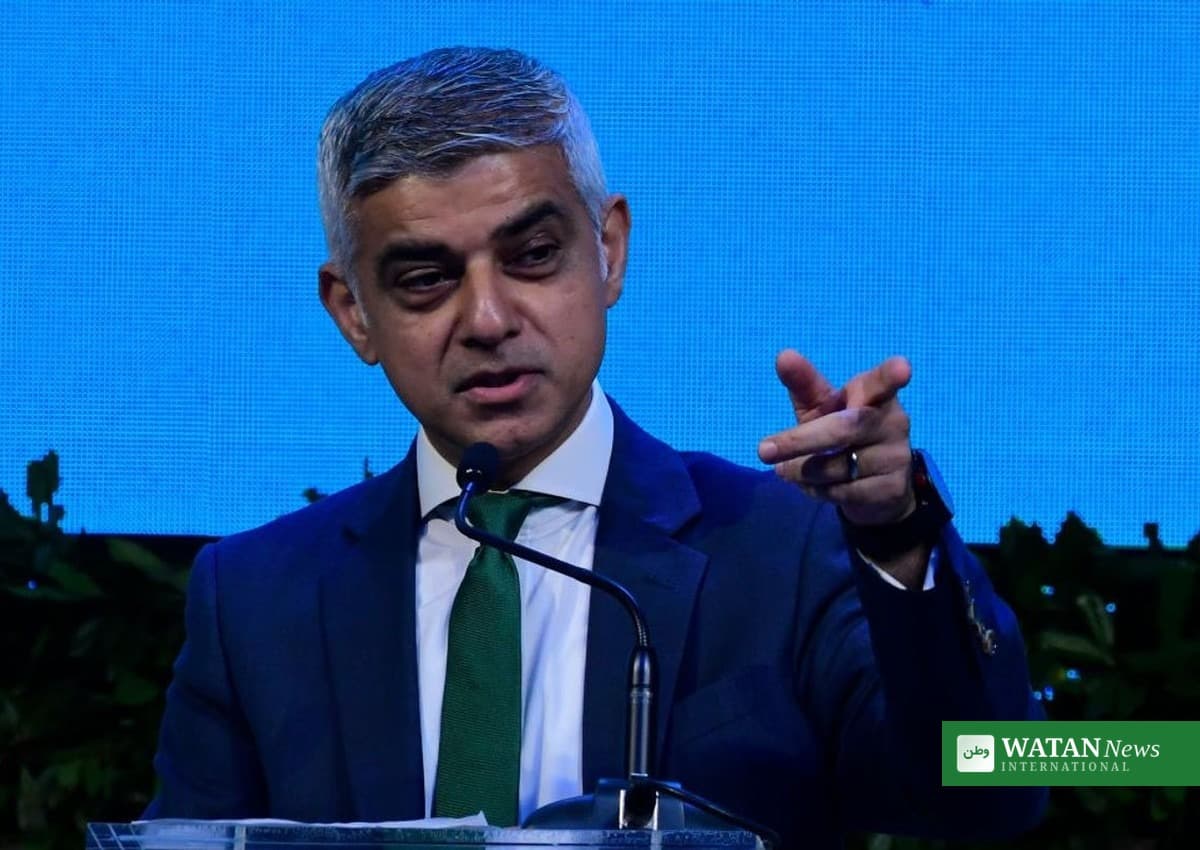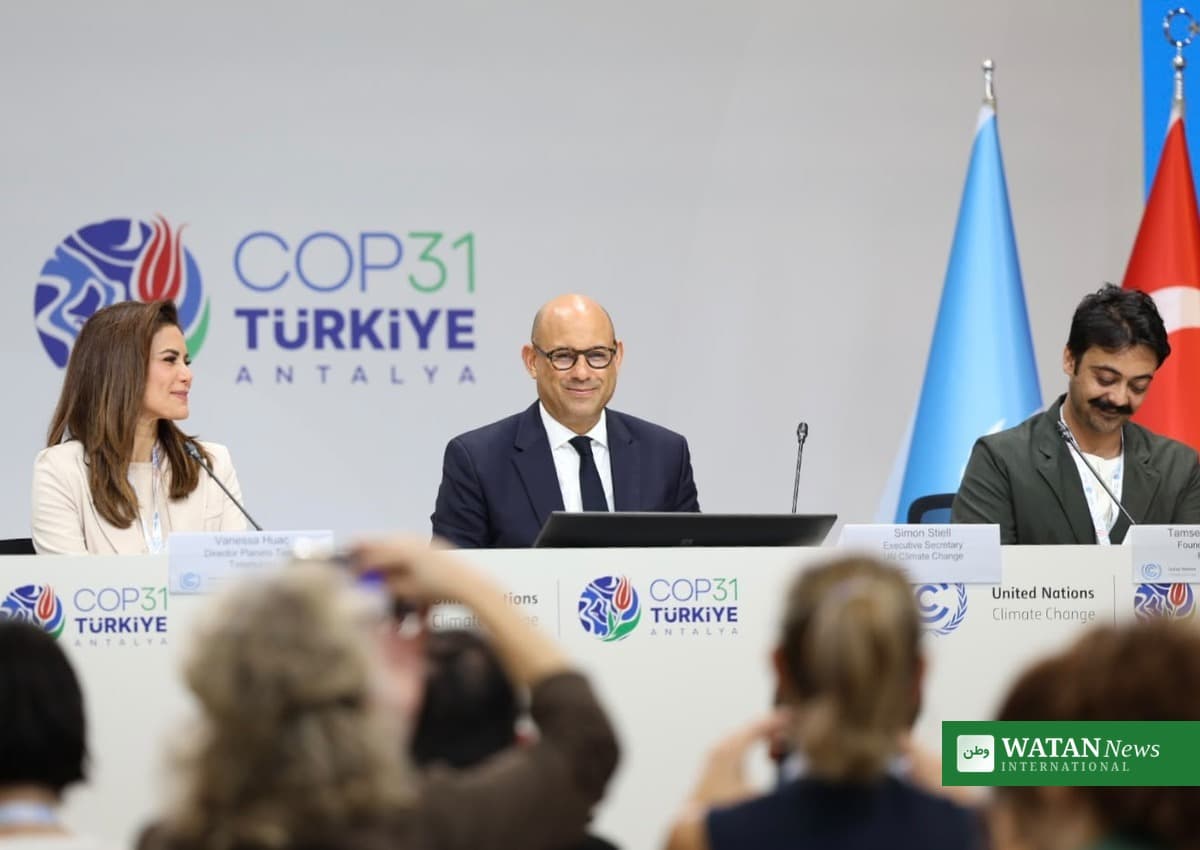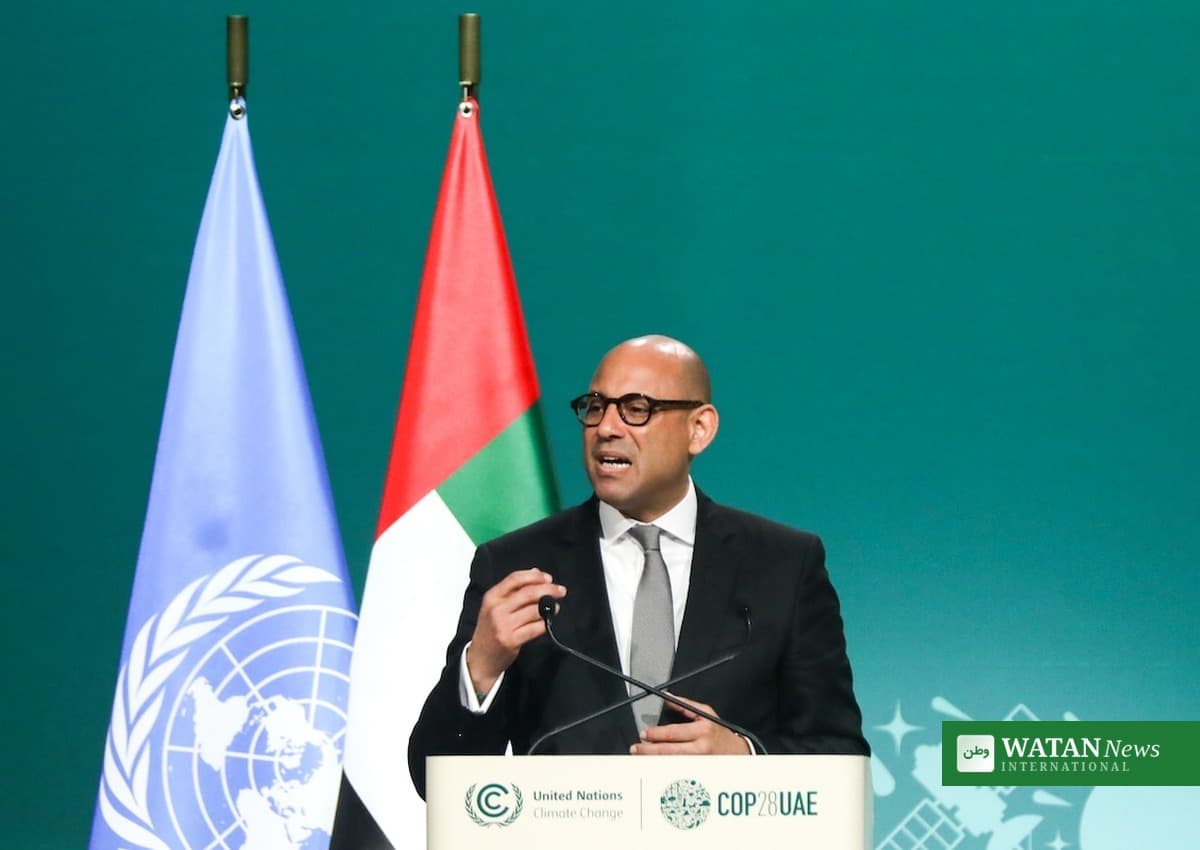
ANTALYA — Artificial intelligence carries “great potential and great peril” for the climate fight, UN Climate Change Executive Secretary Simon Stiell told a high-level roundtable at COP31 in Antalya on Monday, calling on company chief executives and boards to align their business and investment plans with the world’s agreed climate goals.
“The task ahead is to blunt their dangerous edges, sharpen their catalytic ones, and put these technologies responsibly to work,” Stiell said in opening remarks at the High-Level Green Digital Action Roundtable on AI, delivered on Monday morning in the Blue Zone at COP31.
The roundtable, convened by the COP31 Presidency and the International Telecommunication Union (ITU) with UNESCO, launched the Antalya Artificial Intelligence Pledge — a voluntary framework for governments, companies and organisations to make concrete commitments on how AI is designed, procured, powered, deployed, measured and managed in support of climate and sustainable development goals.
The task ahead
Stiell told the roundtable that AI can speed up climate action — from early warning systems to grid efficiency and climate risk mapping — but that its rapidly growing appetite for energy and water is now a climate problem in its own right. He urged business leaders to step up, saying the technology must be put to work for climate action rather than allowed to drive emissions higher.
He has made the same argument before. In a keynote in New York in September, Stiell said “energy guzzling artificial intelligence is driving up planet-heating pollution from coal, oil and gas, while ratcheting up energy costs for households and businesses”, and warned that AI leaders are “on thin ice when it comes to license to operate”.
At COP31, his message to chief executives was direct: show that the benefits of AI outweigh its growing environmental costs — for the many, not just the few.
Data centres strain grids and communities
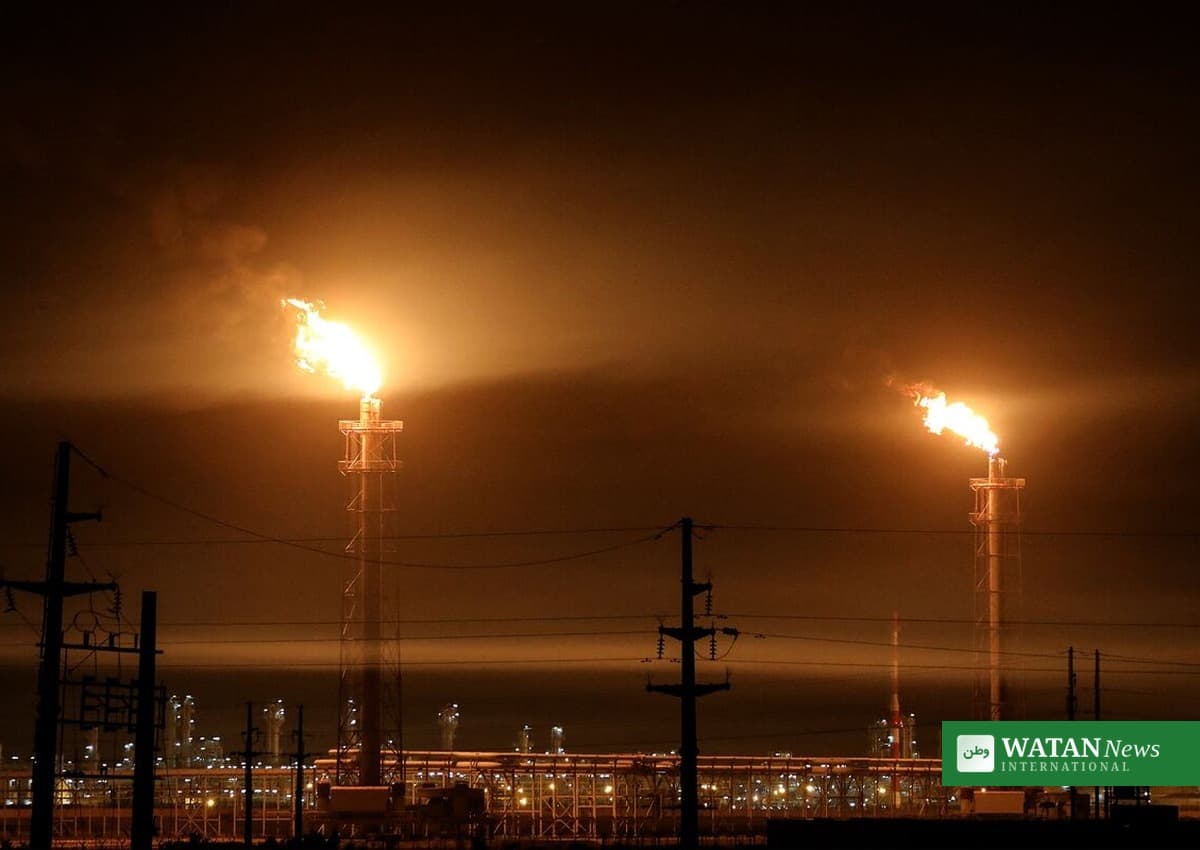
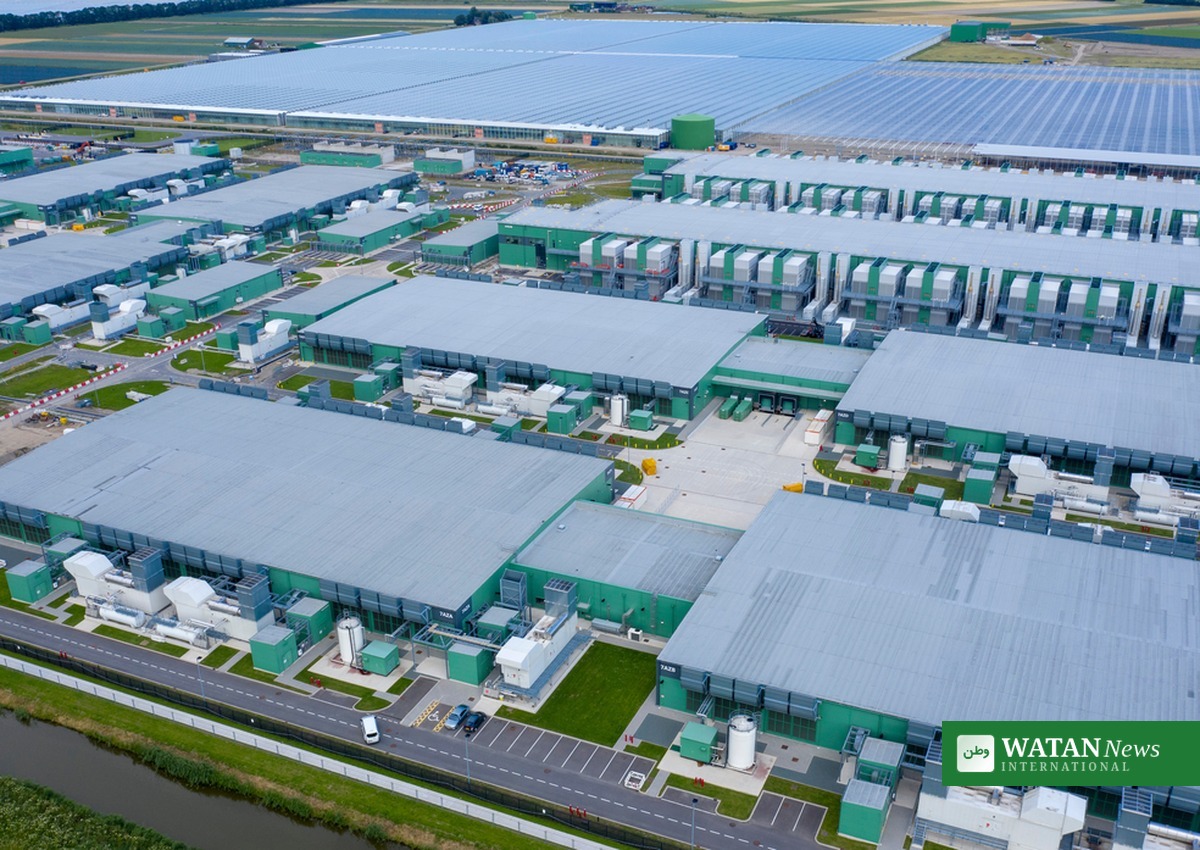
Stiell warned that demand from data centres is straining electricity systems, and that some developers are turning to on-site gas plants to bypass grid constraints. Research by BloombergNEF has found 181 gigawatts of on-site gas-fired capacity proposed at data centre sites in the United States, the United Kingdom and Europe, with around 90 per cent of it in the United States — projects that would emit about 345 million tonnes of carbon dioxide equivalent a year if they go ahead.
Electricity consumption from AI-focused data centres rose by 50 per cent in 2025, according to International Energy Agency data cited in assessments of the Antalya AI Pledge, and the sector’s share of global energy use is expected to more than double by 2030.
Communities are also pushing back against data centres over water and energy concerns. UN Secretary-General António Guterres has warned that by 2030, data centres could use enough water to meet the basic needs of all 1.3 billion residents of sub-Saharan Africa for an entire year.
What Stiell asked companies to do
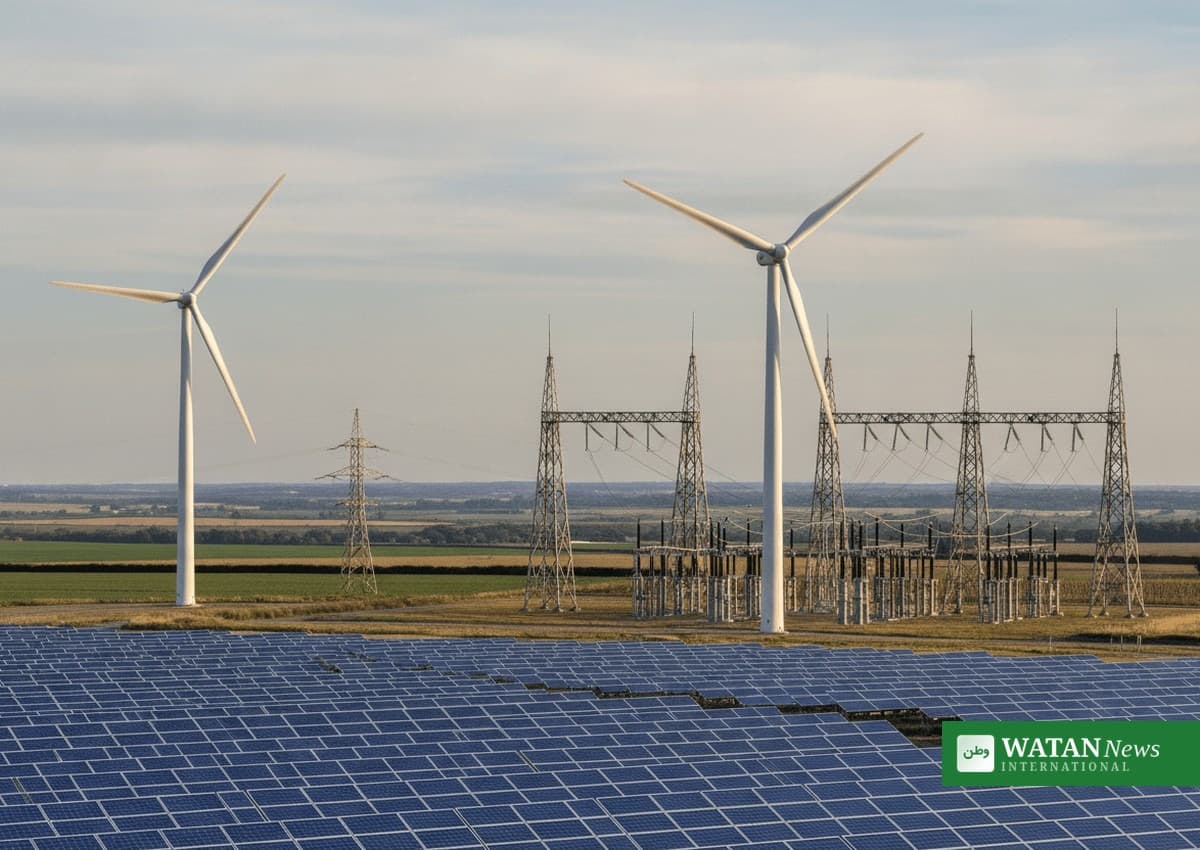
Stiell urged firms to set credible climate targets and deliver on them, invest in efficiency, disclose their energy and water use, and power data centres with renewable energy. He said claims about future emissions savings cannot excuse rising pollution now.
“We need every country to benefit from AI today — not vague promises of future solutions,” he said in his September keynote, a line that captures the standard he set again in Antalya: real cuts and real disclosure now, not pledges about tomorrow.
The Antalya AI Pledge, launched at the same roundtable, asks signatories to commit across four areas: powering and building AI infrastructure sustainably; designing, managing or procuring AI responsibly across its lifecycle; supporting assessment and reporting of AI systems’ environmental impacts; and strengthening finance and technical infrastructure for AI for climate action, particularly in developing countries. The pledge is voluntary and non-binding, and its first progress review is planned at COP32 in Addis Ababa. Watan News reported on the pledge’s launch and its early supporters earlier today.
From Antalya to the G20
Stiell said the work of Türkiye and the ITU is a first step, and that AI will be central to the United Kingdom’s presidency of the G20 next year. British Prime Minister Andy Burnham announced at the United Nations General Assembly in September that AI would sit at the heart of the UK’s 2027 G20 presidency, with a leaders’ summit planned in Manchester in November 2027.
The Green Digital Action track continues at COP31 through the week, with sessions on youth and AI, the launch of the AI Climate Institute, and AI for early warnings.
Award ceremony today
Later today, COP31 will host the ceremony for the AI for Climate Action Award 2026, at 13:30 Antalya time in Special Event Room 5 in the Blue Zone, with a livestream. The winner, Upendo Ernest Lyimo from Tanzania, was named in October for CLIMAID, an AI-powered platform that combines climate data, satellite observations and local vulnerability information to support early warning, adaptation planning and climate risk management.
Lyimo was announced as the winner on 13 October at the AI for Climate Action Forum in Phnom Penh, Cambodia. Watan News covered the win in October. The award is organised by the UN Climate Change Technology Executive Committee and the Climate Technology Centre and Network, with the Korea International Cooperation Agency and the Royal Government of Cambodia.
Key facts
- Who: Simon Stiell, Executive Secretary of UN Climate Change
- Where: High-Level Green Digital Action Roundtable on AI, Special Event Room 2, Blue Zone, COP31, Antalya
- When: Monday 16 November 2026, 09:00–11:00 Antalya time
- Message: AI has “great potential and great peril” — blunt its dangerous edges, sharpen its catalytic ones, put it responsibly to work
- Data: AI data-centre electricity use rose 50% in 2025 (IEA); 181 GW of on-site gas-fired capacity proposed at data-centre sites in the US, UK and Europe (BloombergNEF)
- Next: AI for Climate Action Award ceremony, 13:30 today, Special Event Room 5; AI central to the UK’s G20 presidency in 2027