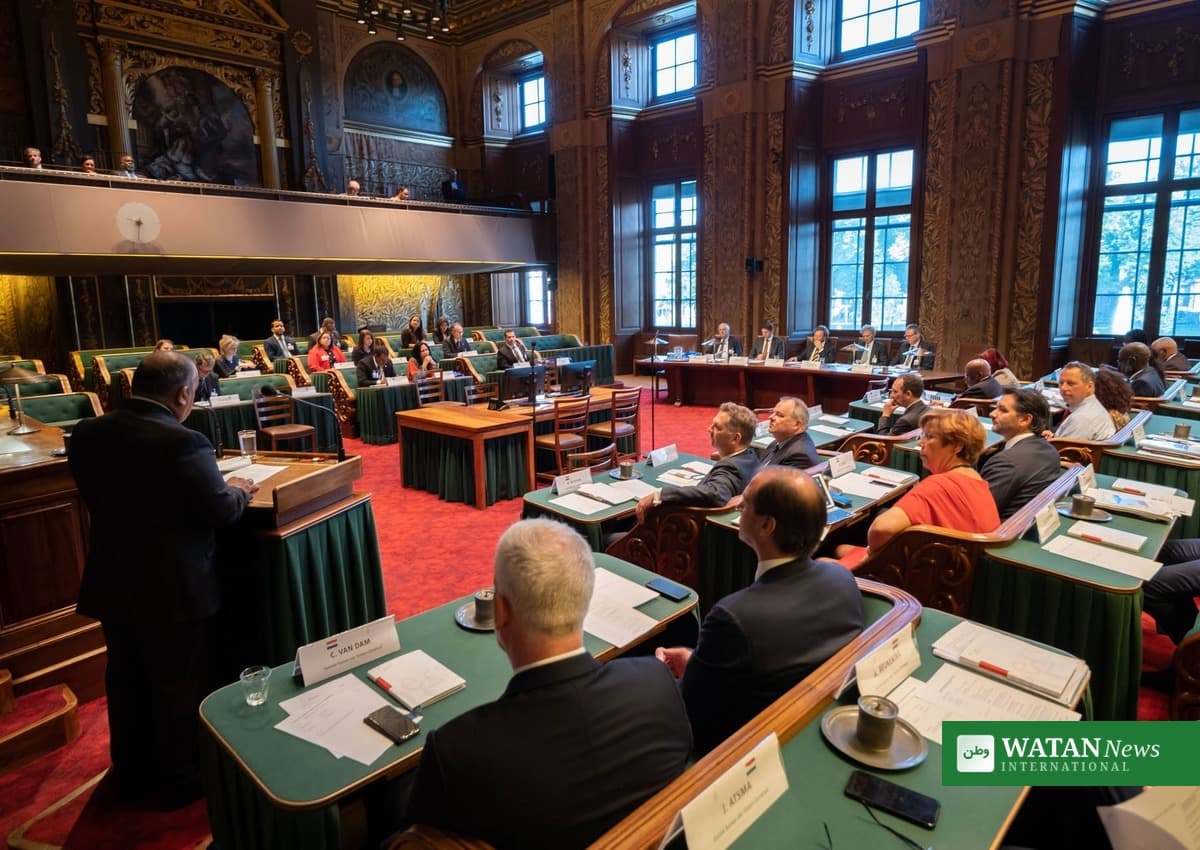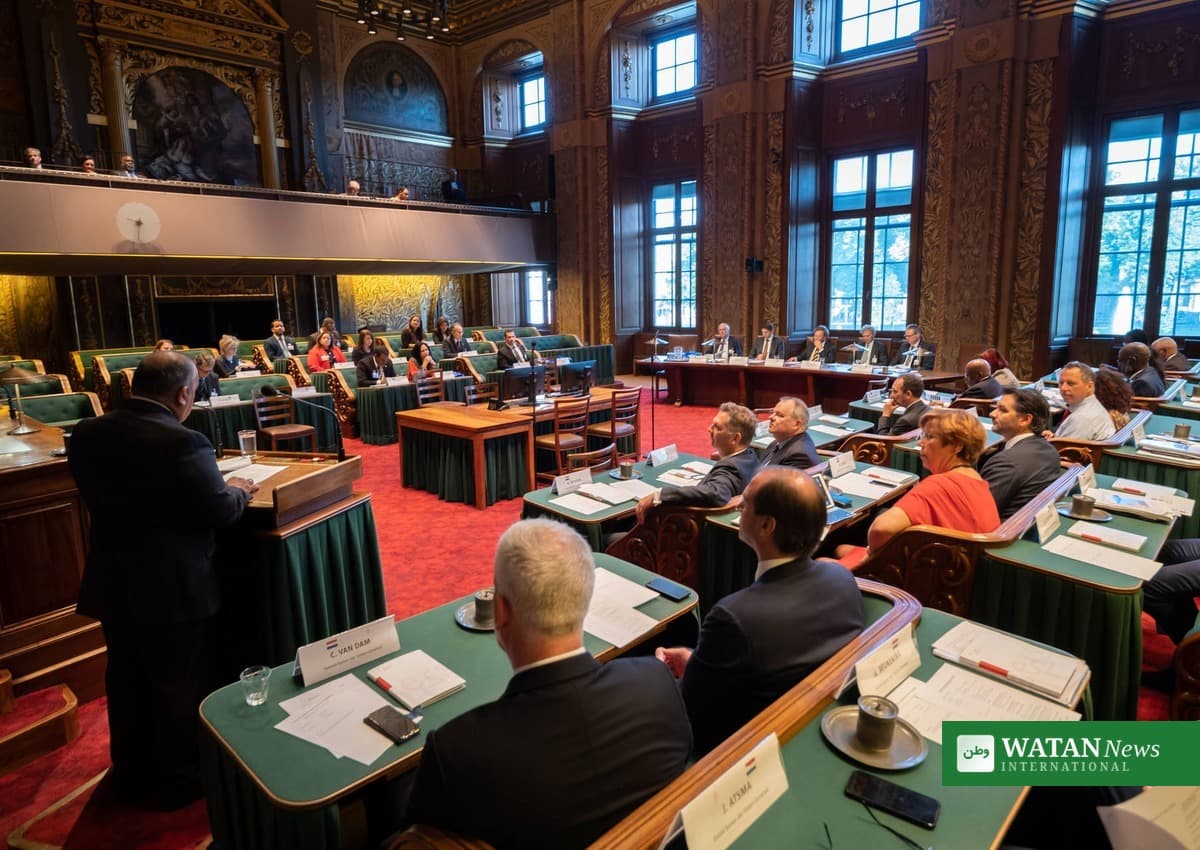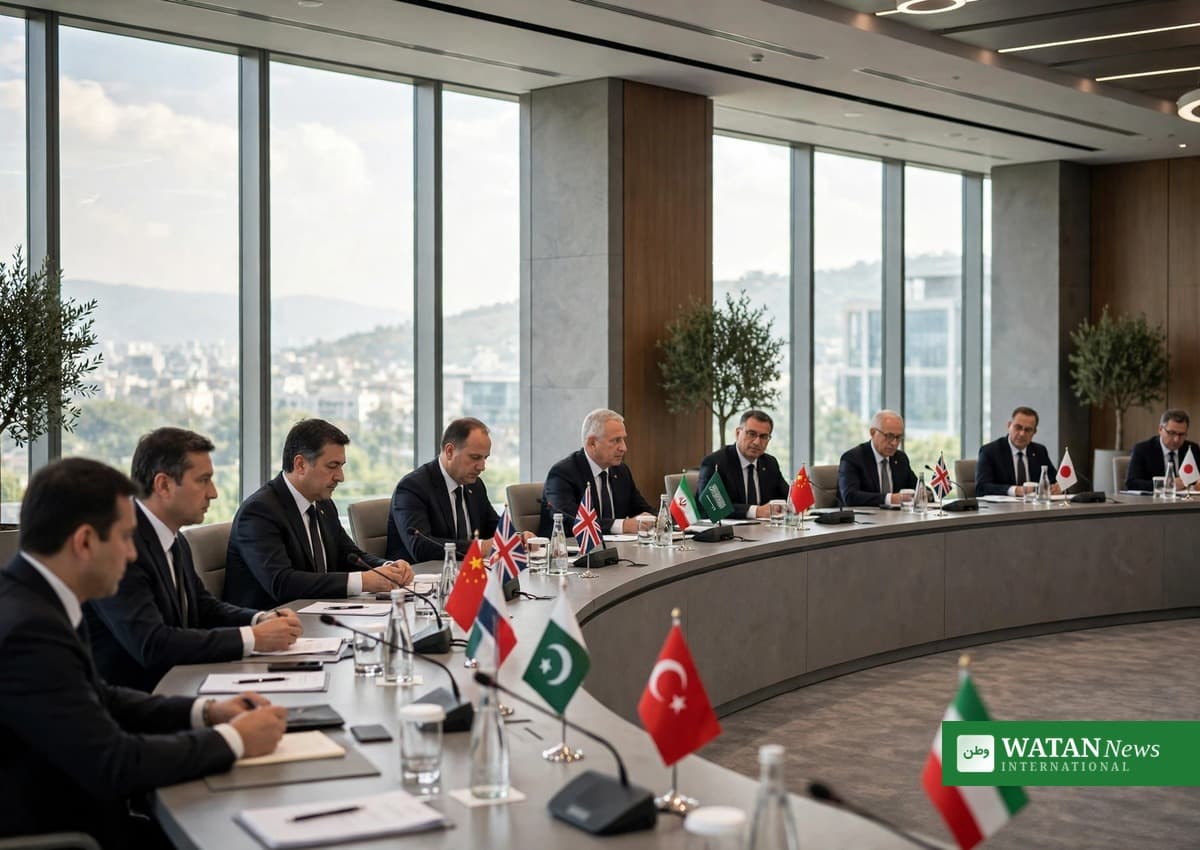
Foreign ministers from the ten countries of the Economic Cooperation Organization (ECO) gathered in Islamabad on Monday for the 30th meeting of the organisation’s Council of Ministers, where they are expected to adopt a new ten-year roadmap for regional cooperation and approve the Islamabad Declaration.
The two-day meeting, which opened on Sunday with a session of senior officials, is chaired by Pakistan’s Deputy Prime Minister and Foreign Minister, Ishaq Dar. Pakistan has taken over the chairmanship of the ECO for the 2026-27 term, and the Islamabad gathering is the first ministerial meeting held under its chair.
FAKTA
- Event: 30th meeting of the ECO Council of Ministers, Islamabad, 15-16 November 2026
- Chair: Deputy Prime Minister and Foreign Minister Ishaq Dar; Pakistan holds the ECO chairmanship for 2026-27
- Expected outcomes: ECO Vision 2035 and the Islamabad Declaration
- Members: Afghanistan, Azerbaijan, Iran, Kazakhstan, Kyrgyzstan, Pakistan, Tajikistan, Türkiye, Turkmenistan and Uzbekistan
- Secretary General: Asad Majeed Khan
A decade-long roadmap
The centrepiece of the meeting is ECO Vision 2035, formally titled the Strategic Goals of Economic Cooperation 2035. The framework will succeed ECO Vision 2025, which was adopted at the 2017 Islamabad summit, and is meant to guide cooperation among member states over the coming decade.
The vision covers trade and investment, transport and connectivity, energy, the digital economy, climate change and sustainable development. Ministers are expected to approve it alongside the Islamabad Declaration, the meeting’s main outcome document, after senior officials finalised the drafts in a preparatory session led by Foreign Secretary Asim Iftikhar.
Two days of talks
During the ministerial session, the ECO Secretary General is presenting a report on the organisation’s annual performance, and foreign ministers and heads of delegations are addressing the meeting. Participants are reviewing cooperation with regional and international organisations, as well as reports from ministerial meetings and the ECO’s specialised institutions.
The agenda also includes administrative and financial matters concerning the ECO Secretariat, and ministers will decide the date and venue of the next Council of Ministers session. On the sidelines, the foreign ministers are due to hold a joint meeting with Prime Minister Shehbaz Sharif, followed by bilateral discussions aimed at strengthening ties between member countries.
Iran’s Foreign Minister, Abbas Araghchi, travelled to Islamabad for the meeting, and delegations from all ten member states are attending, along with representatives of the ECO Secretariat and regional and international organisations.
Why the meeting matters
For Pakistan, hosting the Council of Ministers underlines its push for deeper regional economic integration at a time of shifting trade routes and rising transport costs across Central and South Asia. Officials say the Vision 2035 framework could open new opportunities in trade, investment and connectivity if member states follow through on its goals.
Whether the Islamabad Declaration and the new vision translate into concrete projects will depend on implementation in the months ahead. More regional coverage is available on Watan News.