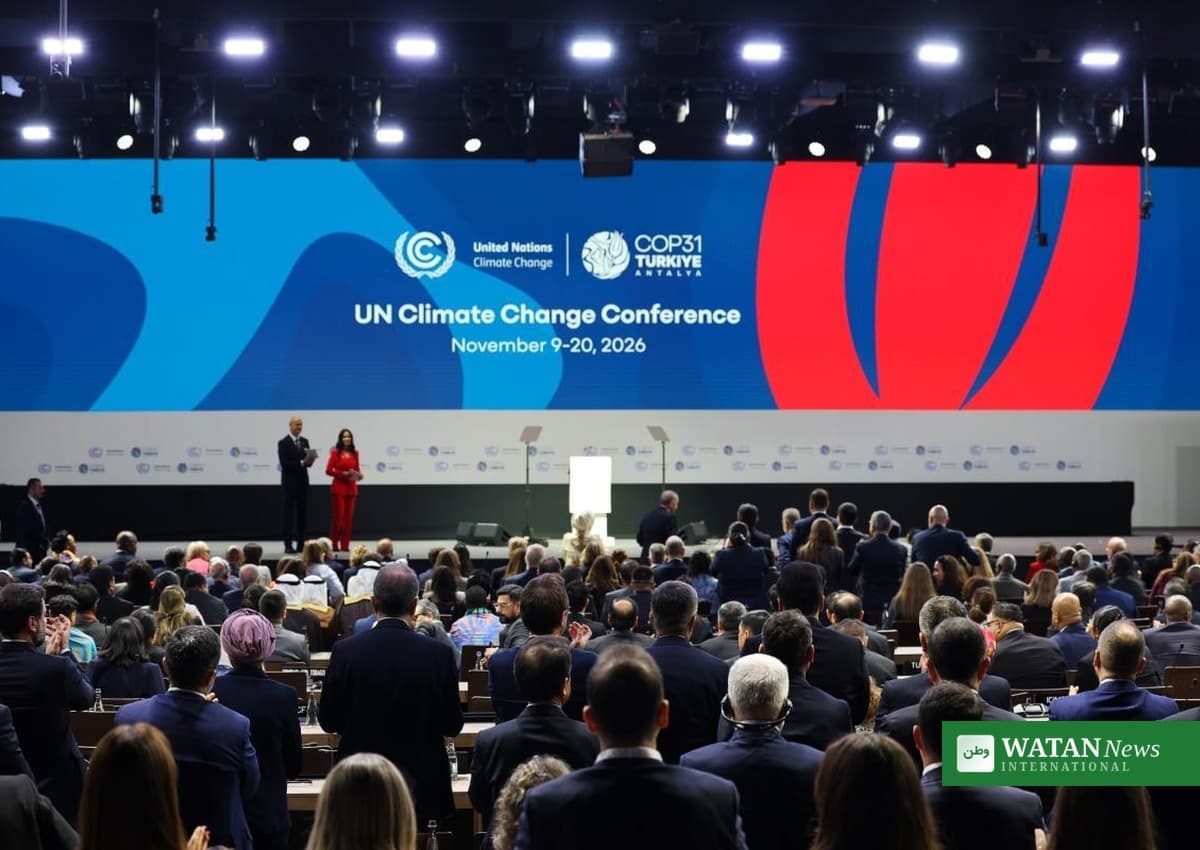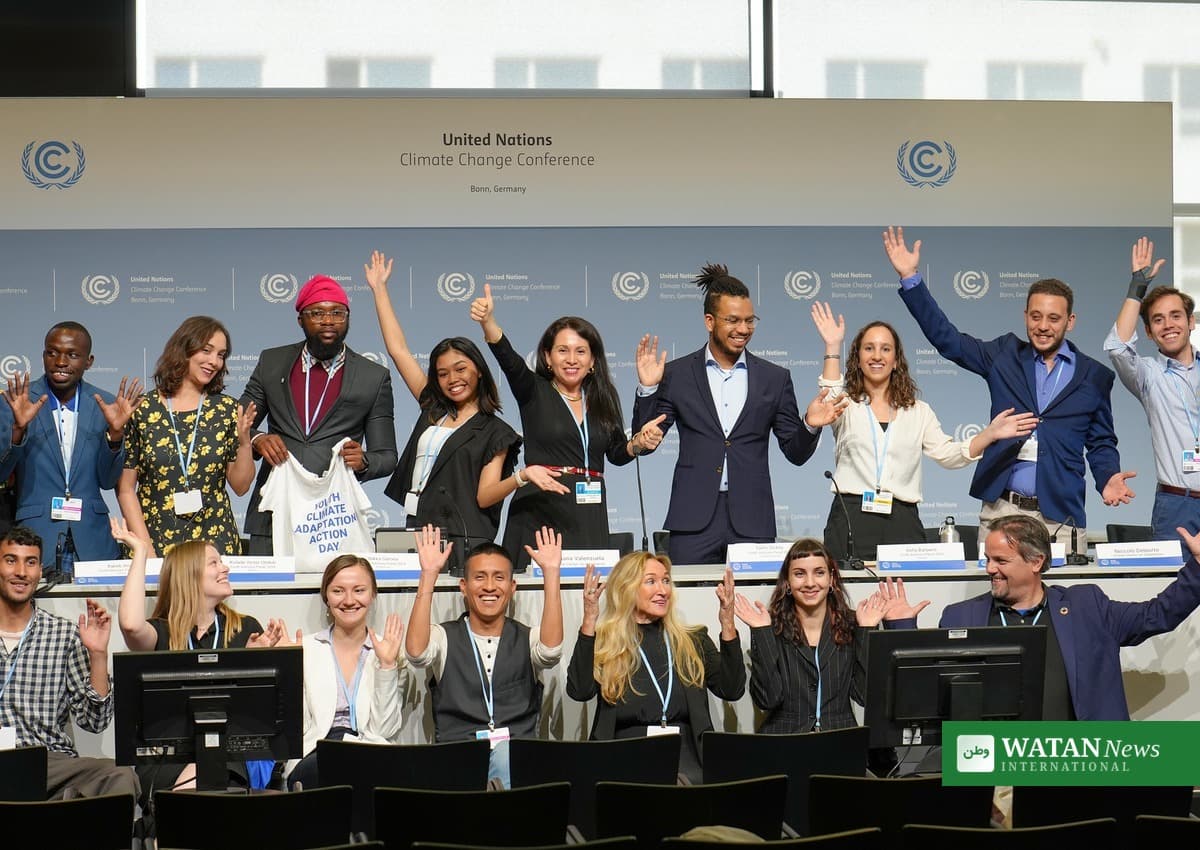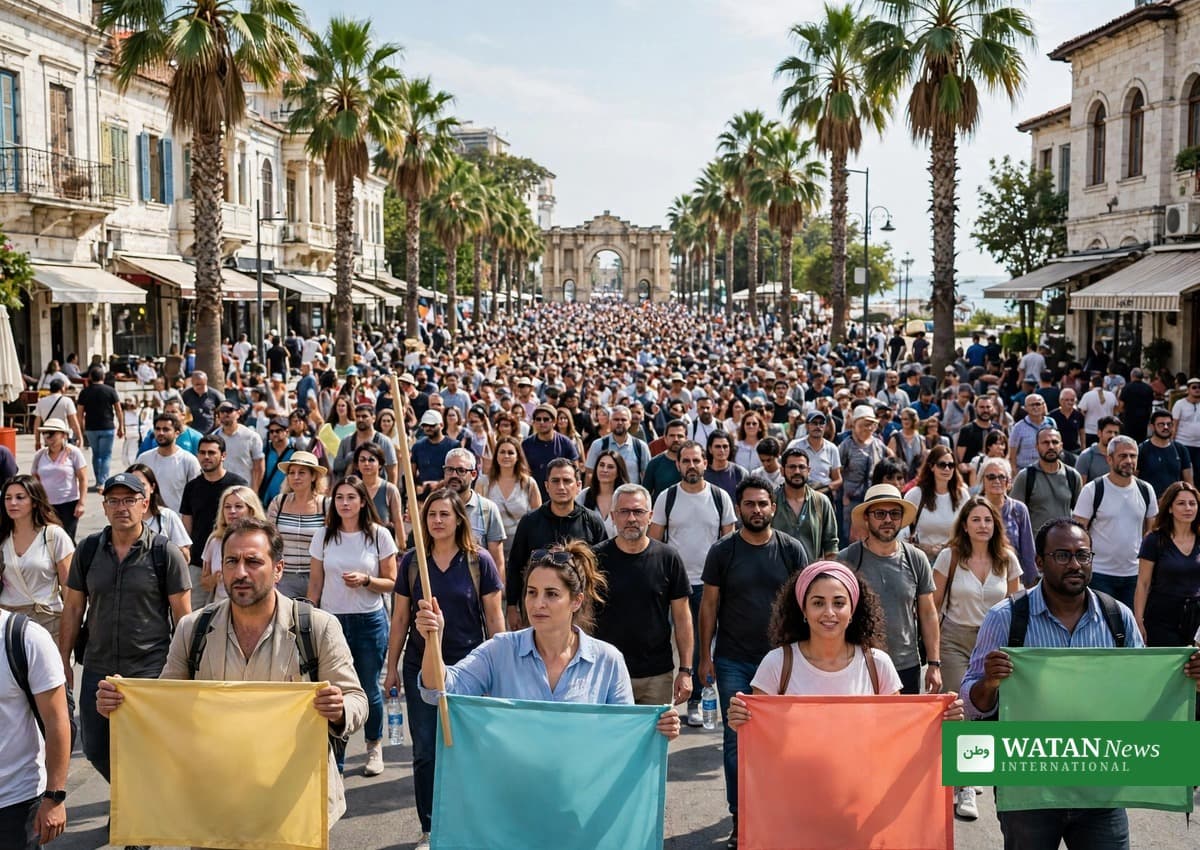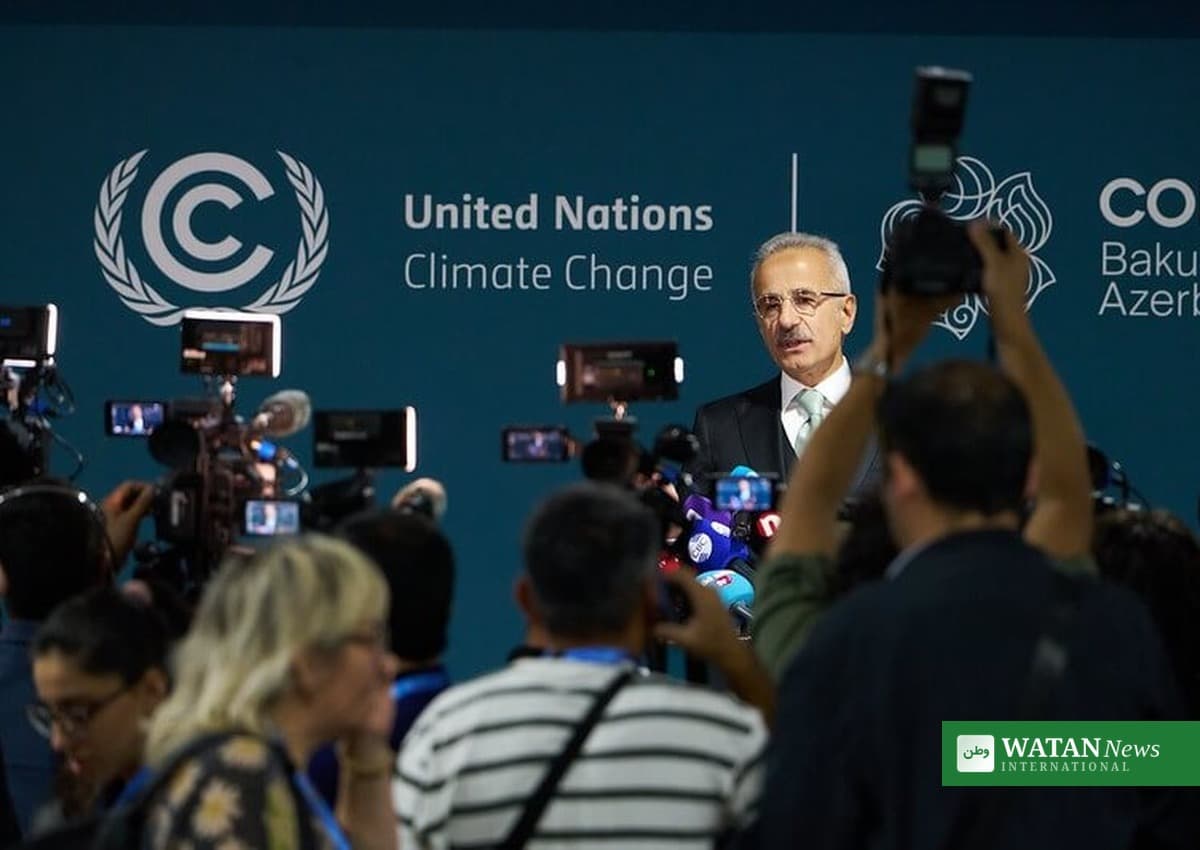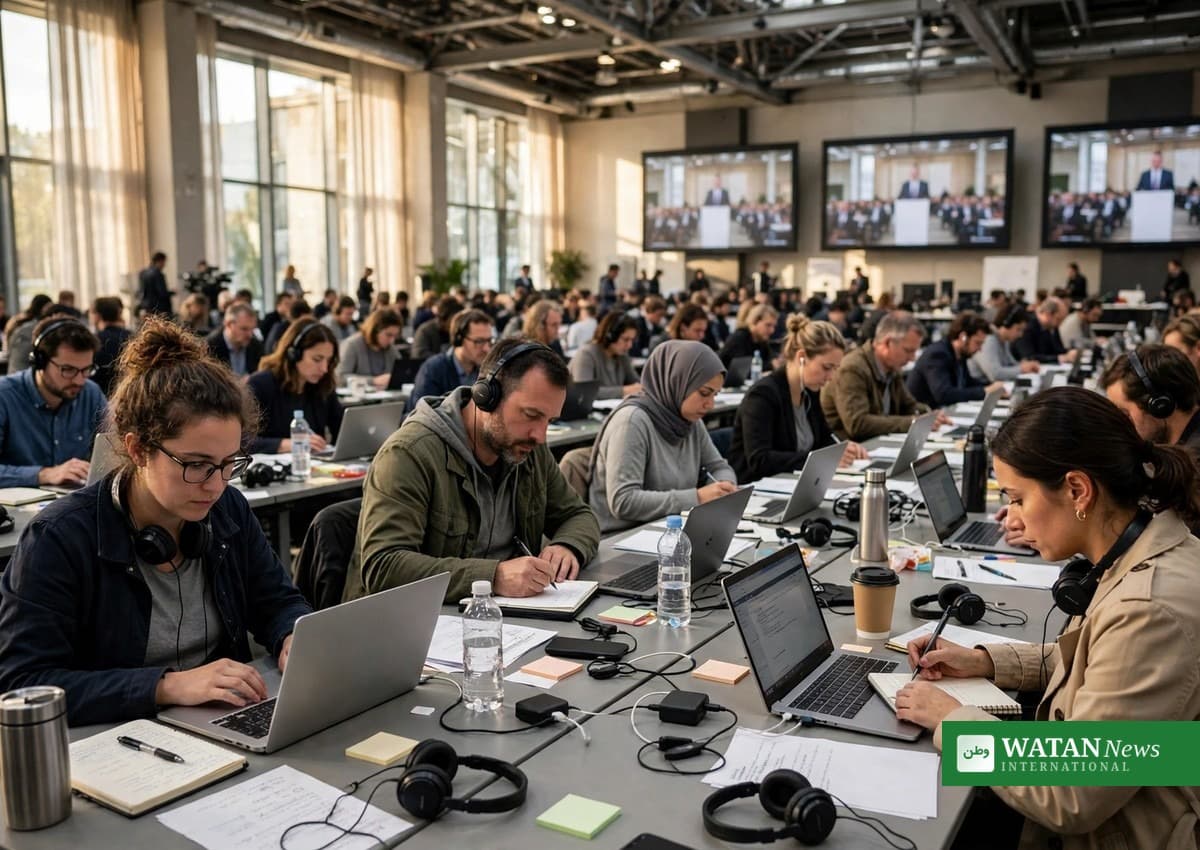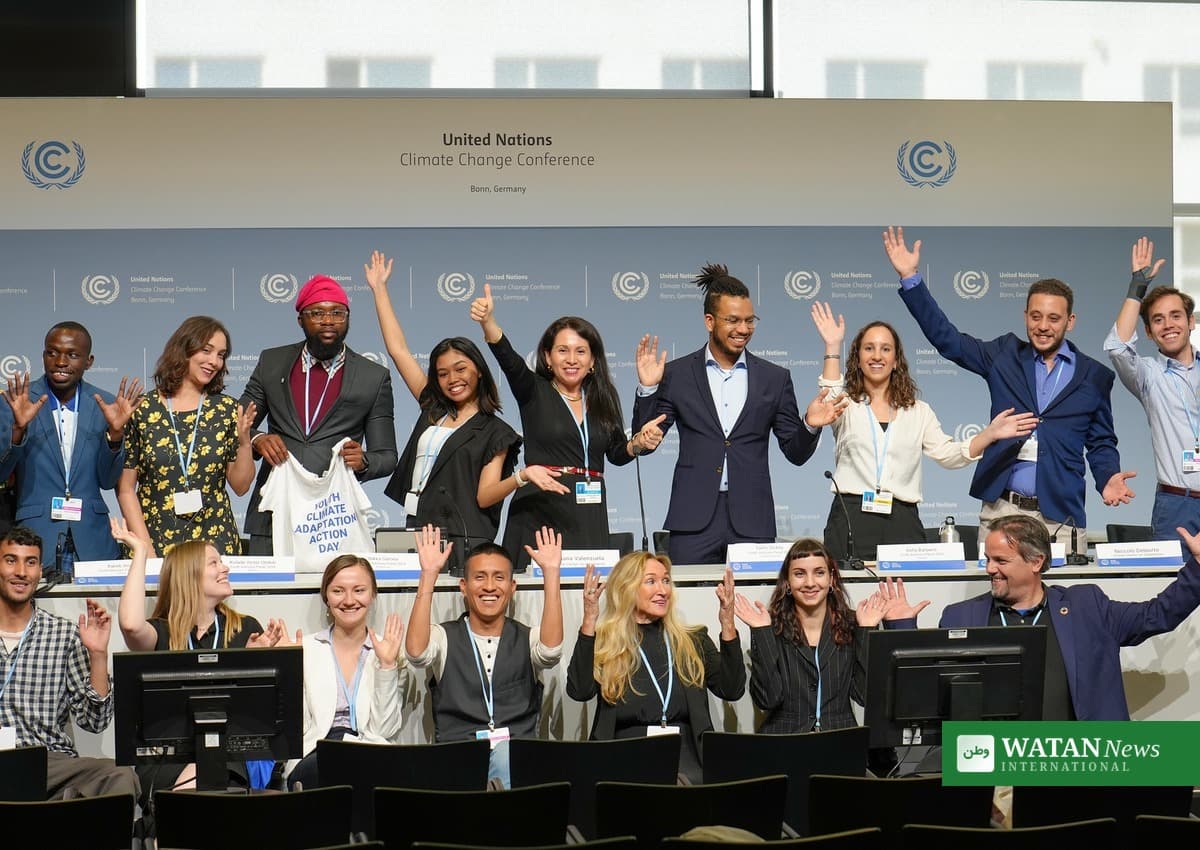
ANTALYA: Youth climate leaders and delegates from 15 countries told the COP31 climate summit on Friday that they want decision-making power, not token representation, placing six demands before governments, the United Nations climate convention and international financial institutions.
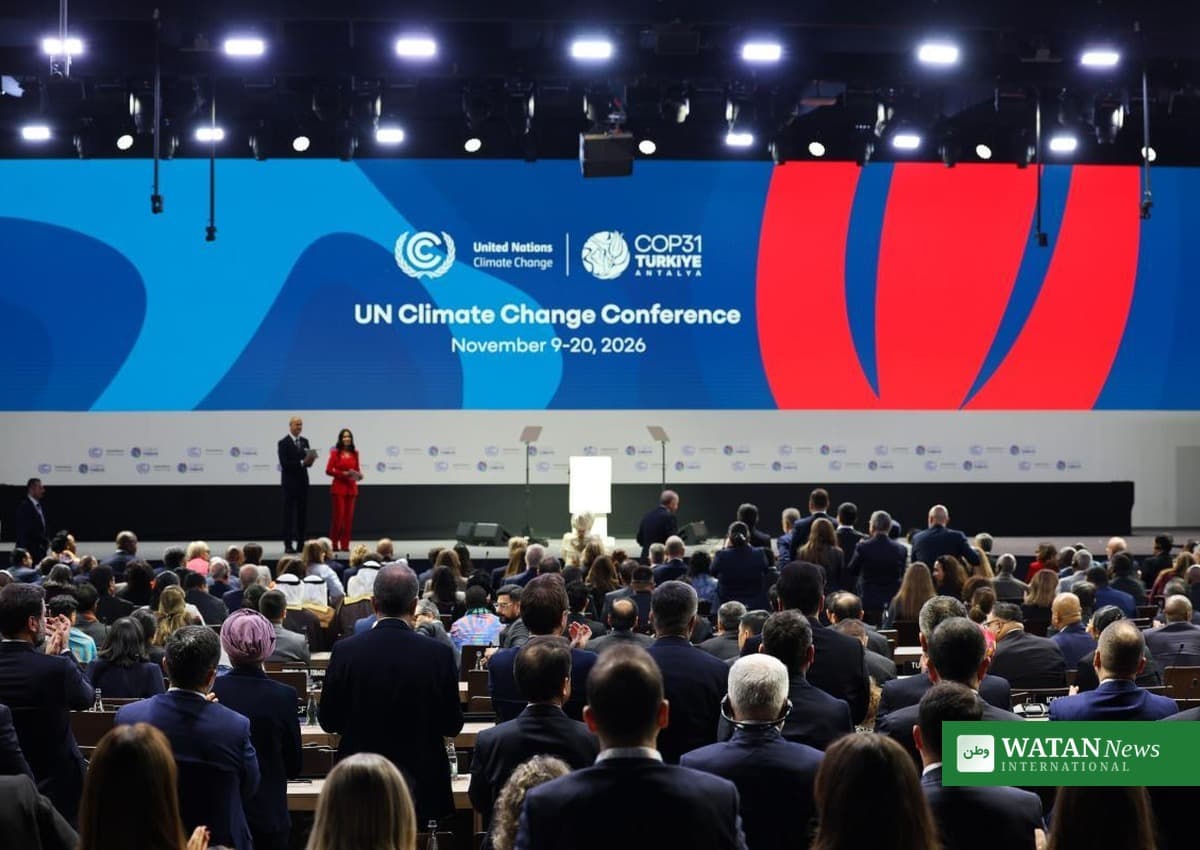
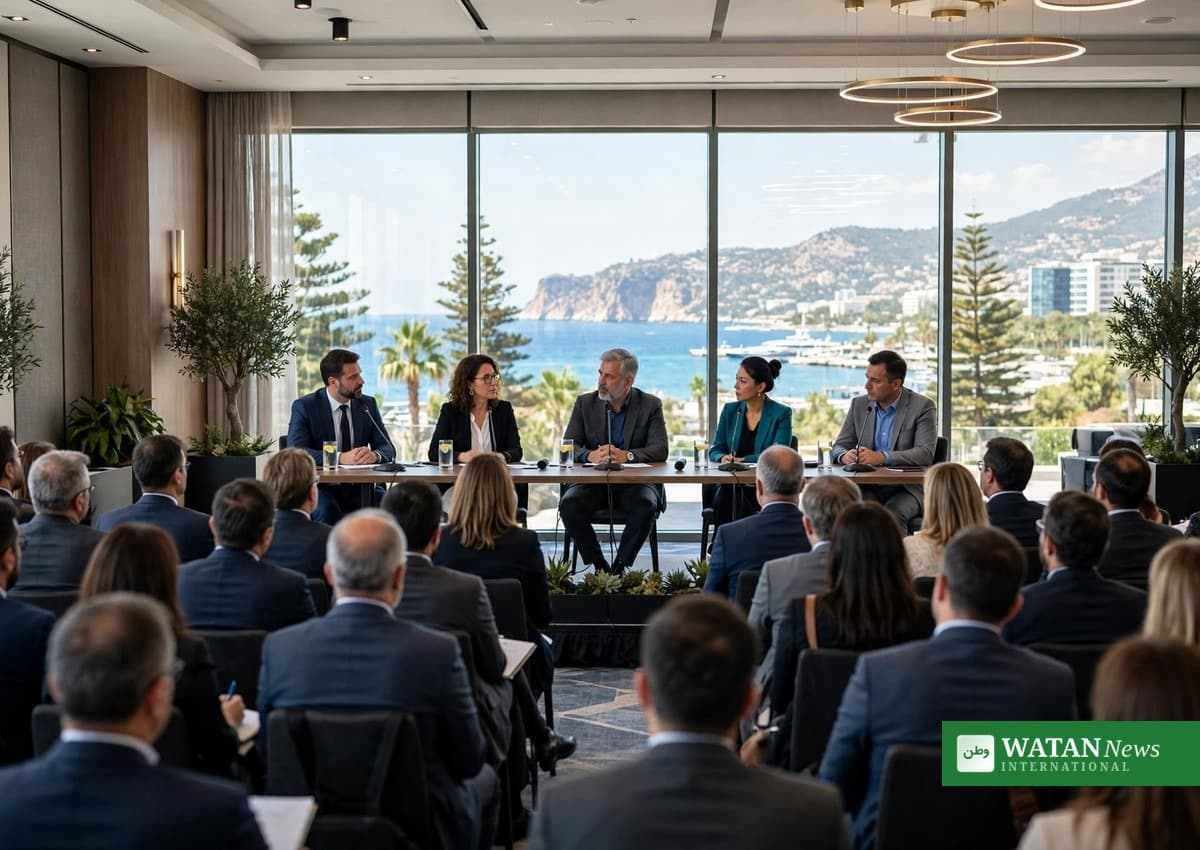
At a high-level roundtable in the COP31 Blue Zone in Antalya, Türkiye, organised by the Young Climate Action Network (YOUCAN), participants urged governments and international institutions to recognise young people as policymakers and implementers of climate action rather than merely conference speakers and advisers. The session, titled “Youth at the Decision-Making Table: Strengthening Youth Representation, Participation and Influence in Global Climate Policy”, was moderated by Yudhishtir Chandra Biswas, founder and executive director of YOUCAN, who said youth participation should be backed by permanent institutional responsibilities rather than temporary invitations.
From the front lines to the negotiating table
Speakers from across the Global South described climate change as an everyday emergency, not a distant threat. Shah Rafayat Chowdhury, founder of Footsteps from Bangladesh, said young people were already implementing community-based resilience initiatives and should be empowered as key implementers rather than treated as external commentators. Beza Melaku Mandefro of Ethiopia said Africa contributes the least to global emissions but faces some of the heaviest climate impacts, calling for direct, grant-based climate finance and greater executive power for youth-led adaptation initiatives.
Adigao Alvin Wenia, a youth negotiator for the African Group of Negotiators, stressed the need to include young negotiators in decision-making bodies so they could help shape National Adaptation Plans and Nationally Determined Contributions before policies are finalised. Joel Coburn, a young ambassador with UNICEF Australia, urged governments to move beyond token consultations and involve young people in designing climate policies.
Other voices underlined the barriers young people still face. Liza Chhean from Cambodia highlighted coastal erosion and agricultural disruption in Southeast Asia and called for national-level institutional support for locally developed solutions. Dr Sakshi Bharadwaj from India pointed to visa restrictions and unequal access to international forums as barriers preventing vulnerable communities from taking part in global climate discussions. Alexa Silva Varela, a Climate Mobility Youth Delegate, said young people affected by displacement and migration should have a direct role in shaping international adaptation and loss-and-damage policies. Tatyana from Brazil called for youth leadership to be built into state-level climate action so international climate finance reaches grassroots communities, while Maynul Islam, founder and chief executive of Shining Life from Bangladesh, highlighted grassroots adaptation strategies and youth-led resilience programmes in vulnerable coastal communities.
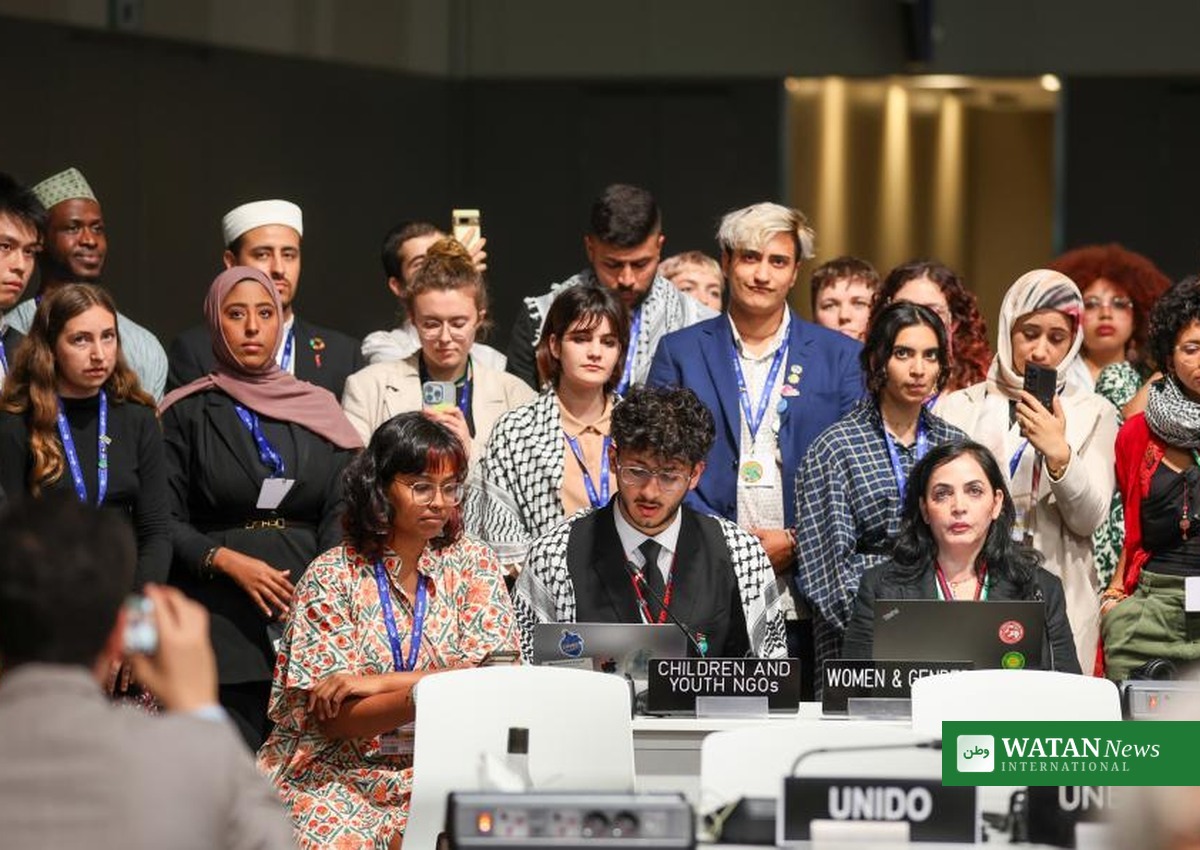
The six demands: COP31 youth decision-making power in practice
The 15-country coalition placed six demands before governments, the UN Framework Convention on Climate Change (UNFCCC) and international financial institutions:
- Implementers, not advisers: youth-led organisations should be integrated into national climate programmes as implementers rather than external advisers.
- Funding that reaches the front lines: climate policies and funding must reflect the needs of vulnerable communities, with adaptation and mitigation finance directed to grassroots resilience.
- Permanent institutions: permanent, legally mandated youth advisory bodies and focal points within national climate ministries, supported by dedicated budgets and transparent oversight.
- Consulted from the start: youth consultations must take place at the beginning of policymaking, with governments publishing accountability reports explaining how young people’s contributions have shaped Nationally Determined Contributions (NDCs) and National Adaptation Plans (NAPs).
- Barriers removed: visa, travel and financial barriers that prevent young people from developing countries from participating in international climate negotiations must go.
- Direct finance: direct, predictable and accessible grant-based financing for youth-led adaptation, local loss-and-damage initiatives and community-based climate protection programmes.
The delegates also called for an immediate and equitable transition away from fossil fuels, accessible grant-based climate finance for developing countries, and operational support for addressing loss and damage caused by climate change. Symbolic youth engagement, the coalition said, should end — governments and international institutions should give young people the authority and resources to implement climate solutions.
Why the demand lands in COP31’s second week
The roundtable came as COP31 entered its second and final week on Monday, when ministers take over the negotiations from technical teams. A day earlier, the conference marked its Children, Youth, Education and Skills Day — children handed over their climate demands and Türkiye joined the UNESCO climate education alliance as its 100th member — and the Global Youth Statement, shaped by 100,000 young people, was launched in Antalya on 13 November. The call for COP31 youth decision-making power is about more than being heard: it is about who writes the plans and who spends the money.
Young people are formally part of the process through YOUNGO, the official children and youth constituency of the UNFCCC, which represents children and young people up to the age of 35. Its Youth Lead Climate Forum ran thematic sessions at COP31 from 10 to 14 November on just transition, climate empowerment, adaptation and loss and damage, ending with a headline event and a youth-negotiator roundtable. The Children and Youth Pavilion — the only fully youth-led space at the conference, now in its fifth consecutive year — is represented by 10 young spokespeople aged between 14 and 31, and its opening brought together COP31 Presidency Youth Climate Champion Sally Higgins and COP30 champion Marcele Oliveira.
The roundtable’s message is that presence is not power. Young people have the pavilion, the forum and the statements; what they are asking for now is a permanent place inside the institutions that write the plans and spend the money — before the decisions are taken, not after.
Key facts
- When and where: Friday 13 November 2026, COP31 Blue Zone, Antalya, Türkiye.
- Organiser: Young Climate Action Network (YOUCAN); moderated by founder and executive director Yudhishtir Chandra Biswas.
- Who took part: youth climate leaders and delegates from 15 countries.
- Core message: recognise young people as policymakers and implementers, not merely speakers and advisers; end symbolic youth representation.
- The six demands: youth-led organisations as implementers; funding for vulnerable communities; permanent youth advisory bodies with budgets; consultation from the start of policymaking with accountability reports; removal of visa, travel and financial barriers; direct grant-based finance for youth-led adaptation and loss-and-damage work.
- Also called for: an immediate, equitable transition away from fossil fuels; accessible grant-based climate finance for developing countries; operational support for loss and damage.
- Context: COP31’s Children, Youth, Education and Skills Day was held on 14 November; the Global Youth Statement, shaped by 100,000 young people, was launched in Antalya on 13 November; the Children and Youth Pavilion is in its fifth consecutive year with 10 spokespeople aged 14–31.