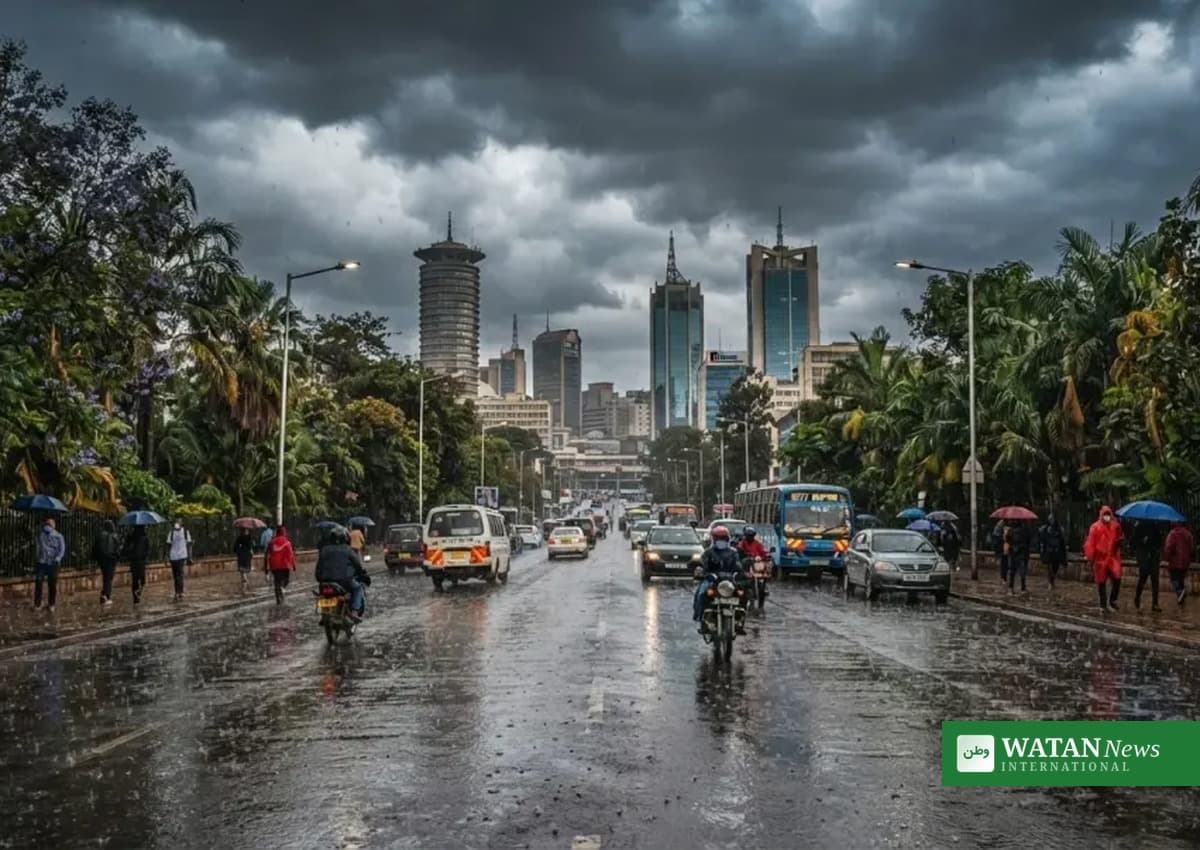
Kenya is bracing for heavy El Niño rains, with the country’s meteorological service warning that 43 counties should expect above-average rainfall during the October–December season and that November will be the peak month. Flood survivors from the devastating 2024 floods are watching the skies with fear as the rains return. Read the full report on the Kenya El Niño rains on Watan News.
FAKTA
- The Kenya Meteorological Service Authority forecasts above-average rainfall in 43 counties during the October–December 2026 season.
- Above-average rainfall means more than 125 per cent of the long-term average for the season.
- November is expected to be the peak month of the short-rains season, which normally runs from October to December.
- The daily forecast for 15–16 November projected rainfall across 44 counties, with some areas expecting moderate rain and thunderstorms.
- About 1.5 million people living in flood-prone areas could be affected, according to an Associated Press report cited by Addis Standard.
The Kenya El Niño Rains Forecast
The Kenya Meteorological Service Authority, in its seasonal forecast for November–December, attributed the expected rainfall patterns partly to El Niño, the climate phenomenon involving the unusual warming of ocean waters in the Pacific. The 43 counties expecting above-average rainfall include Nairobi, Mombasa, Kisumu, Nakuru, Kiambu, Machakos, Kajiado, Kakamega, Kisii, Bungoma, Busia, Meru, Embu, Kilifi, Kwale, Lamu, Garissa, Mandera, Wajir, Isiolo, Marsabit and Tana River.
Scientists have warned that the developing El Niño could be among the most intense on record. A regional forecast from the Intergovernmental Authority on Development issued in September warned of an 81 per cent probability of a very strong El Niño during October–December 2026. Forecasters have compared this year’s event with the devastating 1997–1998 El Niño, which caused widespread flooding and destruction in Kenya and Somalia.
Why November Is the Peak Month
November is typically the peak rainfall month of Kenya’s short-rains season. The meteorological service said on 5 November that the 2026 El Niño was strengthening towards a very strong event, with above-average October–December rainfall expected across many counties.
The daily forecast issued on Sunday, 15 November, projected rainfall across 44 counties between 9pm on Sunday and 9pm on Monday, 16 November. Kenya Met classifies moderate rainfall as between 5mm and 20mm within 24 hours, heavy rainfall as 21mm to 50mm, and very heavy rainfall as more than 50mm. The department warned that heavy rainfall could cause waterlogging, flooding, soil erosion and increased crop pests and diseases, potentially disrupting farm operations.
The rain has already arrived in places. In Kisumu County, heavy rains accompanied by strong winds flattened four hotels and dozens of makeshift structures at Dunga Beach, and flooding has been reported in parts of Tana River County, where the season is forecast to continue into January 2027.
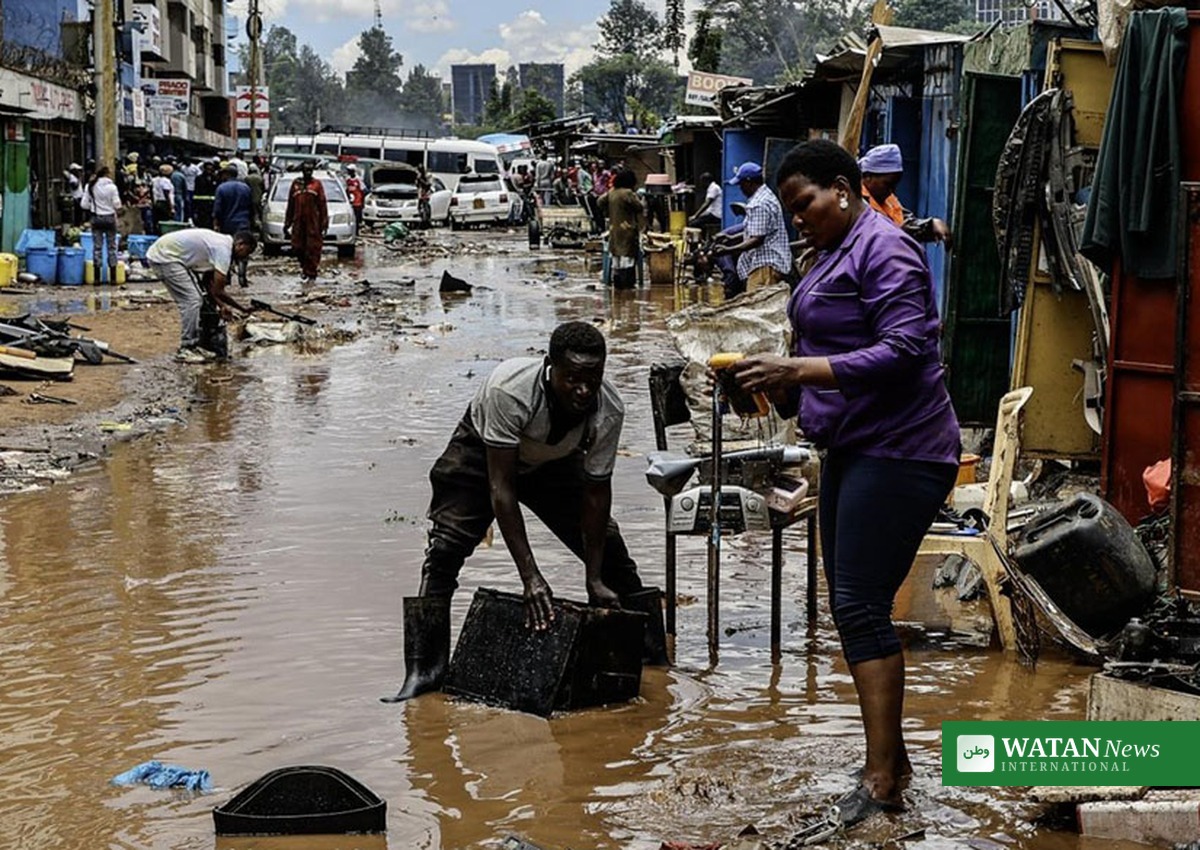
Flood Survivors Fear a Repeat of 2024
For residents along Nairobi’s Mathare River and in other flood-prone settlements, the warnings bring back the losses of 2024, when devastating floods displaced families and destroyed homes and livelihoods. The United Nations’ International Organization for Migration has warned that almost 900,000 people could be forced to leave their homes in Kenya this year, primarily because of predicted floods.
Kenya’s drainage systems are under strain. Rapid urban growth has left many towns with drains that cannot cope with intense downpours, and the meteorological service has specifically warned that urban drainage systems could become overwhelmed while rural roads may become impassable after prolonged rainfall.
DR Congo: At Least 44 Killed in IS-Linked Attacks
In other African news, gunmen linked to the Islamic State group killed at least 44 civilians in a series of attacks across the northeastern Democratic Republic of Congo this week, humanitarian and security sources reported on Friday, 13 November.
Between Monday and Thursday, fighters from the Allied Democratic Forces (ADF) raided several villages in the Mambasa territory of Ituri province. A security source told AFP that at least 44 people had been killed, while a humanitarian source reported 47 bodies found. Other local sources suggested the death toll could reach 49, with searches for more victims continuing. Local official Gabriel Tonge said some victims had been attacked with machetes, while others were shot.
The raids follow another deadly assault days earlier in neighbouring North Kivu province, where ADF militants killed at least 66 people — including three Ebola response workers — and burnt three healthcare facilities in Cantine-Aloya. The ADF pledged allegiance to Islamic State in 2019. The violence is disrupting efforts to contain an Ebola outbreak first detected in Mambasa six months ago.
How Kenyans Can Prepare
The meteorological service has advised Kenyans to follow regular weather updates and county-specific forecasts as conditions change, and to move to safer ground when heavy rain is forecast. Above-average rainfall does not mean it will rain every day, the service stressed — but when heavy downpours come, rivers can overflow, flash floods can strike quickly, and landslides can follow on steep ground.
Conclusion
Kenya enters the peak of its short-rains season with the strongest El Niño warnings in years. The forecasts are clear, the risks are known, and the memories of 2024 are fresh. How well communities, counties and the country prepare in the coming days will decide whether this season is remembered for its rain — or for its floods.