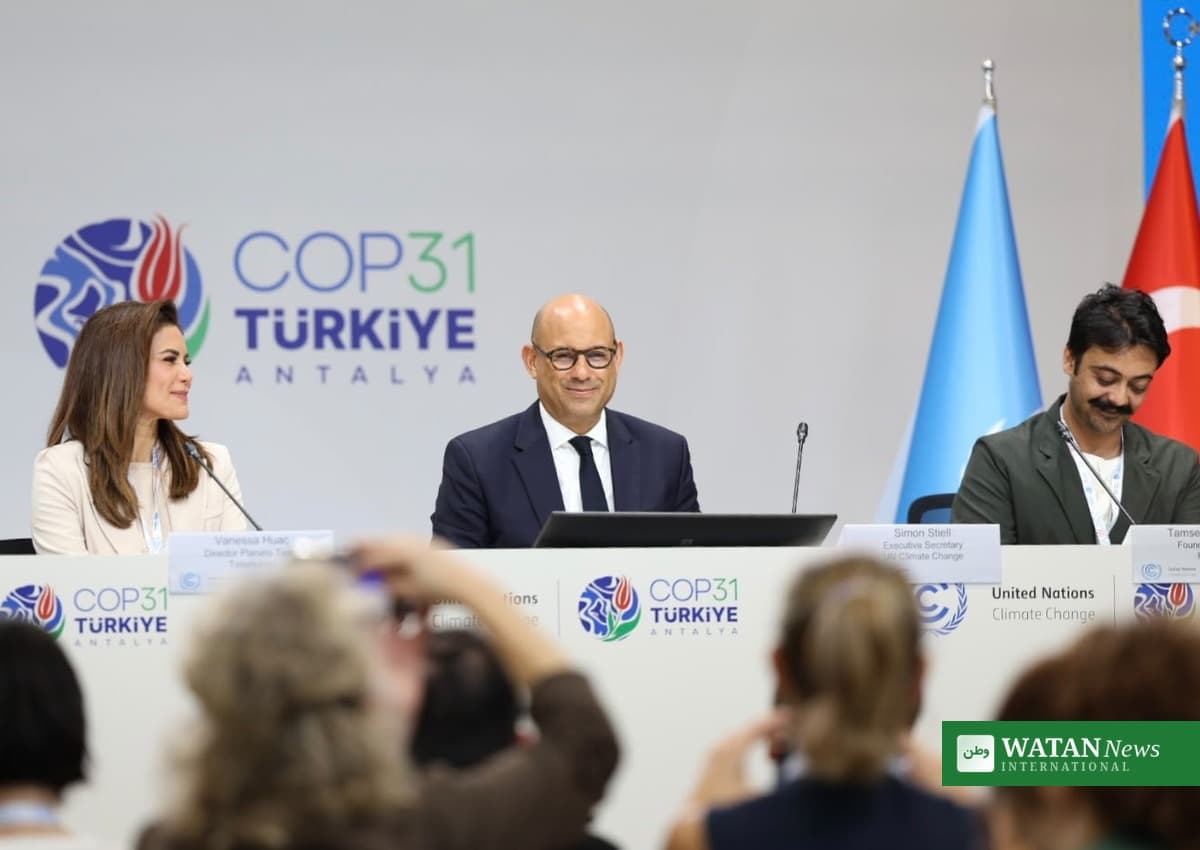
ANTALYA: The development finance institutions of the United Kingdom, Canada and Norway launched a joint climate finance initiative at COP31 in Antalya on Thursday, aiming to mobilise at least $10 billion for clean energy in emerging markets by 2030.
The initiative, called “10by30”, brings together British International Investment (BII), FinDev Canada and Norfund under a memorandum of understanding signed on the margins of the COP31 climate talks. The three institutions will share investment pipelines, coordinate due diligence and co-invest in flagship transactions, while working to draw private capital into projects that cut greenhouse gas emissions.
What the $10 billion will fund
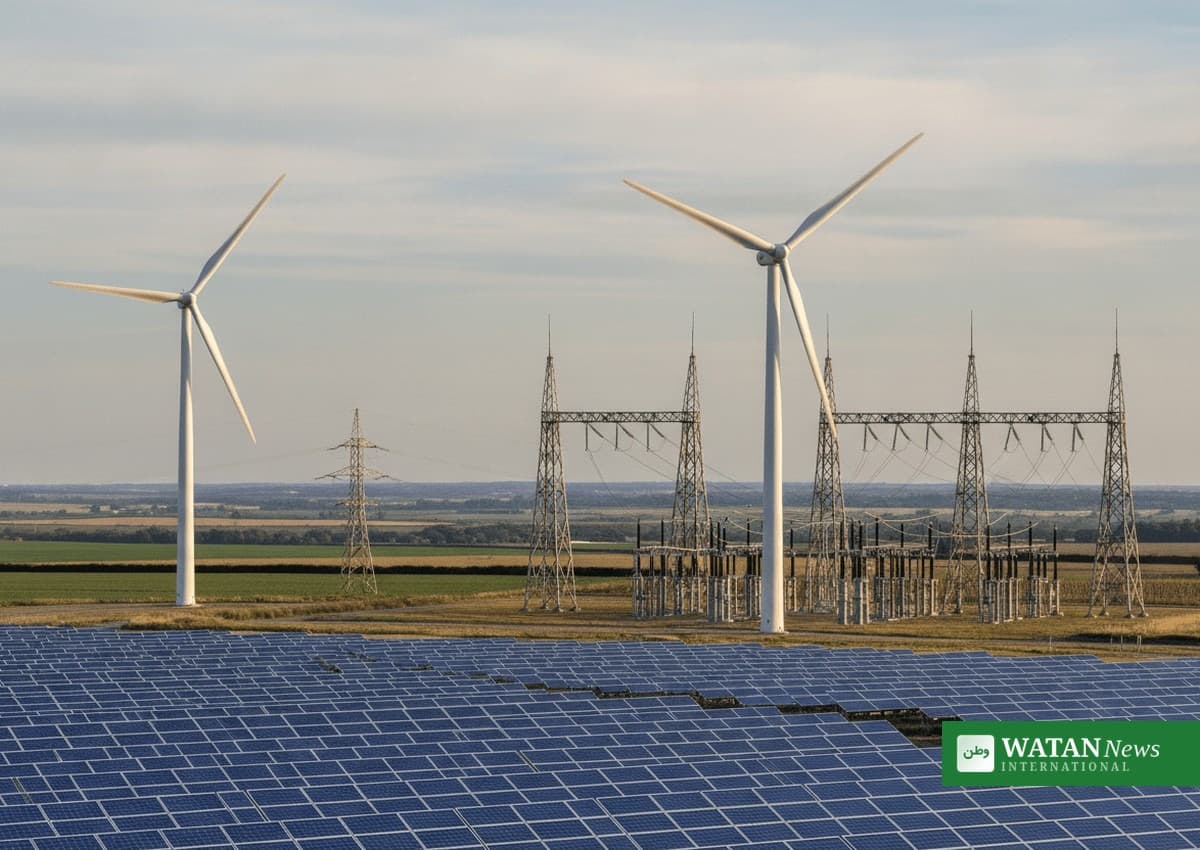
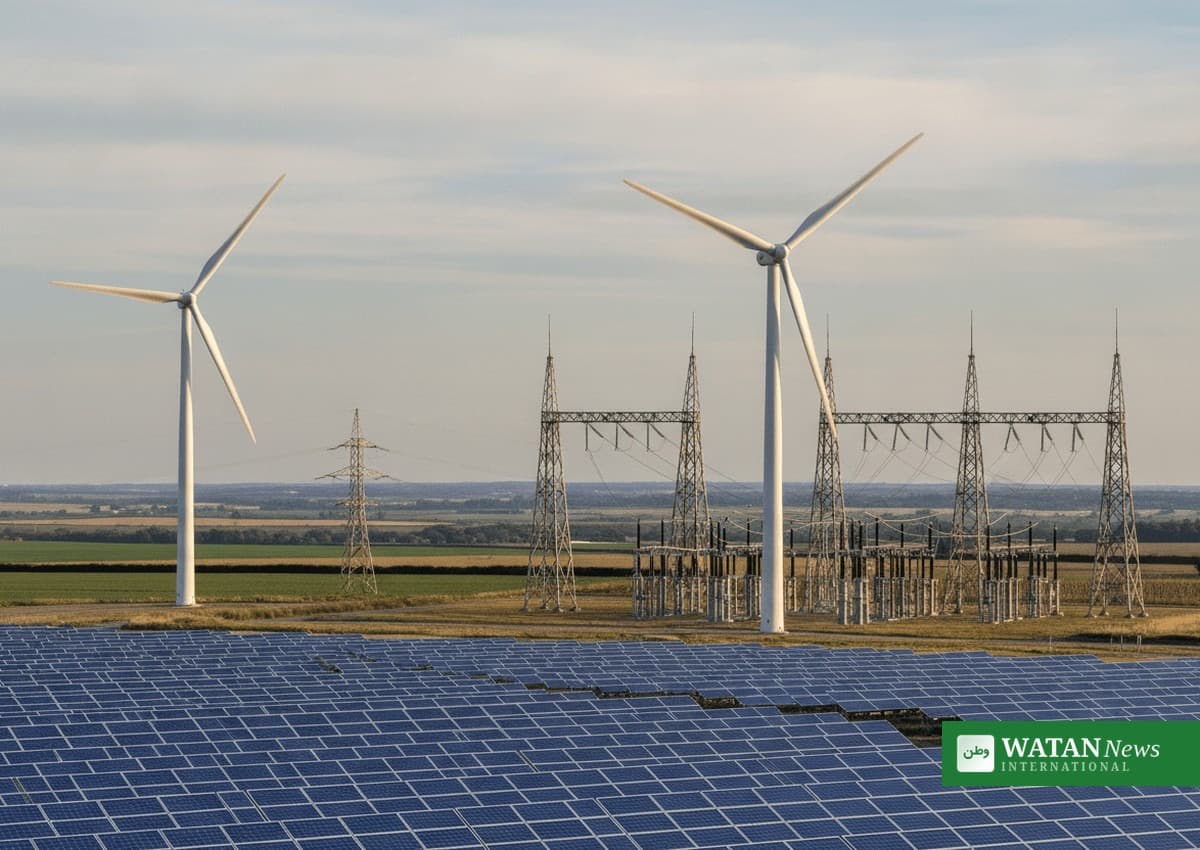
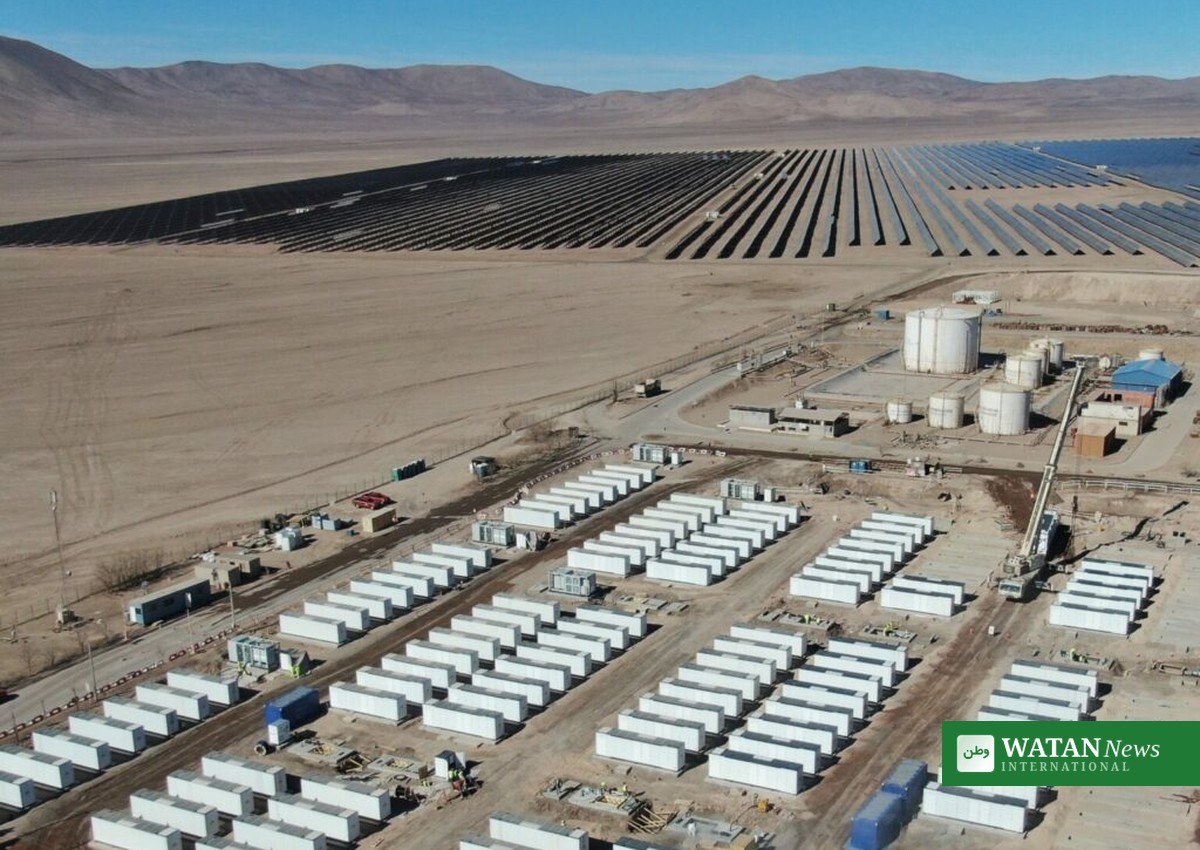
The $10 billion — including private capital the three institutions expect to mobilise — is aimed at renewable energy, transmission and distribution networks, energy storage, sustainable fuels and the decarbonisation of industry. That mix matters: solar panels and wind turbines can only displace fossil fuels at scale if the power they generate can be carried to users and stored for when the sun is not shining.
Emerging markets are the focus, and the partners have announced no country-by-country split and no first projects. African projects will be eligible, as they are in the three institutions’ existing portfolios, but the $10 billion is a global emerging-markets target, not a fund reserved for one region.
Three programmes, one target
Each institution has set up a dedicated climate investment programme this year: the Norwegian Climate Investment Fund, managed by Norfund; British Climate Partners, run by BII; and Canada’s Climate Mobilization Strategy, run by FinDev Canada. Together, the three programmes are expected to support at least $10 billion of climate and energy-transition investment activity over five years — the figure that gives the collaboration its name.
The scale of the partners is considerable. BII is targeting £15 billion of investment activity under its current five-year strategy, with at least 40 per cent of its new commitments in climate finance between 2026 and 2031. Norfund’s committed portfolio amounts to $4.5 billion, invested across Sub-Saharan Africa, South and Southeast Asia and Latin America.
What 10by30 is — and what it is not
The memorandum of understanding does not create a joint investment platform, a new legal entity or any financial commitment between the three institutions. Each keeps its own mandate, governance and approval process, and any investment that follows remains subject to those rules. The $10 billion is therefore a mobilisation target, not money already committed or sitting in a shared account — a distinction the institutions state plainly in their announcements.
“The UK is backing practical action to unlock investment for the energy transition in emerging markets,” said Lucy Rigby, the UK’s Economic Secretary to the Treasury. “By mobilising $10 billion of private finance for the energy transition by 2030 we will help public finance go further and support greater investment in clean energy, sustainable growth and economic opportunity.”
“Today’s signing brings together three global leaders in climate finance in emerging markets,” said Leslie Maasdorp, chief executive of BII. “Our shared determination is to create the opportunities that will move private capital at an unprecedented scale to where it is needed the most.”
Why it matters at COP31
Finance has been the running thread of COP31. At COP29 in 2024, governments agreed to mobilise at least $300 billion a year for developing countries by 2035 and called for scaling climate finance from all sources to $1.3 trillion a year. The COP31 Presidency has described this year’s conference as “a COP of implementation and acceleration” — and 10by30 is presented as exactly that kind of delivery mechanism: existing programmes, combined pipelines and faster decisions on shared deals.
For renewable energy, the test will be whether the money reaches projects that would not otherwise be built — new solar and wind capacity, the grids to carry it and the storage to make it reliable — rather than relabelling finance that was already planned. The three institutions say they will also work together on measuring the climate and development effects of their investments, and on improving the conditions that attract private capital.
The same week in Antalya
10by30 was one of several clean-energy announcements in COP31’s first week. On the same day, Baker Hughes and Türkiye’s state oil company TPAO signed an agreement to explore enhanced geothermal systems, starting with a nationwide assessment of Türkiye’s potential. Türkiye is already Europe’s largest geothermal power producer, with about 1.8 gigawatts installed, according to coverage of the announcement.
Earlier in the week, Türkiye and China signed a preliminary $15 billion renewable energy memorandum covering 7,000 megawatts of solar and wind capacity, new energy storage and 4,000 megawatts of transmission infrastructure. Read more: Türkiye and China Sign $15 Billion Renewable Energy Deal at COP31. COP31 also launched a Clean Energy Deal Hub to speed up solar deals across Asia-Pacific: COP31: New Clean Energy Deal Hub to Speed Up Solar Deals Across Asia-Pacific.
Key facts
- Launched: 13 November 2026, on the margins of COP31 in Antalya, Türkiye.
- Partners: British International Investment (United Kingdom), FinDev Canada (Canada) and Norfund (Norway).
- Target: at least $10 billion of climate and energy-transition investment activity in emerging markets by 2030, including private capital mobilised.
- Sectors: renewable energy, transmission and distribution, energy storage, sustainable fuels and industrial decarbonisation.
- Form: a memorandum of understanding — no joint fund, no new legal entity and no binding financial commitment between the partners.
- Context: at COP29 in 2024, governments set a goal of at least $300 billion a year in climate finance for developing countries by 2035.
In short, 10by30 does not itself build a single solar farm or lay a single cable. Its promise is to make the money move faster — by combining three national climate programmes behind one target and letting private investors follow public lenders into the markets where clean power is needed most. Whether it delivers will be judged by the projects it helps to close before 2030.