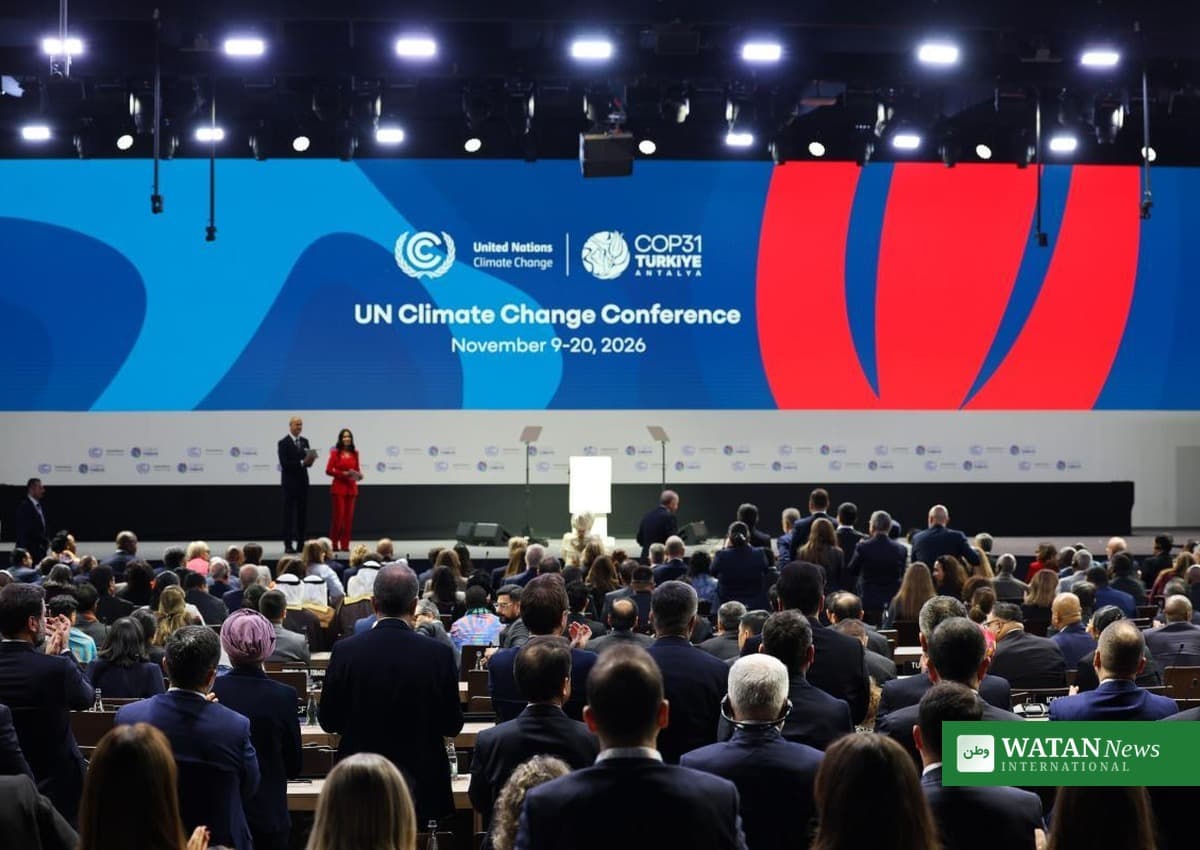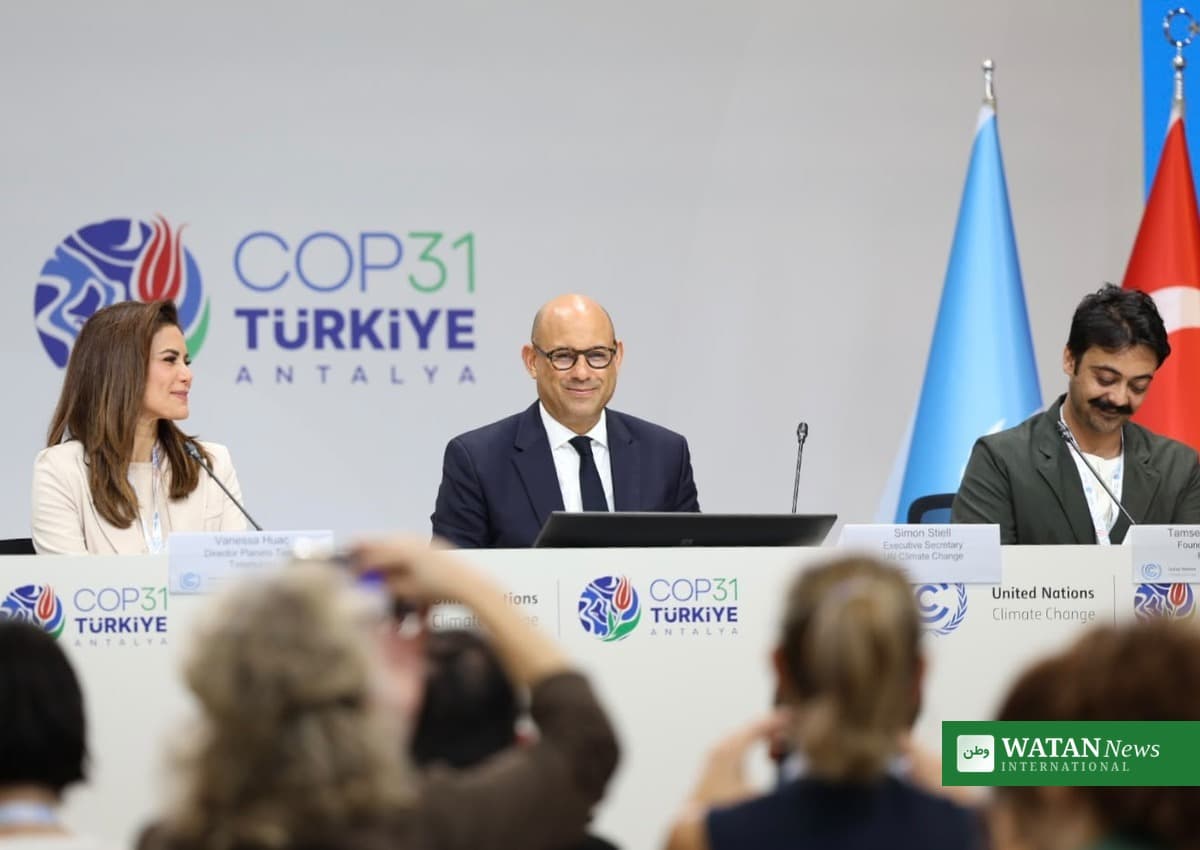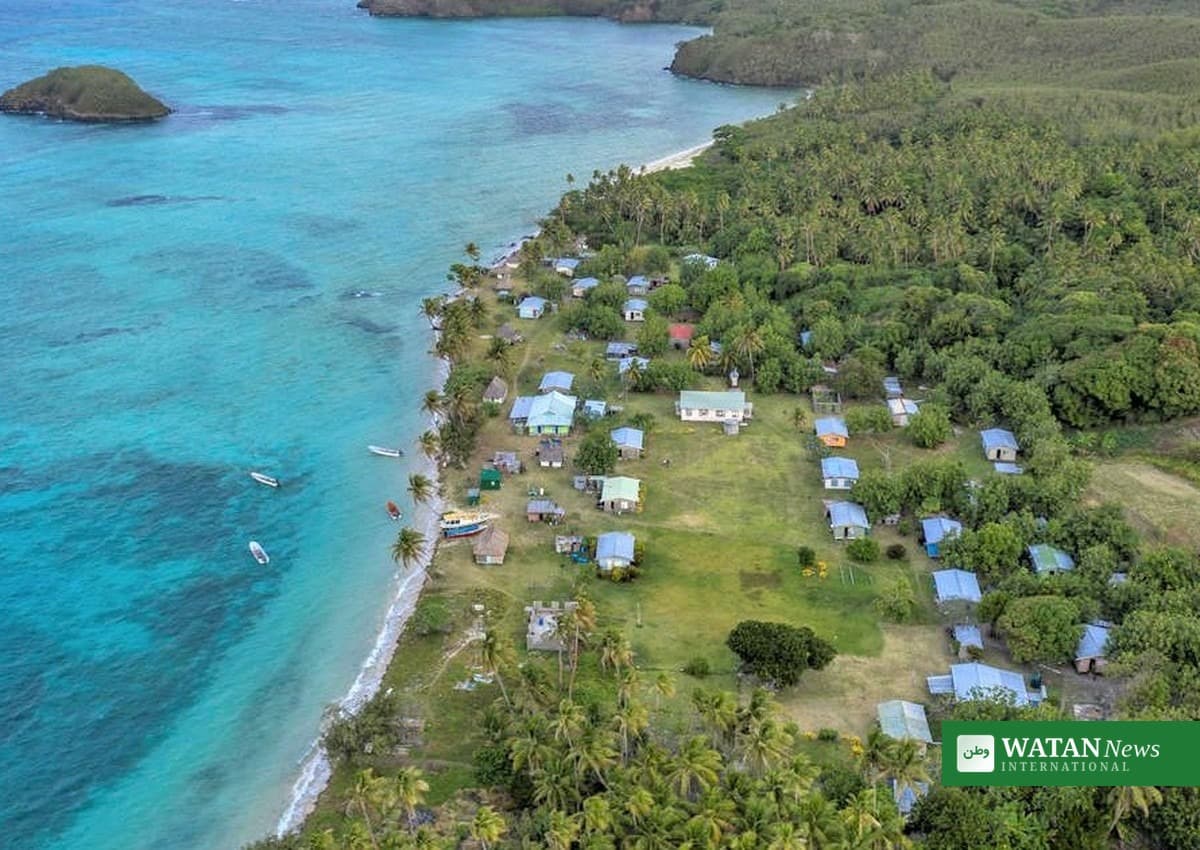
At COP31 in Antalya, the Pacific Resilience Facility — the first fund for climate adaptation that Pacific leaders own and run themselves — has passed $200 million in pledges, giving island communities a new source of money to protect themselves from rising seas and stronger storms.
In the same week, the COP31 Presidency launched a new mechanism to bring green industry to the world’s least developed countries, starting with ten pilot countries.
Pacific fund passes $200 million
The Pacific Resilience Facility (PRF) is the first Pacific-led, owned and managed fund dedicated to financing community-centred adaptation and resilience across Pacific Island countries, according to the COP31 Presidency. The facility has now secured more than $200 million in pledges, with the United Kingdom, Canada, Ireland, Denmark, the Netherlands, Norway, the Republic of Korea, Fiji, Papua New Guinea and the Republic of the Marshall Islands among those announcing new pledges in 2026.
At COP31, the Minderoo Foundation became the facility’s first philanthropic donor, pledging $5 million and broadening the coalition behind Pacific-led resilience.
The money matters because it is designed to reach communities directly as grants, not loans. Pacific leaders have insisted that funding must reach the people who need it most, and Palau’s President Surangel Whipps Jr has said the facility must deliver finance to the very last mile and that it cannot be any more loans for a crisis island nations did little to cause. The facility aims to raise $500 million to become fully operational, with an ultimate goal of $1.5 billion.
Before COP31, pledges stood just under $200 million after new commitments at pre-COP talks in Fiji in October, so the Antalya announcements pushed the fund past the milestone.
COP31 President of Negotiations Chris Bowen said: “Climate change is an existential threat to the Pacific. It is already putting lives, livelihoods, cultures and the future of nations at risk.” He added that the world must respond “by building resilience at the scale and speed this crisis demands, backed by accessible finance and practical action.”
A new mechanism for least developed countries
The COP31 Presidency launched the Least Developed Countries Green Industrialisation Facilitation Mechanism (LDC-GIF), connecting green industrial projects in least developed countries with technology, technical support and finance. Led by Türkiye, with the UN Technology Bank for Least Developed Countries as Secretariat, the mechanism launched with ten pilot countries alongside international organisations and multilateral development banks.
Unlike a fund, the mechanism is a facilitation hub: it takes projects from the idea stage to bankable status, matching country needs with technology, expertise and existing sources of finance. In its first three years it aims to mature at least ten green industrial projects in least developed countries and mobilise nearly $100 million in investment from climate funds and the private sector, according to the mechanism’s concept note. The secretariat is to become operational within three months of the launch, and the first calls for green industrial projects are planned within twelve months.
For the 44 least developed countries, the transformation to green industry remains unfinished, UN Trade and Development (UNCTAD) said ahead of the launch, adding that the mechanism starts with country priorities and targets projects that are already bankable or close to bankable.
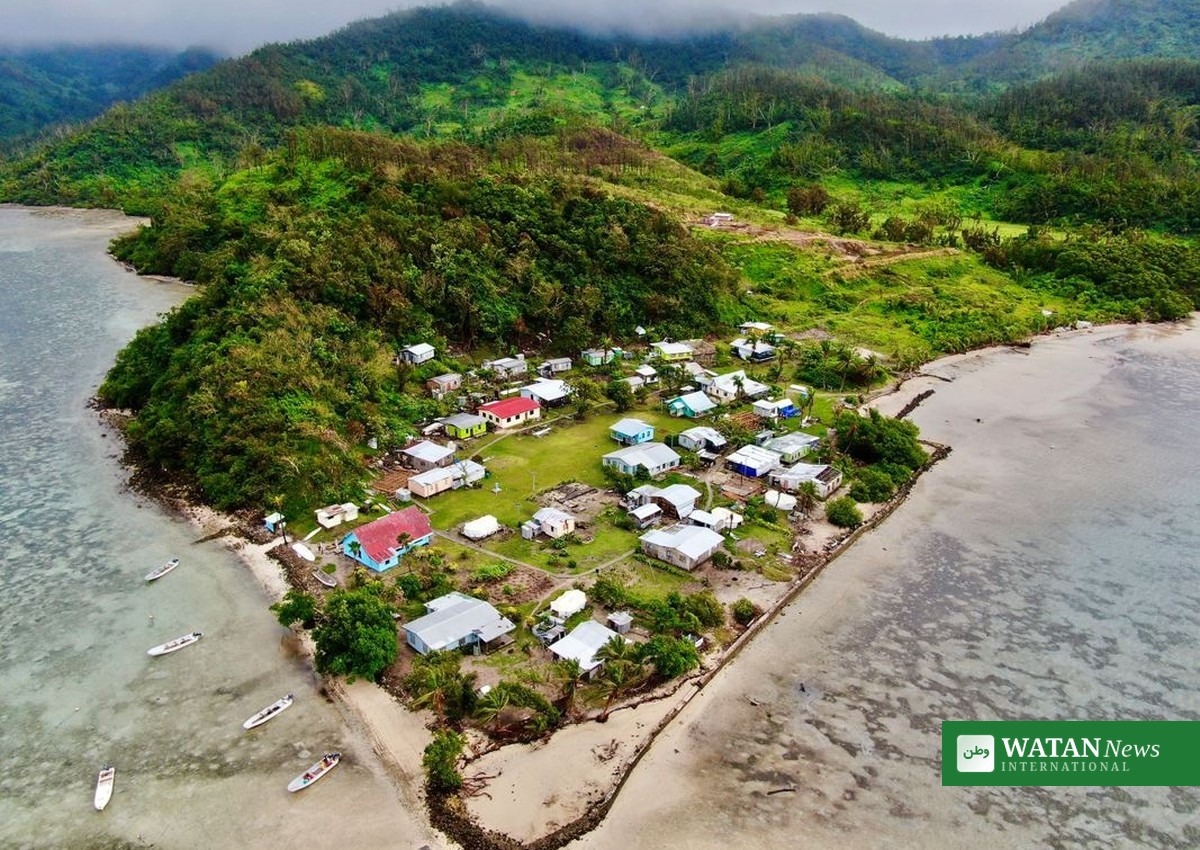
Narikoso village in Fiji, a coastal community facing rising seas. Pacific-led finance is designed to reach such communities directly.
More money moves at COP31
The Türkiye Industry Decarbonisation Investment Platform (TIDIP) announced projects that will receive up to $250 million from the Climate Investment Funds (CIF), supporting the platform’s aim to mobilise more than $6 billion by 2030.
CIF also announced up to $190 million in adaptation finance for five countries and a region under its Accelerating Resilience Investments and Innovations for Sustainable Economies (ARISE) programme, which helps turn climate risk into finance-ready investment plans. The same programme is already backing mangrove restoration in Bangladesh, with up to $30 million in climate funding.
Climate Investment Funds chief executive Tariye Gbadegesin said the demand for ARISE showed countries “are not waiting to act on climate resilience”, adding that what is often missing is “the catalytic finance needed to turn those priorities into investable opportunities at scale”.
FAKTA
- Pacific Resilience Facility: more than $200 million in pledges; the first Pacific-led, owned and managed adaptation fund.
- Minderoo Foundation: $5 million, the facility’s first philanthropic donor.
- Facility target: $500 million to become fully operational; ultimate goal $1.5 billion.
- LDC-GIF: launched at COP31 with ten pilot countries; led by Türkiye; UN Technology Bank as Secretariat.
- TIDIP: up to $250 million from CIF, aiming to mobilise more than $6 billion by 2030.
- CIF ARISE: up to $190 million in adaptation finance for five countries and a region.
What leaders said
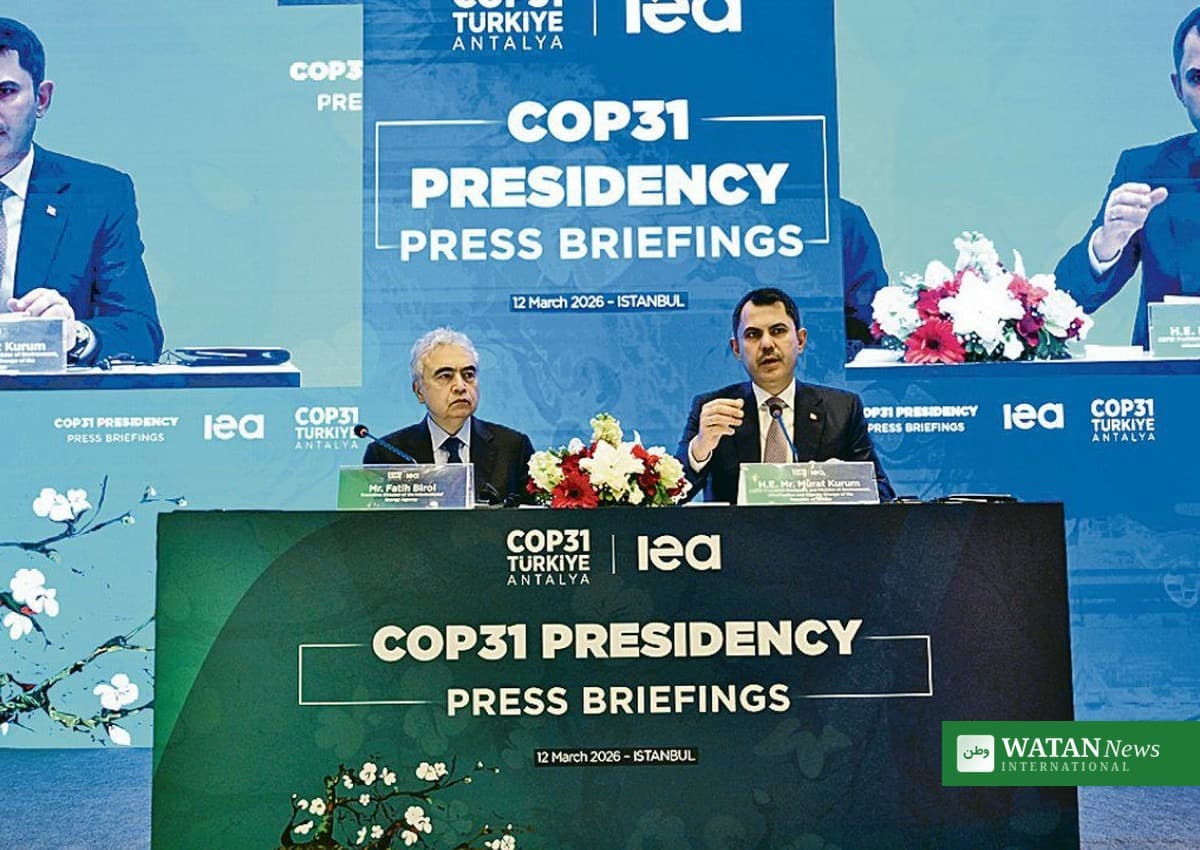
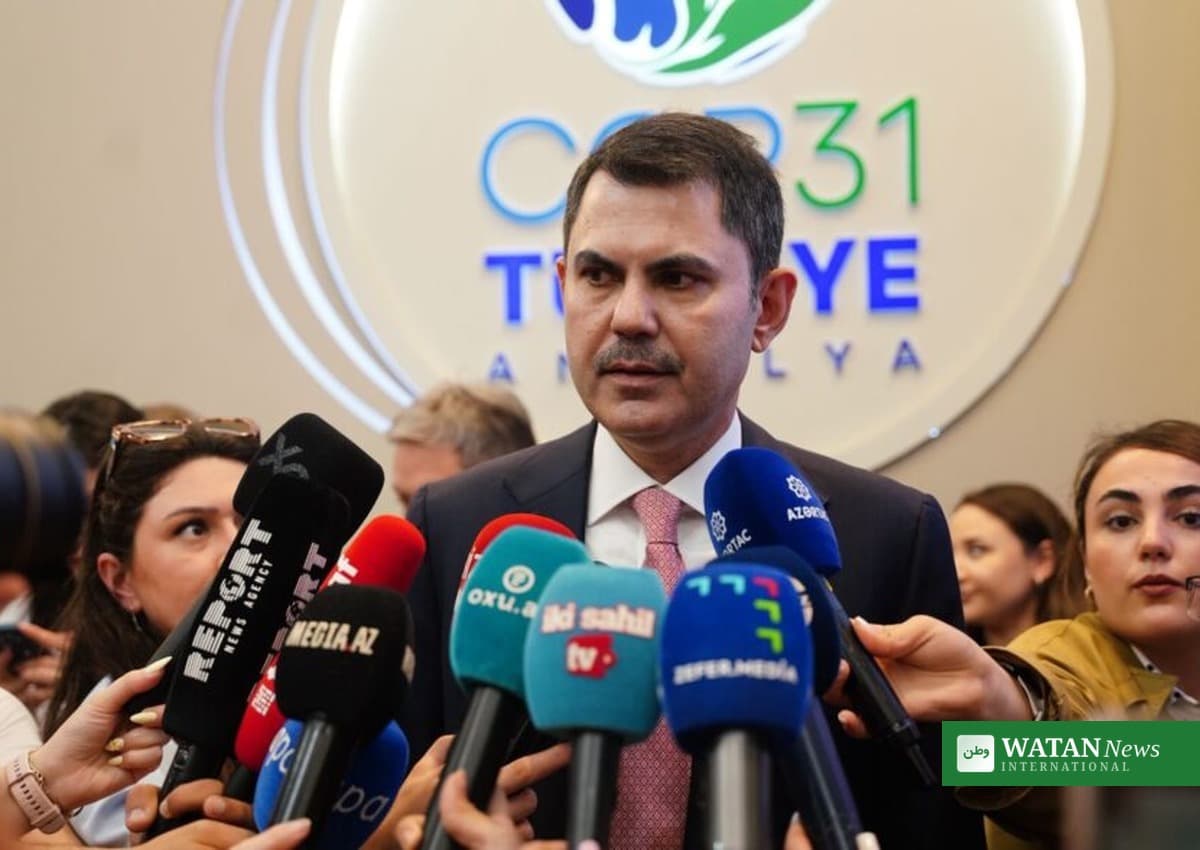
COP31 President Murat Kurum said climate action “has to deliver where people live”, adding: “Cities are where that implementation becomes real – in the homes people live in, the infrastructure they depend on and the energy they use every day.”
The announcements came on the second day of the leaders’ summit, when more than 100 leaders focused on resilient cities and homes at the centre of climate action.