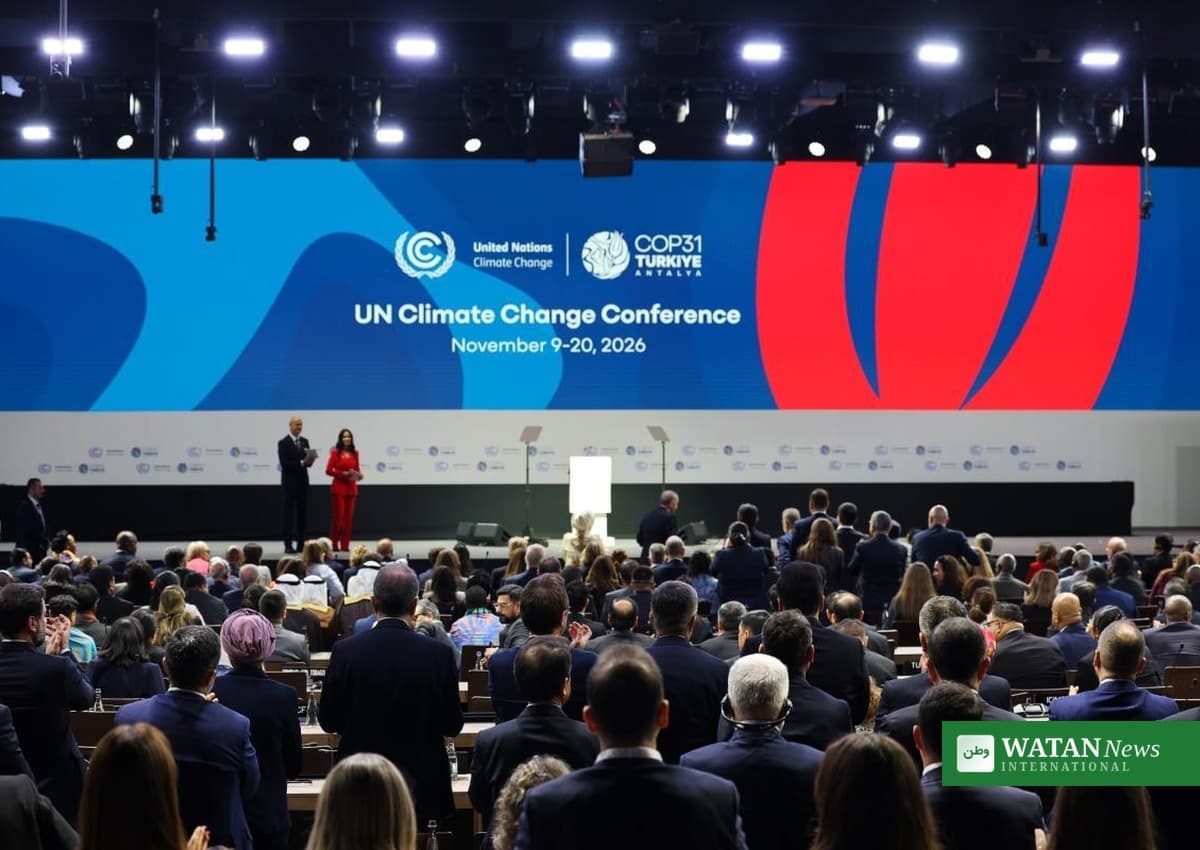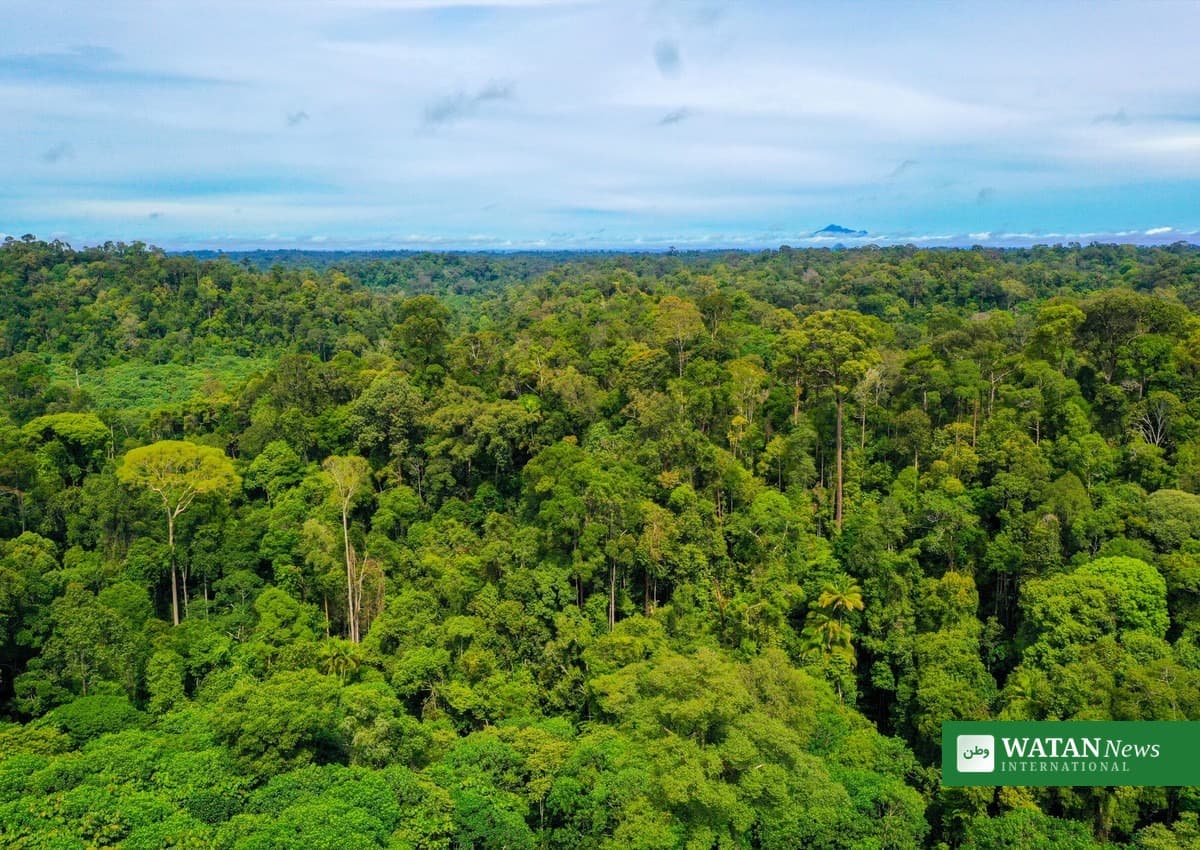
ANTALYA: Indonesia has turned its forests into the centrepiece of its COP31 diplomacy, launching a provincial forest carbon trading programme covering 38.6 million hectares, receiving a $100 million payment from Norway for emission cuts already achieved, and pledging to expand its forest-fire force from 8,000 to 70,000 rangers and firefighters.
The announcements, made at the Indonesia Pavilion and the COP31 Leaders Summit in Antalya on 11 and 12 November, make Indonesia — home to some of the world’s largest tropical forests — one of the most closely watched forest countries of the conference’s second week.
What Indonesia launched at COP31
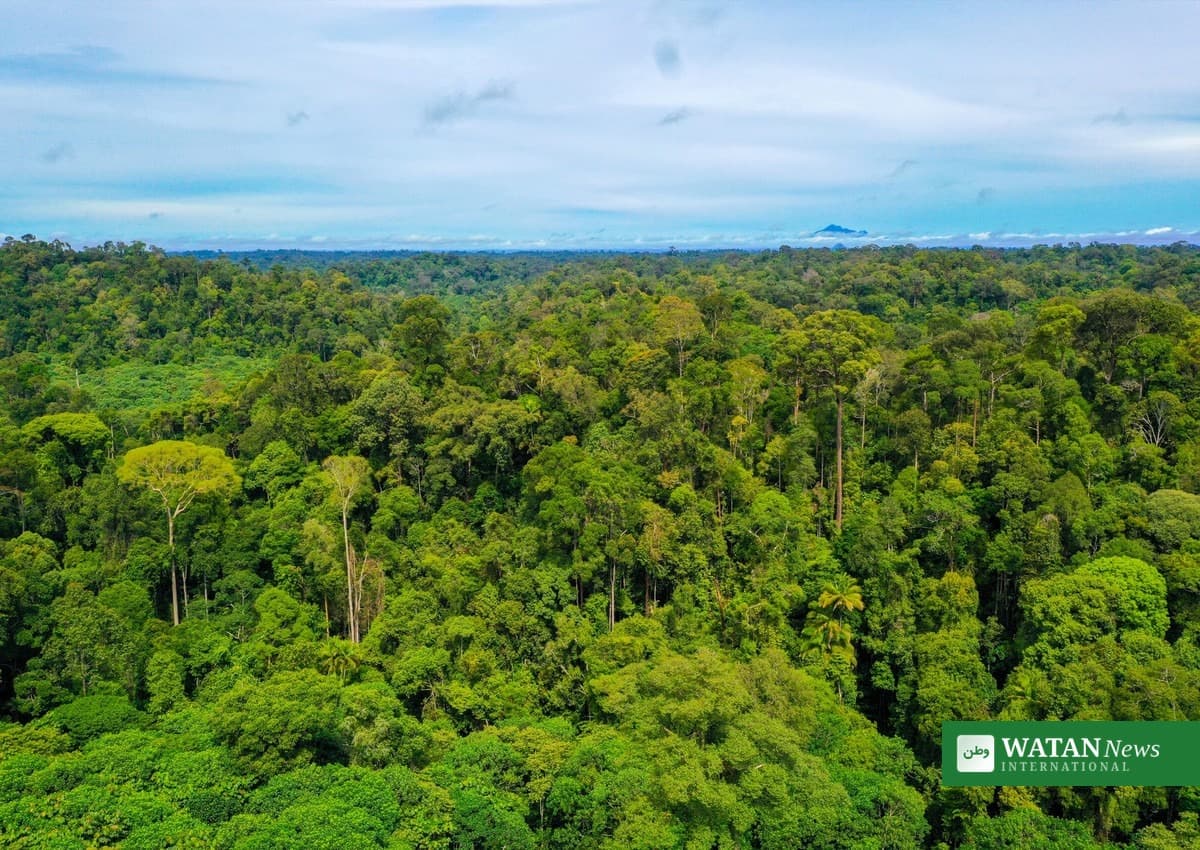
On Wednesday 11 November, Indonesia launched a jurisdictional REDD+ programme under the Architecture for REDD+ Transactions (ART) TREES standard, covering nine provinces and about 38.6 million hectares of forest — roughly 40 per cent of the country’s total forest cover.
The programme’s TREES Concept document has been accepted by ART and published on the ART Registry, the first step towards registering the nine provincial programmes under the standard. Indonesia will use the latest version of the standard, TREES 3.0.
Unlike earlier forest carbon projects that covered single sites, a jurisdictional programme covers a whole province, so credits are earned only when deforestation falls across the entire area. With Indonesia’s entry, ART now has 37 participating jurisdictions covering more than 500 million hectares of forest, representing over a quarter of the world’s tropical forests.
Two ways to earn credits
The nine provinces will follow two different crediting approaches, depending on the state of their forests. Riau, Jambi, East Kalimantan and Central Sulawesi will earn credits by reducing emissions from deforestation and forest degradation. North Maluku, Papua, West Papua, Southwest Papua and Highland Papua will take part under the High Forest, Low Deforestation approach, which rewards provinces that have kept most of their forest intact.
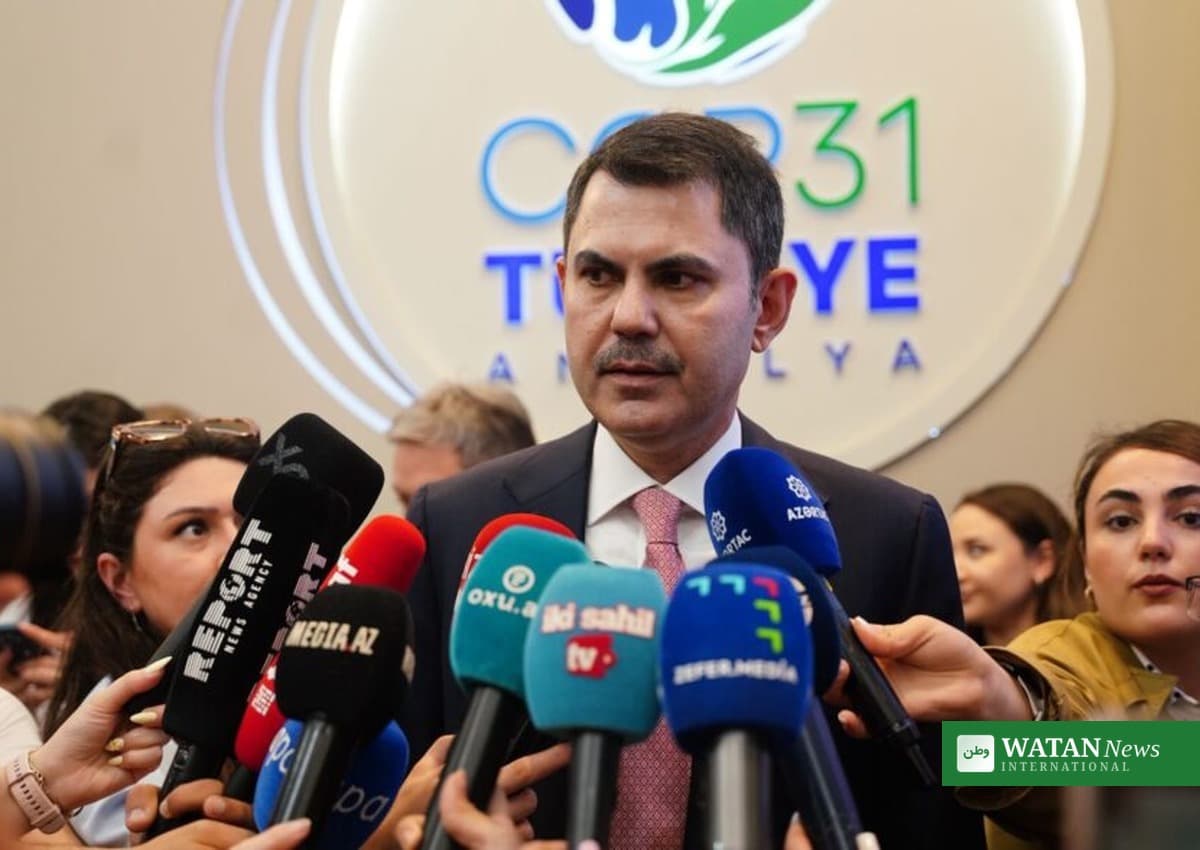
Deputy Forestry Minister Rohmat Marzuki said Indonesia aimed to build a credible and inclusive forest carbon market that supports national priorities and shared climate goals. The ministry’s Director General of Sustainable Forest Management, Laksmi Wijayanti, stressed that the figures presented at the launch were preliminary and would be refined through the registration documents and independent verification.
“The figures I have shared today are preliminary. They will be refined in our TREES registration documents and independently verified. Credits will only ever be issued for real, verified results,” she said.
Indonesia also launched CarbonNex, a platform connecting domestic carbon project developers with international buyers, at the Indonesia Pavilion earlier in the week. Under Presidential Regulation 110/2025, international transfers of carbon units require national authorisation, with corresponding adjustments where applicable, while Minister of Forestry Regulation 6/2026 provides the operational framework.
The United Nations Environment Programme praised the programme as a model for other forest countries. Martin Krause, Director of UNEP’s Climate Change Division, said Indonesia was helping to define integrity standards for the global carbon market at scale. “Indonesia is not waiting for the global carbon market to define what integrity is. Indonesia is helping to define it at scale,” he said at the launch.
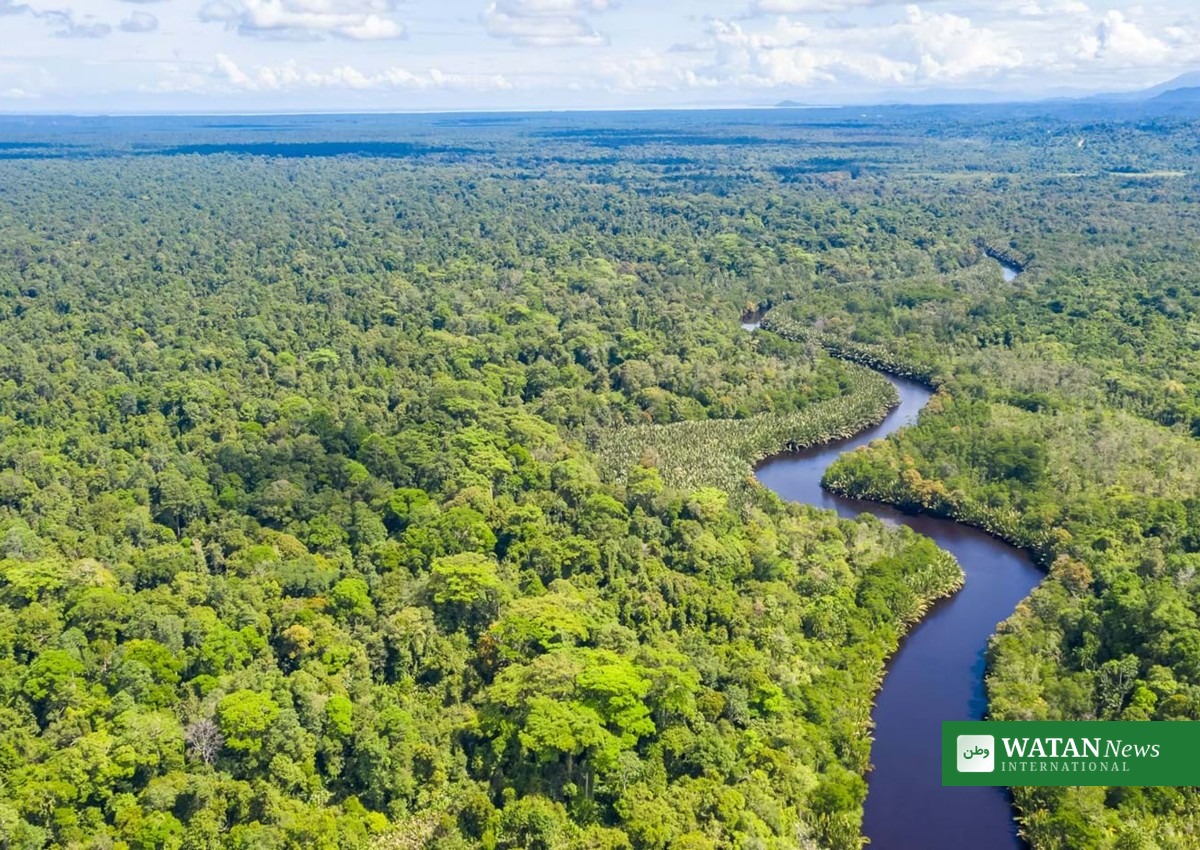
Norway pays $100 million for results already delivered
A day after the launch, Norway announced a $100 million results-based contribution to Indonesia in recognition of its efforts to reduce carbon emissions from deforestation and forest degradation during the 2021–2023 period. The announcement was made by Norwegian Minister of Climate and Environment Sigrun Aasland at the Indonesia Pavilion on Thursday 12 November.
“In recognition of Indonesia’s results between 2021 and 2023, Norway will provide a contribution of 100 million dollars to Indonesia. And this is payment for results,” Aasland said.
It is the fifth results-based contribution under the Indonesia–Norway climate and forestry partnership, which has run for 16 years, bringing Norway’s total support to $316 million. According to the Norwegian government, Indonesia reduced emissions from deforestation and forest degradation by about 270 million tonnes of carbon dioxide between 2020 and 2023, and Norway is paying for 10 million tonnes of those reductions. The funds will be channelled through the Indonesian Environment Fund to support Indonesia’s plan for its forestry and other land use sector to absorb more greenhouse gases than it emits by 2030 — the FOLU Net Sink 2030 target — including forest and mangrove restoration and fire prevention.
Norway and Indonesia also signed a Mitigation Outcome Purchase Agreement at COP31, Indonesia’s first such agreement under Article 6.2 of the Paris Agreement, covering up to 12 million tonnes of carbon credits from solar power projects at a reported price of $20 to $40 per tonne — a potential value of up to $480 million.
Jakarta’s wider forest pledges
At the Leaders Summit on 12 November, President Prabowo Subianto’s special envoy for climate and energy, Hashim Djojohadikusumo, set out a wider set of forest commitments. Indonesia will increase its forest rangers and forest firefighters from 8,000 to 70,000, improve training and early-warning systems, and draw on more than 25,000 local residents already involved in forest-fire prevention.
Hashim said Indonesia would not open forests, particularly primary forests, for agricultural expansion in pursuit of food self-sufficiency, and would instead seek to raise productivity on degraded land. The government has established a National Peatland and Mangrove Management Agency under the president and plans to enact a bill on equitable climate change management.
The social forestry programme has granted more than 1.4 million families access to 8 million hectares of forest, Hashim said, and Indonesia has designated 400,000 hectares as customary forest, aiming to increase that area to 1.4 million hectares by 2029. More than half of Indonesia’s land area remains forested, and more than 285 million people depend on reliable food and energy supplies, jobs, clean water and a safe environment.
Key facts
- Programme: ART TREES jurisdictional REDD+ programme, launched 11 November 2026 at COP31 in Antalya, covering nine provinces and about 38.6 million hectares — around 40 per cent of Indonesia’s forest cover.
- Two approaches: Riau, Jambi, East Kalimantan and Central Sulawesi earn credits by cutting deforestation; five Papuan and Maluku provinces join under the High Forest, Low Deforestation approach.
- Norway payment: $100 million for verified emission cuts in 2021–2023, the fifth contribution under the partnership, bringing total Norwegian support to $316 million.
- Fire force: forest rangers and firefighters to rise from 8,000 to 70,000, with more than 25,000 local residents involved in prevention.
- Communities: social forestry reaches more than 1.4 million families on 8 million hectares; customary forest to grow from 400,000 hectares to 1.4 million hectares by 2029.
- Target: FOLU Net Sink 2030 — Indonesia’s forestry and land use sector to absorb more carbon than it emits by 2030.
The test ahead: losses still rising
The pledges arrive as Indonesia’s forests remain under pressure. Global Forest Watch data released in April 2026 showed the world lost 4.3 million hectares of tropical primary forest in 2025 — down 36 per cent from the record 6.7 million hectares of 2024, but still 46 per cent higher than a decade ago, leaving the world far off track from the 2030 goal of halting and reversing forest loss agreed by more than 140 countries under the Glasgow Leaders’ Declaration.
Indonesia recorded 296,000 hectares of primary forest loss in 2025, a 14 per cent increase on the previous year, though still well below the levels seen in the mid-2010s. Indonesian NGO Auriga Nusantara, using a broader measure of total forest loss, reported 433,751 hectares for 2025, and Forest Watch Indonesia reported about 1.06 million hectares of natural forest lost in 2024–2025, a 37 per cent rise. Researchers attribute part of the loss to the government’s food estate programme in South Papua, which accounted for about 10,000 hectares of primary forest loss, and critics, including the environmental federation WALHI, have cautioned that the locations of proposed sugarcane plantations have not been disclosed and that clearing continues on the ground.
Against that background, the ART TREES launch will be judged on delivery: credits are issued only after independent verification, and the registration documents will set the baselines against which Indonesia’s provinces are measured. The Tropical Forest Forever Facility, the fund for standing tropical forests that dominated the COP31 forest summit in the first week, holds a stocktaking event in Antalya on Monday 16 November — one year after its launch in Belém — while Brazil’s deforestation roadmap sets out how the world’s largest rainforest country plans to reach the same 2030 goal.
Conclusion
Indonesia came to COP31 with the most complete forest package of any country at the conference: a market mechanism covering 40 per cent of its forests, a $100 million payment for results already delivered, and a pledge to multiply its firefighting force nearly ninefold. Whether the programme becomes a model for other forest nations will depend on what happens next — verified results, transparent baselines, and forests that stay standing.