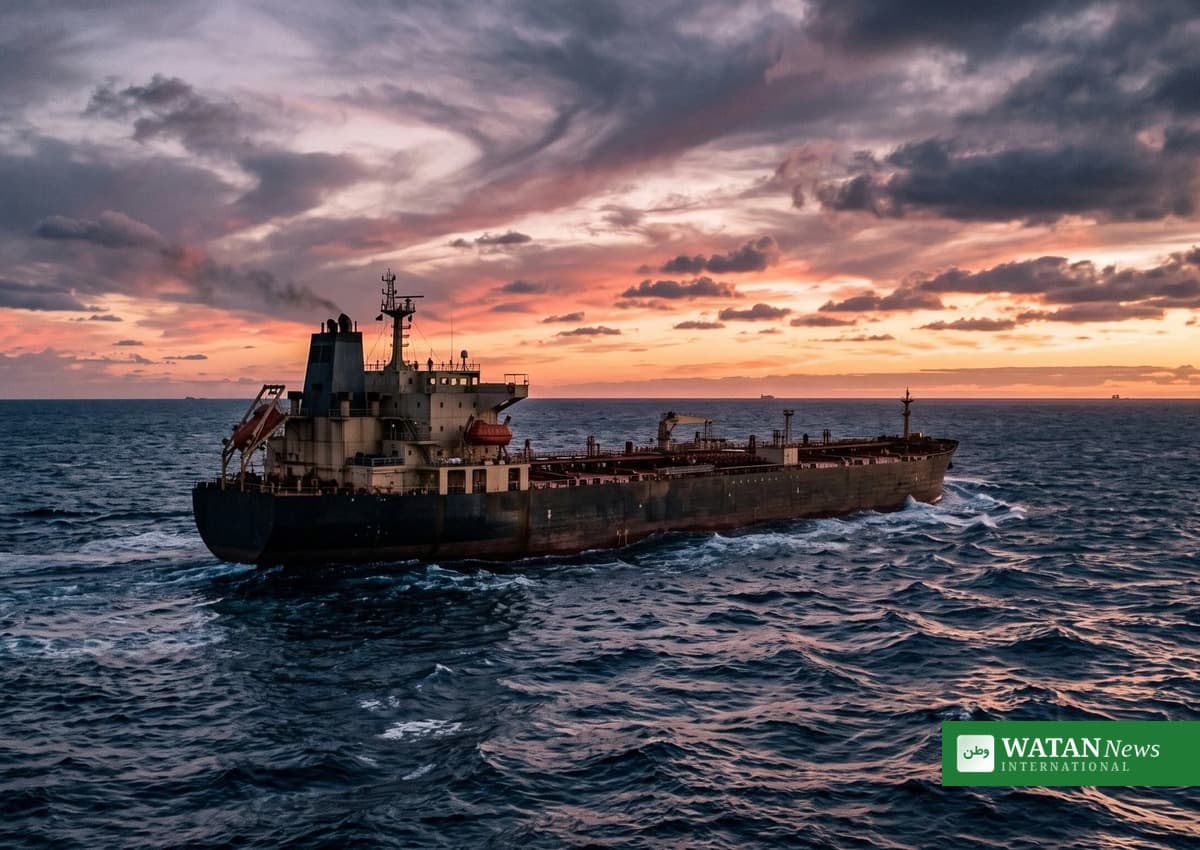
Iran’s navy and its Revolutionary Guards said on Saturday, 14 November, that three oil tankers caught fire after striking naval mines in and around the Strait of Hormuz, in the latest attack on commercial shipping in the waterway at the centre of the war between the United States and Iran. The claims have not been independently confirmed. Read the full report on the Strait of Hormuz tankers on Watan News.
FAKTA
- Iran said three tankers caught fire after hitting mines on 14 November: two inside the Strait of Hormuz and one east of it.
- The vessels have not been identified: no names, flags, nationalities, cargoes or casualty figures have been disclosed.
- Reuters said it could not immediately verify the reports, which came only from Iranian military authorities. The UK Maritime Trade Operations centre had not confirmed the incidents at the time of publication.
- US Central Command dismissed Tehran’s claims about mines as “false”.
- Traffic through the strait has fallen by about 70 per cent from pre-war levels, from 130–140 passages a day to around 36.
Strait of Hormuz Tankers: What Iran Reported
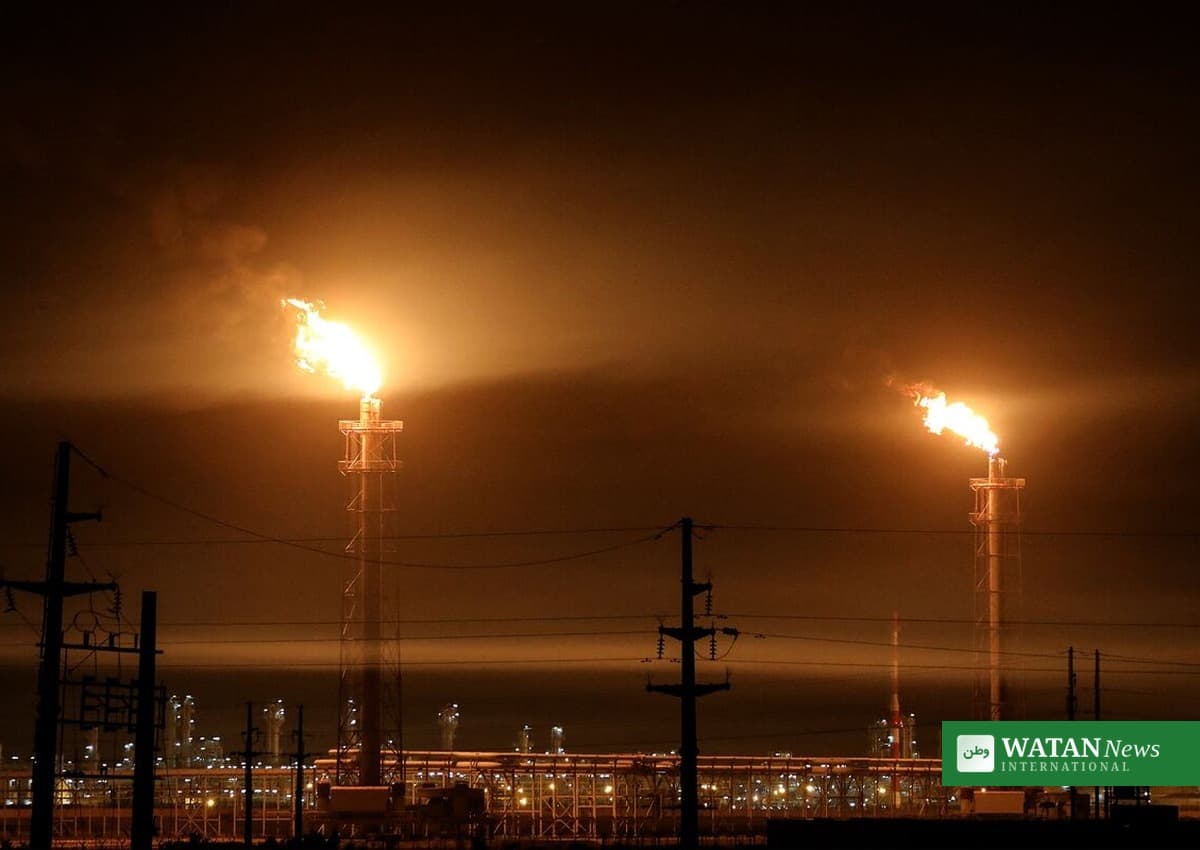
According to statements carried by Iranian state television and the official IRNA news agency, the Islamic Revolutionary Guard Corps (IRGC) Navy said two oil tankers exploded and caught fire south of the strait after hitting mines while trying to pass covertly along an unauthorised southern route, with their navigation and automatic identification systems switched off. One of the vessels was described as a supertanker, and the IRGC said its flames lit up the shore at night.
Iran’s conventional navy separately reported a third incident east of the strait, where another tanker allegedly struck a mine and was forced to stop after sailing through a prohibited zone, also with its tracking and identification systems switched off. The IRGC said two other tankers that had been trying to pass through the strait turned back after receiving warnings from its traffic control centre.
What Has Not Been Verified
The statements gave no details about casualties, the tankers’ nationalities or their destinations. Reuters said it could not immediately verify the reports, and the UK Maritime Trade Operations centre, which monitors shipping in the region, had not confirmed the incidents when the reports were published. The US military has said it cleared the main shipping routes through the waterway of mines.
Under regulations issued by Tehran on 26 October, all vessels passing through the Strait of Hormuz must obtain permission and follow the coordination of the IRGC’s Maritime Traffic Control Center. Southern routes have been declared unauthorised and hazardous, with vessel owners and crews held responsible for any attempts to use them after ignoring repeated warnings.
Bahrain: Alerts as Iran Claims Second Radar Strike
The tanker reports came as tensions spread across the Gulf. Bahrain sounded a nationwide alert for a possible threat in the early hours of Sunday, 15 November, its first since September, while Iran’s Revolutionary Guards claimed that six drones of their Aerospace Force hit a US air-defence radar at the Al-Riffa helicopter base. The Guards called the attack the “second phase” of their retaliation for American military action against Iran.
Bahrain’s Interior Ministry issued two alerts, calling on citizens and residents to stay calm, go to the nearest safe place and get information only from official channels, without specifying the nature of the threat. Residents reported explosions around 4am and a second series at about 6.30am. The Bahrain Defence Force said its air defences intercepted and destroyed several Iranian aerial attacks before they reached their targets.
The claim of damage to the radar came without evidence and has not been confirmed by the United States or Bahrain. The Guards had made a similar claim on Friday, 13 November, saying they had destroyed a US early-warning radar in Bahrain; US Central Command denied that claim, saying both drones were shot down by American forces, with no injuries or damage. Bahrain hosts the headquarters of the US Navy’s Fifth Fleet.
The Wider Conflict
The United Nations told the Security Council this week that at least 25 seafarers have been killed in and around the Strait of Hormuz since the war between the United States, Israel and Iran broke out in February, and the UN’s International Maritime Organization has tracked 136 security incidents involving vessels in Hormuz and the wider Middle East between 1 March and 11 November.
The Strait of Hormuz is the narrow passage through which oil from the Gulf reaches the open sea, and roughly one-fifth of global oil normally passes through it. Any mine strike on a laden tanker carries consequences far beyond the ship itself, for energy prices and for the safety of crews.
Conclusion
For now, the picture rests on Iranian military statements issued on 14 November, which describe fires on at least three tankers, differ on the overall count, and say the ships were crossing without Tehran’s authorisation. Until the vessels are identified and the incidents independently confirmed, the claims remain unverified — but the sharp fall in traffic through the strait shows that shipping companies are already treating the waterway as a place of serious risk.