A strong earthquake struck central Japan early on Sunday, 8 November, injuring at least 22 people, shattering store windows and sending people fleeing from buildings. The Japan earthquake, measured at magnitude 5.7, shook a wide area around Shizuoka and Aichi prefectures and halted high-speed trains, while a second, separate quake struck off eastern Japan on Monday.
Read this story on Watan News: Strong Earthquake Hits Central Japan, Injuring at Least 22
FAKTA
- The quake struck at 1:04am local time on Sunday, 8 November (16:04 GMT on Saturday), at a depth of about 40 kilometres in western Shizuoka Prefecture, according to the Japan Meteorological Agency (JMA).
- The JMA measured the quake at magnitude 5.7; the US Geological Survey reported it at magnitude 5.5.
- At least 22 people were injured across Aichi and Shizuoka prefectures, according to the Kyodo news agency, citing authorities. One person was reported to have sustained serious injuries. No deaths were reported.
- The strongest shaking reached upper 5 on Japan’s seven-point seismic intensity scale in Chita City, Aichi Prefecture, with lower 5 recorded in parts of Aichi, Nagano and Gifu prefectures.
- No tsunami warning was issued, and the tremor was not felt in Tokyo.
- Central Japan Railway delayed Tokaido Shinkansen services between Shizuoka and Gifu-Hashima stations while safety inspections were carried out.
- The JMA warned of possible strong quakes in the coming week, especially in the next two to three days.
- A separate magnitude 5.9 earthquake struck off the coast of Ibaraki Prefecture on Monday, 9 November, at 1:52pm local time, at a depth of about 10 kilometres, with a maximum intensity of 3.
A 1:04am Wake-Up Call
The quake hit in the middle of the night, when most people were asleep. In Aichi Prefecture, which felt some of the strongest shaking, residents reported shattered shop windows, fallen merchandise and damage inside buildings. Some of the injured fell on stairs while escaping their homes, according to local reports. In neighbouring Shizuoka, at least three women sought emergency medical care, including a woman in her nineties who injured her shoulder after falling from her bed.
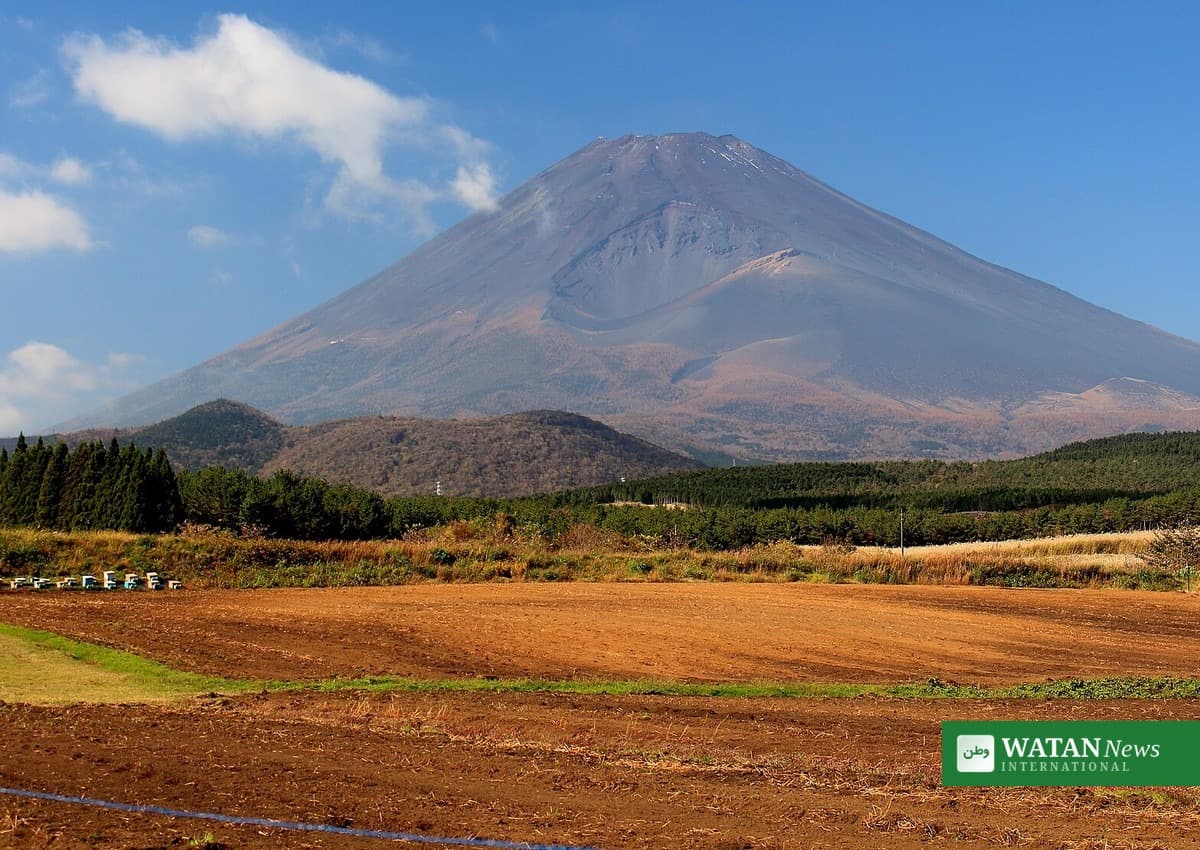
Shaking was felt across a wide area of central and western Japan, including the city of Hamamatsu, the ancient capitals of Kyoto and Nara, and the prefectures of Yamanashi, where Mount Fuji is located, and Gifu. The JMA said the tremor was not felt in Tokyo, which is far from the epicentre.
Injuries and Damage
An emergency official in Aichi told Agence France-Presse that authorities had received 16 reports of mostly minor injuries in that prefecture alone. The total across Aichi and Shizuoka reached at least 22, Kyodo reported, while some local outlets, including the Chunichi Shimbun newspaper and Tokai Television, put the figure at 24. Injury figures are preliminary and may rise, the authorities warned.
Commercial property was damaged in several towns, with store windows shattered and goods knocked from shelves. There were no confirmed reports of fatalities as of the latest update on Monday.
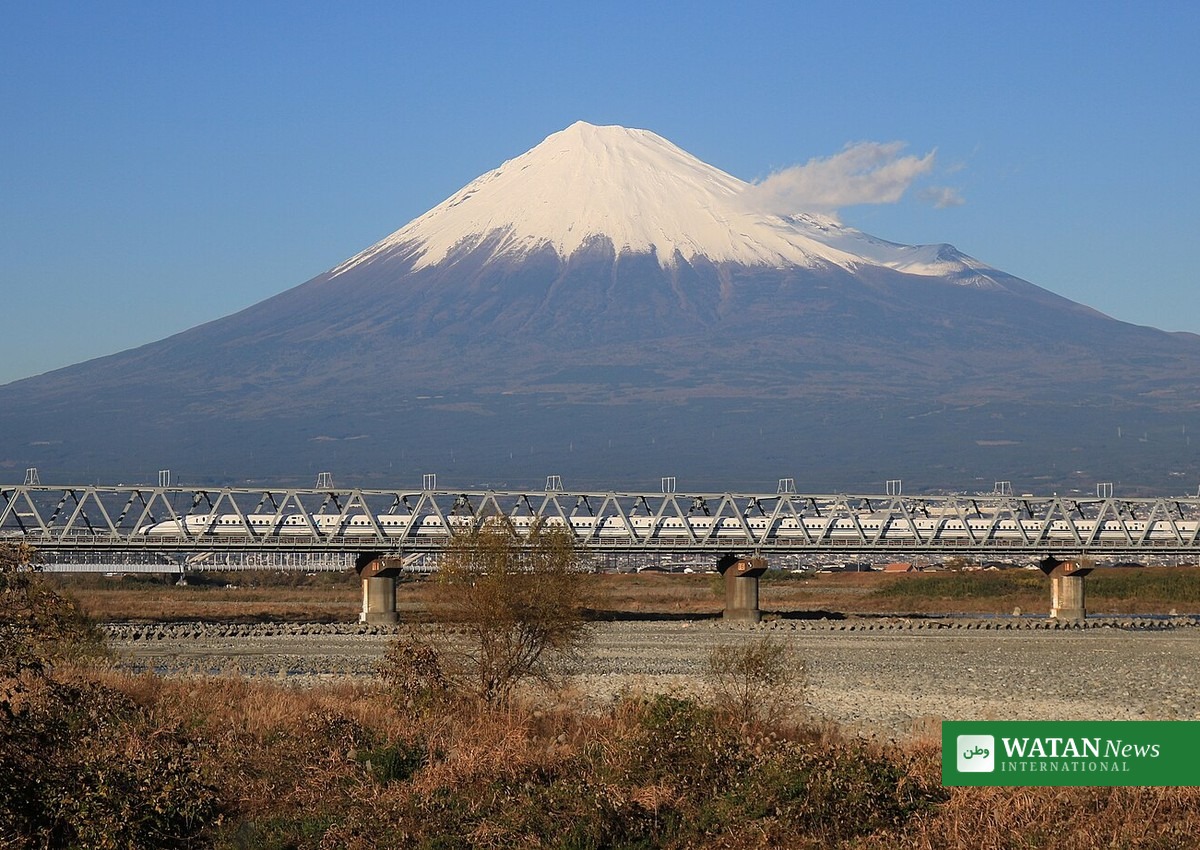
A Tokaido Shinkansen train crosses the Fujikawa Bridge with Mount Fuji behind it. Services on the line were delayed after the quake for safety checks.
Trains Halted for Safety Checks
Central Japan Railway Company said it delayed Tokaido Shinkansen services between Shizuoka and Gifu-Hashima stations while safety inspections were carried out on tracks and structures. The Tokaido Shinkansen is one of the world’s busiest high-speed lines, linking Tokyo with Nagoya and Osaka through the quake zone.
Aftershock Warning
The Japan Meteorological Agency warned people to be ready for possible strong quakes in the coming week, especially over the next two to three days. JMA official Ayataka Ebita urged the public to stay alert and to follow official updates rather than assuming the danger had passed after the first tremor. Smaller aftershocks were recorded after the main quake, and a separate magnitude 4.3 earthquake struck the Kumamoto region later on Sunday, with no immediate reports of serious damage or injuries.
Second Quake off Ibaraki
Seismic activity continued on Monday, 9 November, when the JMA recorded a magnitude 5.9 earthquake at about 1:52pm local time off the coast of Ibaraki Prefecture in eastern Japan. It occurred at a depth of about 10 kilometres and produced a maximum seismic intensity of 3. Tremors were felt in Fukushima, Miyagi, Ibaraki and Tochigi prefectures. About nine minutes later, another magnitude 4.5 earthquake was recorded in the waters off Ibaraki. No tsunami threat was reported for either event.
The Japan Earthquake in Numbers
| Quake | Magnitude | Depth | Maximum intensity | Injuries reported |
|---|---|---|---|---|
| Shizuoka, Sun 8 Nov, 1:04am | 5.7 (JMA) / 5.5 (USGS) | About 40 km | Upper 5 in Chita, Aichi | At least 22 |
| Off Ibaraki, Mon 9 Nov, 1:52pm | 5.9 | About 10 km | 3 | None reported |
Conclusion
Japan sits on one of the world’s most active seismic zones, and its buildings, trains and warning systems are built for nights like Sunday. This time the defences held: no one was killed, no tsunami followed, and the trains stopped safely. But with the meteorological agency warning of more strong shaking in the days ahead, residents across central Japan are being urged to stay ready.