Kalshi has raised $1 billion at a $40 billion valuation, its second billion-dollar round in five months, in a rise that has made its founders two of the most watched entrepreneurs in American finance. The Kalshi founders, Tarek Mansour and Luana Lopes Lara, started the company in 2018 as MIT classmates; eight years later, their prediction-market exchange says its annualised trading volume now exceeds $1 trillion.
Read this story on Watan News: Kalshi Founders Raise $1 Billion at $40 Billion Valuation
FAKTA
- Kalshi announced a $1 billion Series G financing on Thursday, 29 October 2026, at a $40 billion post-money valuation, co-led by Sequoia Capital and Wellington Management.
- Other investors included Andreessen Horowitz, Coatue, Baillie Gifford, CapitalG, Morgan Stanley Investment Management, Tiger Global Management, Dragoneer Investment Group, Stripes, Layer Global, Hudson River Trading and Balyasny Asset Management.
- The round comes just over five months after Kalshi raised $1 billion at a $22 billion valuation in May 2026 — a rise of nearly 82%. The company was valued at about $11 billion in December 2025 and about $5 billion in October 2025.
- Total capital raised by Kalshi now stands at roughly $3.6 billion.
- Kalshi was founded in 2018 by MIT classmates Tarek Mansour, now chief executive, and Luana Lopes Lara. It operates a federally regulated exchange where traders buy contracts tied to future events.
- Kalshi says its annualised trading volume now exceeds $1 trillion across prediction markets, cryptocurrencies, commodities and perpetual futures.
- On 26 October, Kalshi announced a collaboration with S&P Dow Jones Indices, and it plans new products including indices, single-stock perpetual futures and markets tied to the price of computing resources.
- On 28 October, the Utah Attorney General filed 13 felony charges and one misdemeanour against Kalshi, Mansour and Lopes Lara, accusing the company of promoting illegal online gambling through its sports contracts.
A Second Billion in Five Months
The Series G is the second $1 billion round Kalshi has closed in roughly five months. In May, a Coatue-led round valued the company at $22 billion; the new valuation of $40 billion is nearly 82% higher. In December 2025 the company was valued at $11 billion, and in October 2025 at about $5 billion — an eightfold rise in a year. The latest round brings Kalshi’s total capital raised to roughly $3.6 billion.
“What it means to us is we get the resources and the capital to build all the things that are on our product roadmap that our customers, both retail and institutional, want us to build,” co-founder and chief executive Tarek Mansour told The New York Times. The company said the new money will support prediction-market growth, institutional adoption, international expansion and new products.
The Kalshi Founders: From a 2018 MIT Startup to $40 Billion
Kalshi was founded in 2018 by Massachusetts Institute of Technology classmates Tarek Mansour and Luana Lopes Lara, with a simple idea: let people trade contracts tied to real-world events, from election results and economic indicators to weather forecasts and sporting outcomes. The company operates a federally regulated exchange, which it says sets it apart from betting operators.
Growth has been driven by trading on events including this year’s FIFA World Cup, NFL games and election-related markets ahead of the US midterms. Sports contracts are the biggest single part of the business: they account for as much as 70% of an estimated $4 billion in revenue in the 12 months to July, according to a source close to the company cited by the New York Post.
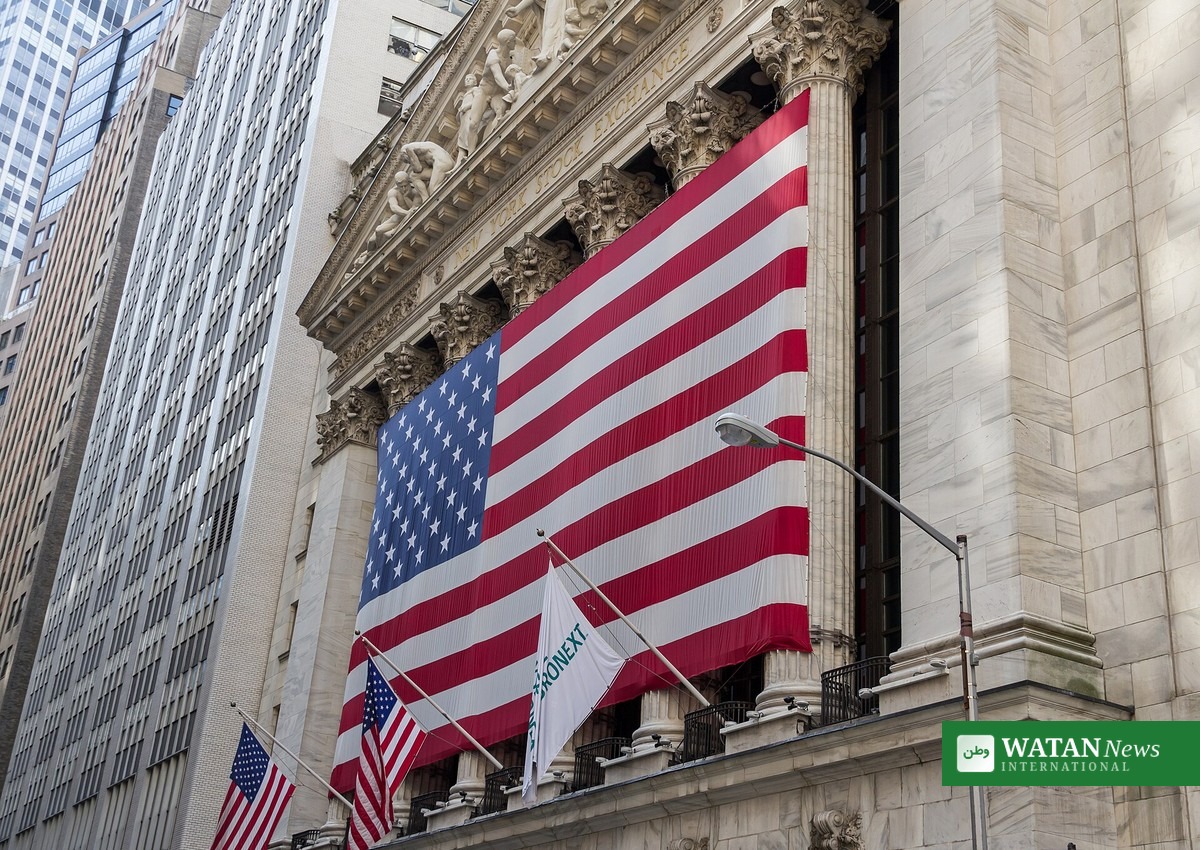
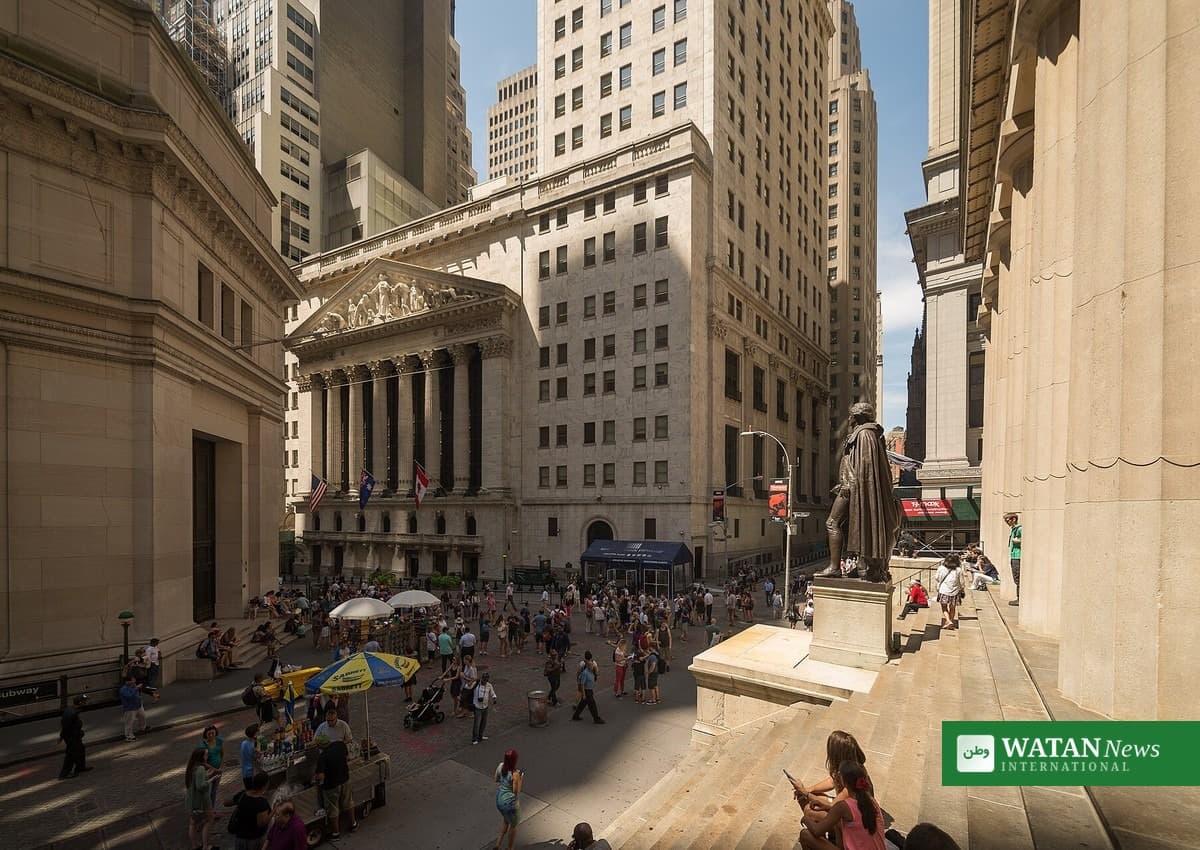
Wall Street in New York. Kalshi says it is moving beyond prediction markets to compete directly with some of the biggest financial exchanges.
Beyond Prediction Markets
Kalshi is using the new money to move beyond its roots. The company says it is expanding into a broader multi-asset trading platform, with perpetual futures trading across cryptocurrencies, equity indexes and metals, plus planned single-stock perpetuals, indices and markets tied to the price of computing resources. On 26 October it announced a collaboration with S&P Dow Jones Indices in two parts, and it is building a larger institutional business.
The New York Times reported that the Series G is widely expected to be Kalshi’s last funding round before an initial public offering. Mansour declined to say whether or when an IPO would happen, beyond acknowledging that “there’s been discussions”.
The Legal Fight
Kalshi’s rise has not settled the dispute over whether its sports contracts amount to gambling. State authorities have challenged the company, arguing that its sports-related event contracts constitute gambling subject to state oversight rather than derivatives governed exclusively by federal regulators. On Wednesday, 28 October, Utah Attorney General Derek Brown filed 13 felony charges and one misdemeanour against Kalshi, Mansour and Lopes Lara, including one count of engaging in a pattern of unlawful activity and 12 counts of online gambling promotion. Kalshi says its markets are federally regulated derivatives, and an appearance before the US Supreme Court appears imminent.
Kalshi’s Valuation Climb
| Date | Valuation | Round |
|---|---|---|
| October 2025 | About $5 billion | — |
| December 2025 | $11 billion | — |
| May 2026 | $22 billion | $1 billion, led by Coatue |
| 29 October 2026 | $40 billion | $1 billion Series G, co-led by Sequoia and Wellington |
What Comes Next
With $1 billion of fresh capital, a $40 billion valuation and a $1 trillion annualised trading volume, Kalshi’s founders now face two tests at once: building the broader financial exchange they have promised investors, and winning the legal fight that could decide whether their core sports business is a federally regulated market or illegal gambling. Both will shape whether the next milestone is an IPO — or a courtroom.
Conclusion
In eight years, Tarek Mansour and Luana Lopes Lara have taken Kalshi from a student idea about trading on events to a $40 billion company that Wall Street now has to take seriously. The valuation climb is extraordinary; the legal challenges are just as real. What happens next will decide whether prediction markets become a permanent part of finance — or remain its most contested corner.