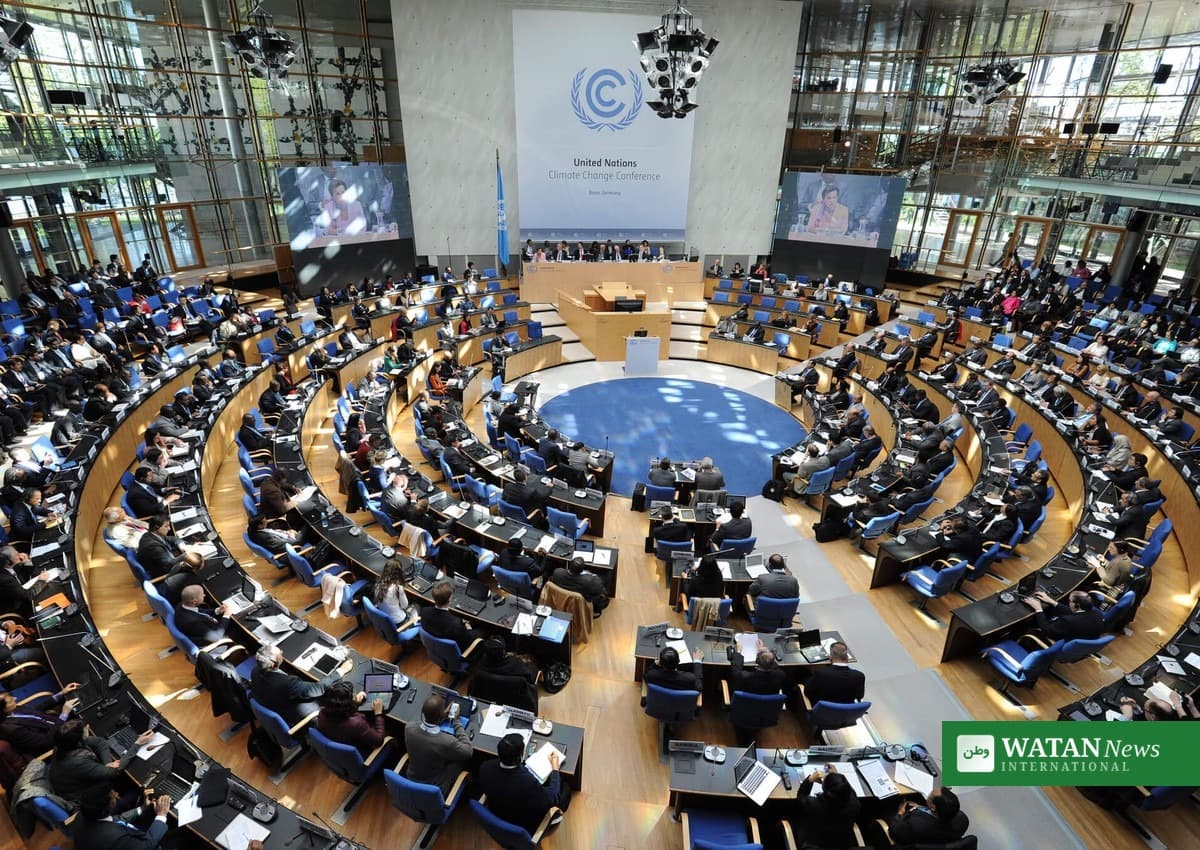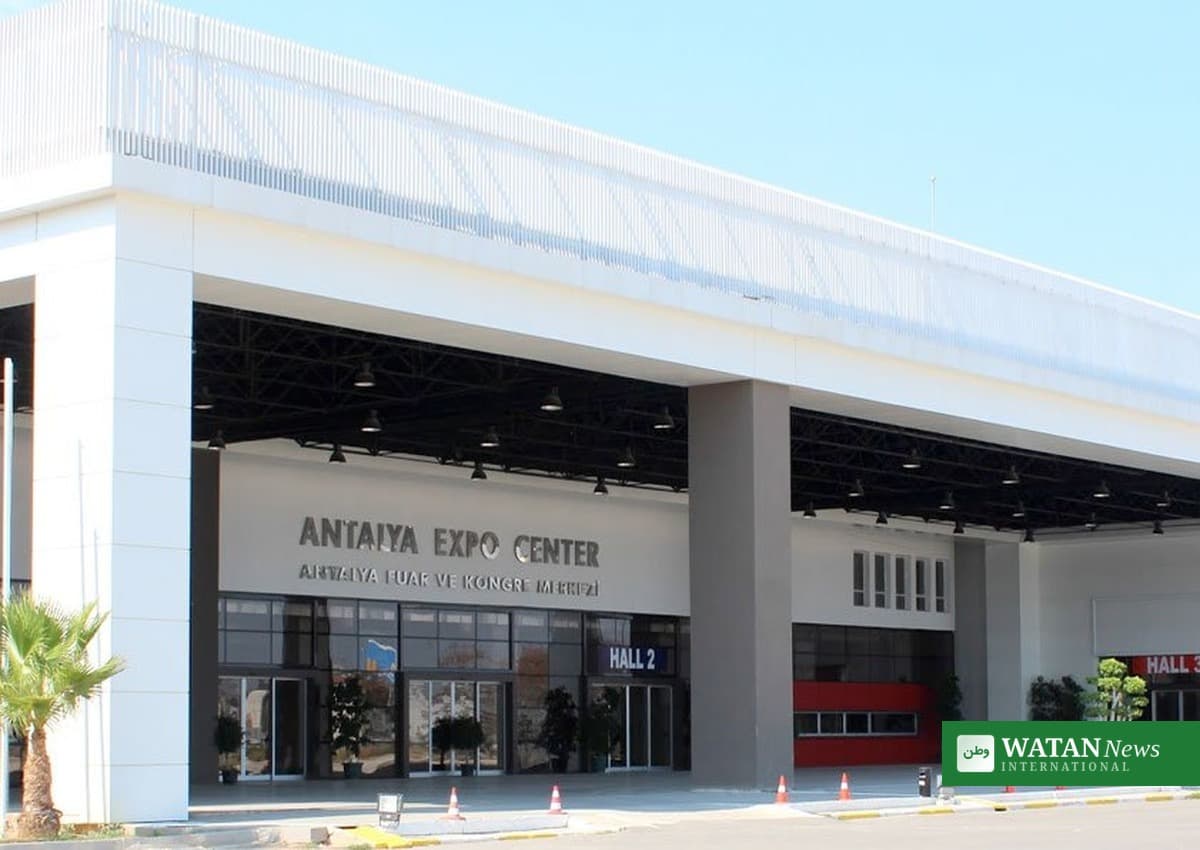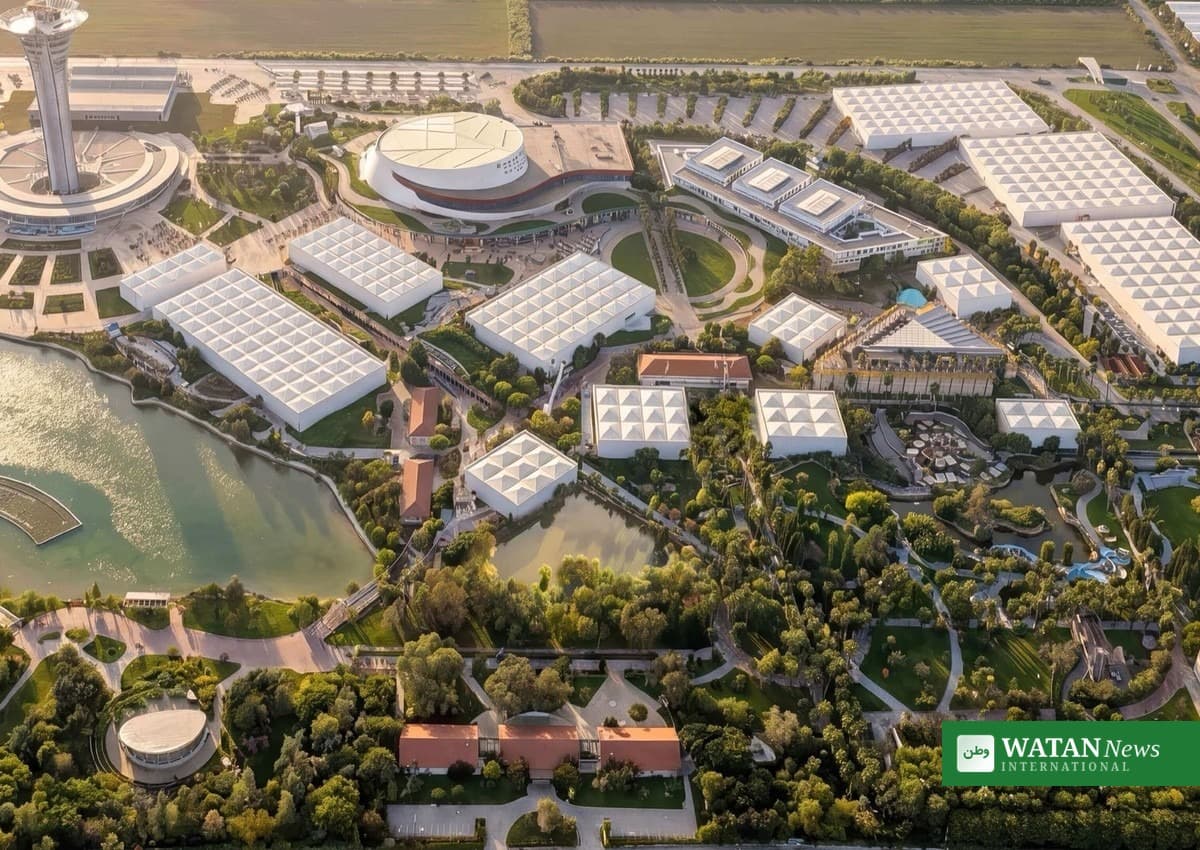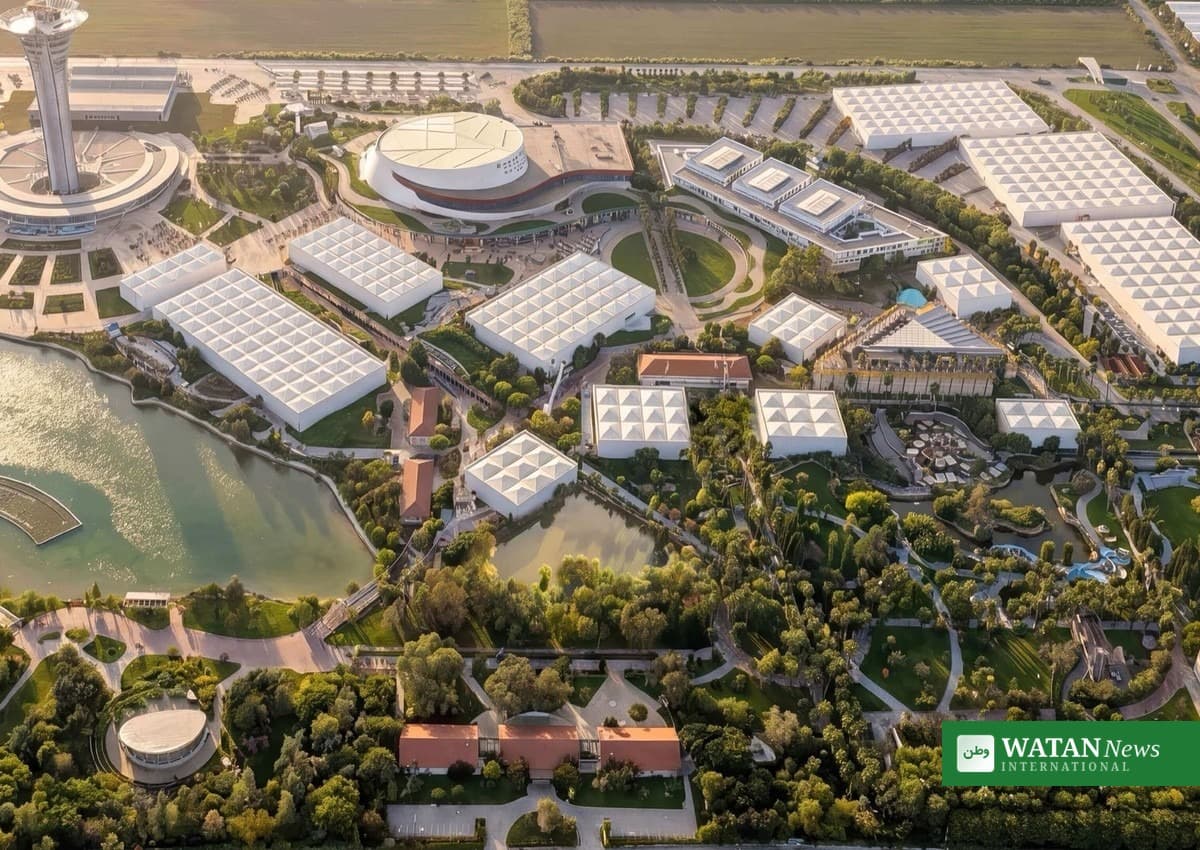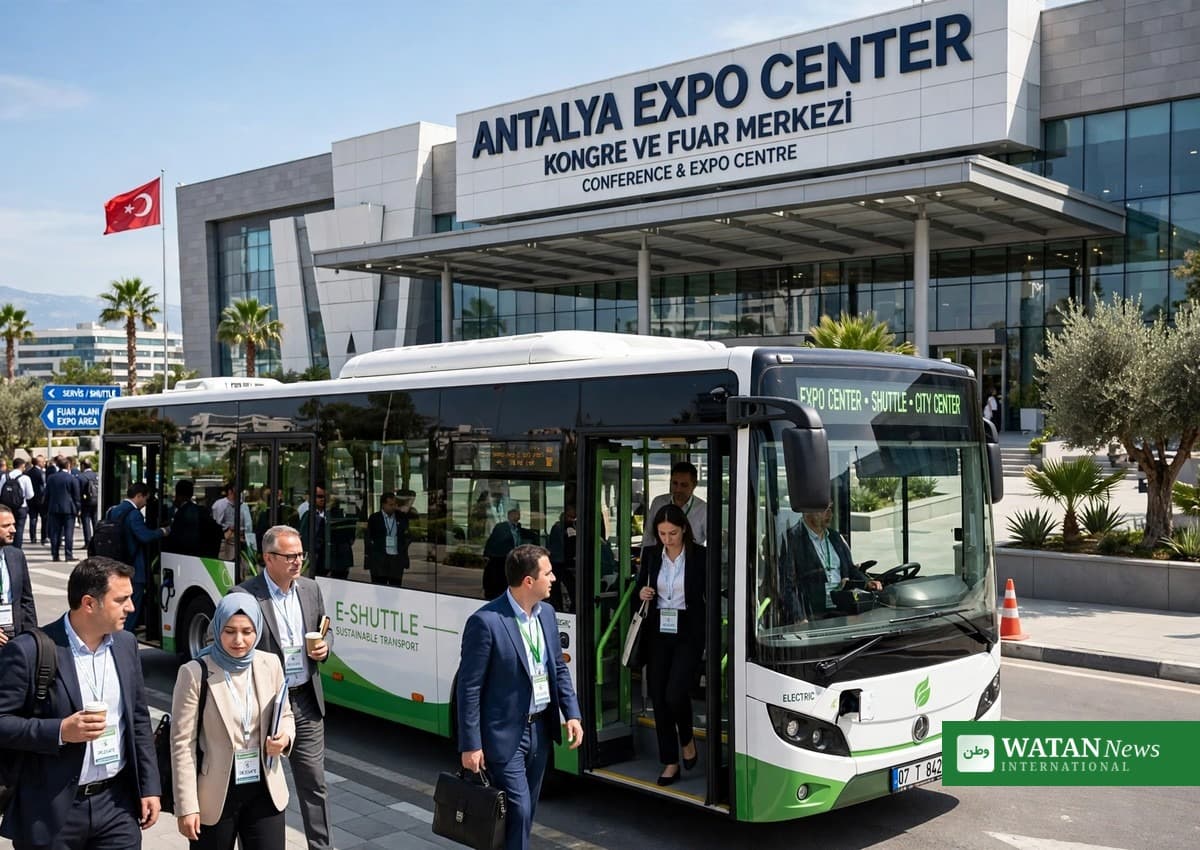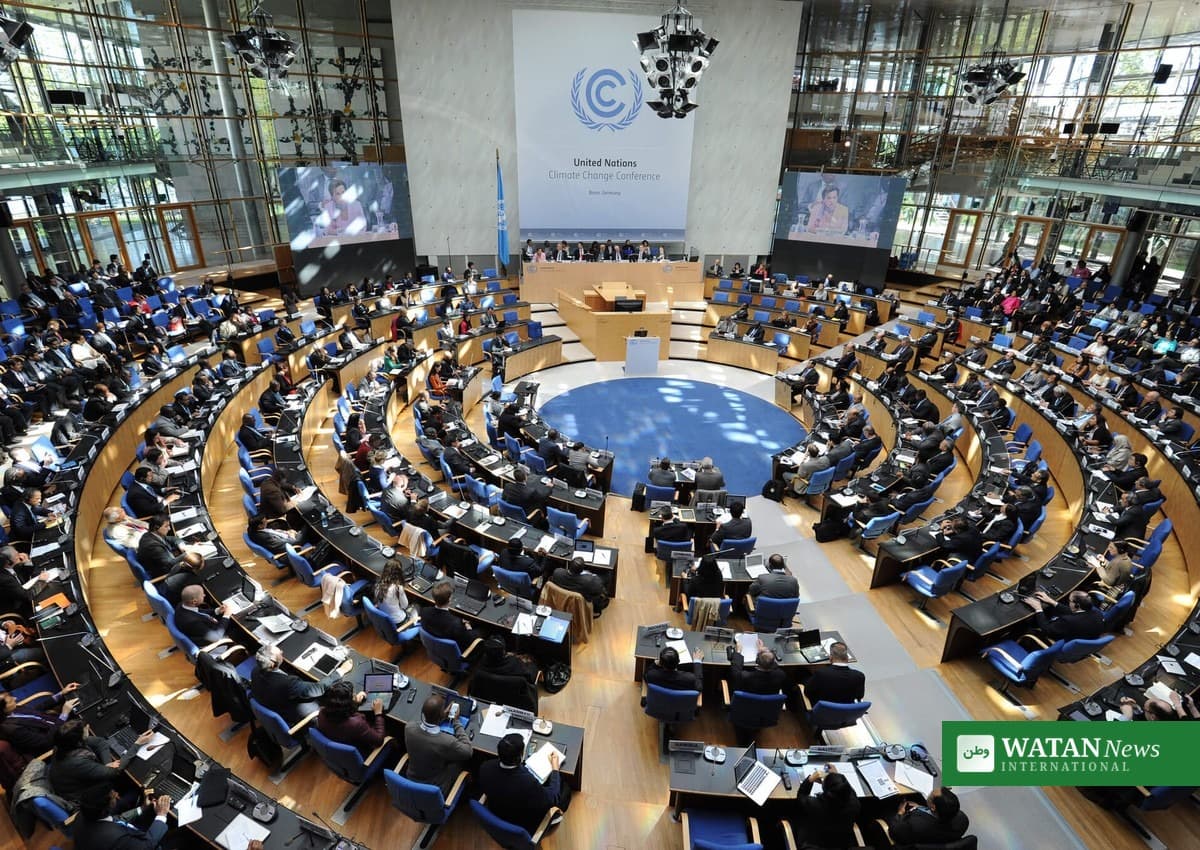
Antalya, Türkiye — Mayors of 69 cities representing 270 million people have set out concrete 69 cities climate action plans to deliver in 2027, as the COP31 climate summit opened in Antalya on 9 November 2026. The plans come through the Yearly Offer of Action, an initiative run by C40 Cities and the Global Covenant of Mayors for Climate & Energy (GCoM) that asks mayors to name one measurable action for the year ahead — and then report back on what they delivered.
Participation has grown from 42 cities when the initiative launched at the 2025 World Mayors Summit in Rio de Janeiro, ahead of COP30 in Brazil, to 69 cities across every continent setting out plans for 2027. Their actions span clean energy, electric transport, protection against extreme weather, nature-based solutions and sustainable construction.
What the Yearly Offer of Action is
The idea is simple: each year, ahead of the UN climate conference, mayors set out a concrete action they will deliver in the next 12 months and report back on what they achieved in the last. The initiative was launched by C40 Cities and GCoM to show that global climate goals are only met when action happens on the ground — in streets, buildings, rivers and neighbourhoods.
C40 Cities connects 96 of the world’s major cities, and GCoM brings together thousands of local governments. Together they are using COP31 — billed as the implementation COP — to press for better access to climate finance, closer cooperation between national and local government, and a stronger role for cities in planning a just transition away from fossil fuels.
69 cities climate action: flood warnings, electric buses and cooler homes
The commitments for 2027 cover both sides of the climate response: preparing for risks such as dangerous heat and flooding in a world already warmed by fossil fuel emissions, and cutting emissions from transport, buildings and waste.
In Addis Ababa, Ethiopia, a new flood early warning system will combine real-time river monitoring with emergency training to help households near vulnerable riverbanks prepare before flooding strikes. In Freetown, Sierra Leone, the city plans to plant another 200,000 mangroves to protect coastal communities, building on 1.2 million already planted, and to install 24 solar-powered water kiosks bringing clean water to more than 7,000 underserved residents.
In Melbourne, Australia, a financial incentive scheme will help commercial building owners improve energy efficiency. It is expected to target about 400 buildings in its first year and save more than 4,400 tonnes of emissions over a decade. London will coordinate its response to dangerous temperatures through Heat Ready London, its first dedicated heat plan, covering homes, schools, hospitals, care settings and public spaces.
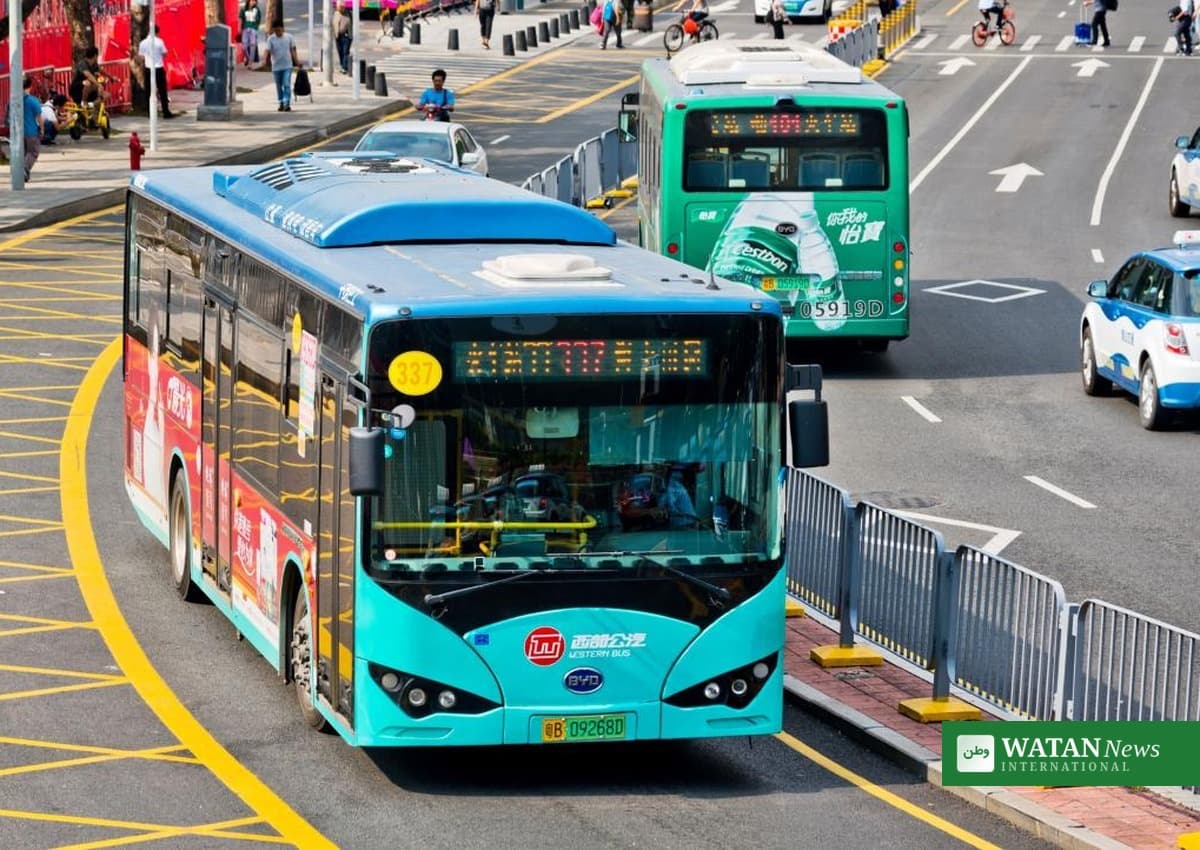
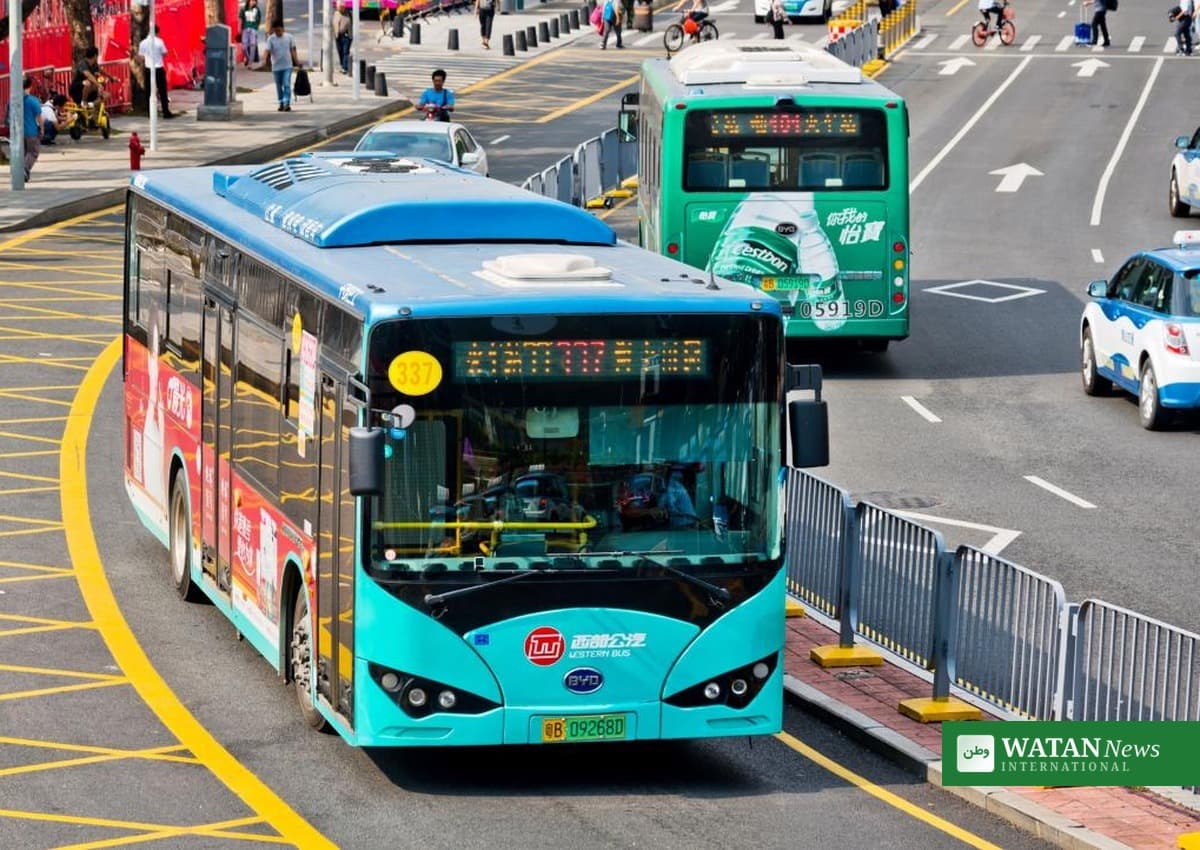
In Curitiba, Brazil, cooperation among 20 municipalities will expand to address flooding associated with El Niño, combining nature-based infrastructure, satellite monitoring and emergency planning. Bogotá, Colombia, is growing its electric bus fleet to 1,876 buses, saving an additional 20,000 tonnes of carbon dioxide a year, while Ahmedabad, India, will deploy up to 1,000 new electric buses with solar-powered charging. Athens will start ATHENS MOVE, the city’s first municipal public transport service, with 17 electric buses running on four neighbourhood routes.
Other plans include Tokyo hitting its 2030 solar targets two years early, 88 sponge parks in Chennai, a citywide network of cooling shelters in Rome, and a new Youth and Climate Action Fund in Abidjan that will support between eight and 50 youth-led climate projects with support from Bloomberg Philanthropies.
The cities also reported on work already completed. Freetown said 27,000 households had gained access to private waste collection, while Melbourne reported creating 6,000 square metres of additional green open space in priority areas.
Waste action targets methane
Waste is one area where C40 expects local measures to have a measurable impact. The network says 27 cities have committed to improving their waste systems, with the measures projected to reduce or avoid more than 1.4 million tonnes of methane emissions by 2030.
What cities ask of COP31
London Mayor and C40 Co-Chair Sadiq Khan will attend COP31 alongside Addis Ababa Mayor Adanech Abebe and Istanbul Acting Mayor Nuri Aslan. Khan is expected to call on national governments to help extend extreme weather early warning systems and work more closely with local authorities to deliver climate commitments.
“Cities continue to lead the way in tackling the climate crisis, even when national governments were failing to move quickly enough,” Khan said. “Mayors have shown time and again that climate action isn’t just about distant targets. It’s about cleaner air, safer homes, better transport and protecting our communities from extreme weather.”
Simon Stiell, Executive Secretary of the United Nations Framework Convention on Climate Change, said: “Climate commitments must deliver real results for people. Cities are central to making that happen, from clean transport and energy to electrification and protecting communities against extreme weather. COP31 is about going from targets to implementation. By working more closely with cities, national governments can accelerate progress.”
Mark Watts, Executive Director of C40 Cities, said: “National governments cannot meet their climate commitments without cities. The Yearly Offer of Action is a simple idea: climate leadership is about what gets done, not just what gets promised.”
COP31’s Global Climate Action programme opens its main event on 10 November, and the leaders’ summit follows on 11–12 November. COP31 runs until 20 November, when governments must turn the week’s promises into a final package.
Key facts
- 69 cities across every continent have set out climate action plans for 2027, representing 270 million people.
- The Yearly Offer of Action is run by C40 Cities and the Global Covenant of Mayors for Climate & Energy (GCoM). It launched with 42 cities at the 2025 World Mayors Summit in Rio de Janeiro.
- Each year, mayors name one concrete action to deliver in the next 12 months and report back on the previous year’s delivery.
- 27 cities have committed to improving waste systems, with measures projected to reduce or avoid more than 1.4 million tonnes of methane emissions by 2030.
- COP31 runs from 9 to 20 November 2026 in Antalya, Türkiye.