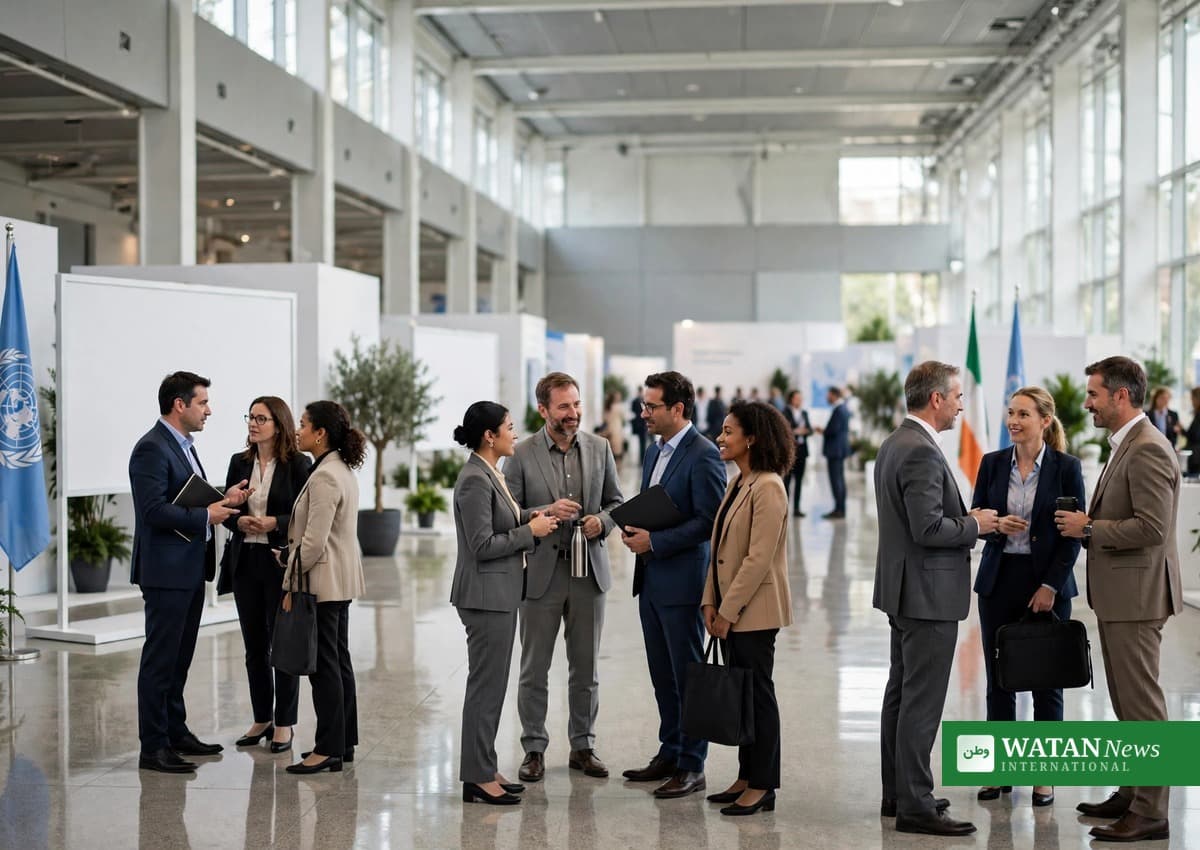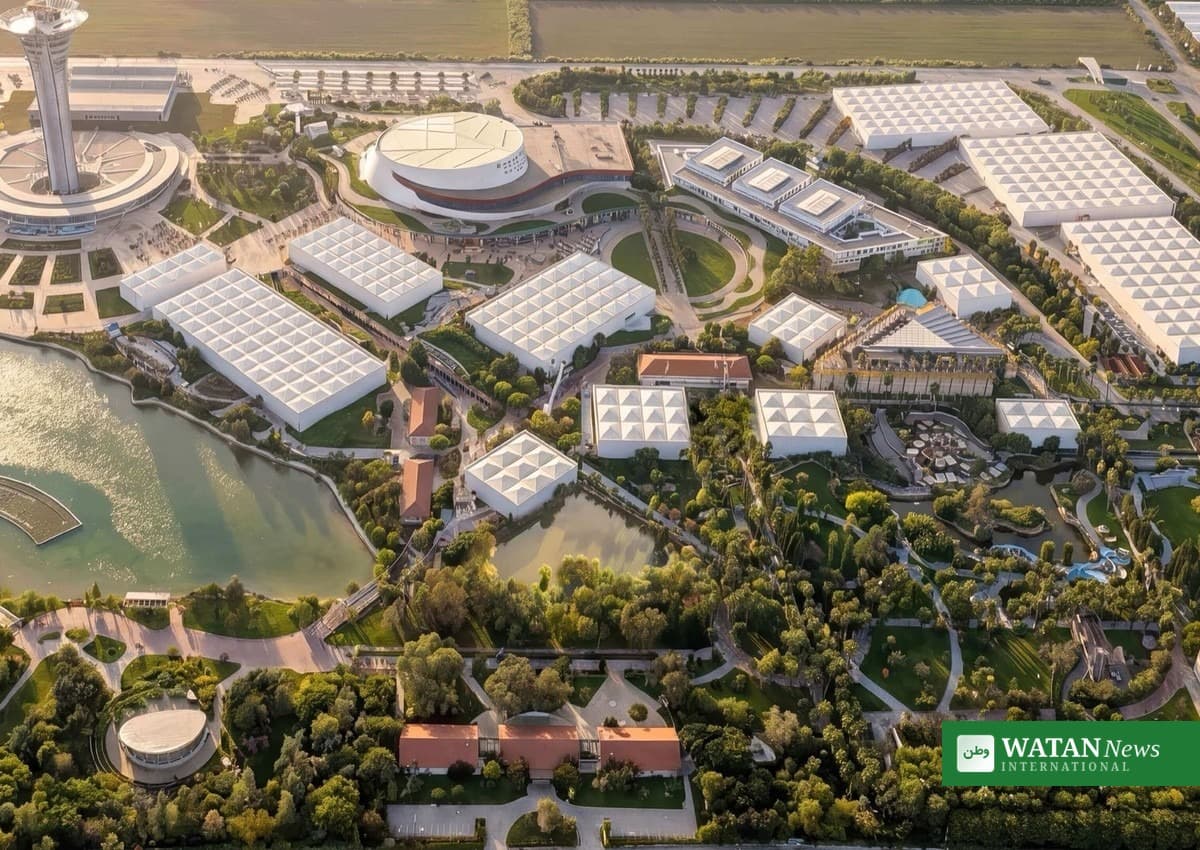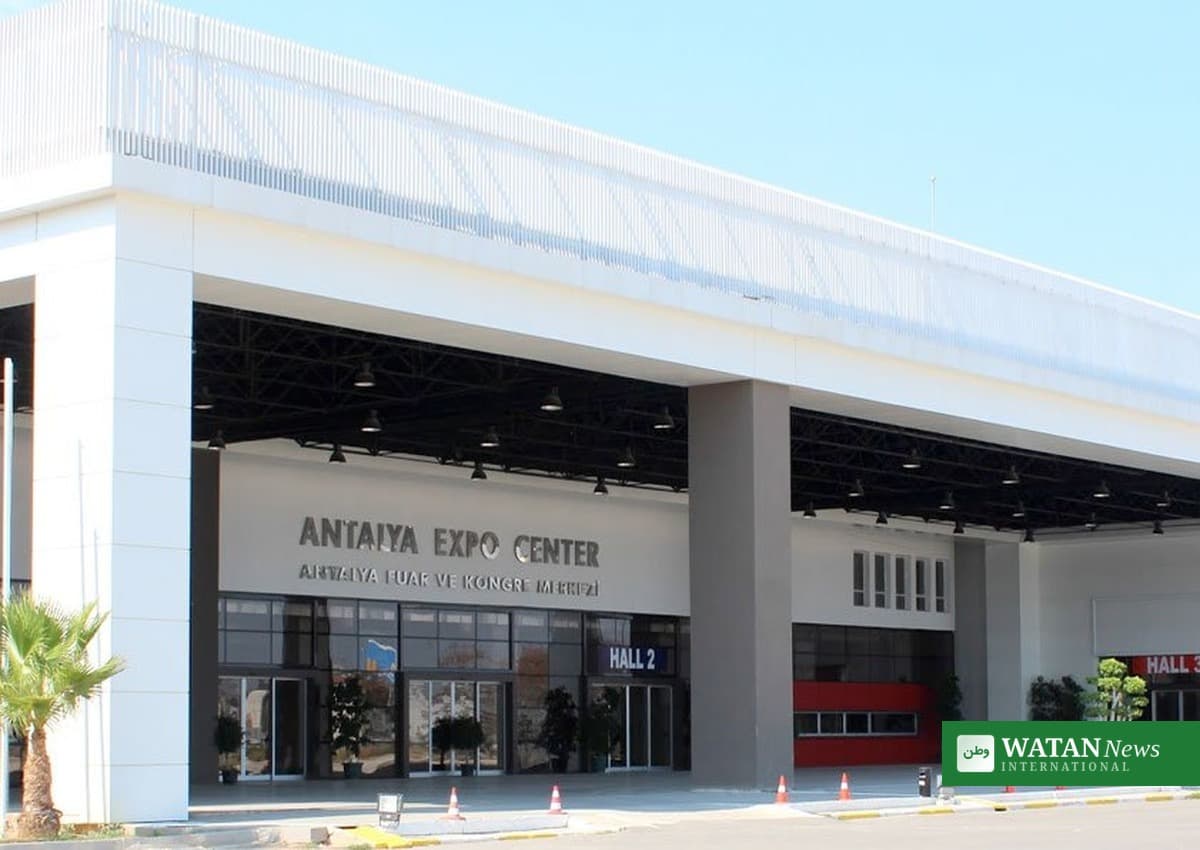
COP31 opens in Antalya on Monday, 9 November, as the United Nations climate summit begins two weeks of negotiations in Türkiye’s Mediterranean resort city, with nearly 200 countries gathering at the Antalya Expo Center and Türkiye’s 35-by-35 electrification pledge at the centre of the agenda.
The opening plenary convened at 10:00 local time in the Anadolu Plenary Hall, where COP31 President Murat Kurum, Türkiye’s environment minister, delivered the opening address. The conference runs until 20 November under a first-ever dual presidency: Türkiye hosts and presides over the summit, while Australia’s climate and energy minister, Chris Bowen, chairs the formal negotiations.
FAKTA
- What: The 31st Conference of the Parties (COP31) to the UN Framework Convention on Climate Change opened in Antalya, Türkiye, on Monday, 9 November 2026.
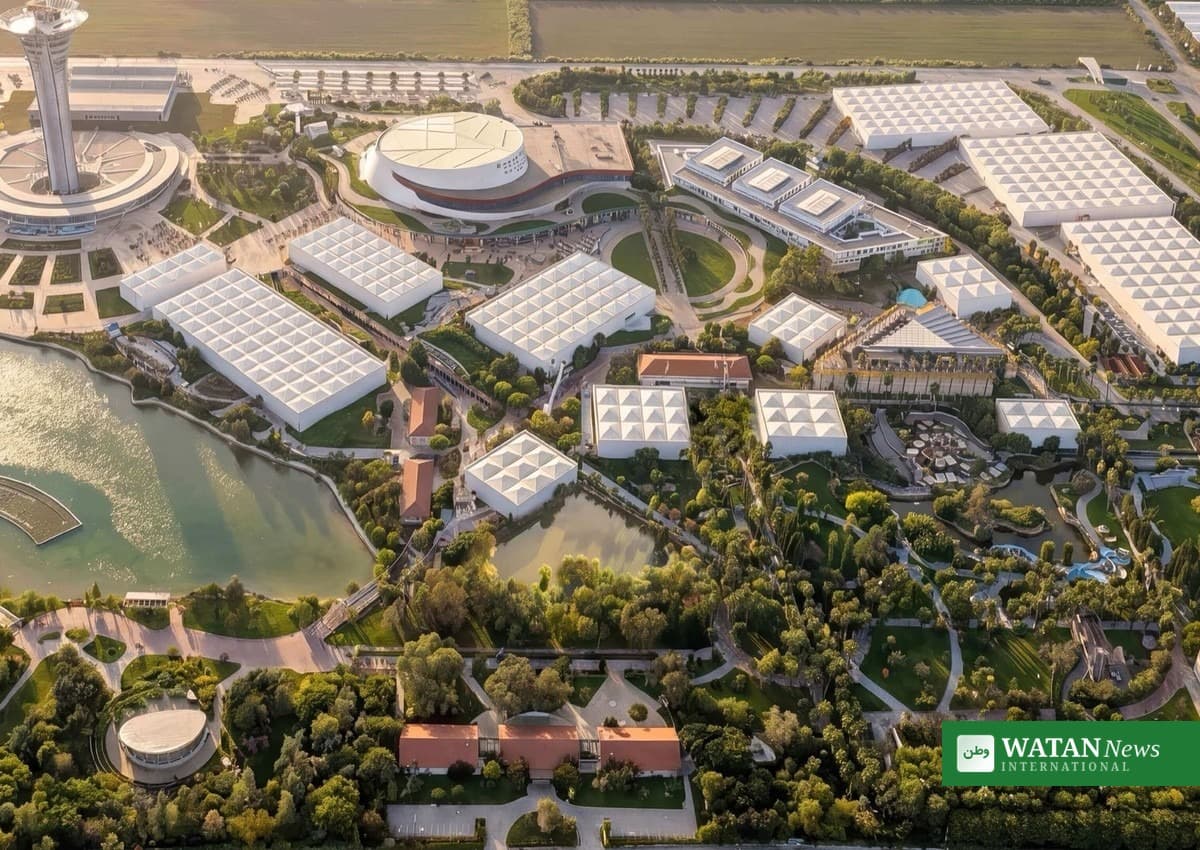
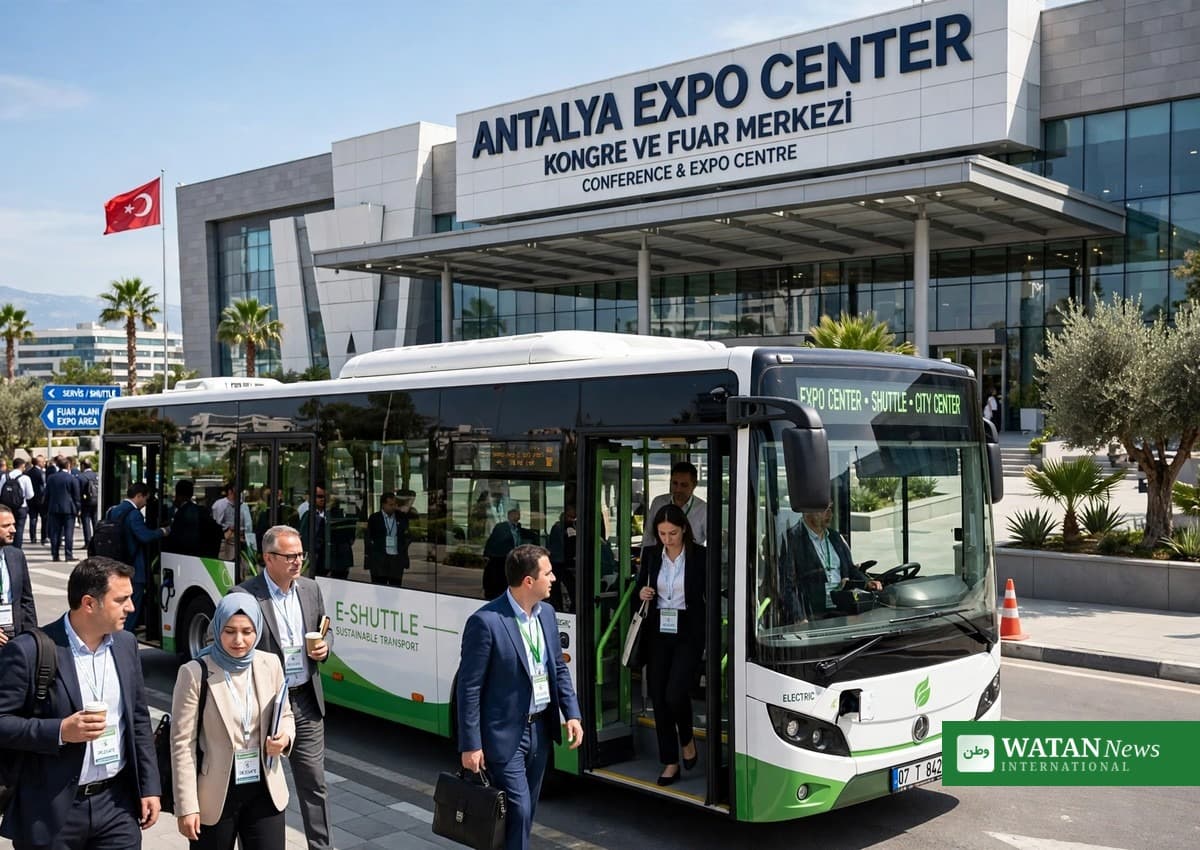
- Where: The ANFAŞ Antalya Expo Center, a 1.1-million-square-metre venue divided into a Blue Zone for official negotiations and a Green Zone for public events.
- Who: Delegations from nearly 200 countries, with 102 world leaders expected at the leaders’ summit on 11–12 November, according to Anadolu Agency.
- How long: The conference runs from 9 to 20 November 2026.
- Centrepiece: A voluntary 35-by-35 electrification pledge to raise electricity’s share of global final energy use to 35 per cent by 2035, from around a fifth today.
- Day one: The opening day focuses on food, agriculture and health.
An ‘implementation COP’
The two presidencies have branded COP31 the “implementation COP”, saying the summit should turn past climate commitments into concrete action rather than produce new headline pledges. The conference is organised under the theme “COP of the Future – COP of Implementation”, built around three pillars: dialogue, consensus and action.
IPCC Chair Jim Skea addressed the opening plenary, while the UN climate secretariat’s programme for the day put food, agriculture and health first, with sessions on financing climate-resilient food systems and on health systems coping with a warming climate.
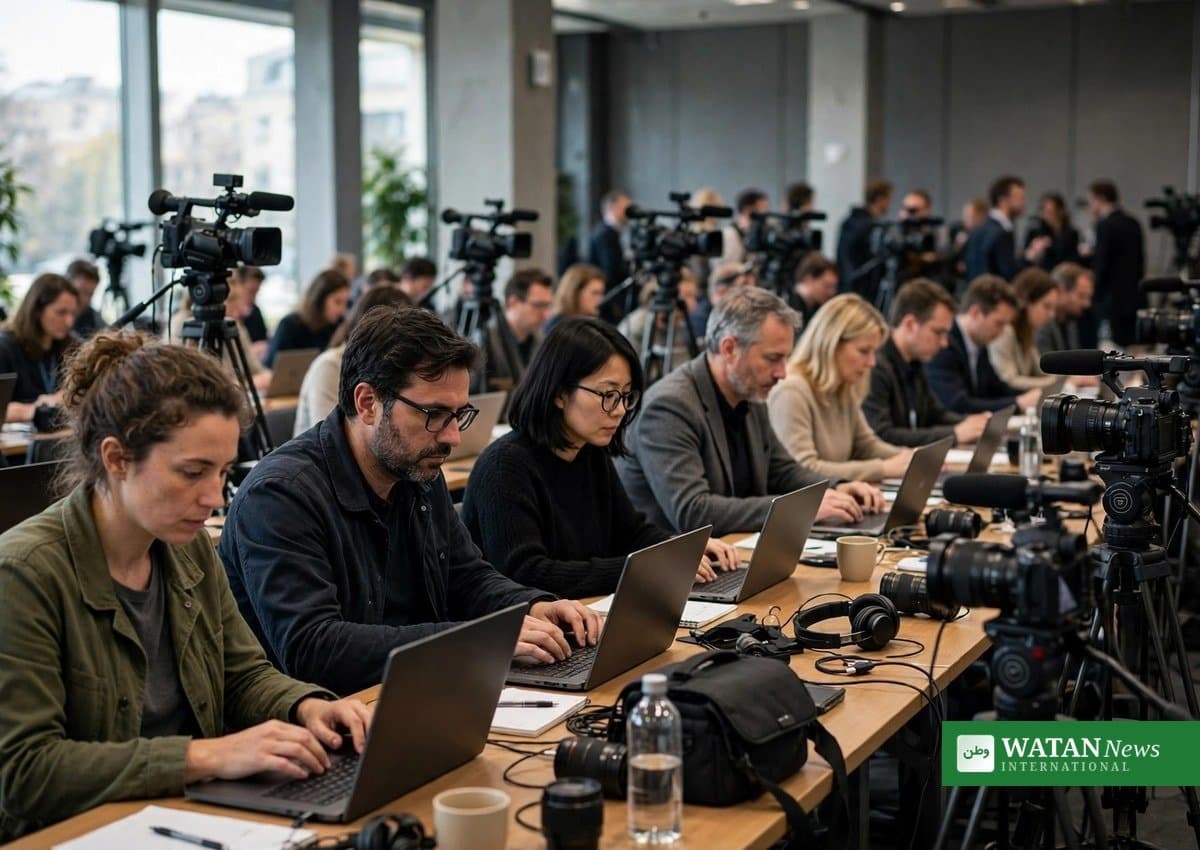
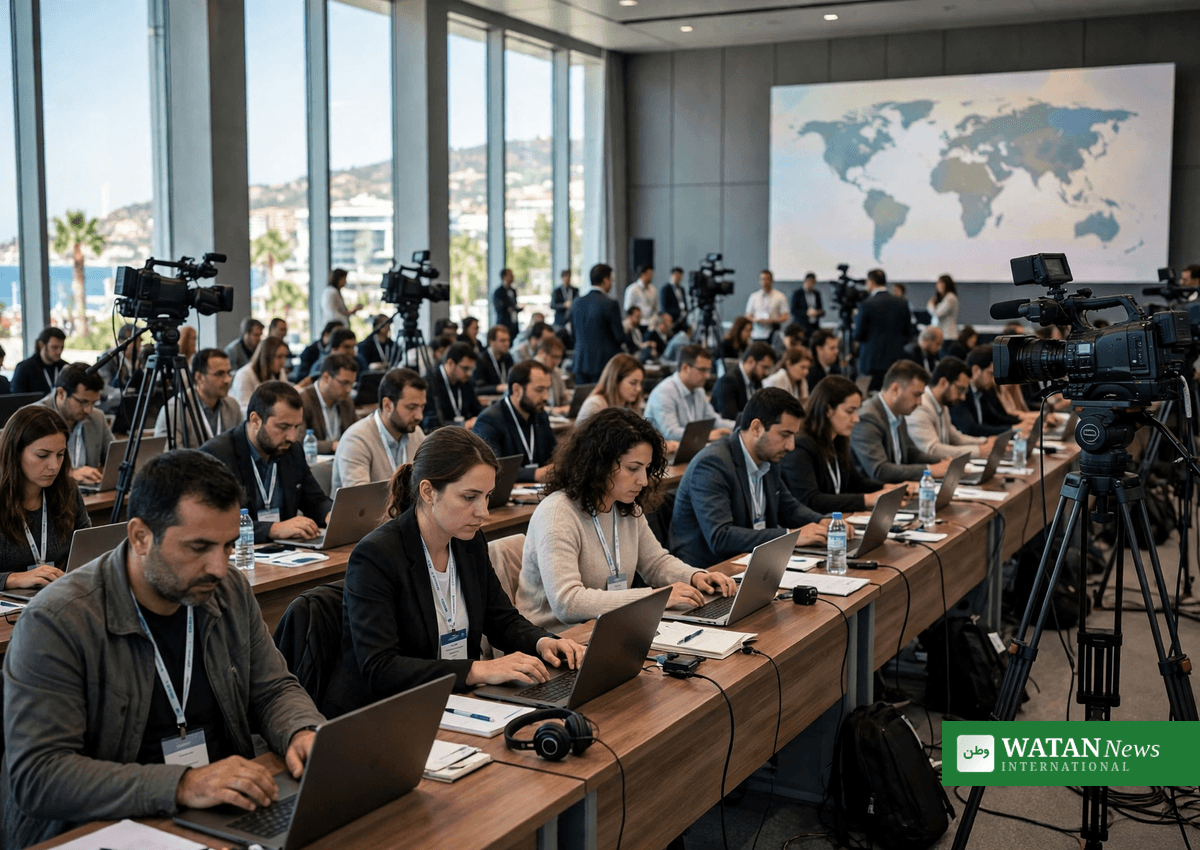
More than 100,000 people are expected to attend the summit over the two weeks, according to AFP, making it one of the largest gatherings in the history of the climate talks.
The 35-by-35 electrification pledge
Türkiye has put electrification at the top of the agenda, launching a non-binding Global Electrification Pledge that aims to make electricity account for at least 35 per cent of global energy demand by 2035. The presidency says the shift will speed up the move to renewable energy while strengthening energy security.
Speaking ahead of the summit on Thursday, Kurum said: “This year’s energy crisis has shocked us … everyone now understands that energy that you import is energy that you do not control. Electrification is the answer. It protects communities from volatile global markets and cuts emissions.” He added that COP31’s aim is “to usher in the age of electricity”.
The pledge is already contested. The European Union has called for “clean” electrification, a wording that could open debate over the role of fossil fuels. Greenpeace Turkey campaigner Emel Turker Alpay warned that the target does not specify that the extra electricity must come from clean sources, saying: “What electrification should do is end the dependency on fossil fuels. That should be the ultimate goal.”
Türkiye itself draws about a third of its electricity from coal, has no date for phasing it out, and its climate targets were rated “critically insufficient” by Climate Action Tracker last month.
COP31 opens in Antalya amid war and a finance fight
The summit opens against a difficult backdrop. The US-led war with Iran and the closure of the Strait of Hormuz have shaken energy markets, and the United States is sitting out the talks for a second consecutive year after President Donald Trump withdrew the country from the Paris Agreement and sent no officials — although a congressional delegation is expected to travel to Antalya.
Climate finance is set to be the hardest fight of the fortnight. Developing nations are pressing wealthy countries to deliver on funding promises, and African countries want the agenda to include tripling adaptation finance. A senior EU official has warned there would be “no political will” for additional funding pledges.
The science adds urgency: the United Nations warned in September that global temperatures were on course to exceed 1.5C above pre-industrial levels, and an exceptionally strong El Niño is forecast to peak later this year. Brazil’s COP30 presidency has also put a voluntary roadmap for phasing out fossil fuels on the table, published on 3 November, which is expected to be discussed in Antalya.
What happens next
The World Leaders’ Summit takes place on 11 and 12 November, opening with speeches by Turkish President Recep Tayyip Erdoğan and UN Secretary-General António Guterres. Heads of state and government will then deliver national statements before ministers take over the negotiations in the second week, with the conference scheduled to close on 20 November.
For continuing coverage of the summit, see Watan News’ COP31 coverage.