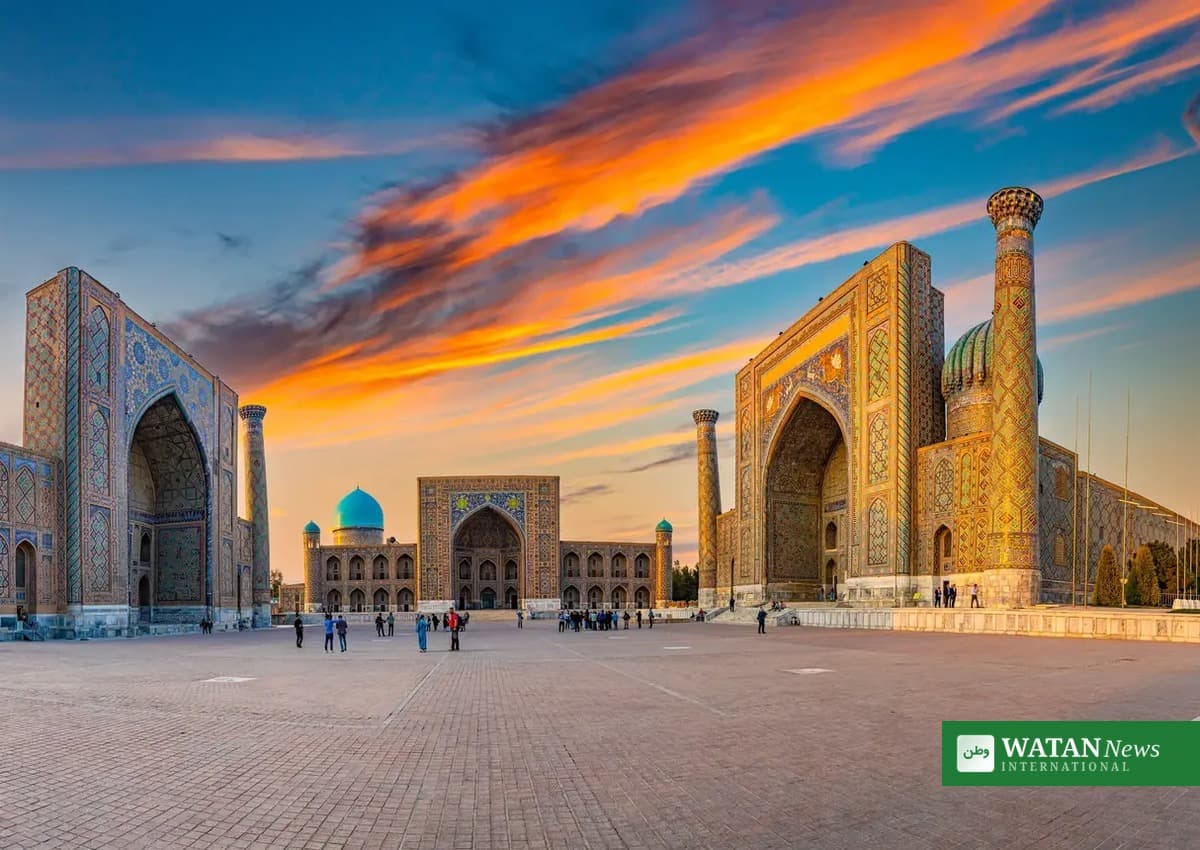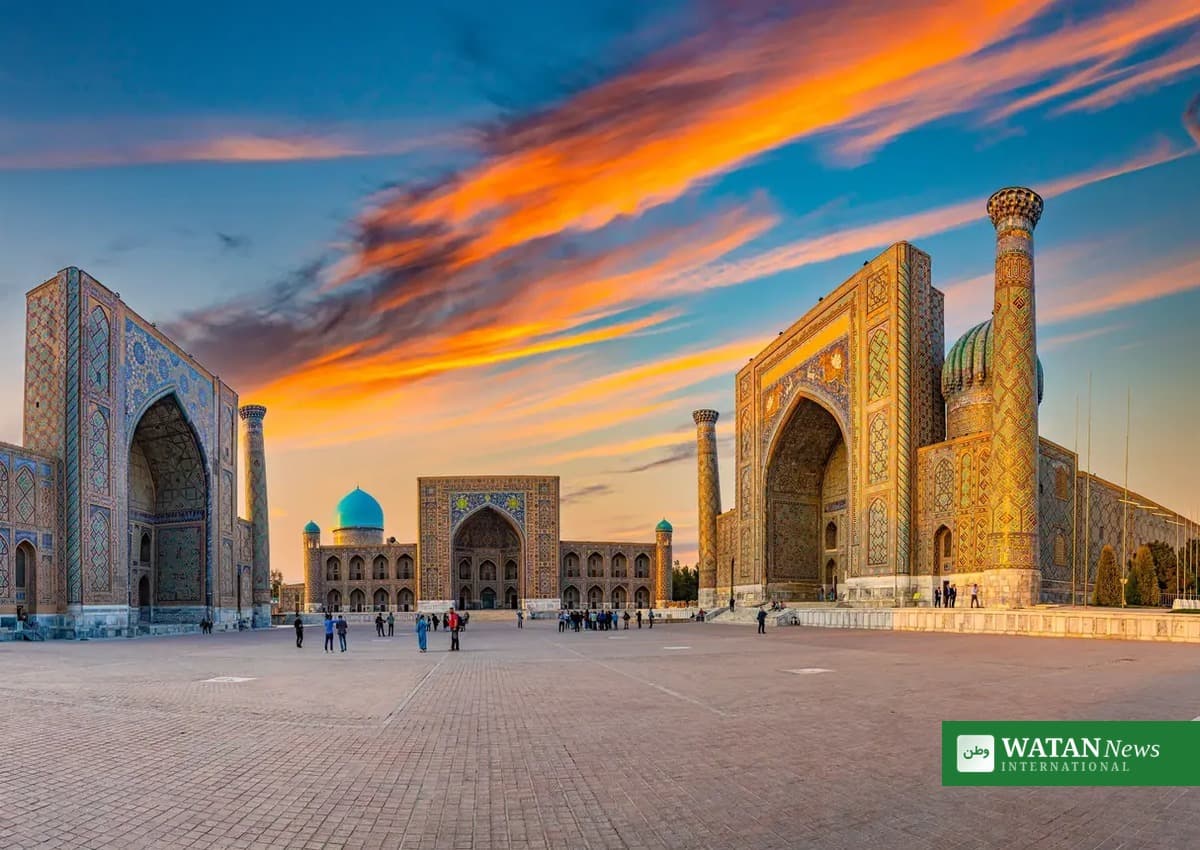
Tashkent, Uzbekistan — Uzbekistan and UN Tourism have officially launched 2027 as the International Year of Sustainable and Resilient Tourism, opening a year-long global push to make travel greener, fairer and more resilient — and Tashkent used the moment to propose a five-year global action plan that would carry the work beyond 2027.
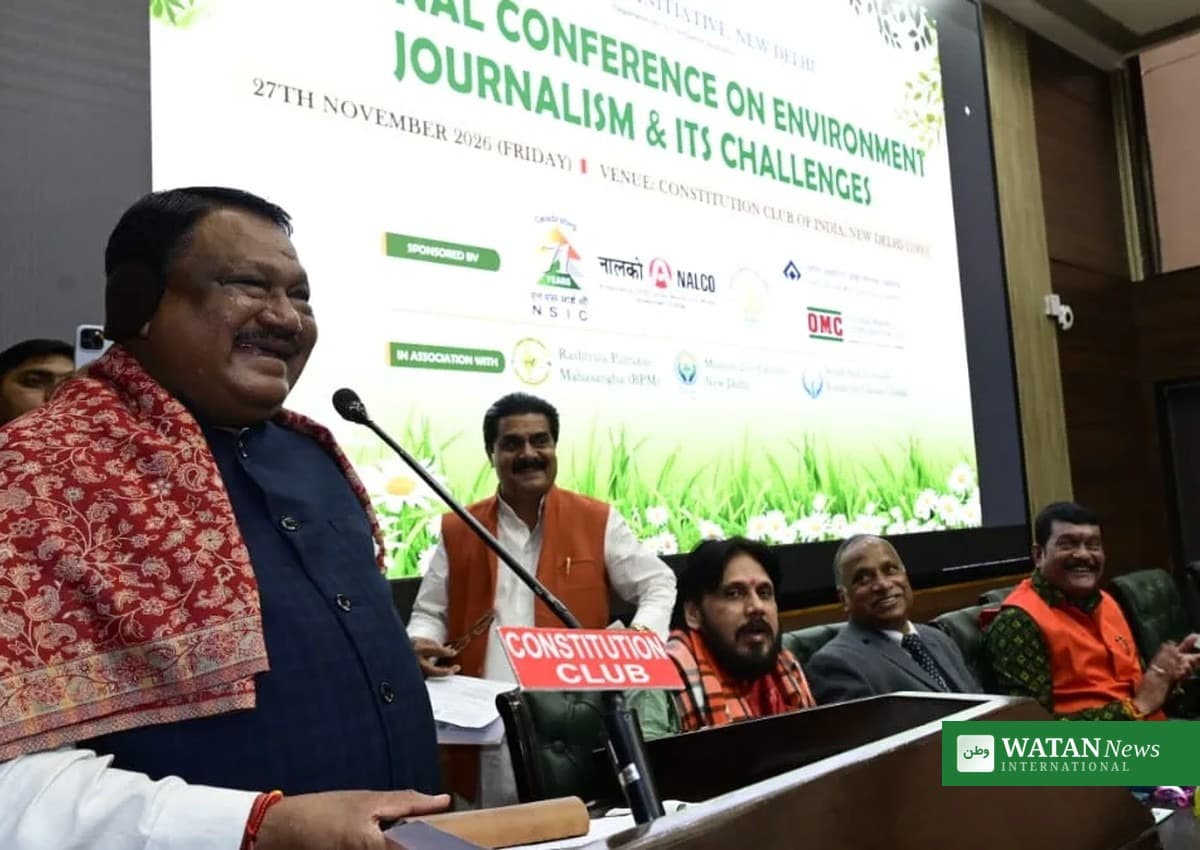
The opening ceremony took place on 27 November at Tashkent City Congress Hall, on the closing day of the 31st Tashkent International Tourism Fair, “Tourism on the Silk Road”, and the first International Tourism Investment Forum. UN Tourism Secretary-General Shaikha Al Nuwais presided over the programme with Saida Mirziyoyeva, Head of the Presidential Administration of Uzbekistan, who delivered a congratulatory message from President Shavkat Mirziyoyev. Ministerial and industry delegates from more than 40 countries attended, and the three days of events brought together representatives from more than 45 countries. The ceremony opens a sustainable tourism year that will run through 2027.
Key facts
- What: Opening ceremony of the International Year of Sustainable and Resilient Tourism 2027
- When: 27 November 2026
- Where: Tashkent City Congress Hall, Tashkent, Uzbekistan
- Who: UN Tourism and the Government of Uzbekistan; delegates from more than 40 countries
- UN mandate: UN General Assembly resolution of 26 February 2024, adopted by consensus with more than 80 co-sponsors
- Uzbekistan in 2026: 11.6 million tourists in the first ten months, matching the whole of 2025; tourism exports of $6 billion, up 50 per cent
- Uzbekistan’s 2030 targets: 20 million foreign tourists a year, $10 billion in tourism exports, tourism at 7 per cent of GDP, 2 million jobs
A five-year plan beyond the sustainable tourism year
In his message, President Mirziyoyev proposed a five-year global action plan under UN Tourism that would extend beyond the international year, and urged closer cross-border cooperation — pointing to Central Asia’s experience as a single tourism space. He also underlined the role of domestic tourism in strengthening resilience to crises.
Tourism accounted for $11.6 trillion, or 9.8 per cent of global GDP, in 2025, the president’s message noted — a figure confirmed by the World Travel & Tourism Council’s latest Economic Impact Research, which also records 366 million jobs supported by the sector worldwide.
“The main goal is to make tourism accessible, sustainable and safe,” Aziz Mirjalilov, head of marketing at Uzbekistan’s Tourism Committee, told AnewZ.
The initiative began at Uzbekistan’s proposal: President Mirziyoyev first raised it at the UN Tourism General Assembly in Samarkand in 2023. The draft resolution was then jointly tabled by Uzbekistan, the Maldives and Turkmenistan before the UN General Assembly, which adopted it by consensus in 2024.
Uzbekistan’s record year
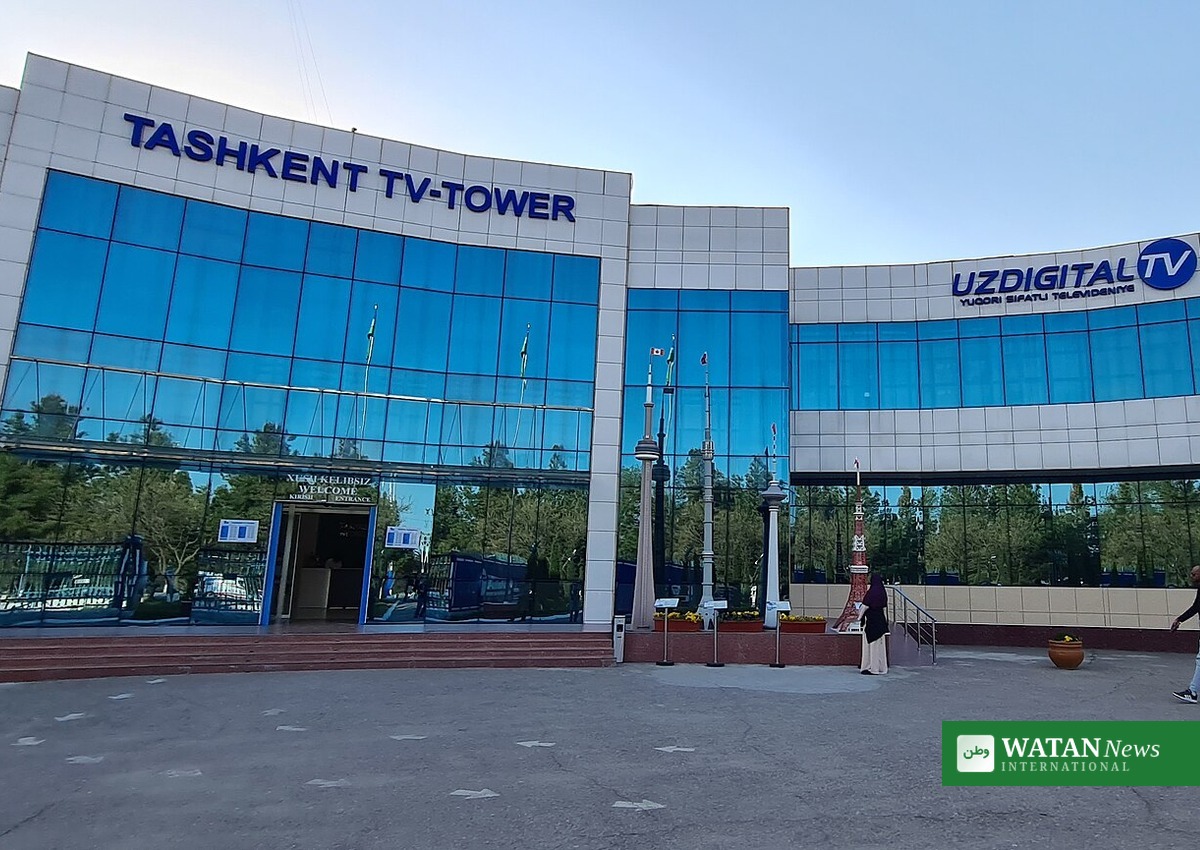
Uzbekistan welcomed 11.6 million tourists in the first ten months of 2026 — matching the total for the whole of 2025 — while tourism services exports rose by 50 per cent to $6 billion, according to the president’s message. Foreign arrivals have climbed from 2.7 million in 2017 to 11.7 million by the end of 2025, and citizens of more than 90 countries can now enter visa-free.
By 2030, Uzbekistan aims to welcome 20 million foreign tourists a year, raise tourism exports to $10 billion, increase tourism’s share of GDP to 7 per cent and raise employment in the sector to 2 million people. To ease pressure on historic cities, the country is developing tourist villages and mahallas — traditional neighbourhoods — with plans to increase their number from 57 to 140 by 2030.
Each region offers something different, Mirjalilov said: crafts in the Fergana Valley, mountain resorts around Tashkent and Jizzakh, eco-tourism in Kashkadarya, Buddhist heritage in Surkhandarya, and the Aral Sea and the Savitsky Museum in Karakalpakstan.
What the sustainable tourism year aims to change
The International Year of Sustainable and Resilient Tourism 2027 concentrates on three operational pillars: fostering locally anchored economic growth and resilience for small businesses, advancing decent work and community inclusion, and embedding biodiversity conservation and climate adaptation into national tourism planning.
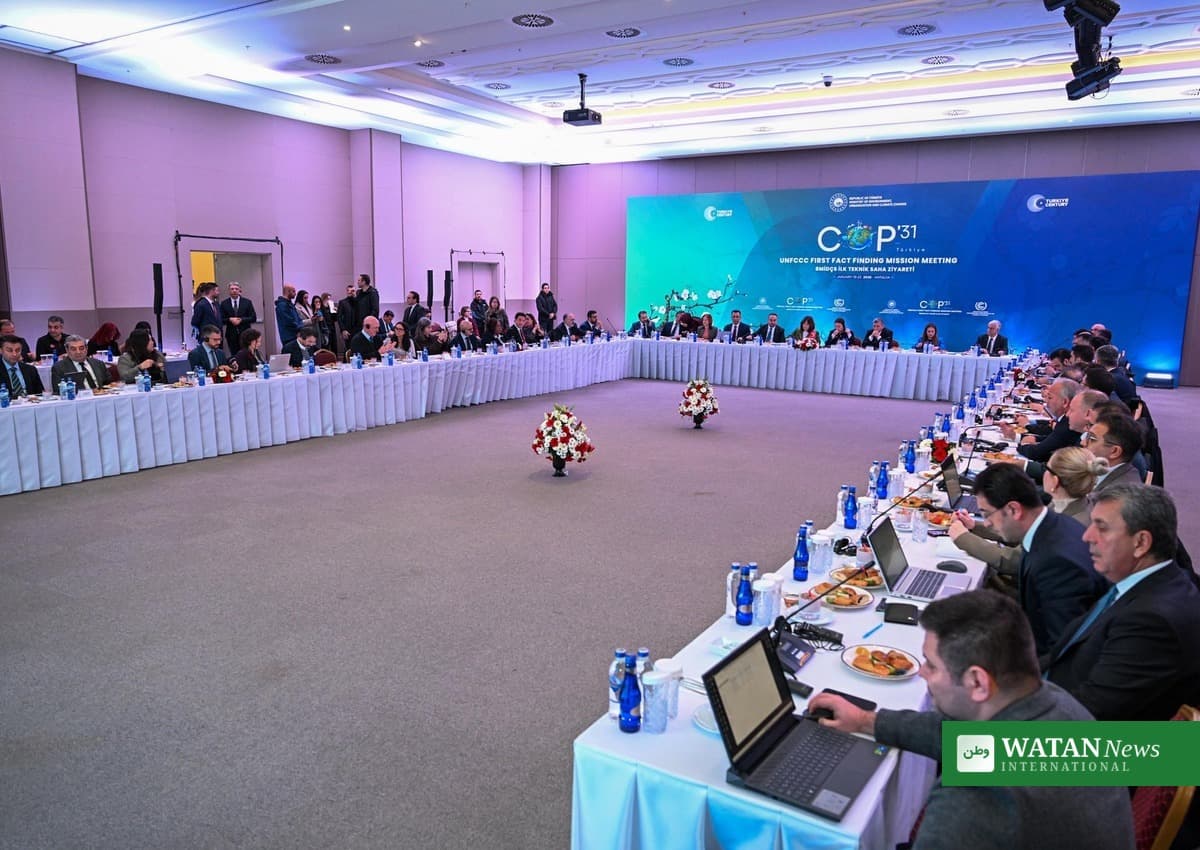
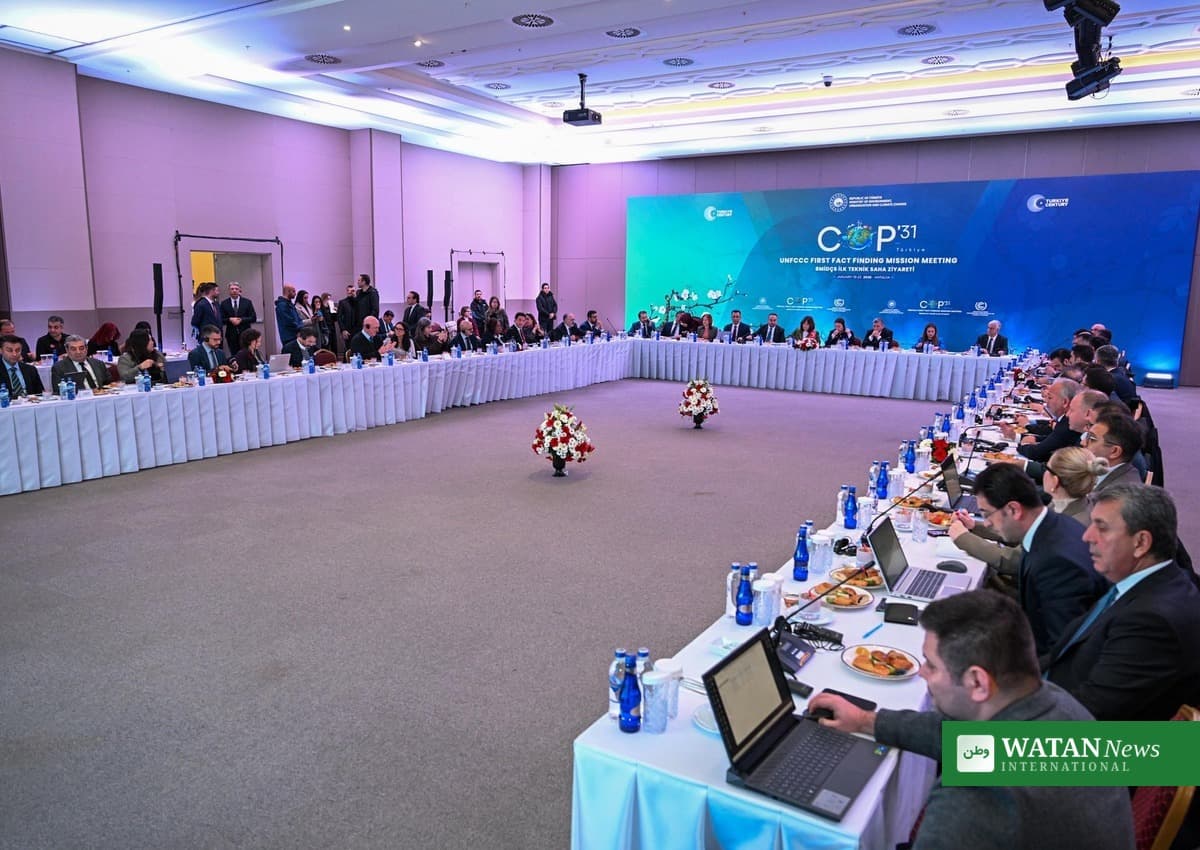
That climate pillar matters because tourism carries a large footprint: the sector accounts for about 8.8 per cent of global greenhouse gas emissions, according to research published in Nature Communications. The year builds on the Glasgow Declaration on Climate Action in Tourism, under which signatories commit to halving emissions by 2030 and reaching net zero by 2050 — and it follows the close of COP31 in Antalya on 22 November, where countries could not agree a final text. UN Tourism’s Project Unity, launched days earlier, puts local communities at the centre of the same shift.
Watan News reported the fair and the planned opening ceremony on 24 November.
Why it matters
The launch turns a year of declarations into a year of delivery. With tourism worth nearly a tenth of the world economy and responsible for close to a tenth of its emissions, the way the sector grows in 2027 will shape both livelihoods and the climate. Uzbekistan’s proposal for a five-year plan signals that the hosts want the year to leave behind institutions and targets — not just a ceremony.