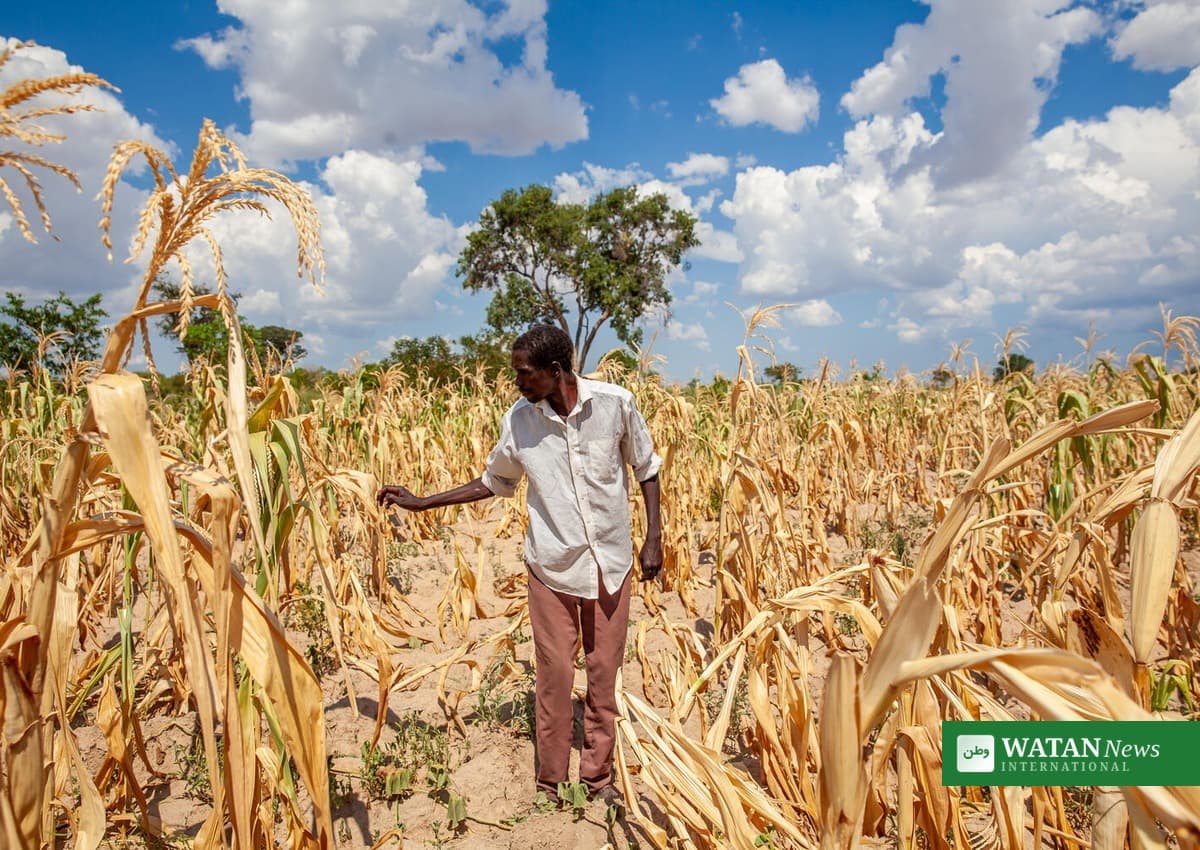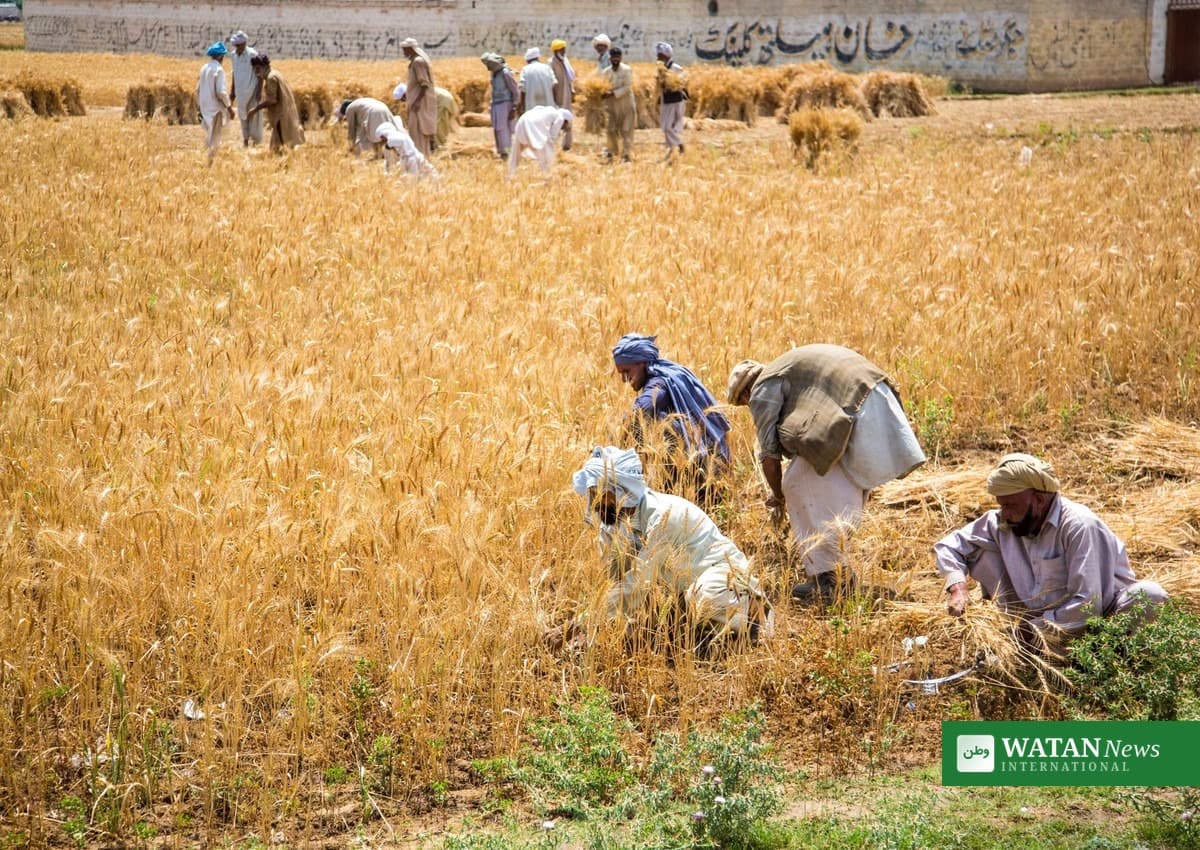
Pakistan has raised its wheat import ceiling by 150 per cent, to 2.5 million tonnes, in a late-night decision aimed at steadying flour prices and keeping supplies flowing until the next harvest. The Pakistan wheat import decision was taken by the Economic Coordination Committee (ECC) of the cabinet at a hurriedly called virtual meeting on Friday, 27 November 2026, chaired by Finance Minister Muhammad Aurangzeb.
FAKTA
- The Economic Coordination Committee (ECC) approved in principle on Friday, 27 November 2026, raising Pakistan’s wheat import ceiling from 1.0 million tonnes to up to 2.5 million tonnes for Food Year 2026-27.
- The decision still needs ratification by the federal cabinet before it takes full effect.
- Provincial governments have reassessed their combined wheat import requirement at about 1.7 million tonnes: Punjab 950,000 tonnes, Sindh 450,000 tonnes (subject to confirmation) and Khyber Pakhtunkhwa 300,000 tonnes.
- Flour prices have been rising by 5 to 6 per cent a week, according to the finance ministry, amid supply constraints.
- Each province will bear the full cost of the wheat it imports, including procurement, freight, insurance, transport, port charges, taxes and duties.
- Balochistan’s requirements are to be met from stocks held by the Pakistan Agricultural Storage and Services Corporation (PASSCO).
What the ECC Approved
The committee approved in principle the enhancement of the wheat import ceiling to up to 2.5 million metric tonnes for Food Year 2026-27, “to ensure adequate wheat availability, stabilise market prices and meet provincial requirements until the forthcoming harvesting season”, according to a statement issued by the finance ministry after the meeting.
The decision followed detailed consideration of a summary submitted by the Ministry of National Food Security and Research, which had asked for the ceiling to be raised from the previously approved one million tonnes. The decision will now be placed before the federal cabinet for ratification.
The meeting was called late at night and held virtually, presided over by Finance Minister Muhammad Aurangzeb. It was attended by Federal Minister for National Food Security and Research Rana Tanveer Hussain, Investment Minister Qaiser Ahmed Sheikh and Minister of State for Finance Bilal Azhar Kayani.
How Much Wheat the Provinces Need
The provinces have changed their assessment of how much imported wheat they need several times this year. They first put their combined requirement at 750,000 tonnes, then revised it downward to 550,000 tonnes. Rising wheat and flour prices, and the need to release more grain from public stocks, have now pushed the figure back up to about 1.7 million tonnes.
| Province | Wheat import requirement | Note |
|---|---|---|
| Punjab | 950,000 tonnes | Largest share of provincial demand |
| Sindh | 450,000 tonnes | Subject to confirmation |
| Khyber Pakhtunkhwa | 300,000 tonnes | Confirmed requirement |
| Balochistan | Covered from PASSCO stocks | No import requirement stated |
| Total provincial demand | About 1.7 million tonnes | Within the new 2.5 million tonne ceiling |
The ECC agreed that a ceiling of 2.5 million tonnes gives the government enough flexibility to meet additional provincial requirements or shortfalls in available stocks without having to seek fresh approval each time. The actual quantity imported will depend on confirmed provincial requirements and prevailing market conditions, so the ceiling is a maximum that may be used, not an order for 2.5 million tonnes.
Why the Pakistan Wheat Import Ceiling Was Raised Now
The decision was driven by prices. Flour prices have been increasing by 5 to 6 per cent on a weekly basis amid supply constraints, according to the finance ministry, and the ECC meeting was called urgently for that reason.
Figures from the Pakistan Bureau of Statistics, cited in reports on the decision, show the scale of the pressure on households: a 20-kilogram bag of flour cost Rs3,277.56 on average in the week ending 26 November, up 53.53 per cent on a year earlier and 5.72 per cent higher than the week before.
Finance Minister Aurangzeb stressed that wheat availability and price stability needed to be addressed together, with particular focus on ensuring adequate releases from public stocks and responding promptly to changing market conditions. He said a coordinated and forward-looking approach was essential to safeguarding consumers from inflationary pressures while ensuring the efficient use of national resources.
The minister also called for a collective and coordinated response by all concerned authorities to discourage speculative practices and prevent market manipulation, and to ensure that the benefits of adequate wheat availability reach consumers. Global wheat prices have also been under pressure this year, as reported by the World Bank’s outlook for wheat prices in 2026.
Who Pays for the Wheat
The provinces will pay for the wheat themselves. The committee approved that the entire cost of imported wheat, including procurement, freight, insurance, transportation, port charges, taxes and duties and other associated expenses, would be borne by the respective provincial governments under the existing financial arrangements.
Provinces will have to confirm their requirements in writing and ensure advance payments or appropriate banking arrangements under the agreed mechanism before imports can proceed.
To help the grain arrive on time, the ECC also approved priority berthing arrangements for wheat-carrying vessels at the relevant ports, in coordination with the maritime ministry and the port authorities, to minimise delays and additional costs.
Who Oversees the Programme
Overall oversight of the wheat import programme will stay with the Steering Committee headed by Deputy Prime Minister and Foreign Minister Ishaq Dar, while the Ministry of National Food Security and Research will be responsible for its day-to-day monitoring, implementation and execution.
Any operational or implementation issues requiring intervention will be brought to the attention of the Prime Minister’s Office on a real-time basis for prompt resolution, the finance ministry said.
What Happens Next
The decision now goes to the federal cabinet for ratification. Until the cabinet acts, the higher ceiling is approved in principle rather than final. After ratification, each province must still confirm its quantity in writing and arrange payment before it can import.
For households, the change will not bring flour prices down overnight. Imports take time to arrange, ship and move into the market, and the ceiling itself does not set the retail price. What it does is remove one reason prices keep climbing: the fear that there will not be enough wheat to go round. The test in the coming weeks will be whether the weekly price rises slow once the imports are confirmed and the grain starts arriving.
Background: Support Price and Earlier Warnings
The import decision follows months of concern about wheat prices. Last month, Deputy Prime Minister Ishaq Dar expressed concern at the rising wheat prices and directed federal and provincial governments to take all necessary measures, including increasing market supply, to bring prices under control.
In October, Prime Minister Shehbaz Sharif set the indicative wheat support price for 2027 at Rs4,500 per maund (40kg), an increase of Rs1,000 from the rate fixed last year. The decision was aimed at supporting farmers, protecting their economic interests and boosting domestic wheat production.
More coverage of the country is available on Watan News’ Pakistan news page.
Conclusion
Pakistan’s decision to raise its wheat import ceiling to 2.5 million tonnes is a precaution as much as a purchase: it gives the provinces room to buy up to 1.7 million tonnes they say they need, and headroom beyond that if stocks fall short, without returning to the cabinet for each new request. The measure’s success will be judged not by the size of the ceiling, but by whether flour prices stop rising week after week and whether the grain reaches consumers at a fair price.