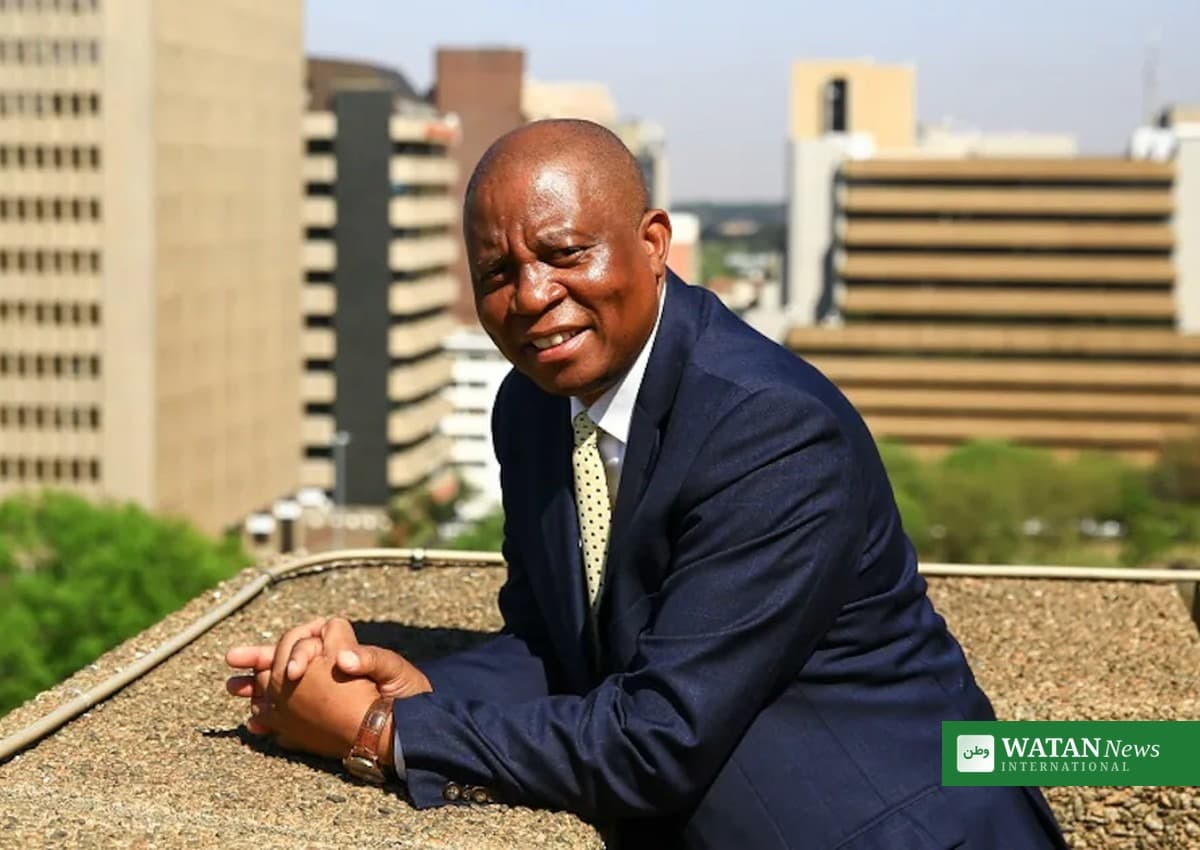
Herman Mashaba is the mayor of Johannesburg again. The ActionSA leader was elected on Friday, 27 November 2026, defeating Democratic Alliance (DA) candidate Helen Zille by 170 votes to 97 in a council vote that ended weeks of coalition bargaining after South Africa’s local government elections.
Mashaba, 67, returns to lead South Africa’s economic hub with the backing of a broad coalition that includes the African National Congress (ANC), the Economic Freedom Fighters (EFF) and former President Jacob Zuma’s uMkhonto weSizwe Party (MK Party). He takes over from Dada Morero, whose term ended with the vote.
FAKTA
- Elected: Friday, 27 November 2026, at the municipality’s second council sitting in the Connie Bapela Council Chamber, Braamfontein
- Result: Herman Mashaba 170 votes, Helen Zille 97 votes; 267 valid votes were counted and two ballots were spoiled
- Succeeds: Dada Morero as Executive Mayor of the City of Johannesburg
- Backed by: an 18-party coalition including ActionSA, the ANC, the EFF and the MK Party
- First term: Mashaba was mayor from 2016 to 2019 under the DA, then founded ActionSA in 2020
- Why it matters: Johannesburg is home to the Johannesburg Stock Exchange and accounts for roughly 15 to 16 per cent of South Africa’s GDP
How the vote unfolded
The City of Johannesburg council reconvened on Friday to elect a new executive mayor and other office bearers, after the 4 November local government elections left no party with an outright majority. The newly elected council speaker, Vhonani Marema, announced the result and declared Mashaba duly elected as Executive Mayor of the City of Johannesburg Metropolitan Municipality.
The ANC’s Thapelo Radebe was also elected deputy mayor, winning 170 votes against 95 for the DA’s Belinda Echeozonjoku, in a further sign of how firmly the coalition partners controlled the council floor.
The vote followed several days of intense political haggling. It was the first week since the elections that the administration of the metro took shape, with parties negotiating over who would govern the country’s economic engine.
A coalition built to keep the DA out
The result was a defeat for the DA despite its strong showing at the polls. The party emerged as the largest in Johannesburg in the 4 November election, winning 91 of the council’s 270 seats with 34.8 per cent of the vote, but that was well short of the 136 seats needed to govern alone. Johannesburg is one of 138 hung councils across South Africa that will now be governed by coalitions.
| 4 November election | 27 November mayoral vote | |
|---|---|---|
| DA | Largest party: 91 of 270 seats, 34.8 per cent of the vote | Helen Zille: 97 votes |
| ActionSA | Third place, behind the DA and the ANC | Herman Mashaba: 170 votes |
| Outcome | Hung council; 136 seats needed for a majority | Mashaba elected mayor |
Under the arrangement, ActionSA, the ANC and the EFF agreed a power-sharing deal that also divides control of the three largest municipalities in Gauteng. ActionSA retains leadership of Tshwane, which includes the capital, Pretoria, where Nasiphi Moya becomes mayor for a second term, deputised by the EFF’s Omphile Maotwe. The ANC will run Ekurhuleni, the industrial hub east of Johannesburg.
The deal shut the DA out of power in Johannesburg even though it won the largest share of the vote. DA leader Geordin Hill-Lewis has said his party will remain part of President Cyril Ramaphosa’s national administration for now, but may review its position at a later stage.
Herman Mashaba’s return to the mayor’s office
Mashaba first became mayor of Johannesburg in 2016 under the banner of the DA, as opposition parties wrested control of several major cities from the ANC. He later fell out with senior DA leaders, quit the party and went on to form ActionSA in 2020.
His election makes it the second time he has held the keys to the city. Since 2021, the mayoral chain in Johannesburg has changed hands at least nine times, a period marked by governance failures, poor service delivery and financial strain.
Mashaba, a cosmetics entrepreneur who built his fortune selling hair-care products, has said his return is about unfinished business. Before the election he told Moneyweb that collapsing the city’s independent municipal-owned entities, including City Power and Joburg Water, and bringing their operations directly under the City of Johannesburg would be at the top of his agenda.
“I can tell you right now, unapologetically, that as soon as Herman Mashaba is the mayor of this city, in the first or second council meeting, I’m going to bring a report to council for what is called the institutional review and collapse City Power,” he said. “City Power will be run by an electrical engineer and surrounded by a team of other professionals, reporting directly to the city manager and not to a board of directors.”
What the new mayor faces
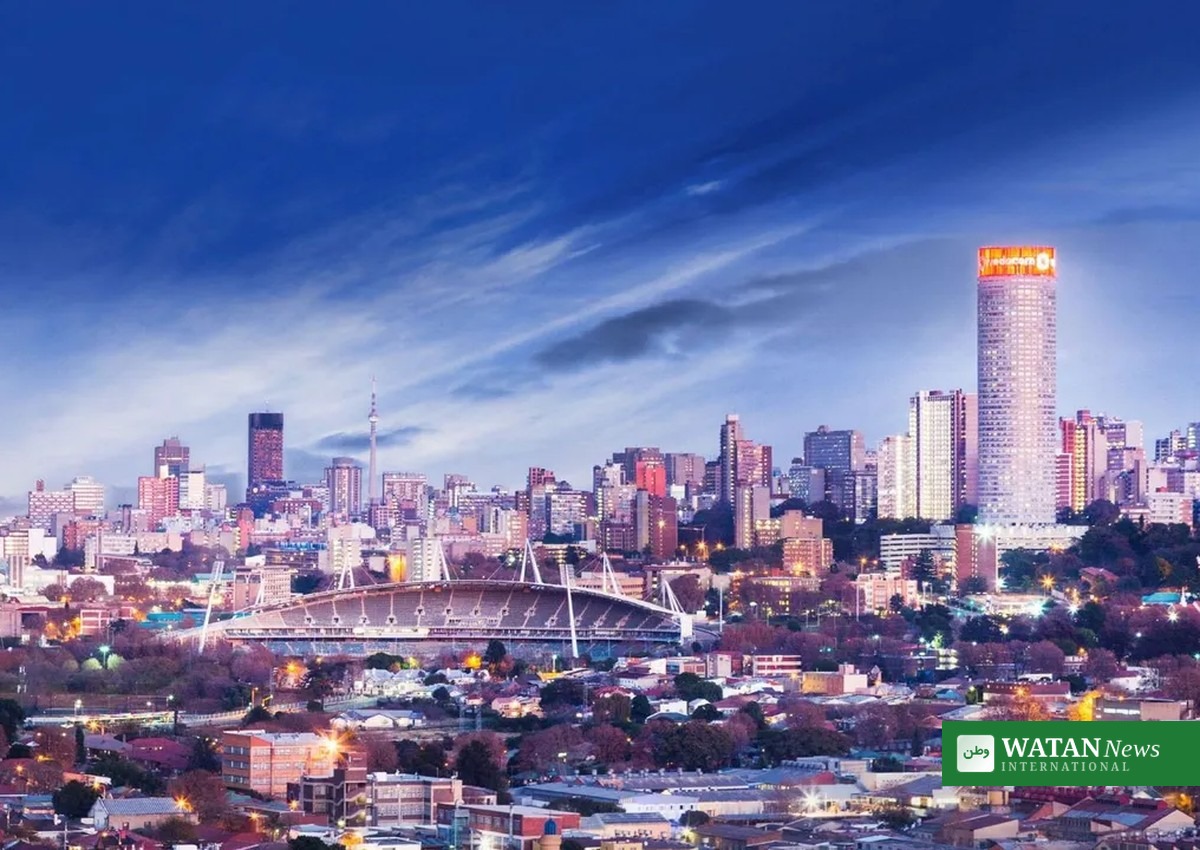
Residents and businesses in Johannesburg are contending with crumbling infrastructure, persistent water shortages and deteriorating services, problems the new administration will be under pressure to address. Severe municipal debt and infrastructure decay threaten the city’s finances and the wider economy, and Mashaba’s second stint will be a race to fix service delivery, restore fiscal discipline and deliver value to residents and businesses.
The wrangling over who runs South Africa’s hung councils has also raised concerns about the stability of the ANC-led coalition that has governed at national level since mid-2024, and has weighed on financial markets. Traders are pricing in the risks, with the rand down almost 6 per cent since 4 November, a fall linked to domestic political uncertainty and broader pressures on emerging markets.
ActionSA made tougher immigration enforcement a central part of its election platform. A draft coalition agreement seen by Bloomberg proposed creating specialised units within metropolitan police departments to tackle illegal immigration, a plan the ANC had opposed on the grounds that enforcement is a national government responsibility. It is unclear how the two parties resolved their differences on the matter.
What happens next
Mashaba now has to turn a wide coalition into a working government. The partners span the political spectrum, from the pro-business ActionSA to the leftist EFF and the MK Party, and holding them together while fixing the city’s services will be his first test.
The new council is also expected to publish its first hundred-day commitments, under a coalition accord that requires councils to give residents a public account of delivery every quarter. For Johannesburg’s residents, who have seen nine mayors since 2021, the question is whether this administration can last long enough to make a difference.
More from Africa on Watan News: the continent continues to face major public health challenges, including the Ebola outbreak in the Democratic Republic of Congo.
Conclusion
Herman Mashaba’s election is a striking reversal in South African politics: the candidate of the third-placed party is mayor, while the party that won the most votes sits in opposition. His return brings experience of the office, but also the same problems that defeated his predecessors. Whether his coalition holds, and whether his plans for City Power and the city’s finances survive contact with a divided council, will decide if this second stint succeeds where so many short-lived administrations have failed.