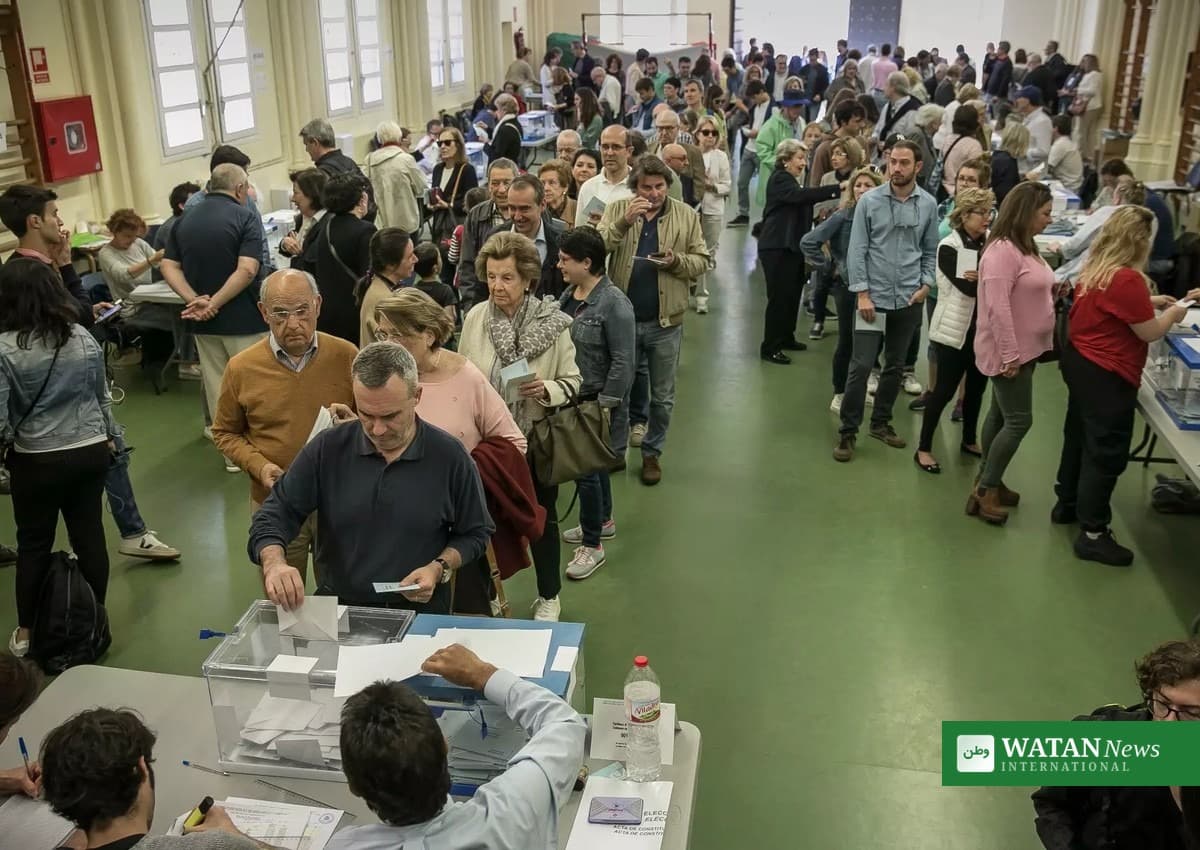
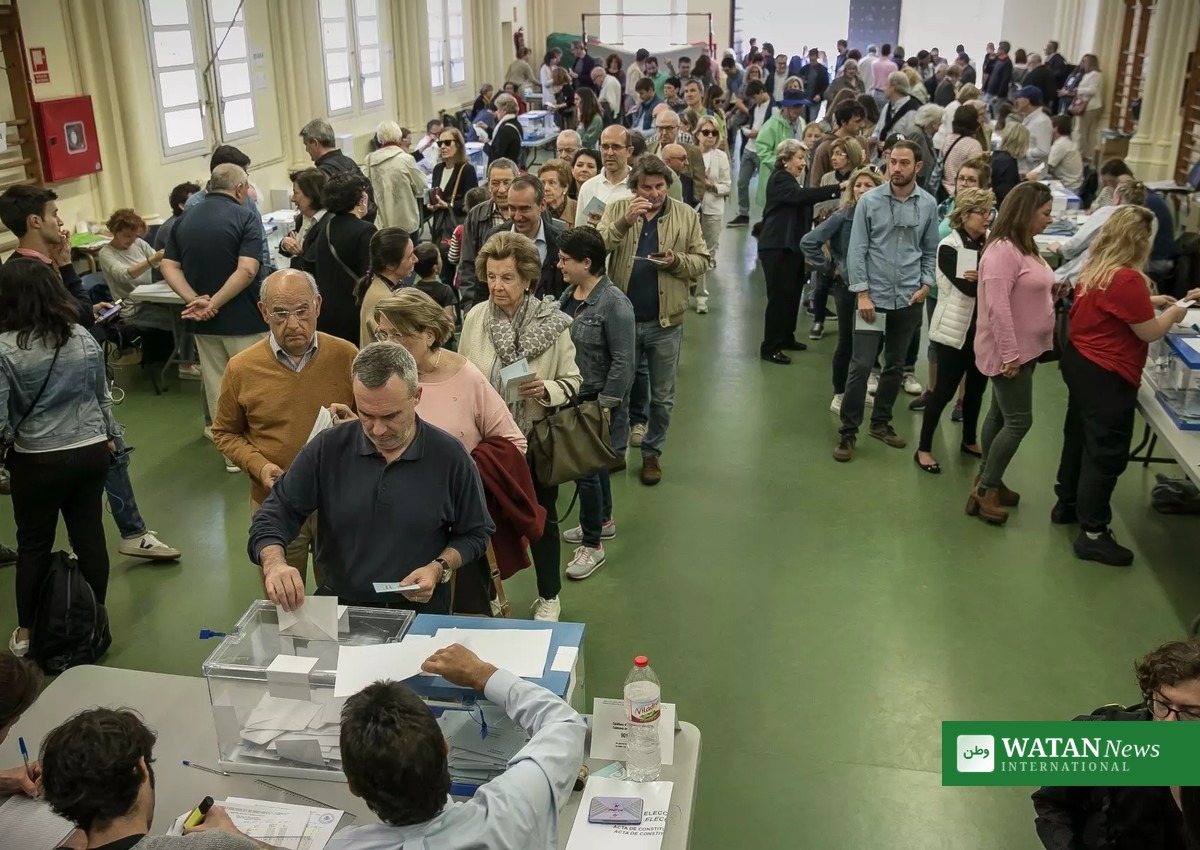
Spain votes on Sunday, 29 November 2026, in a snap general election that could end eight years of Socialist-led government and bring the far-right Vox party into national government for the first time since the end of the Franco era. The conservative People’s Party (PP) is narrowly ahead in the final polls, the Socialists of Prime Minister Pedro Sánchez are close behind in second, and Vox is third — but the combined strength of the PP and Vox is what may decide who governs.
Almost every final poll published before the legally mandated blackout projected the PP and Vox together winning more than the 176 seats needed for an absolute majority in the 350-seat Congress of Deputies. Sánchez, however, has remained defiant, insisting that the Socialists can still win and form a government with a broader progressive majority — as he did in 2023, when most polls also pointed to a PP-Vox victory, yet he stayed in office.
FAKTA
Election day: Sunday, 29 November 2026. Polling stations open at 09:00 and close at 20:00 local time (08:00–19:00 GMT), with provisional results expected from about an hour later.
What is at stake: All 350 seats in the Congress of Deputies and 208 of the 266 seats in the Senate.
Majority line: 176 seats are needed for an absolute majority in the Congress.
Why the vote was called: Prime Minister Pedro Sánchez announced the election on 5 October, after Congress rejected two emergency housing decrees on 2 October.
Final polls: The PP stood at about 31.5 percent, the Socialists at about 29 percent and Vox at about 18 percent in the El País polling average of 24 November.
What happens next: The new Congress meets on 23 December and elects a speaker, before government formation begins.
Why Spain Is Voting Now
The election was triggered by housing. On 2 October, Congress voted down two emergency decrees to address rising rents and evictions, with the PP, Vox and the Catalan pro-independence party Junts voting against them. Three days later, Sánchez announced in a televised address that Spain would return to the polls, months early. The vote had not been due until the summer of 2027.
Sánchez has led a minority coalition with the left-wing Sumar alliance since 2023, and the government has been unable to pass a budget since that year. The housing vote was the latest in a series of parliamentary defeats that left it unable to move its programme forward.
Housing has remained the central issue of the campaign. The left-wing parties have promised rent controls and stronger protection against eviction, while the parties on the right have focused on building more homes, tax breaks for homebuyers and easing planning rules.
What the Final Polls Show
Spanish law bars the publication of new polls in the final days before a vote, so the last surveys voters saw were published on Monday, 23 November. The picture was consistent: the PP first, the Socialists second and Vox third, with the gap at the top narrowing as the campaign went on.
Spain snap election 2026: the final seat projections
| Pollster (for) | PP | PSOE | Vox |
|---|---|---|---|
| 40dB (El País / Cadena SER) | 127–136 seats (31.8%) | 116–127 seats (30.9%) | 51–61 seats (17.3%) |
| Ipsos (La Vanguardia) | 127 seats (30.3%) | 119 seats (29.8%) | 63 seats |
| GAD3 (ABC) | 131 seats | 110 seats | 63 seats |
| NC Report (La Razón) | 130–133 seats | 108–111 seats | 64–66 seats |
On those figures, the PP and Vox together would hold roughly 190 seats, comfortably above the 176 needed for a majority. The El País polling average put the PP on 31.5 percent, about 2.5 points ahead of the Socialists on 29 percent, with Vox at about 18 percent. Parties further to the left, needed for any Socialist-led coalition, were jointly polling at about 10 percent.
There was one clear exception. The state-run Centre for Sociological Research (CIS) put the Socialists first on 34.4 percent, against 24.9 percent for the PP. El País cautioned that the CIS has overestimated the left since 2018, and most polling averages leave its figures out. All of the surveys are almost a week old, and polls are approximations rather than forecasts.
The 2023 election is a reminder of that. Then, too, most polls pointed to a PP-Vox majority, but the two parties finished with 170 seats, six short, and Sánchez won a new term 116 days after the vote with the backing of parties mainly on the left.
The Main Candidates
Alberto Núñez Feijóo, 65, leads the PP. A former president of Galicia, he has led the party since April 2022 and is contesting his second general election as its leader, arguing that Spain needs change after eight years of Socialist-led government.
Pedro Sánchez is running again for the Socialists (PSOE), the party he has led since 2017. He has been prime minister since 2018, making him one of Europe’s longest-serving left-wing leaders, and he has campaigned on housing reform and on mobilising voters against a right-wing government.
Santiago Abascal leads Vox, the party he co-founded in 2014. Vox won 12.4 percent of the vote and 33 seats in 2023, and polls suggest it could almost double that seat count this time, propelled in part by younger and male voters. Ada Colau, the former mayor of Barcelona, leads the left-wing Frente Amplio alliance, a new force on the left.
The four main candidates met in the campaign’s only four-way televised debate on Thursday night, after Sánchez and Feijóo had faced each other one-on-one on 19 November. In a snap poll after the four-way debate, 43 percent named Feijóo the winner, ten points more than named Sánchez.
What Is at Stake
If the polls are right, the most likely outcome is a coalition government between the PP and Vox. That would give a cabinet role to a far-right party for the first time since the death of dictator Francisco Franco in 1975, a point that has framed much of the campaign debate.
For the PP, the question is whether it can govern without giving Vox more influence than it wants to concede. For the Socialists, the question is whether a late narrowing of the gap, combined with high turnout, can repeat the surprise of 2023.
Beyond the arithmetic, the result will shape Spain’s direction on housing, public spending and its role in Europe, where Sánchez has been one of the last left-wing leaders among the larger member states.
How the Vote Works and What Happens Next
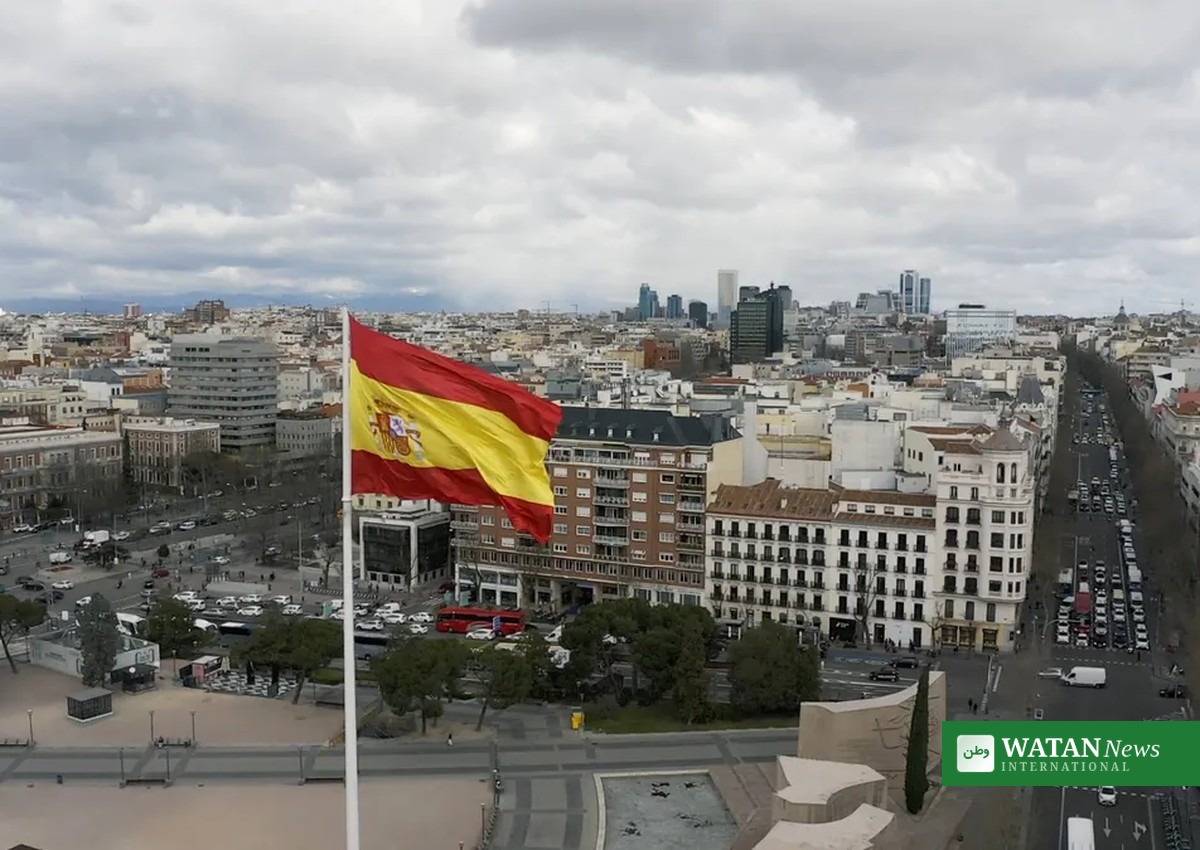
All 350 seats in the lower house are contested on closed party lists, as well as 208 of the 266 Senate seats. Polling stations open at 09:00 and close at 20:00 local time, and provisional results will start appearing about an hour later. Saturday was a legally mandated day of reflection, with no campaigning allowed.
Whatever the result, Sánchez stays on as acting prime minister until Congress confirms a successor, and the new lower house will meet on 23 December to elect a speaker. If no party wins a majority, coalition talks will follow, and those negotiations can take time — as seen when a close election leaves no party able to govern alone, a situation examined in New Zealand’s recent election deadlock.
Conclusion
Spain goes to the polls with the conservatives narrowly ahead, the Socialists close behind and Vox holding the balance of power on the right. The final polls point to a PP-Vox majority, but the gap has narrowed, one major pollster disagrees entirely, and 2023 showed that Spanish elections are not decided by polls alone. Sunday night’s count will settle whether Sánchez stages another comeback or Spain turns to a right-wing coalition for the first time in eight years.