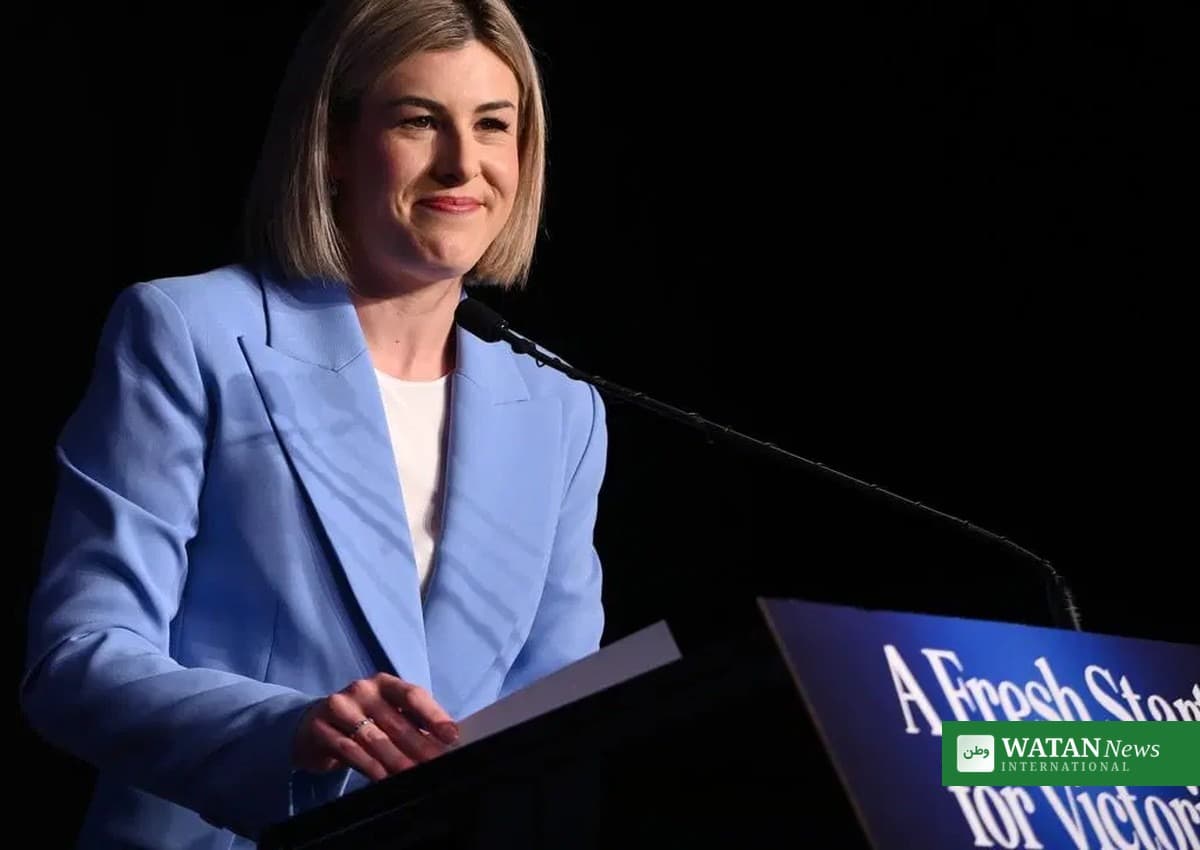
The Liberal–National Coalition has won the 2026 Victorian election in a landslide, ending 12 years of Labor government in Australia’s second-most populous state. Liberal leader Jess Wilson, 36, will become Victoria’s 51st premier — the first woman to win the office at a Victorian election and the youngest Victorian premier.
FAKTA
- Election: Victorian state election, Saturday 28 November 2026; all 88 seats in the Legislative Assembly and all 40 seats in the Legislative Council were contested, with 45 seats needed for a majority.
- Result: The Liberal–National Coalition won a majority. By Sunday afternoon the ABC projected the Coalition had won 51 lower-house seats, with the Greens on six and Labor on just three, and 28 seats still in doubt.
- Premier-elect: Jess Wilson, 36, Liberal leader since November 2025 and the member for Kew since 2022.
- Outgoing premier: Ben Carroll, premier for just 123 days, lost his own seat of Niddrie — the first Victorian premier to lose his seat since 1945.
- Primary votes (about two-thirds counted): Coalition about 35.7 per cent, One Nation about 20.1 per cent, Labor about 18.1 per cent, Greens about 14.9 per cent.
Wilson claims victory in Melbourne
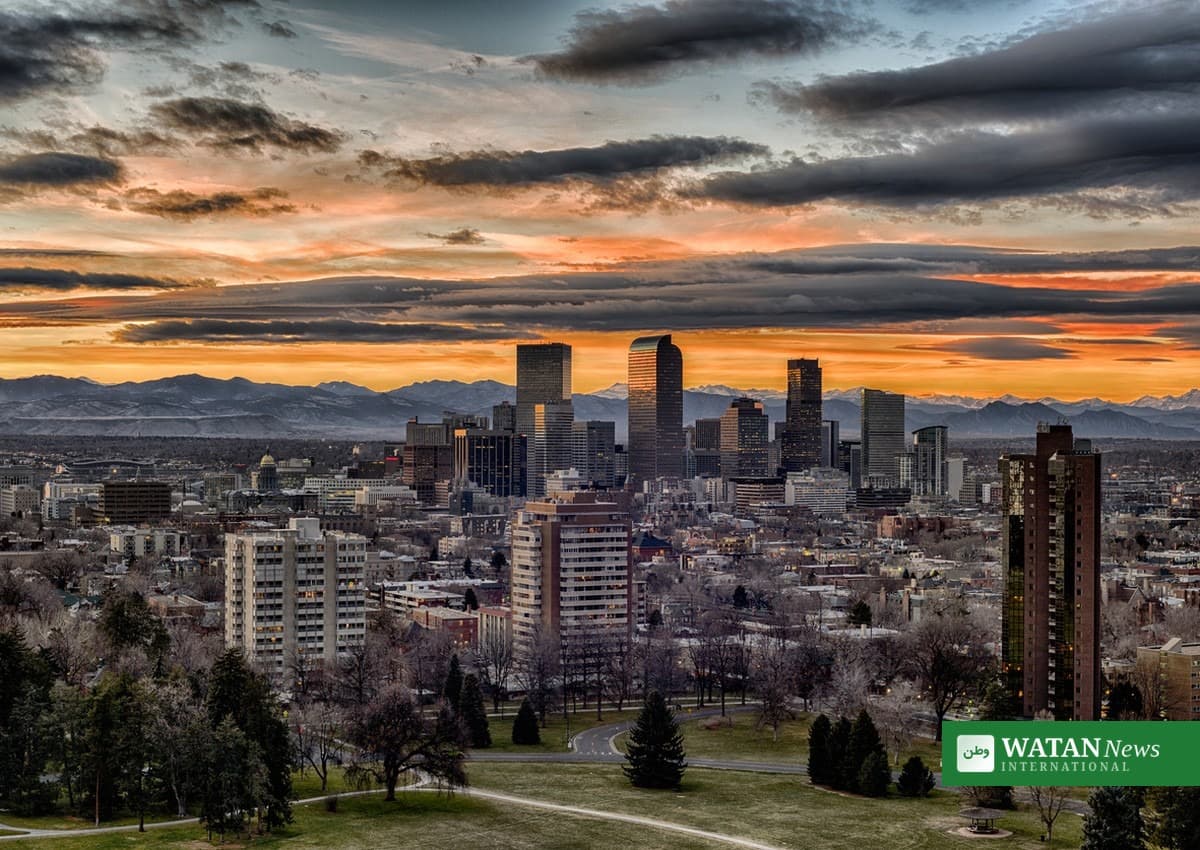
The Australian Broadcasting Corporation called the election for the Coalition shortly before 8pm AEDT on Saturday, and Mr Carroll telephoned Ms Wilson to concede defeat before 8.30pm. Ms Wilson then addressed Liberal supporters at the party’s election-night event in Melbourne, promising to govern for all Victorians.
“I know that for many of you, this is the first time that you have ever voted Liberal,” she said. “I realise you have lent us your vote. We don’t own it, and we will work every single day to demonstrate that you were right to place your trust in us.”
“Today, Victorians have drawn a line in the sand after 12 long years,” she added, saying voters across the state had told her they needed a fresh start. Her victory line through the campaign was that “Victoria is back open for business”.
Ms Wilson, who entered parliament in 2022 and became the first woman to lead the Victorian Liberal Party in November 2025, said she had visited every electorate in Victoria during 2026. She has promised to serve as her own treasurer for at least the first 100 days of government. The full ministry has not yet been announced, and she will be sworn in once the result is formally confirmed.
Carroll loses his own seat
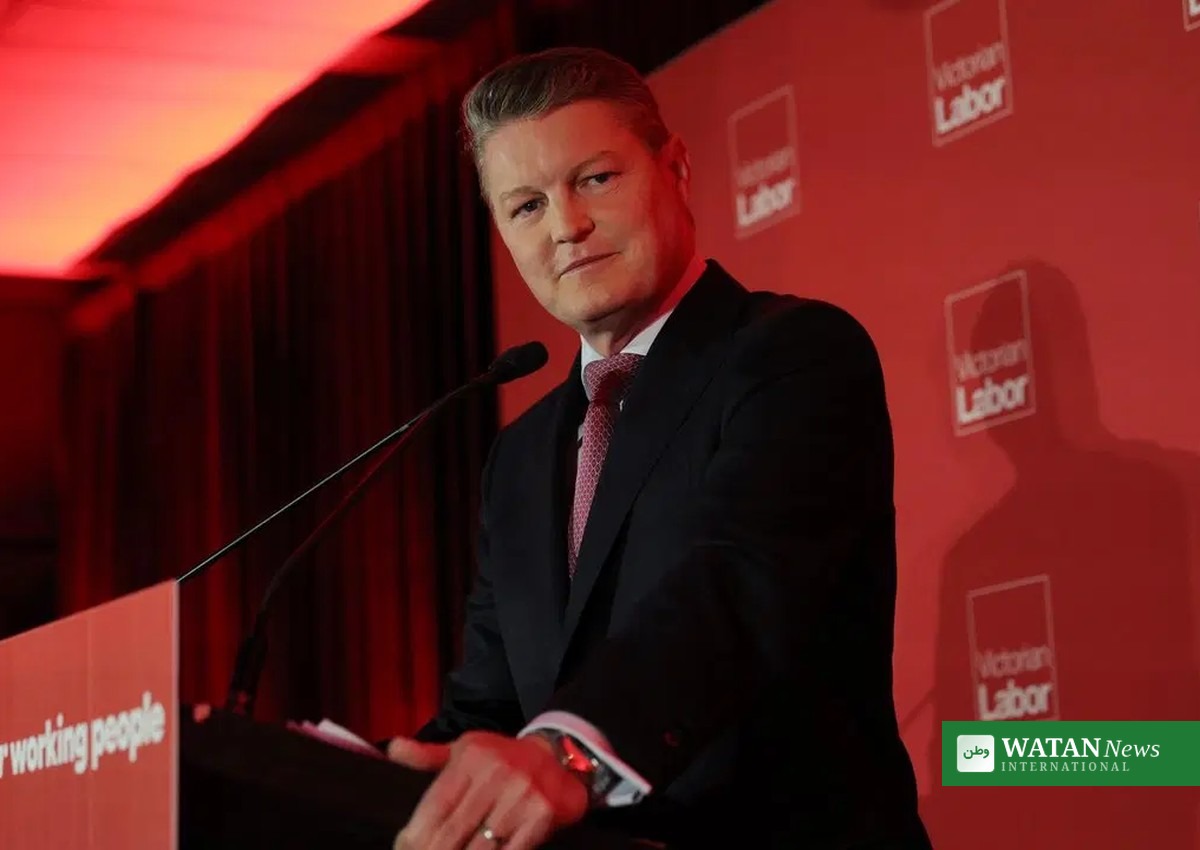
The scale of Labor’s defeat was underlined in Niddrie, in Melbourne’s inner west, where Mr Carroll had held his seat since 2012. A swing of 17.7 per cent to the Liberals put Liberal candidate Samantha Byrne on course to take the seat, which Labor had held since it was created in 1976.
Mr Carroll is the first Victorian premier to be defeated in his own seat since Ian Macfarlan, a Liberal, in 1945. In his concession speech before 9pm, he said: “It’s not the result we wanted, but it is a result we accept. As leader of the party, I take full responsibility.”
“Victorians have spoken. And their message is clear. They want change,” he added. Deputy Premier Gabrielle Williams described the defeat as “simply devastating”, and Labor is now in search of a new leader.
Prime Minister Anthony Albanese, who was notably absent from the campaign, wrote on X after the result: “After more than a decade in government you can be proud of all you delivered for Victorians.”
Victorian election: the result in numbers
With about two-thirds of votes counted on Sunday afternoon, the Coalition led on about 35.7 per cent of first-preference votes, ahead of One Nation on about 20.1 per cent, Labor on about 18.1 per cent and the Greens on about 14.9 per cent. More than half of the state’s eligible voters had already voted before polling day.
Counting continues on Sunday and into next week, including postal and pre-poll votes, and the final seat tally may take days to settle. The final composition of the upper house will also not be known for several days.
Greens and One Nation reshape the contest
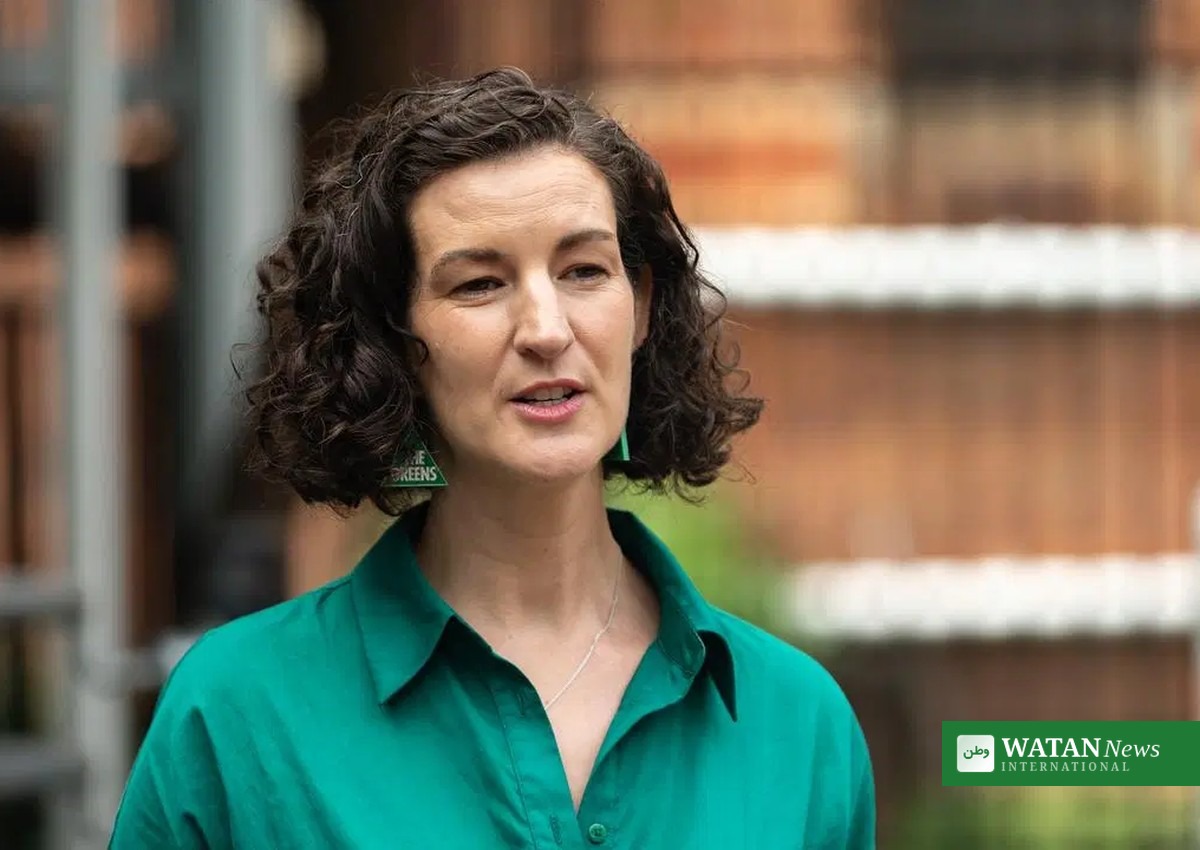
The Greens recorded their most successful campaign to date, winning at least six seats and likely more, and are vying with Labor to become the state’s official opposition — which would be a first in Australian electoral history, according to leader Ellen Sandell.
One Nation also surged, taking about a fifth of the primary vote and polling strongly in regional Victoria, where the ABC reported it attracted 32.3 per cent of first-preference votes, compared with 15.7 per cent in metropolitan areas. Party leader Pauline Hanson told supporters it was among the proudest moments of her life, although One Nation leader in Victoria Warren Pickering looked unlikely to win the seat of Pakenham.
The Coalition had been in opposition since 2014 and had formed government only once this century before, in 2010.
What happens next
Ms Wilson will be sworn in as premier once the result is formally confirmed and will then name her ministry. She campaigned on the cost of living, housing supply and law and order, and has promised a review of the state’s infrastructure pipeline and a budget update left behind by the outgoing government.
Full coverage of the 2026 Victorian election will continue as counting proceeds and the final make-up of Victoria’s parliament becomes clear.