Pakistan and China are exploring a joint research centre dedicated to graphene and advanced materials, in a step that could deepen scientific cooperation between the two countries and strengthen Pakistan’s place in next-generation technologies.
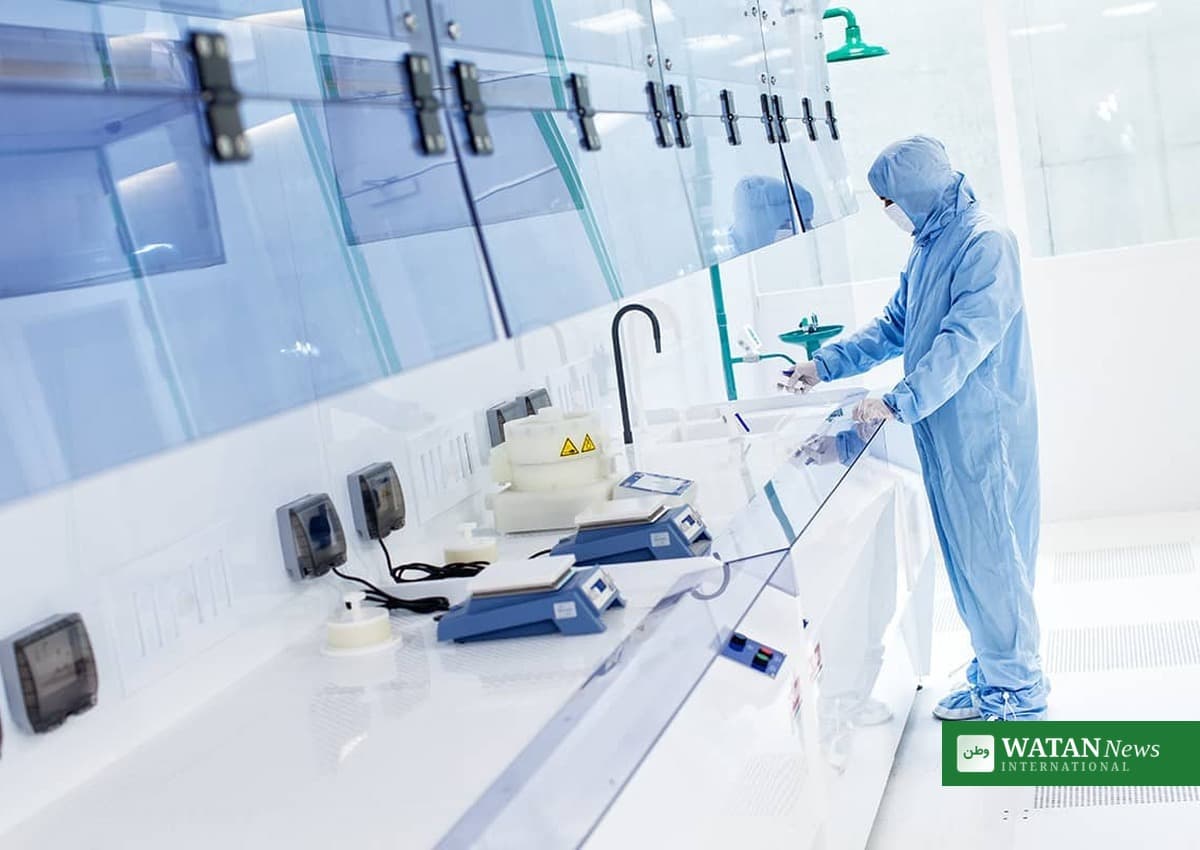
Researchers from both countries are discussing the establishment of a Graphene Research and Innovation Centre in Pakistan. The facility would support scientific research, technology development and industrial applications, and would connect Pakistani universities, research institutions and industries with Chinese expertise in one of the world’s most closely watched materials.
FAKTA
- What is being discussed: a joint Graphene Research and Innovation Centre in Pakistan
- Who is involved: researchers from China and Pakistan, the Beijing Graphene Institute, and Pakistan’s Planning Minister Ahsan Iqbal
- Status: the proposal remains under discussion and no formal decision has been taken
- Why it matters: graphene is central to semiconductors, advanced electronics, smart sensors and energy systems
- Next step: endorsement from the Ministry of Science and Technology and budget approval from the federal cabinet
What the centre would do
The proposed centre would act as a shared platform for researchers and industry professionals from both countries. According to information shared by the Beijing Graphene Institute, its leadership is interested in promoting cooperation through joint research, technology exchange, professional training and talent development.
Dr Ali Imran, a Pakistani research and development director working in China’s high-tech semiconductor chip industry, said a dedicated facility could help Pakistan strengthen its capabilities in graphene and advanced materials. Dr Qasim, a semiconductor research expert at the Beijing Institute of Technology, also welcomed the potential cooperation.
Pakistan’s National Centre for Physics is among the institutions expected to take part, and Pakistan would provide laboratory space and regulatory support for the project.
Why graphene matters
Graphene, a single layer of carbon atoms arranged in a honeycomb pattern, has attracted worldwide attention because of its exceptional electrical conductivity, thermal performance, strength and flexibility. Those properties make it valuable for next-generation electronics, semiconductor devices, intelligent sensors and advanced energy systems.
Interest in the material is growing as artificial intelligence, big data and advanced computing increase demand for high-performance chips. The cooperation also builds on wider Pakistan–China scientific ties, which already include a joint experiment testing graphene-based hybrid composites aboard China’s Tiangong space station.
What happens next
Federal Minister for Planning Ahsan Iqbal met Chinese researchers in Islamabad on Saturday, 28 November, to discuss the joint programme. The minister has linked advanced-materials cooperation with a goal of lifting Pakistan’s annual exports above $100 billion by 2035.
For now, the centre remains at the discussion stage. Final approval will require endorsement from the Ministry of Science and Technology and a budget allocation from the federal cabinet before any construction or formal launch can begin.
More international science and technology news is available on the Watan News English homepage.