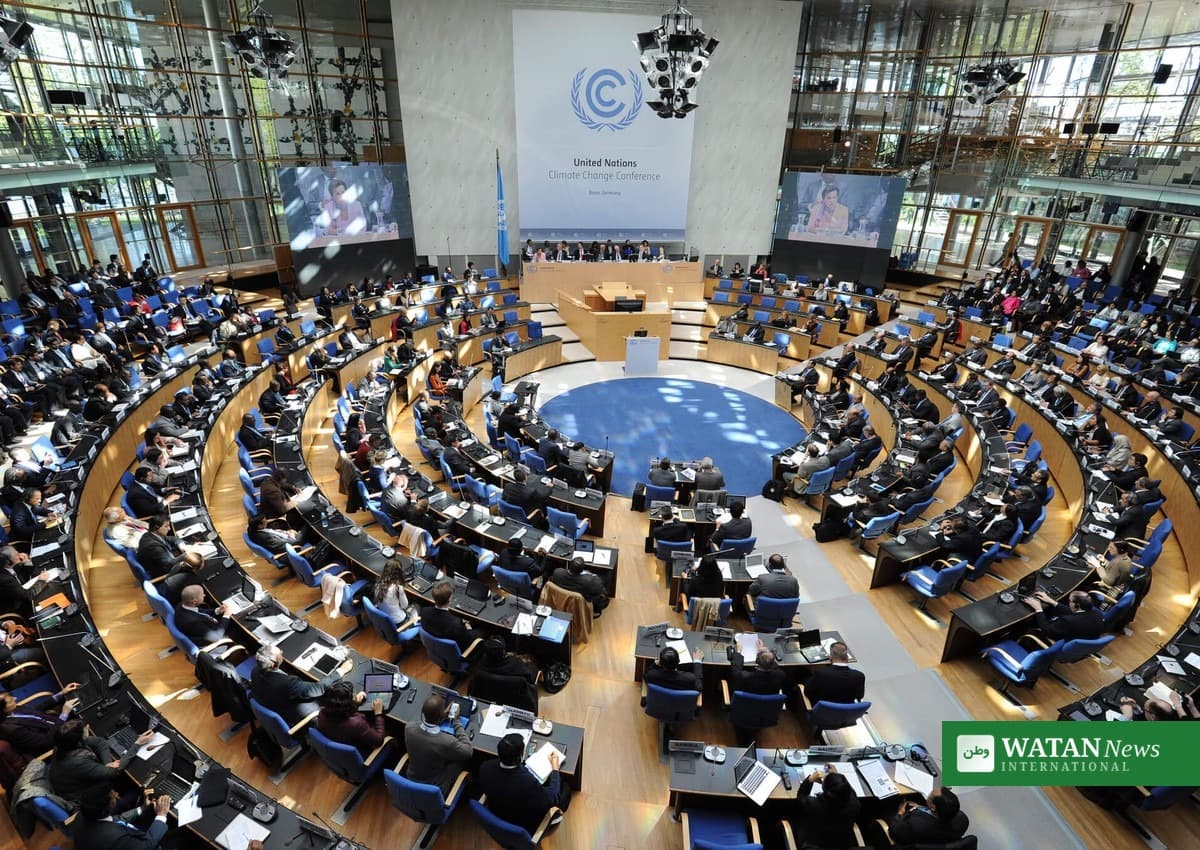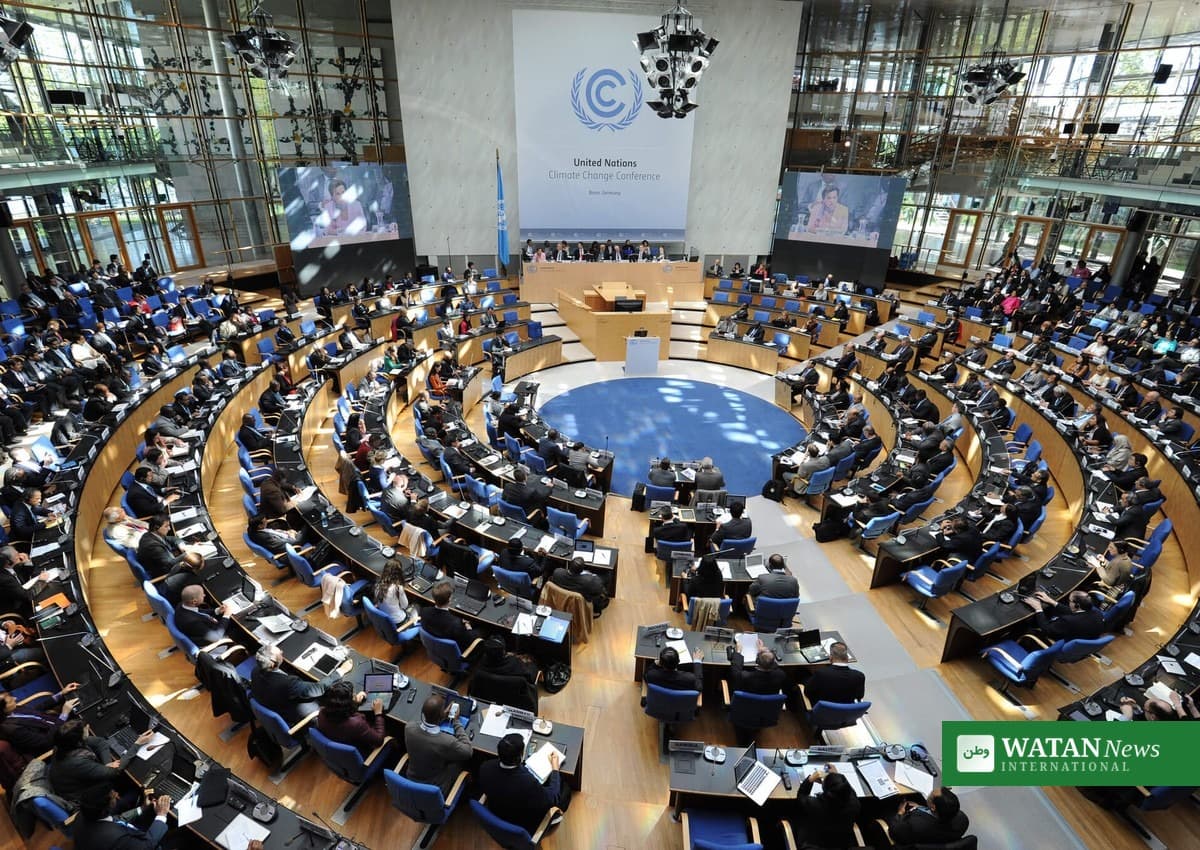
The year 2026 is on track to become one of the four hottest years ever recorded, the United Nations weather agency said on Monday, as a powerful El Niño builds on more than a decade of warming. The World Meteorological Organization (WMO) released its State of the Climate Update 2026 on the opening day of the COP31 climate talks in Antalya, Türkiye, warning that heat is accumulating across the oceans, atmosphere and ice at an accelerating rate.
FAKTA
- Global temperature, January to September 2026: about 1.47°C above the 1850–1900 pre-industrial average.
- 2023 to 2026 are set to be the four warmest years on record; the past 12 years are the 12 warmest.
- El Niño has intensified since August and is expected to reach record strength by December.
- Copernicus: 2026 virtually certain to be the second year after 2024 to pass 1.5°C.
- Global sea level is at its highest since satellite records began in 1993.
- The WMO report draws on nine international climate datasets.
A Warming Streak Without Pause
Every year since 2015 ranks among the 12 warmest since records began around 1850, and the last four top the list. The global average for the first nine months of 2026 stood at about 1.47°C above pre-industrial levels, with an uncertainty of plus or minus 0.13°C. That sits below the 2024 record of 1.55°C and close to the full-year figures for 2023 and 2025. The WMO said every major indicator points toward continued warming, as greenhouse gases trap heat and drive changes in the oceans, the atmosphere, melting ice and rising seas.
El Niño Set to Push Heat Higher
The final figure for 2026 is likely to rise further before the year ends. A major El Niño has been intensifying since August and is expected to be the strongest on record by December, after the year began under cooling La Niña conditions. The WMO warned that the strong El Niño will unleash more heat and extreme weather well into 2027, and some scientists predict next year could become the hottest on record. Copernicus gives 2026 an 80 percent chance of finishing second behind 2024. The four-year average temperature for 2023 to 2026 is expected to exceed 1.5°C, the threshold set by the 2015 Paris Agreement.
Oceans Absorb the Heat
The report also warned that ocean temperatures continue to rise. Global ocean heat content is heading for a tenth consecutive year of record levels, and sea level has reached its highest point in the satellite record. The ocean absorbs around 90 percent of the excess heat trapped by greenhouse gases. Melting glaciers and ice sheets add water, while warming seawater expands, pushing sea levels higher.
The findings were released as countries gather in Türkiye from 9 to 20 November for the next round of climate negotiations, giving leaders the latest data as they debate how to speed up efforts against global warming. Scientists warn that continued emissions will raise the risks for communities worldwide. More climate coverage is on Watan News.