Dialogue Earth will mark 20 years of climate journalism with an online panel on Wednesday 18 November 2026, asking a stark question: what will the world look like if climate journalism continues to shrink?
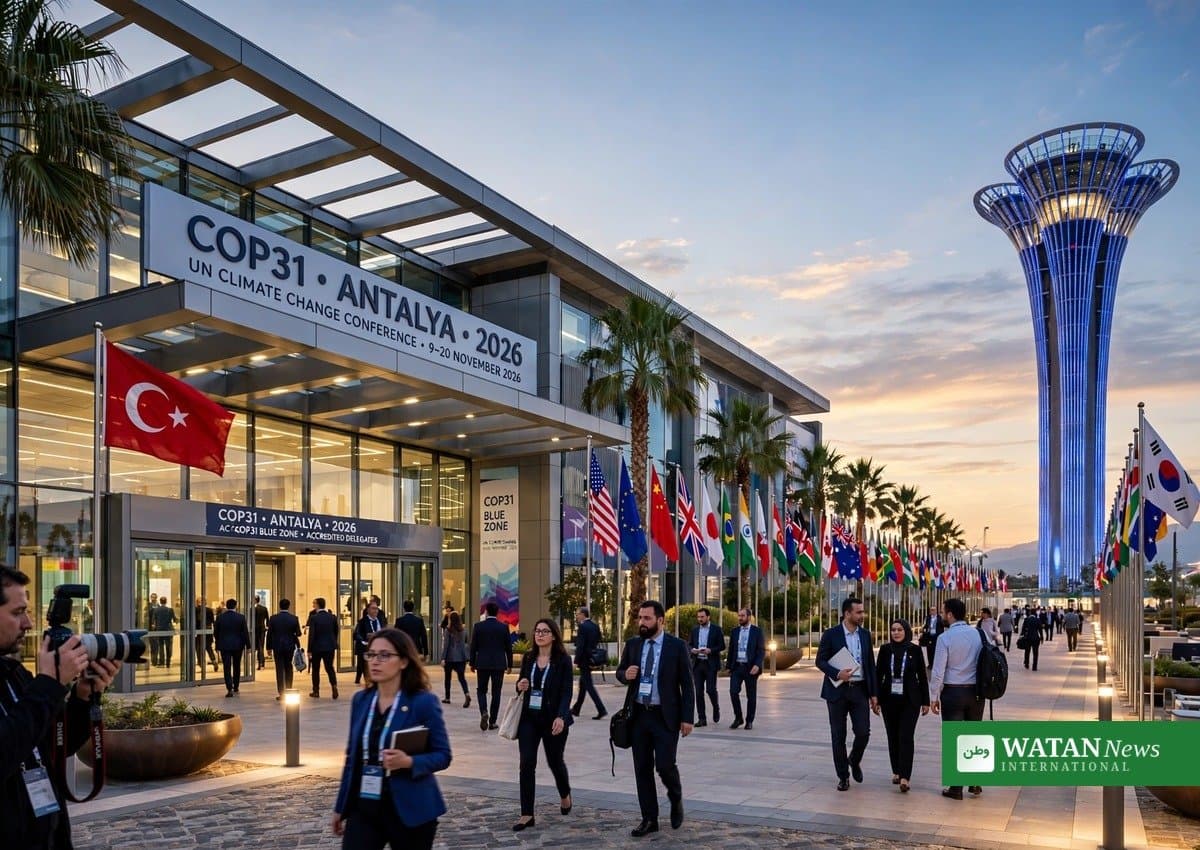
The panel, titled “A silent climate: What’s at risk if journalism keeps shrinking?”, runs from 1pm to 2pm GMT (6pm to 7pm PKT) and takes place online, with registration open on Zoom. It is organised by Dialogue Earth, the independent non-profit dedicated to fact-based climate journalism, as world leaders gather in Antalya for the COP31 climate summit.
Two editors, one question
Two speakers have been confirmed so far. Leo Hickman, director and editor of Carbon Brief, spent 16 years at The Guardian and was formerly chief adviser on climate change at WWF-UK. Diego Arguedas Ortiz is a reporter and co-founder of the Informed Earth Climate Journalism Network, a training programme for reporters and editors; he was formerly associate director of the Oxford Climate Journalism Network and founded the Latin American climate journalism outlet Ojo al Clima.
Both are billed as the first and second speakers, so further speakers may still be announced before the event. The panel’s central question, as the organisers put it, is: “What will the world look like if climate journalism continues to shrink?”
Why the timing matters
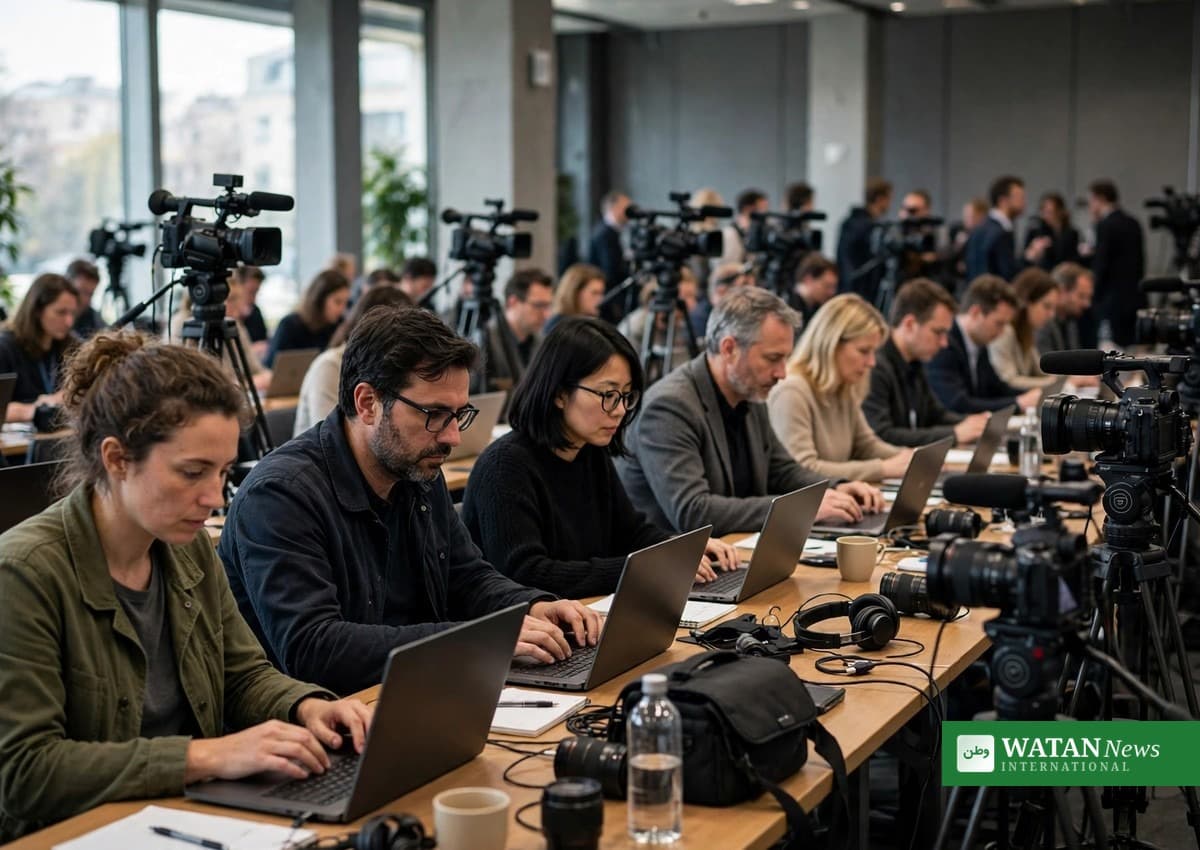
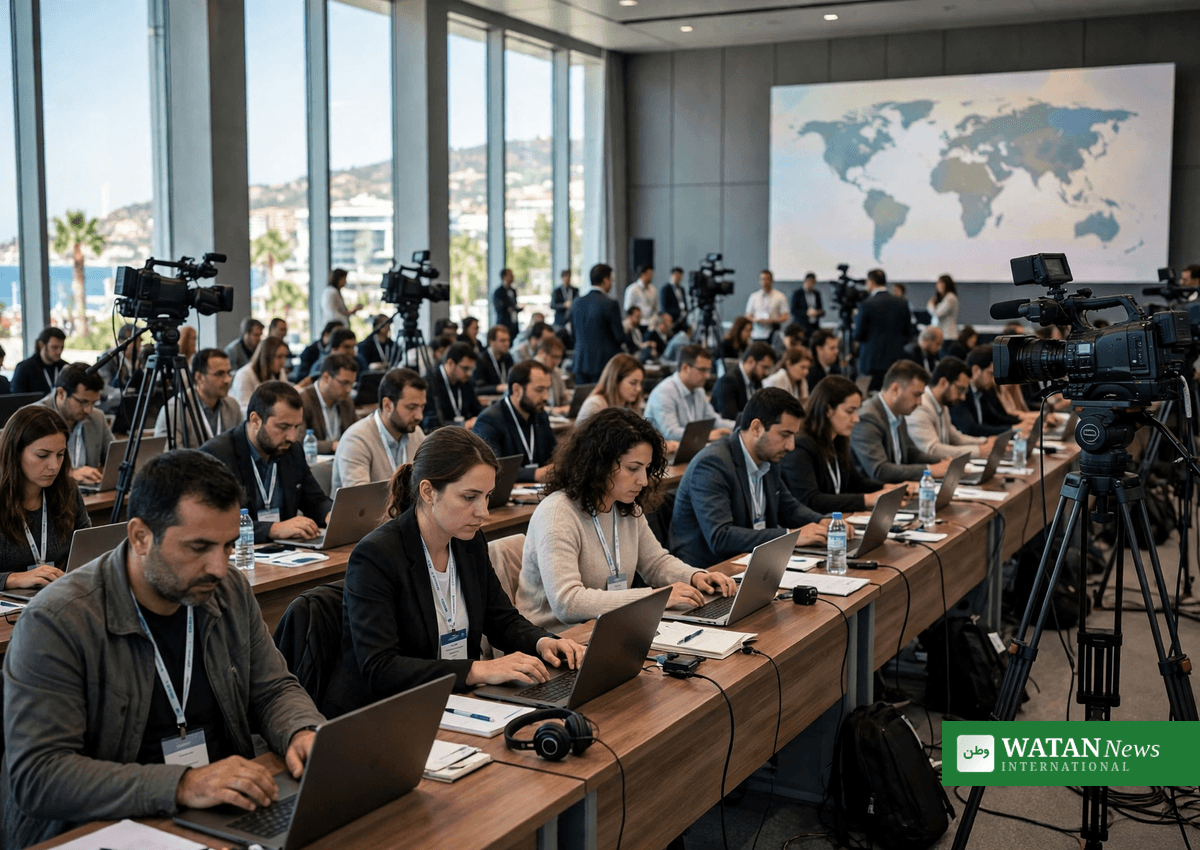
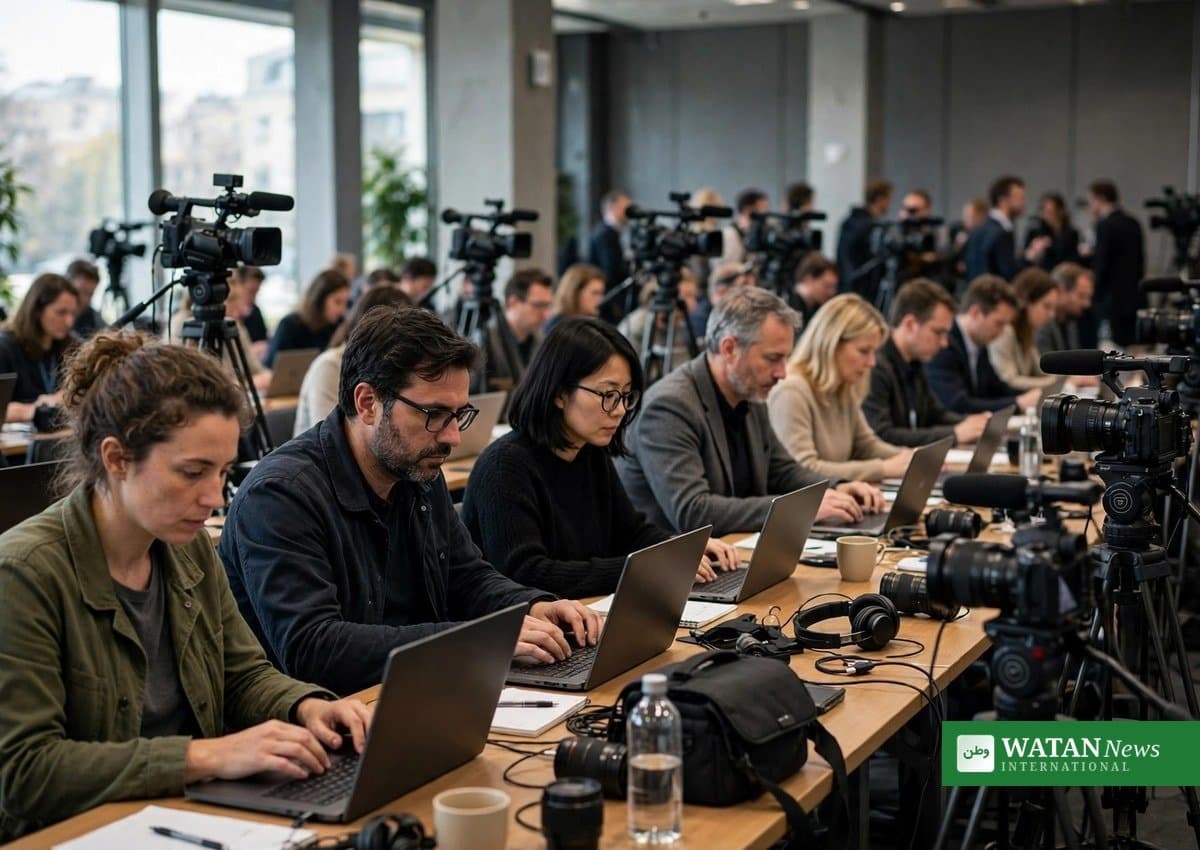
The panel falls in the second week of COP31, which opens in Antalya on 9 November and runs until 20 November 2026. Newsrooms are sending large teams to cover the summit — the news agency AFP alone will have 17 journalists in Antalya, according to Covering Climate Now, which published a reporting guide for journalists covering the talks.
Related reading on Watan News: Journalists gear up for COP31 as Covering Climate Now publishes Antalya reporting guide.
The pressures on climate reporting
The organisers describe climate journalism as a crisis of numbers: newsrooms closing, revenues falling, audiences declining and social media traffic turning away, just as the environmental crisis becomes ever more urgent. Their argument is that journalism does more than reach readers — it brings issues into public consciousness, asks questions those in power would rather not answer, and builds political will for change.
The pressures are documented. A 2024 global study by Internews’ Earth Journalism Network and Deakin University, “Covering the Planet”, surveyed 744 journalists and editors in 102 countries and interviewed 74 journalists in 31 countries. It found that 39% had experienced threats as a result of their work, and almost two-thirds felt obliged to use climate sceptics as sources for the sake of “balance”. It was the first truly global investigation of the state of climate and environmental journalism.
Twenty years of Dialogue Earth
Dialogue Earth has reported on climate and the environment for two decades, publishing in several languages including Urdu, and reaching readers in Pakistan as well as across Asia. In September 2026 it marked the anniversary with an article titled “Dialogue Earth at 20: ‘We will not vacate the space’”.
The 18 November panel is part of that anniversary programme, and it is deliberately timed to the COP31 fortnight: the organisers say the aim is to ask what it will take to ensure that the stories that matter continue to be told.
FAKTA
- What: “A silent climate: What’s at risk if journalism keeps shrinking?”, an online panel marking Dialogue Earth’s 20th anniversary.
- When: Wednesday 18 November 2026, 1pm–2pm GMT (6pm–7pm PKT).
- Where: Online, with registration open on Zoom.
- Who: Leo Hickman, director and editor of Carbon Brief, and Diego Arguedas Ortiz, reporter and co-founder of the Informed Earth Climate Journalism Network. More speakers may be announced.
- Why it matters: Newsrooms are closing and climate reporting is under pressure just as the climate crisis deepens; the panel asks what it will take for the stories that matter to keep being told.
The panel will not decide the future of climate journalism. Its measure will be simpler: whether the conversation it starts — about funding, safety and space for reporters — continues after the hour is over.