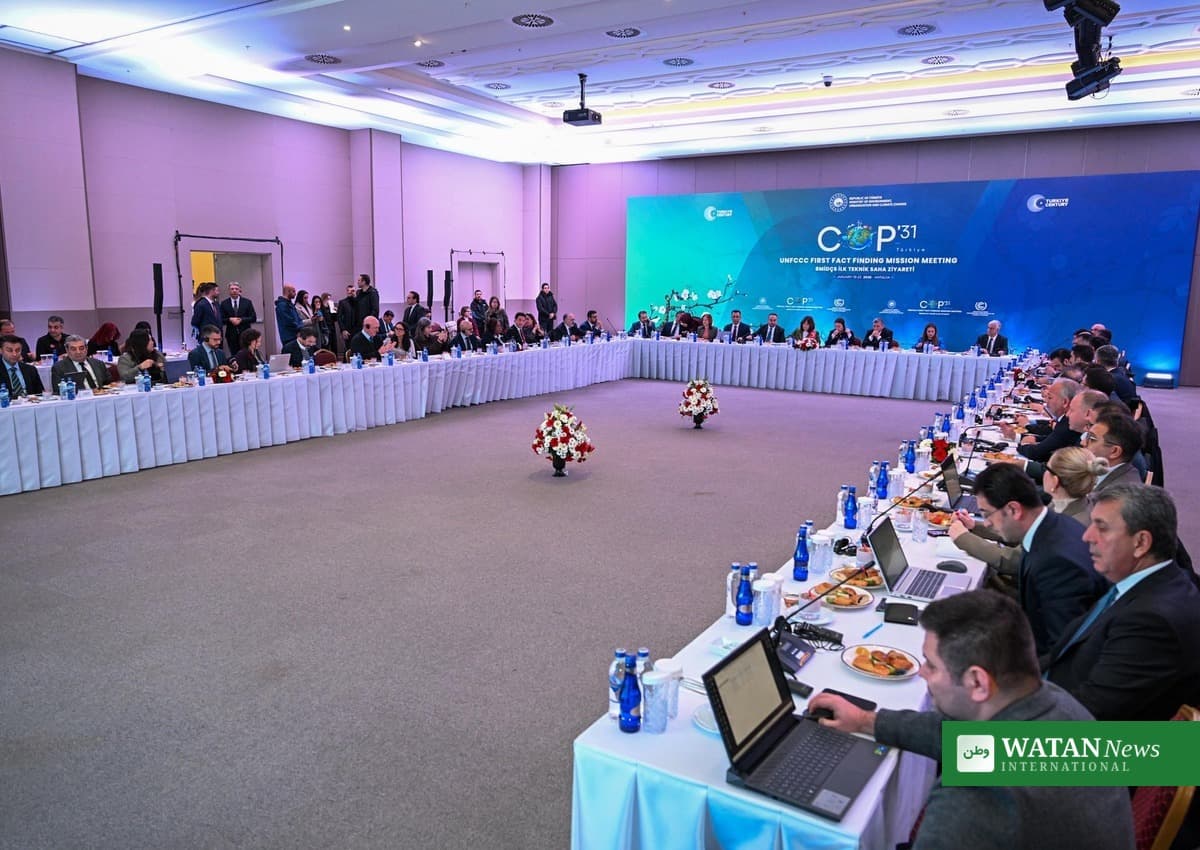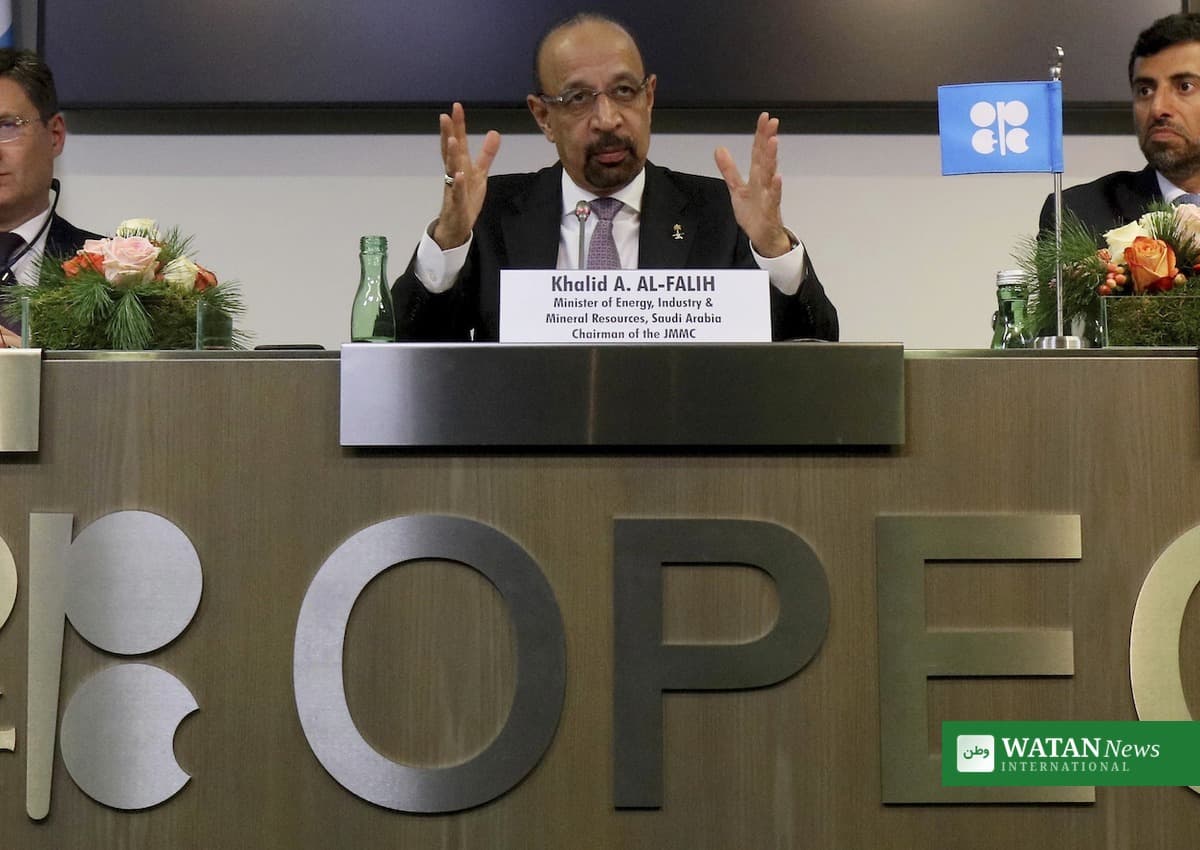
OPEC+ failed to agree on key decisions for next year at a meeting on Sunday, after Iraq held up a review of members’ oil production capacity, leaving the alliance with no clear 2027 output policy. The OPEC+ 2027 oil output decision was supposed to be settled at the meeting, but delegates said the talks were complicated and difficult, and the group instead pushed the decision to June 2027.
FAKTA
- OPEC+ met online on Sunday, 29 November 2026, to set production targets for 2027.
- Iraq challenged the findings of the group’s first-ever review of members’ production capacity, and the plan was delayed.
- Further talks with the consultants behind the review are to be held by the end of March 2027.
- The group will decide output targets for the period after March at its next meeting on 6 June 2027, or earlier if market conditions allow.
- Delegates said existing output targets would stay unchanged for the first quarter of 2027, but the official statement listed no 2027 quotas.
Iraq’s Objection Held Up the Deal
The review, the first of its kind, was meant to set each member’s maximum sustainable production capacity as the basis for its 2027 quota. Instead, Iraq rejected the capacity figure it was given as too low: the review puts its capacity below five million barrels a day, while Baghdad says it can reach 5.2 million.
Iraq’s Oil Minister, Bassem Khudair, said on Friday that Iraq was negotiating with OPEC to lift its ceiling, and that the talks were more than a formality. He pointed to Iraq’s status as a founding member of the organisation and said defending its rights was its entitlement.
OPEC Secretary-General Haitham al-Ghais said in mid-November that, for the first time, maximum sustainable capacities had been set through an “independent and objective process”. The capacity levels come from two years of analysis by the US consultancy DeGolyer and MacNaughton.
What the OPEC+ 2027 Oil Output Deadlock Means for Markets
Oil prices rallied above $100 a barrel this year on the Iran war and supply disruptions, but have eased in recent weeks as Gulf exports rose and traders braced for a surplus in 2027. Rystad Energy expects a global oil surplus of about five million barrels a day next year — roughly 5% of world demand — even if Gulf supplies recover only partly.
Rystad Energy analyst Jorge Leon told AFP the meeting had been billed as among the most consequential in years, yet ended with “a decision not to decide”. He said the group had gained time without solving its difficulties, and warned that postponing decisions does not postpone “market reality”.
The International Energy Agency now expects a return to surplus in the fourth quarter, with supply rising and demand subdued. Arne Lohmann Rasmussen of Global Risk Management said before the meeting that a large surplus “may necessitate production cuts in 2027” — leaving open which members would accept cuts.
Read more: Oil Prices Near $98 as Gulf Attacks Stoke Supply Fears
A Group Under Strain
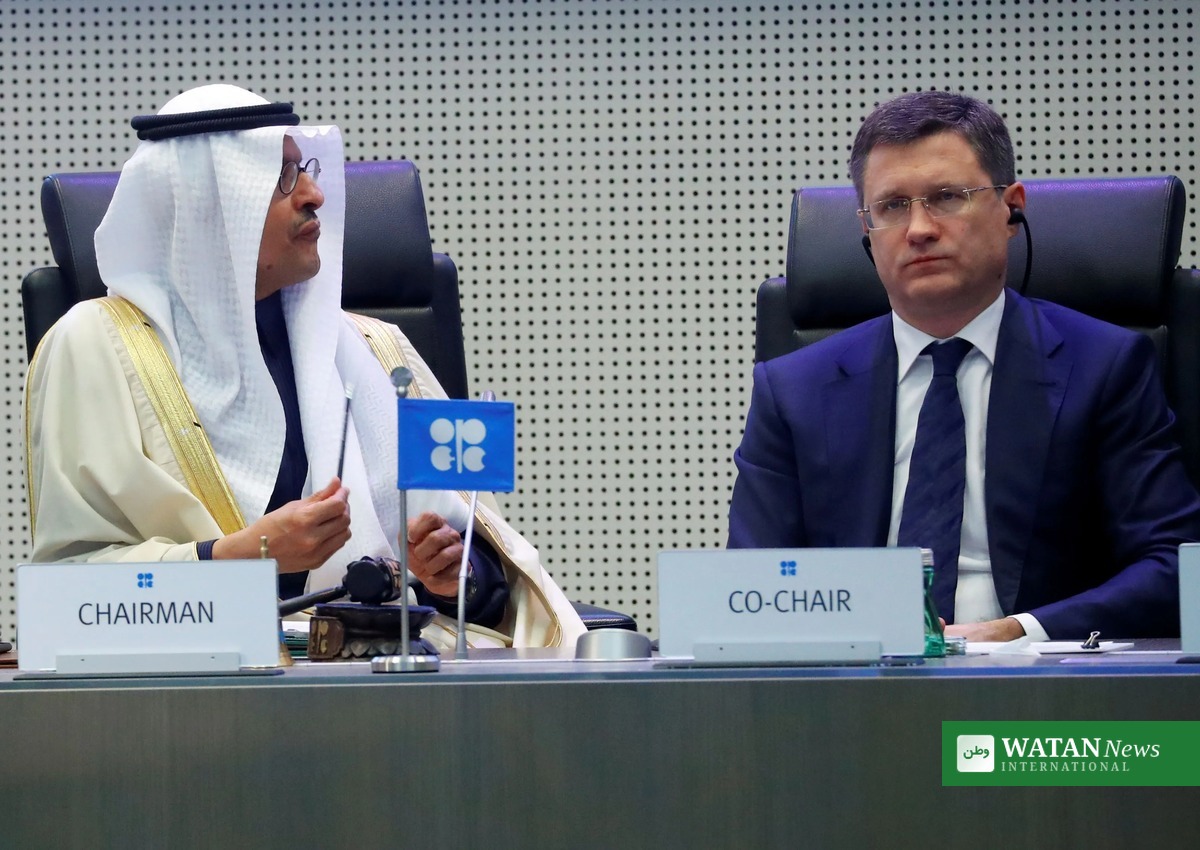
The deadlock comes as the alliance is already under strain. The United Arab Emirates left OPEC and OPEC+ earlier this year to pump more oil after years of arguing that its quota was too low. Angola quit OPEC at the start of 2024, and Iraq has warned it may leave if its quota is not raised.
Reuters reported that the Iran war and pressure from Washington are creating rifts in the alliance. The war has affected the Strait of Hormuz, and attacks on energy infrastructure have continued during Russia’s invasion of Ukraine.
What Happens Next
Seven OPEC+ members — Saudi Arabia, Russia, Iraq, Kuwait, Kazakhstan, Algeria and Oman — also met on Sunday. Their statement made no mention of any new oil production targets for 2027, and no new meeting date was set for the group. They will keep consulting through the Joint Ministerial Monitoring Committee, which meets once every two months.
OPEC said the group would decide output targets for the “subsequent period” using the capacity findings at its June meeting, or earlier if market conditions permit. Until then, the alliance enters 2027 without an agreed production plan.