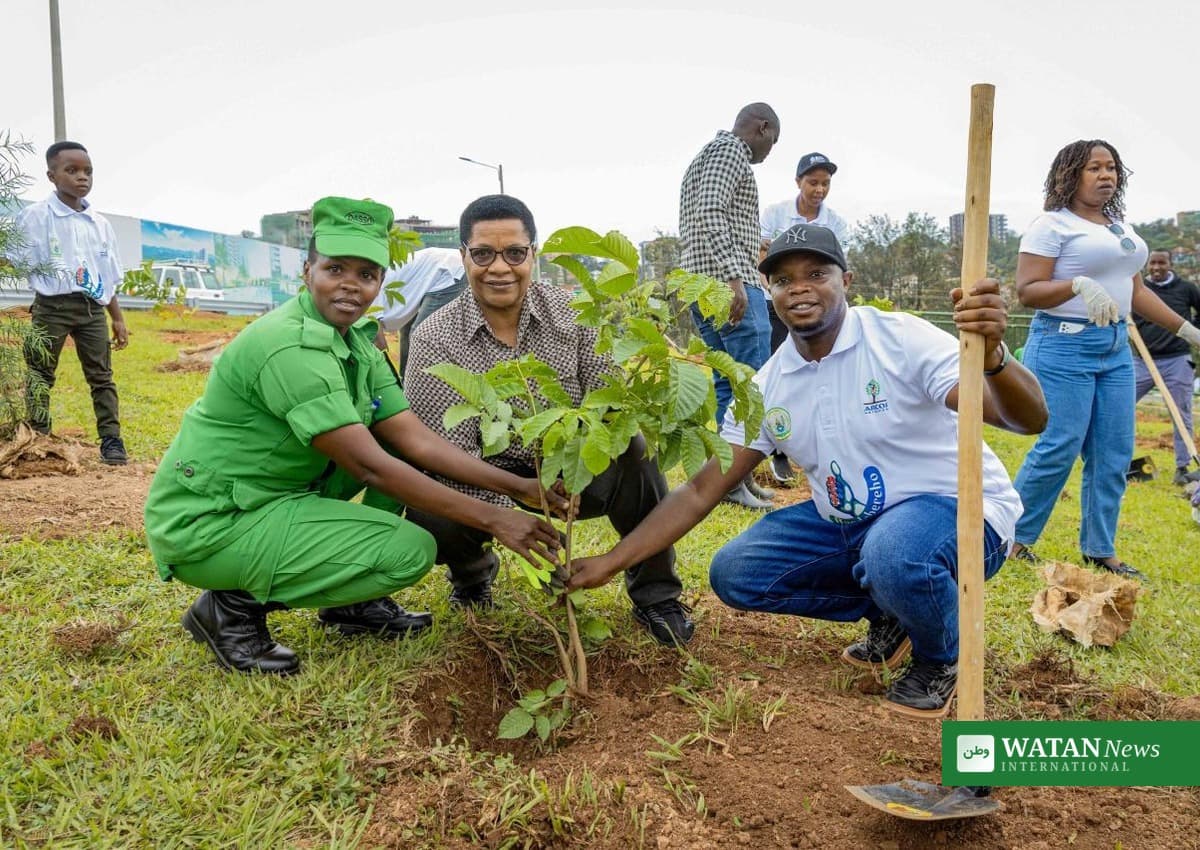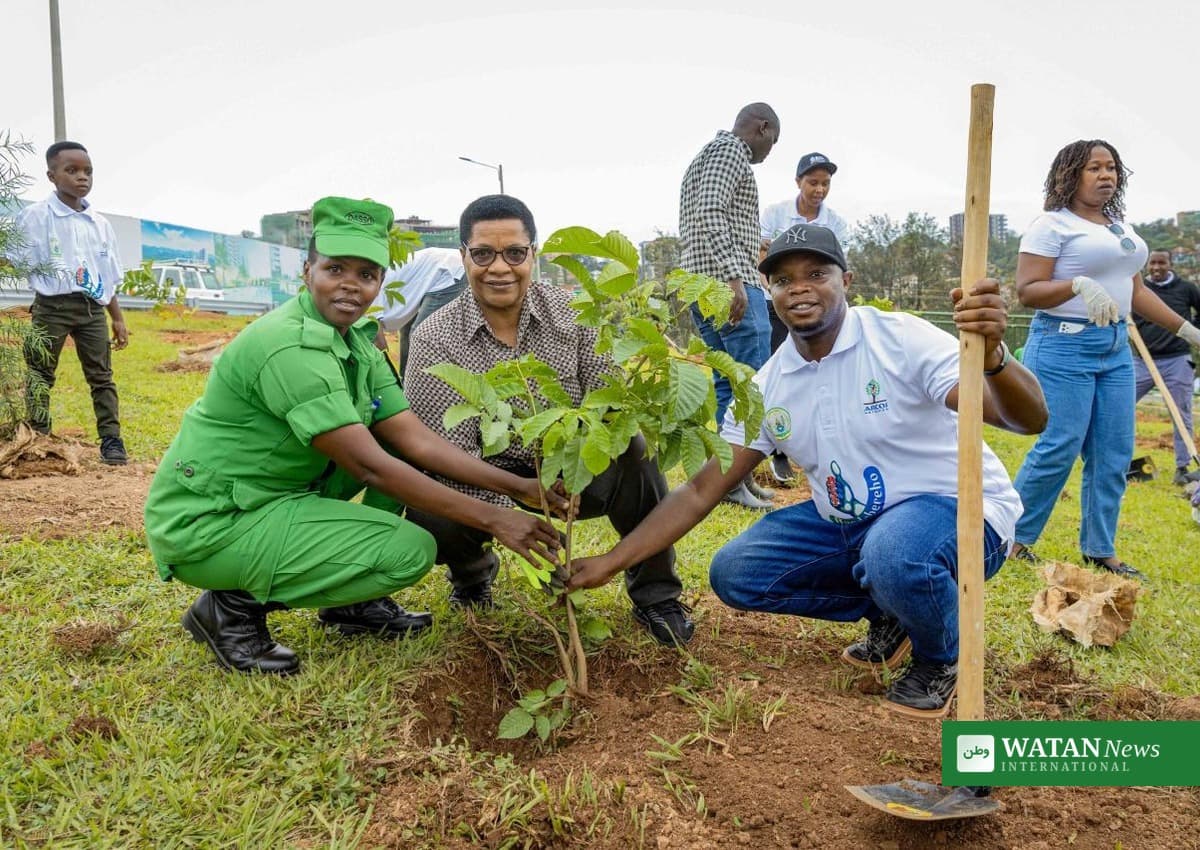
Kigali, Rwanda: Rwanda’s capital has launched a plan to plant 50,000 fruit trees across the city over the next two years, turning unused urban spaces into productive green areas that feed households and cool neighbourhoods. The Edible Urban Forests Initiative was launched on Saturday, 28 November 2026, in a community planting exercise in Masaka Sector, Kicukiro District, bringing together the Rwanda Environment Management Authority (REMA), the City of Kigali, the Food and Agriculture Organization of the United Nations (FAO) and local residents.
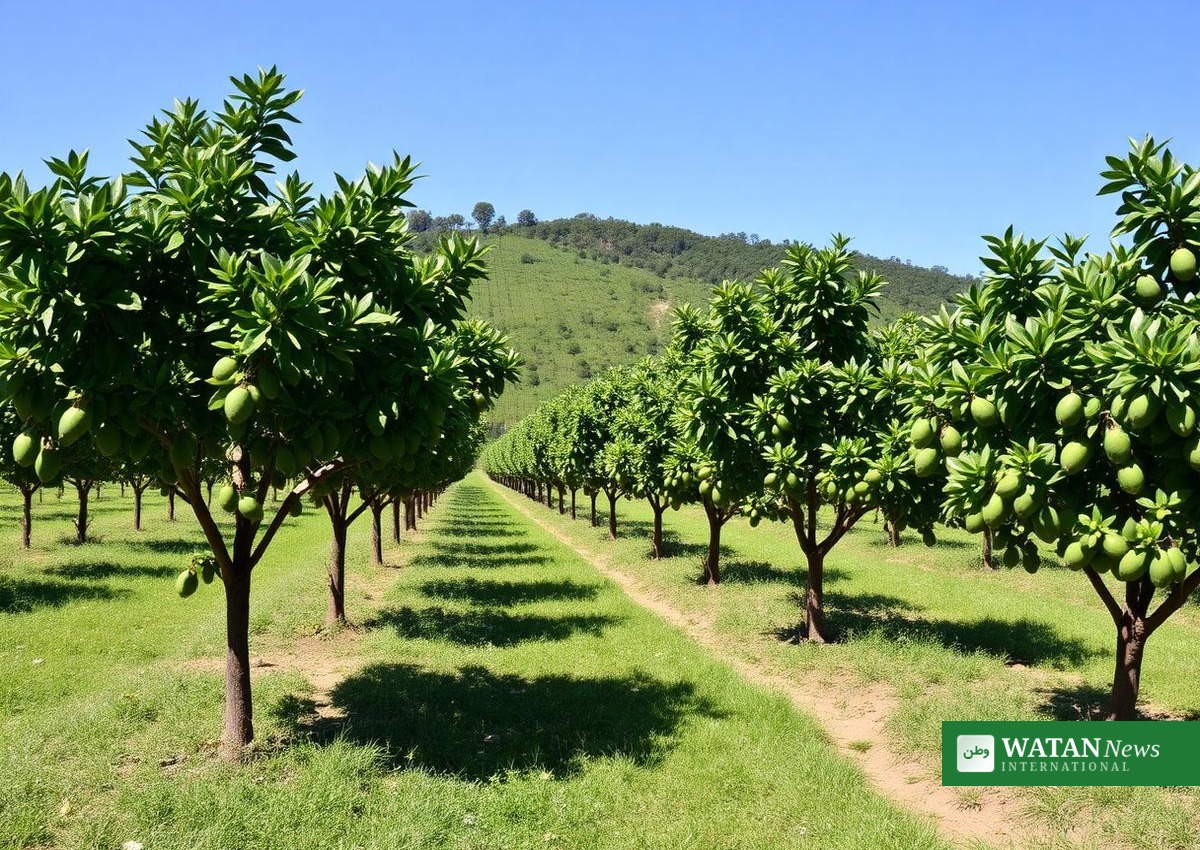
The selected varieties include mangoes, avocados and citrus trees — fruit that can improve household nutrition while the trees themselves provide shade, support urban biodiversity and help the city cope with a warming climate.
What the Edible Urban Forests plan covers
Under the initiative, grafted fruit trees will be planted in Kigali and surrounding areas, with the wider programme described in reporting as covering 55,000 grafted trees. The project is implemented through FAO’s Technical Cooperation Programme, together with REMA, the Rwanda Forestry Authority and the City of Kigali.
The aim is to transform underused urban land into fruit-bearing green space: more food grown close to home, more shade in hot neighbourhoods, and more green cover in a fast-growing city. FAO’s work in Kigali also sits within its Green Cities initiative, which supports urban agriculture for food security and nutrition.
Care matters as much as planting
Speaking at the launch, Fidèle Bingwa, Permanent Secretary at the Ministry of Environment, urged residents to look after the trees once they are in the ground. “The trees we have planted must be monitored and properly maintained so that they can provide the benefits we expect from them,” he said, adding that the initiative’s success would depend on communities watering, protecting and monitoring the trees as they grow.
A fruit tree in every household
On the same day, Prime Minister Dr Justin Nsengiyumva joined residents of Kamonyi District for a separate community tree-planting exercise, where he called on every household to plant a fruit tree at home. “Everyone should get a fruit tree and make sure to plant it at home. You have to ensure that you take care of these trees,” he told residents, adding that fruit trees should become part of every planting effort so households have access to healthy, nutritious fruit.
The Kamonyi exercise aimed to plant 1.4 million trees this year, with 12,100 trees planted across 5.5 hectares at the Kanyinya site. The site is part of a 38.25-hectare forest restoration programme under the Forest Investment Program – Development of Agroforestry for Sustainable Agriculture in Rwanda (FIP-PRODAR), which will provide 15,174 fruit trees and up to 479,000 trees that can be integrated into crop farming. The work is complemented by the $20 million LDCF-IV climate-resilience initiative.
In Rwamagana District, Chief Justice Domitille Mukantaganzwa joined residents in planting 12,000 trees near Lake Muhazi, urging them to protect the environment and plant different varieties, including fruit-bearing species.
Part of a national planting season
The Kigali launch comes as Rwanda implements its 2026/2027 tree and forest planting season. According to the Rwanda Forestry Authority, 13.87 million trees had been planted nationwide as of 27 November 2026, against a seasonal target of about 80.47 million trees. The Cabinet launched the 2026/2027 planting and reforestation campaign on 26 November, calling on citizens to take part in tree planting and forest conservation.
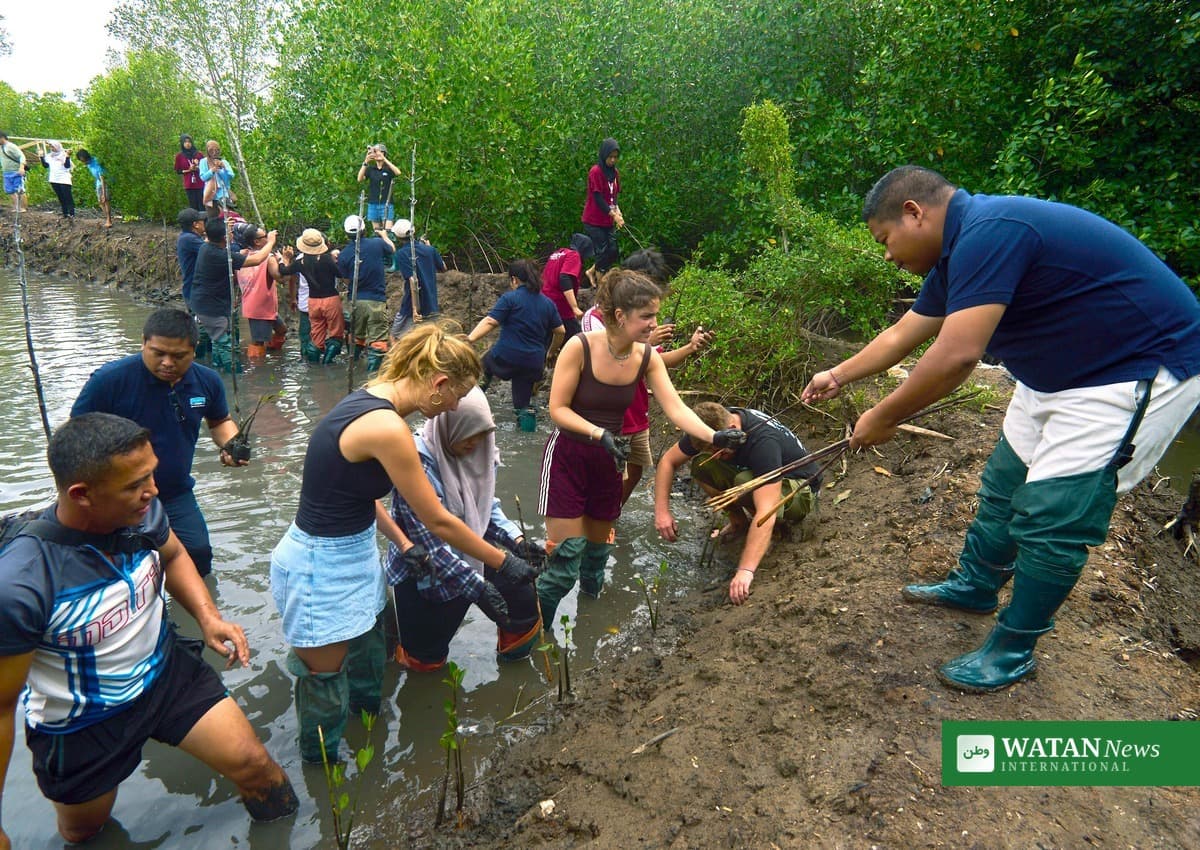
The launch also comes a week after COP31 in Antalya, Türkiye, closed on 22 November without agreement on its final text — a reminder, for many observers, that much of the climate response now depends on practical action in cities and communities. Tree-planting drives are under way elsewhere too: Indonesia marked its national tree-planting day with mangrove restoration along its coasts.
The initiative’s test will be measured in years, not in a single day of planting: only when the trees grow and bear fruit will they give neighbourhoods shade and food. That is the quiet work of sustainable living — turning the space around a home into something that feeds it. For more on tree planting for climate, read Indonesia’s tree-planting day and mangrove restoration.
FAKTA
- What: Edible Urban Forests Initiative — 50,000 fruit trees across Kigali over two years.
- Launched: Saturday, 28 November 2026, Masaka Sector, Kicukiro District.
- Partners: REMA, the City of Kigali and FAO, with the Rwanda Forestry Authority.
- Trees: Mangoes, avocados, citrus and lemon trees, planted by grafting.
- National picture: 13.87 million trees planted in Rwanda’s 2026/2027 season as of 27 November, against a target of about 80.47 million.