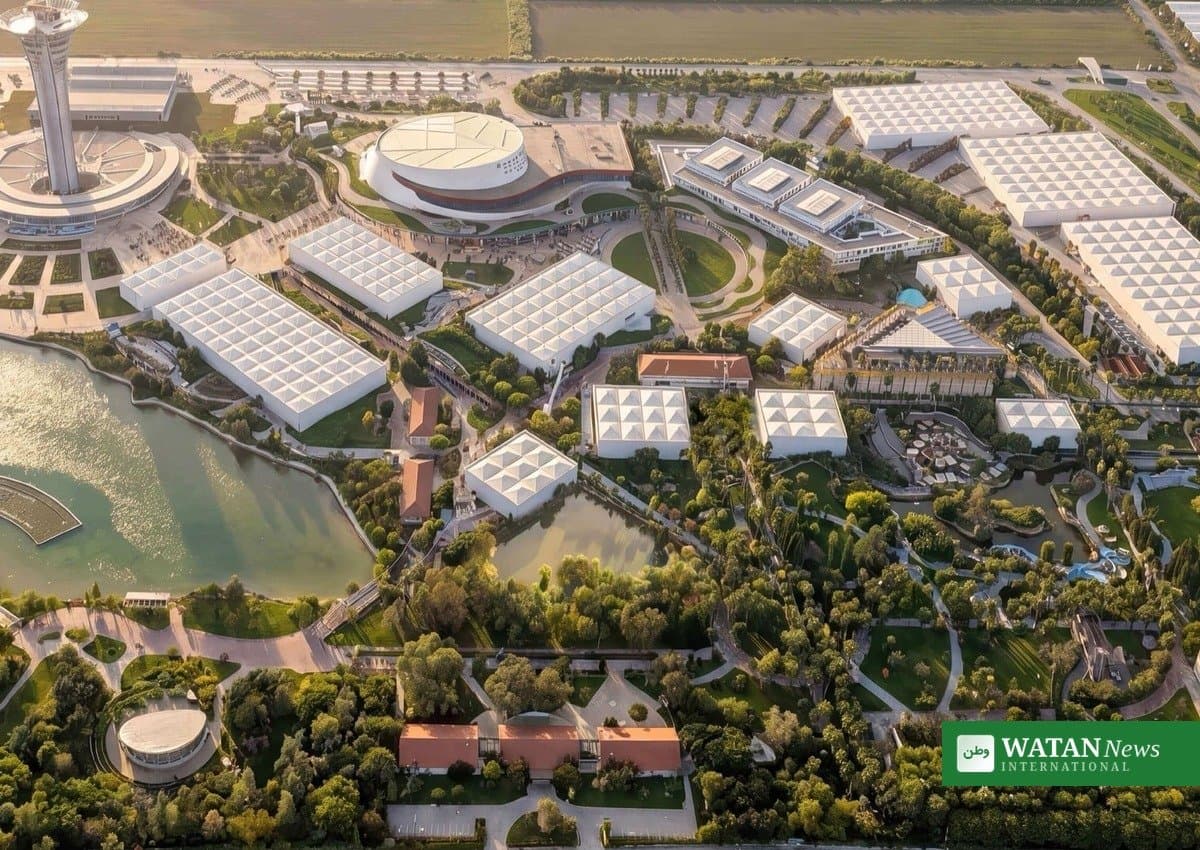
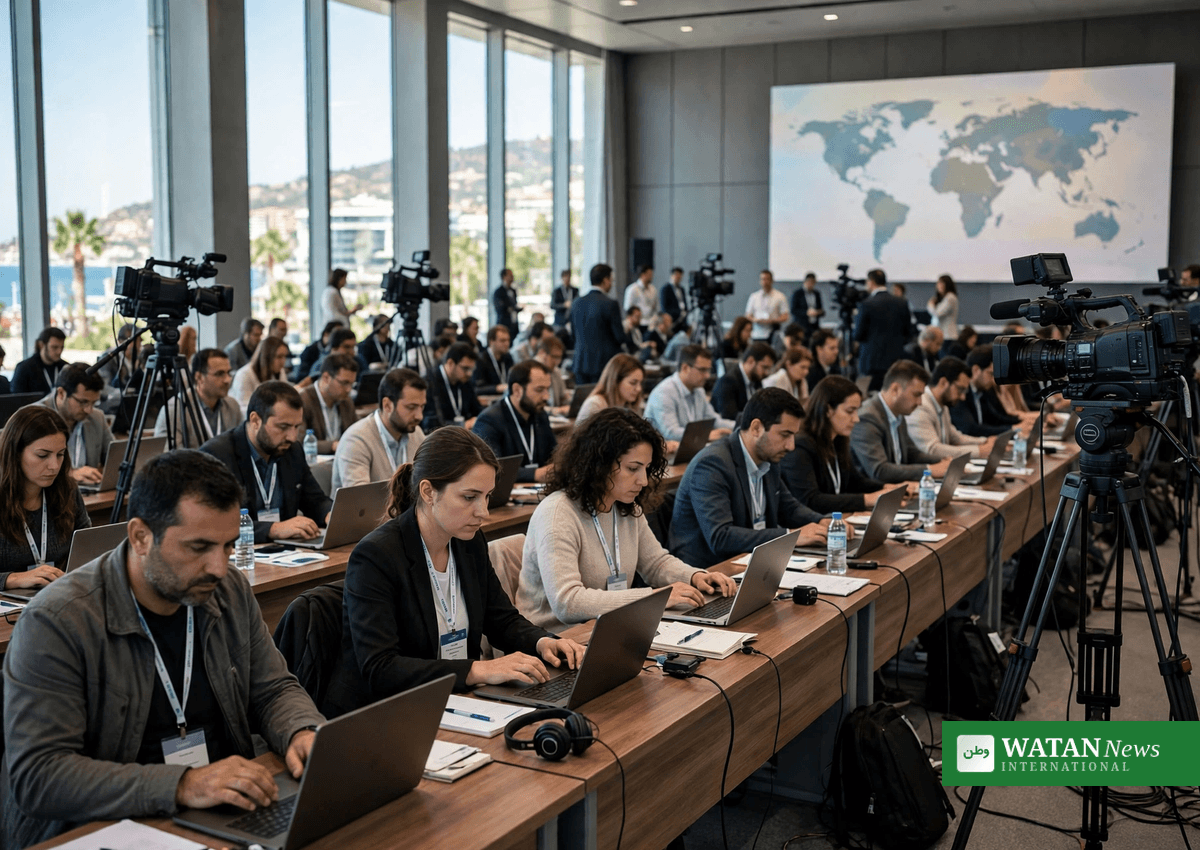
With COP31 opening in Antalya on Monday, 9 November, journalists covering the United Nations climate summit have a new playbook. Covering Climate Now, the global collaboration of newsrooms reporting on climate, published its COP31 coverage guide on 5 November, offering preparation tips, trusted resources and the storylines its editors say reporters should follow across the two-week summit, which runs until 20 November.
Key facts
- COP31 takes place in Antalya, Türkiye, from 9 to 20 November 2026.
- Covering Climate Now published its COP31 reporting guide on 5 November 2026.
- The network organised four preparation webinars for journalists ahead of the summit.
- Agence France-Presse will have 17 journalists in Antalya, according to Covering Climate Now.
- Applications for in-person press accreditation have closed; many sessions will be live-streamed.
Prepare before you arrive
Covering Climate Now organised four webinars last week to help journalists get ready for the summit. The panellists, who had covered many previous COPs, warned that the conferences are so full of activity that it is easy to get overwhelmed. Their advice was to decide in advance which topics to cover and to stick with them.
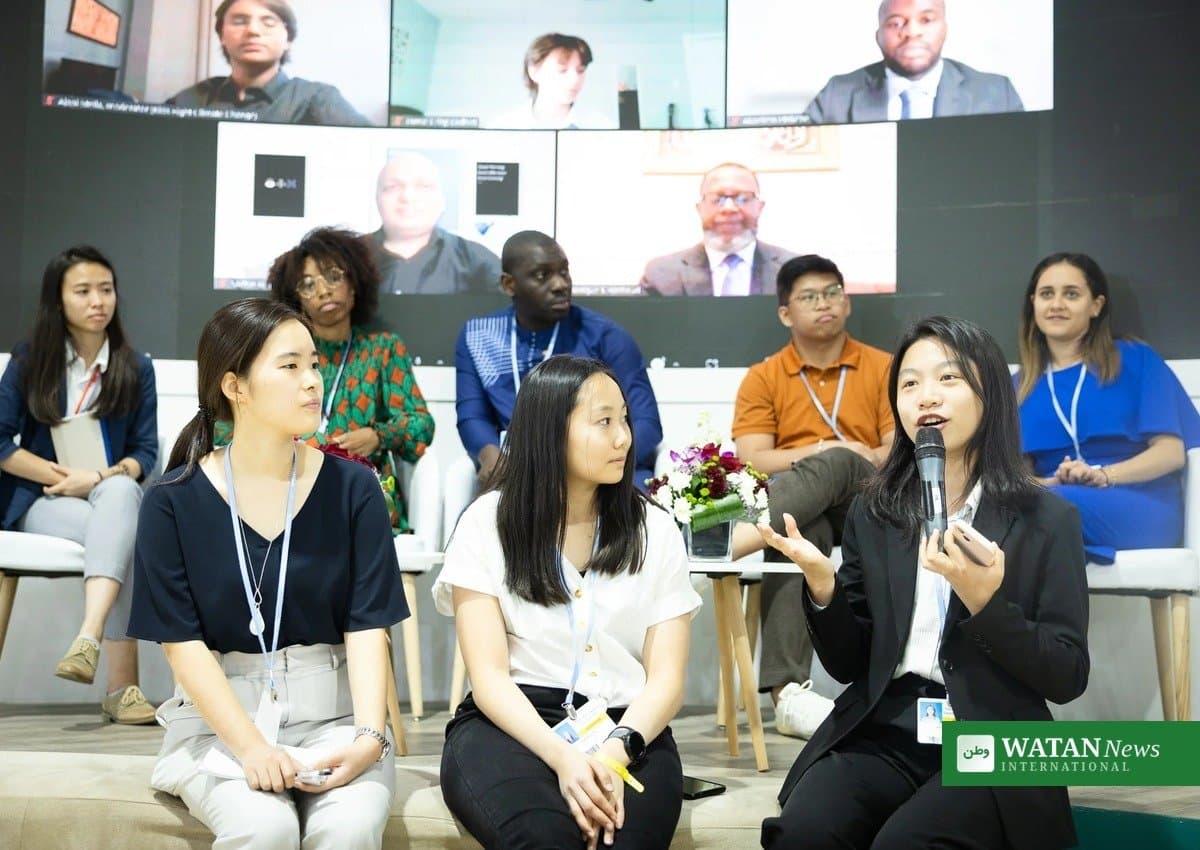
The network will be on the ground in Antalya. It is holding a side event on The 89 Percent Project, featuring the oat drink company Oatly and the Japanese non-governmental organisation Media Is Hope, at 11am local time on 12 November in the Ukraine pavilion; the event will also be live-streamed. The network is also hosting gatherings for journalists in the media hall and at Karaf Bistro in Antalya’s old town district on 16 and 18 November.
The resources reporters will rely on
The guide points reporters to a set of established resources for following the negotiations. The UNFCCC COP31 landing page carries the summit schedule, agenda documents and media resources, including press releases from governments and civil society groups. The Earth Negotiations Bulletin, published in English, French and Spanish, provides an authoritative summary of the previous day’s developments along with a list of what is on the agenda. The Climate Action Network publishes daily updates from an activist perspective.
For background on how strong national climate policies are, the guide recommends the Climate Action Tracker, published by Climate Analytics, which ranks countries on a scale from “Critically Insufficient” to “1.5C Paris Agreement Compatible”. Carbon Brief’s “Who Wants What” database shows where each country stands on the key issues at COP31, and its text tracker follows how the negotiating texts evolve.
The stories to watch in Antalya
One storyline the guide highlights is the coalition of countries working on a roadmap to phase out fossil fuels. At COP30, more than 80 countries wanted to develop such a roadmap, but a handful of oil-producing states blocked them. In April, 57 of those countries met in Santa Marta, Colombia, to begin drawing one up anyway. According to the guide, the coalition will release a report on its progress on 16 November, and Germany, France and the Netherlands have already published plans to phase out fossil fuels.
Brazil, the host of COP30, published the first global roadmap for phasing out fossil fuels on 3 November, along with a roadmap for ending deforestation that nearly 100 countries supported at COP30. The guide also notes that the United States midterm elections, in which Democrats won control of Congress, have made COP31 a more closely watched story, and that vulnerable countries will be looking for momentum on loss and damage and other forms of aid. Readers can follow the summit’s wider context in our report on COP31 opening without the United States.
Covering the summit from a distance
It is too late now to apply for press credentials to cover COP31 in person, but the guide says covering it remotely has never been easier, because many sessions will be live-streamed. Doreen Ajiambo, whose reporting on what COP30 could mean for women in the Horn of Africa won a Covering Climate Now Journalism Award, advises remote reporters to “find real people who have been affected by climate change… Then you bring in what is being said at COP, what commitments are being made by world leaders.”
The guide’s final advice is practical: covering a COP is a marathon, not a sprint, and reporters should eat well, sleep properly and stay hydrated, because the talks invariably extend into the early hours of the last day or beyond.
Reporting conditions in the host country
The guide also notes that journalists should bear in mind the conditions for the press in the host country. On 14 October, police raided the Istanbul headquarters of the broadcaster Halk TV, and a government-appointed administrator took control and halted its live broadcasts. The Istanbul Chief Public Prosecutor’s Office said the operation was part of a financial-crimes investigation into the channel’s owner over allegations of bribery, bid-rigging and money laundering; the allegations have not been proven in court. Human Rights Watch said the takeover restricts access to independent news, while Amnesty International and the Committee to Protect Journalists called for the channel’s independence to be restored.