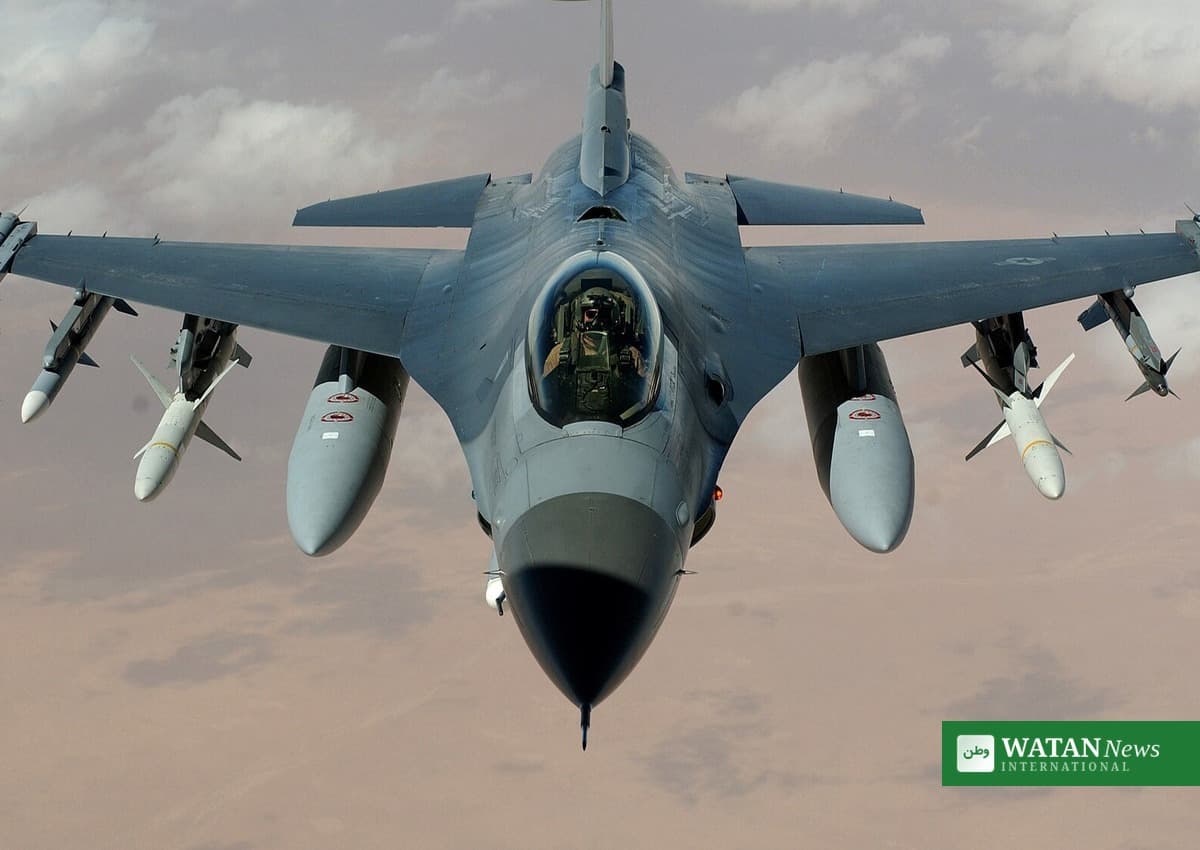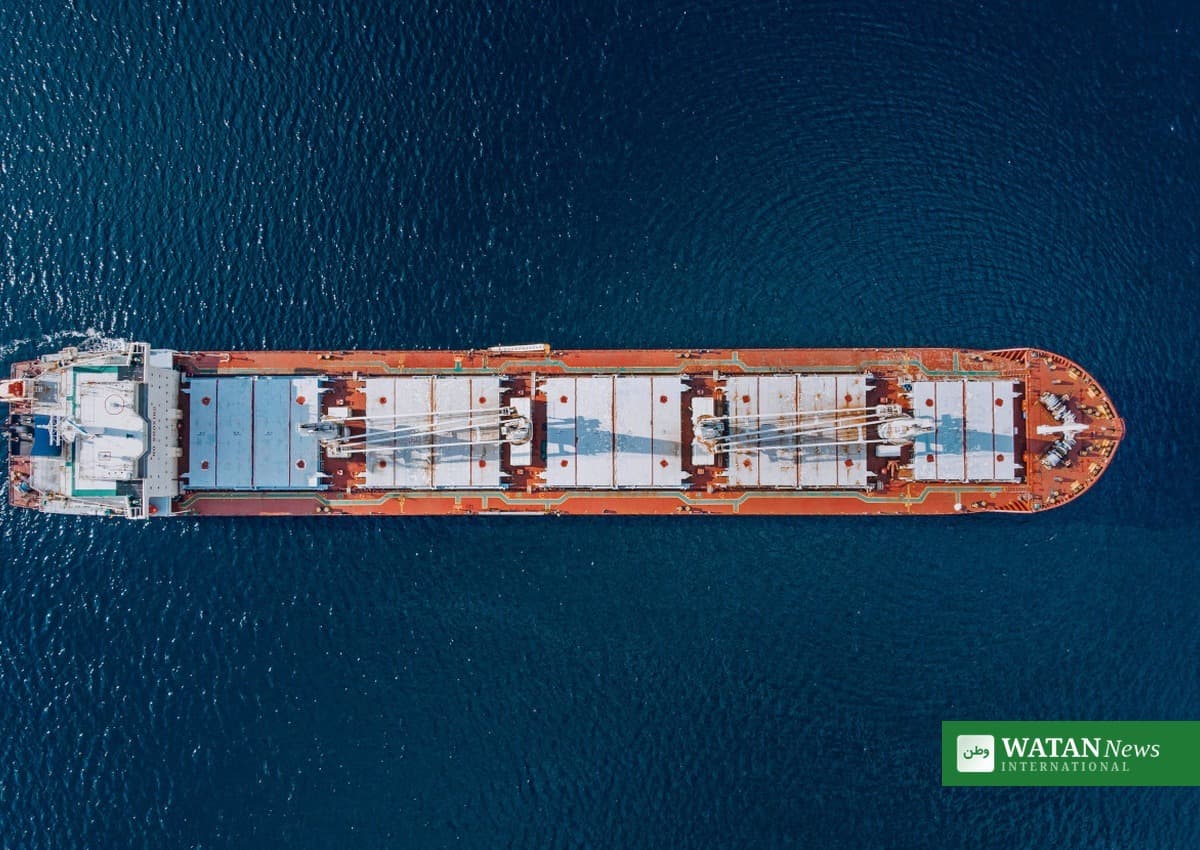
The United States military has disabled the Palau-flagged bulk carrier Pacific Archer in the Gulf of Oman after the ship tried to run the US naval blockade of Iranian ports, US Central Command said on Friday, 27 November 2026. A military aircraft struck the stern of the Pacific Archer with precision munitions, disabling its propulsion while the civilian crew was left unharmed.
The vessel had departed from the Iranian port city of Bandar Abbas and ignored multiple warnings before the strike on Thursday, 26 November, according to the US Central Command statement. Ship tracking websites list the ship’s destination as Singapore.
FAKTA
- The ship: The Palau-flagged bulk carrier M/V Pacific Archer, which had departed from the Iranian port of Bandar Abbas.
- What happened: A US military aircraft launched precision munitions that struck the stern of the ship in the Gulf of Oman on Thursday, 26 November 2026, disabling its propulsion. The civilian crew was unharmed.
- Why it was struck: US Central Command said the crew attempted to run the US naval blockade of Iranian ports despite multiple warnings.
- The scale: The Pacific Archer is at least the 15th disclosed vessel disabled by the US military since the blockade began in the spring, and the sixth since it resumed this summer. The previous vessel was disabled on 7 November.
- Ships turned back: US forces have so far redirected 158 commercial vessels that complied with blockade orders, according to US Central Command.
- The blockade: The US began blockading Iranian ports in April, lifted the blockade in the summer during peace talks with Tehran, and resumed it in July.
- Iran’s response: Mohammad Mokhber, an adviser to Iran’s Supreme Leader Ayatollah Mojtaba Khamenei, said Iran would keep the Strait of Hormuz shut while vowing to break the embargo. He gave no details of Iran’s plans.
What happened to the Pacific Archer
US Central Command said in a statement on Friday that its forces disabled the commercial vessel in the Gulf of Oman on 26 November, after the crew attempted to run the US naval blockade despite multiple warnings, following departure from an Iranian port.
“A US military aircraft launched precision munitions that struck the stern of Palau-flagged M/V Pacific Archer. The ship’s propulsion was ultimately disabled and the civilian crew was unharmed,” the statement said.
According to US Central Command, the Pacific Archer left the Iranian port of Bandar Abbas before it attempted to run the blockade. Ship tracking websites list the ship’s destination as Singapore.
A blockade enforced by force
The Pacific Archer is at least the 15th disclosed vessel to be disabled by the US military since the blockade began in the spring and the sixth since it resumed this summer, according to the Associated Press. The previous vessel was disabled on 7 November.
US Central Command said ships that complied with blockade orders, 158 in all, have been turned back, while six that refused have been disabled since the blockade resumed.
The US reimposed its naval blockade on Iranian ports in July, and earlier this month announced Task Force Iron Gate to restrict the movement of weapons and sanctioned materials across Iran’s land borders and the Caspian Sea.
Tehran vows to confront the blockade
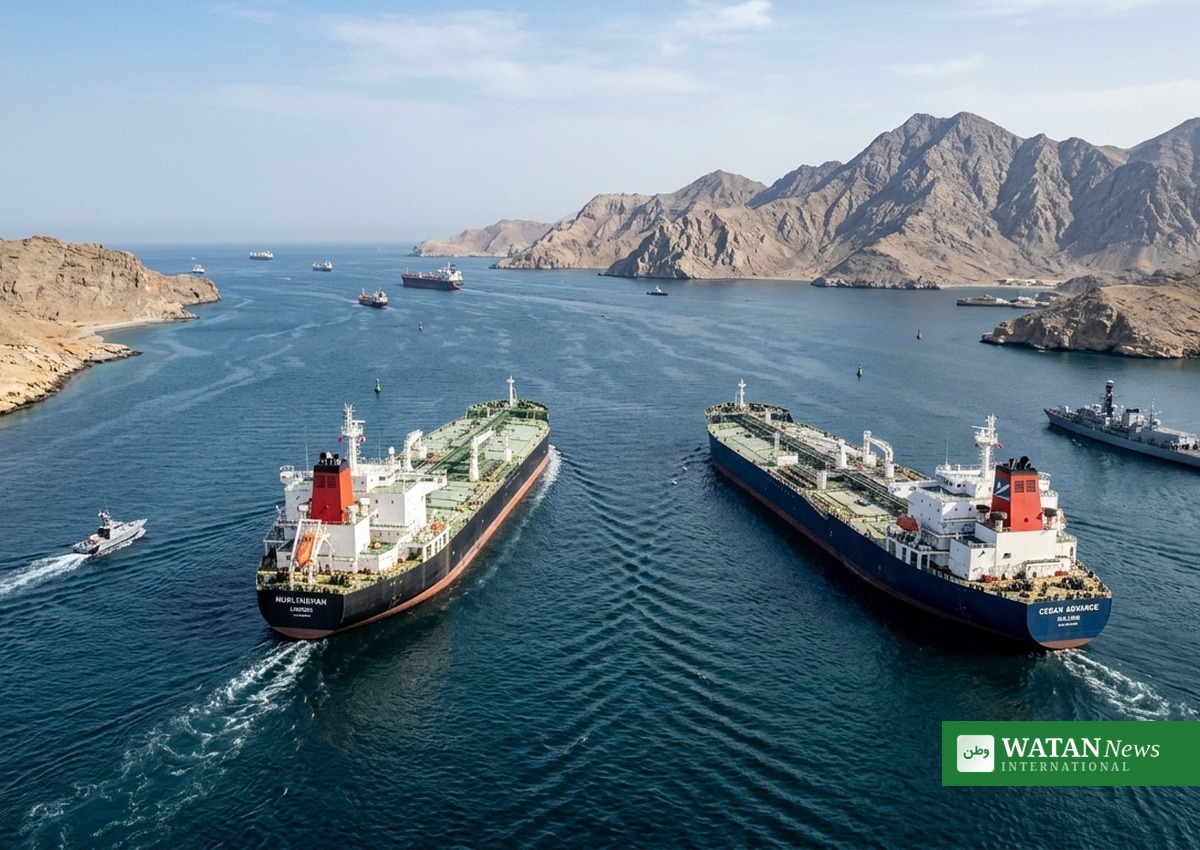
Meanwhile, Mohammad Mokhber, an adviser to Iran’s Supreme Leader Ayatollah Mojtaba Khamenei, said: “Neither will the Strait of Hormuz be reopened, nor will we allow the blockade to remain in place,” Iranian state media reported. Mokhber did not give details of Iran’s plans for breaking the embargo.
The Strait of Hormuz is one of the world’s most critical energy arteries, and tensions around it have been rising for weeks. Earlier this month, two oil tankers were hit by mines and caught fire in the strait.
Read more: Two Oil Tankers Hit Mines and Catch Fire in Strait of Hormuz
The disabling of the Pacific Archer is the latest sign that the United States is prepared to enforce the blockade with direct force against commercial shipping, raising the stakes for shippers, insurers and governments across the Gulf region.
Read this story on Watan News: US Disables Pacific Archer After Ship Tries to Run Iran Blockade