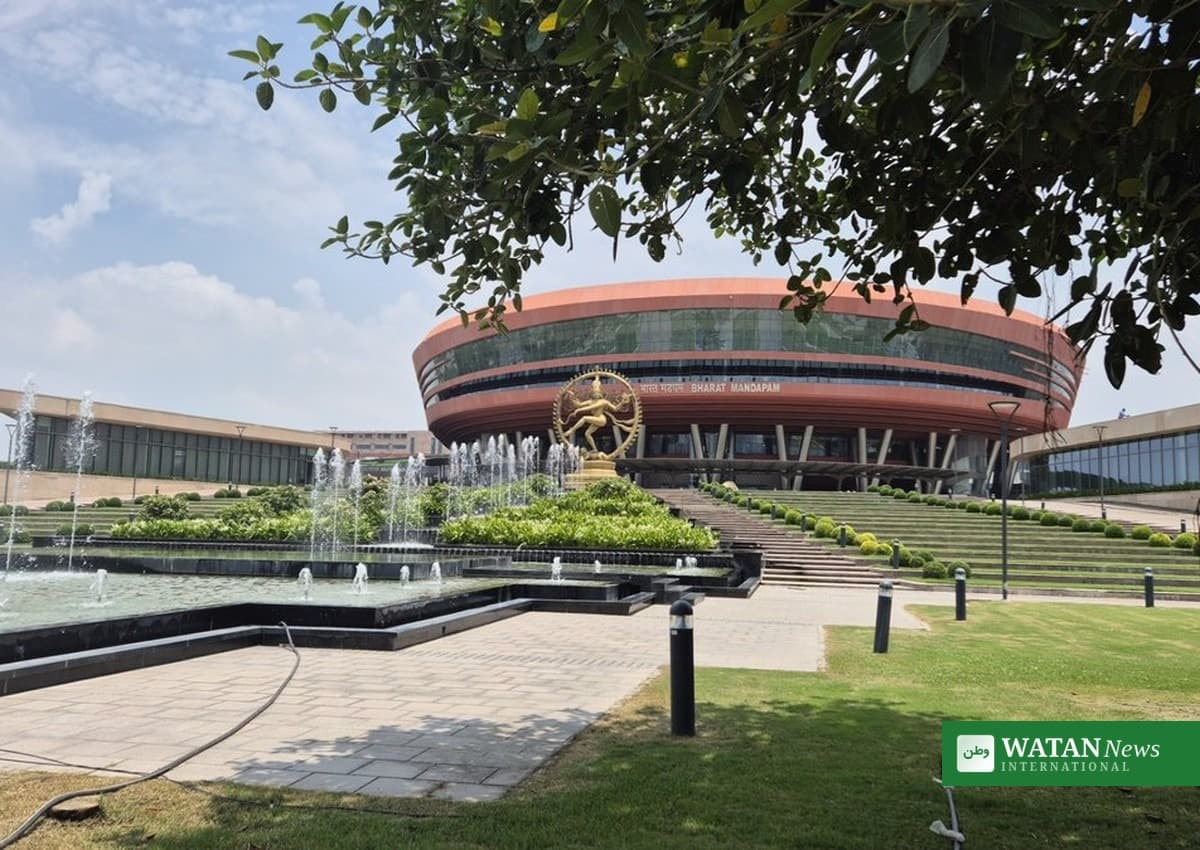
New Delhi will host the fourth Climate Investments and Technology Impact Summit (CITIS 2026) from 14 to 16 December 2026, bringing policymakers, investors and technology innovators together to answer one of the hardest questions in climate action: how does a promising first-of-a-kind technology become a bankable project deployed at industrial scale?
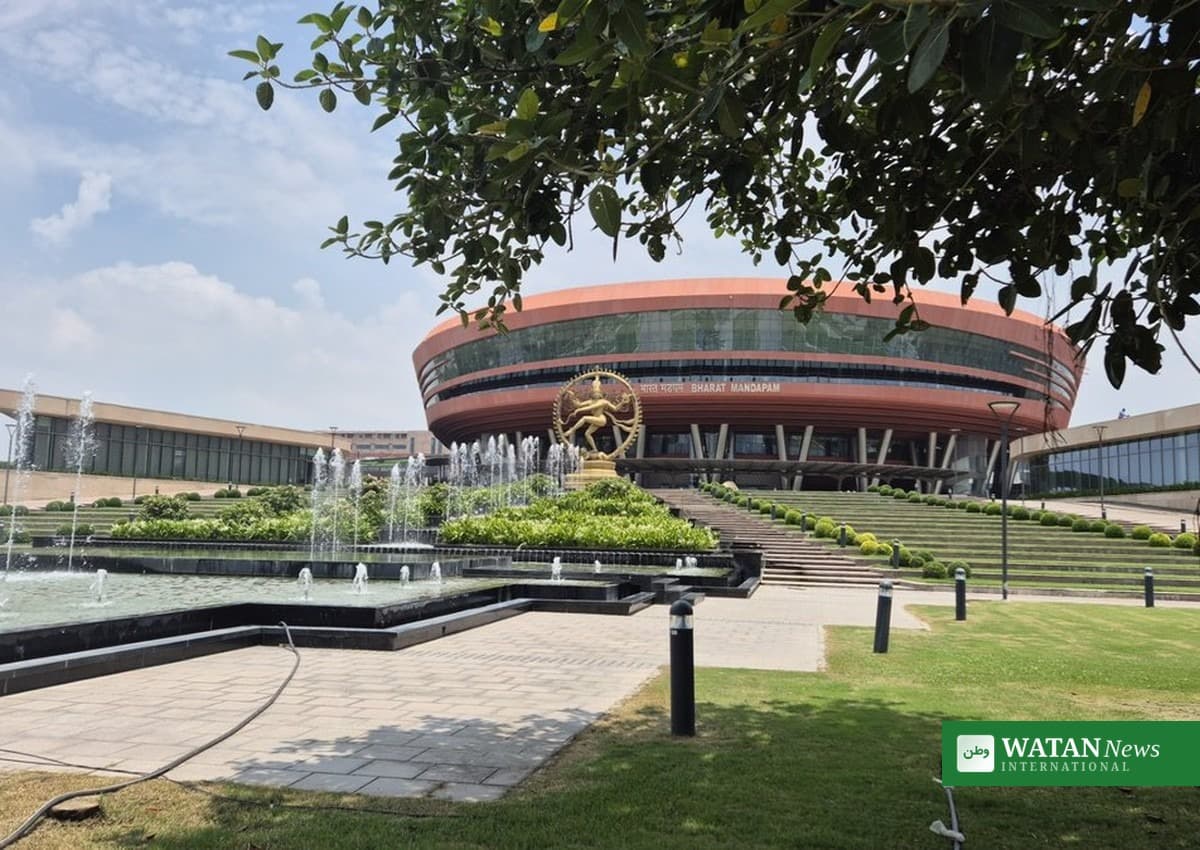
The summit, held at Bharat Mandapam in the Indian capital, is organised by the Centre for Ganga River Basin Management and Studies (cGanga) at IIT Kanpur. It runs alongside the 11th India Water Impact Summit (IWIS 2026), and the two events together are billed as the Twin Summits, linking climate technology with water, energy and the finance needed to deploy both.
FAKTA
- Event: 4th Climate Investments and Technology Impact Summit (CITIS 2026)
- Dates: 14–16 December 2026
- Venue: Bharat Mandapam, New Delhi, India
- Theme: FOAK to NOAK — Industrialising Climate Innovation at Scale
- Co-located with: 11th India Water Impact Summit (IWIS 2026)
- Organiser: Centre for Ganga River Basin Management and Studies (cGanga), IIT Kanpur
- Scale: 3 days, 4 tracks, 32 sessions, 14 grand challenges, 14 white papers
- Participation: Strictly by invitation only
From first-of-a-kind to nth-of-a-kind
CITIS 2026 is built around a single problem. Climate technologies often work well as first-of-a-kind (FOAK) demonstrations — a first plant, a first pilot, a first district project — and then stall, because investors see technology risk, unclear business models and no long-term buyer. The summit calls this the gap between demonstration and deployment, and its theme is how to cross it.
The pathway it sets out runs from technology innovation to FOAK demonstration, then to project aggregation, institutional capital and finally nth-of-a-kind (NOAK) deployment — the point at which a technology is replicated as standard infrastructure. Sessions will examine how new technologies can overcome commercialisation barriers, build viable business models, secure long-term offtake agreements and attract institutional investment, so that climate solutions become affordable, accessible and available at industrial scale.
Two flagship initiatives carry that work. The FOAK Investors’ Alliance connects technology innovators, project developers, investors and financial institutions to bridge the financing gap between innovation and commercial deployment, including structures that share technology and project risk. The Technology Innovations Showcase puts emerging technologies that are moving through the Environmental Technology Verification (ETV) Commercialisation Pathway before investors, project developers, industrial companies and public agencies, with technology presentations, investor matchmaking and project development opportunities.
Four tracks across water and energy
The Twin Summits are organised around four interconnected tracks, with 32 sessions in total.
Track A — Water Policy and Science
River basin management, water security, integrated river assessment and the scientific frameworks and policy solutions behind sustainable water management.
Track B — Water Grand Challenges
Practical water-sector problems, including digital twins, drought resilience, sludge valorisation, soil rejuvenation, wastewater markets, industrial effluent management and blue bonds.
Track C — Technology Innovations Showcase
Technologies progressing through the ETV Commercialisation Pathway, with technology pitches, investor matchmaking and project development opportunities.
Track D — Energy Grand Challenges
Industrial decarbonisation, e-fuels, biomass banks, biogas, energy storage, commercial electric vehicle fleets, critical minerals and clean technology manufacturing and supply chains.
Across the two summits, 14 grand challenges in water and energy will each feed into an actionable white paper, covering commercialisation roadmaps, market development, technology partnerships, bankable project pipelines, investment and financing opportunities, and policy and regulatory recommendations — with replication across India and the Global South as an explicit goal.
Why it matters after COP31
The summit comes less than a month after COP31 in Antalya closed on 22 November 2026 without an adopted deal, leaving the hard questions of climate finance and implementation unresolved at the negotiating table. CITIS 2026 is part of the answer taking shape outside it: the work now moves to rooms where investors, developers and governments turn pledges into projects that banks will fund. Read Watan News on why COP31 failed and what COP32 must fix.
The timing also connects with the water agenda. The United Nations has now decided that water conferences will be held every three years, with the next one in Abu Dhabi from 8 to 10 December 2026 and the following one in Tajikistan in 2028 — and the water track at CITIS sits squarely in that same current. Read Watan News on the UN decision to hold water conferences every three years.
For India and the Global South, the stakes are concrete. The summit’s own framing is that three earlier editions established first-of-a-kind projects as an investable asset class and advanced climate action at district level; this fourth edition is about industrialising that work — commercialising technologies, developing bankable projects and turning pioneering demonstrations into replicable infrastructure that can attract institutional capital.
Who can take part
Participation is strictly by invitation only, and participants must receive a formal invitation before registering. Technology presentations and showcase participation are subject to prior approval, and international participants take part through their respective country channels.
Conclusion
CITIS 2026 will not negotiate a climate treaty, but that is not its job. Its test is narrower and more practical: whether the investors, innovators and policymakers gathered in New Delhi leave with projects that can be financed, built and copied — and whether first-of-a-kind climate technology finally becomes the nth-of-a-kind infrastructure the energy transition needs.