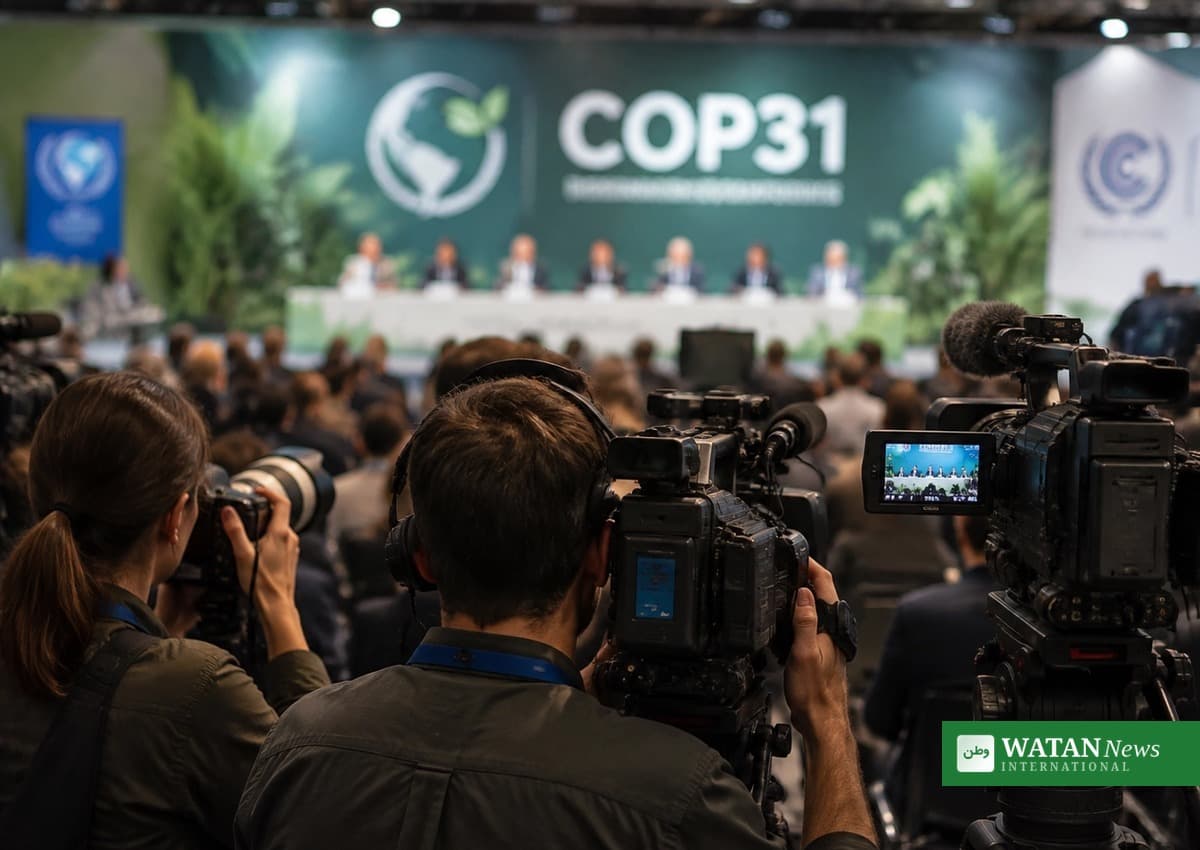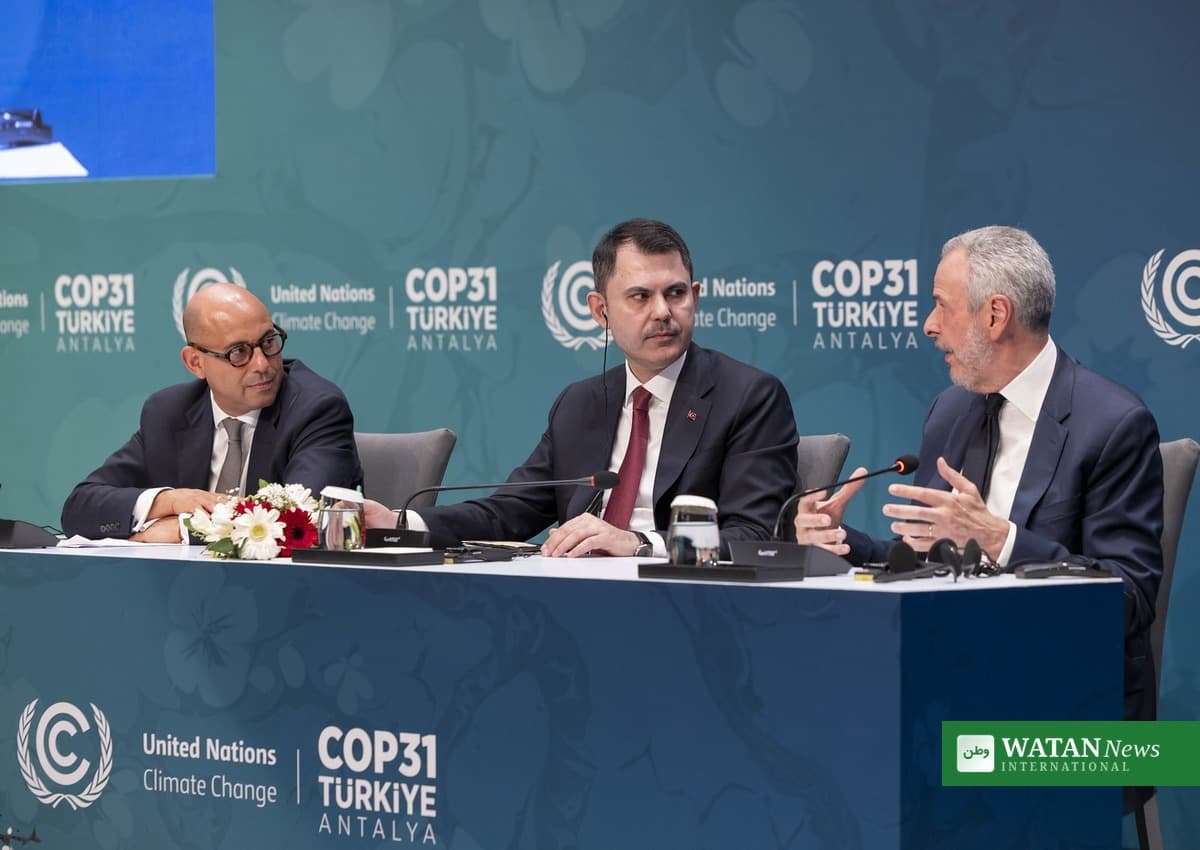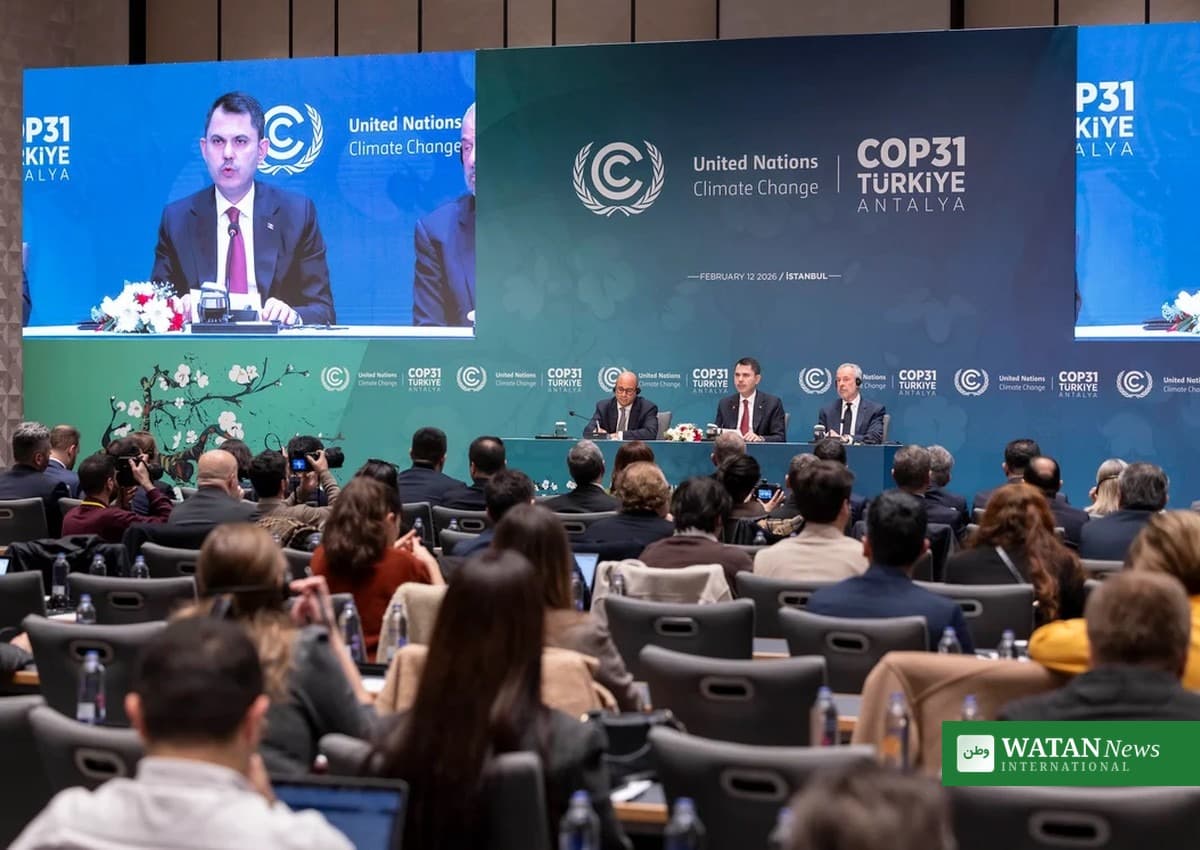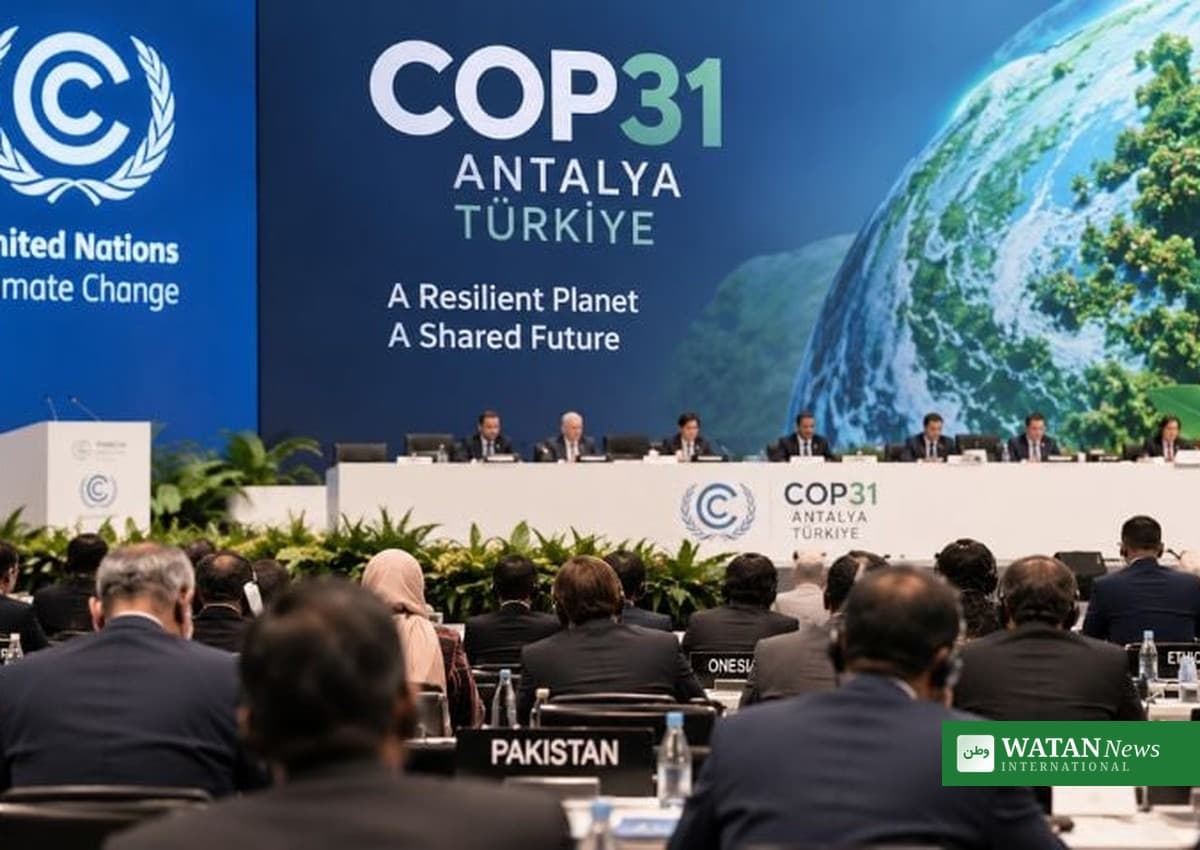
Antalya, Türkiye — COP31 closed on Sunday, 22 November 2026, without an overarching climate agreement, the first United Nations climate summit since Copenhagen in 2009 to end without a deal. After two weeks of talks that ran 44 hours past their deadline — making it the longest COP in history — nearly 200 countries left Antalya divided over the two questions that have haunted climate diplomacy for years: fossil fuels and finance.
The collapse does not cancel the Paris Agreement or the commitments countries have already made. But it leaves the central dispute — whether the world will name the fuels driving global warming in its joint decisions — unresolved, and it hands that dispute to COP32 in Addis Ababa, Ethiopia, in November 2027. UN Secretary-General António Guterres said he was deeply disappointed, and warned that the world is on course to overshoot the 1.5°C warming limit. Read our earlier report on Guterres’ reaction to the COP31 outcome.
Why the talks collapsed
The proposed final agreement, known as the Antalya Pact, made no explicit reference to fossil fuels. Saudi Arabia and other big oil-producing countries had lobbied to keep any mention of fossil fuels out of the text, arguing that fossil fuels will play a role in the economy for the foreseeable future, according to observers at the summit. The European Union and more than 130 other countries refused to sign a deal that said nothing about them — and so the summit closed with no overarching agreement at all.
Finance was the second fault line. A proposed target of $120 billion to help developing countries adapt to climate change was dropped from the final draft, and disagreements over how much money should flow, and on what terms, ran through the final days of the talks.
The closing hours were tense. Ghana’s minister for environment, science and technology, Dr Zanetor Agyeman-Rawlings, called out COP31 President Murat Kurum for interrupting her as she delivered the Africa Group of Negotiators’ closing statement. In Australia, opposition MP Angus Taylor blamed the lack of a deal on energy minister Chris Bowen. The summit had been due to end on Friday, 20 November; it finally closed on Sunday night, 44 hours late.
What survived the failure
The failure of the headline deal does not mean nothing was agreed. According to UN climate chief Simon Stiell, negotiators still agreed on a just-transition package, advanced electrification initiatives and kept existing commitments to shift away from fossil fuels intact. Turkish President Tayyip Erdogan said delegates had adopted 46 decisions on agenda items, and that the summit had created opportunities for investment, financing and technology cooperation alongside climate diplomacy.
Among the results: the just-transition work programme was extended by three years, and more than 90 countries backed a voluntary electrification pledge aiming to raise electricity’s share of global final energy consumption from just over 20 per cent to 35 per cent by 2035. Read what survived the COP31 collapse — carbon markets, the stocktake and the road to Addis Ababa.

The carbon-removal fault line
One of the sharpest disagreements inside the failed text concerned carbon removal. The draft acknowledged the planet’s projected temperature overshoot and called for faster development of carbon-removal technologies to eventually reverse it — language oil-producing countries had been keen to include. A representative of the Saudi delegation told the closing plenary he was surprised at the resistance to what he called a concrete solution to global warming.
Scientists say removing carbon from the atmosphere — paired with steep emissions cuts — is vital to avoiding the worst impacts of climate change. But critics of the proposed deal worried the carbon-removal language would be used as a licence to keep pumping oil. Nikki Reisch, director of the climate and energy programme at the Center for International Environmental Law, said the rejected text “would have done more harm than good” because it did not advance climate finance, said nothing about the root cause of the crisis, and made no mention of countries’ legal obligations to prevent and repair climate harm.
Lessons for COP32
The focus now shifts to COP32 in Addis Ababa, Ethiopia, next year. Stiell said COP32 must build on previous achievements rather than “step back”. Guterres urged campaigners to keep pressing for action and accountability, stressing that progress will ultimately be measured by reductions in fossil-fuel dependence and emissions, the expansion of clean energy and power grids, forest restoration, financial support for developing countries and protection against extreme weather.
Others want deeper change. Andres Martin Garrido Sanchez, director of environment in Peru’s Ministry of Foreign Affairs, said that “the credibility of the process” was at stake and “the system needs in-depth reforms”. Read how Ethiopia set out its vision for COP32 in Addis Ababa.
President Erdogan struck a different note after the summit, saying it would have been better if agreement had also been reached on the cover decision on the final day, but that “a very valuable foundation has been established for the next round of negotiations”. Whether that foundation holds will be decided in Addis Ababa.
Key facts
- What happened: COP31 closed on 22 November 2026 in Antalya, Türkiye, without an overarching agreement — the first COP since Copenhagen in 2009 to end without a deal.
- How long it ran: talks ran 44 hours past the scheduled end on 20 November, making COP31 the longest UN climate summit in history.
- Why it failed: countries split over fossil-fuel language and climate finance; the draft Antalya Pact mentioned no fossil fuels, and a proposed $120 billion adaptation-finance target was dropped.
- What survived: a just-transition package extended by three years, a voluntary electrification pledge backed by more than 90 countries, and 46 decisions adopted on agenda items, according to the COP31 presidency.
- What happens next: COP32 takes place in Addis Ababa, Ethiopia, in November 2027, inheriting the unresolved disputes over fossil fuels, emissions cuts and finance.