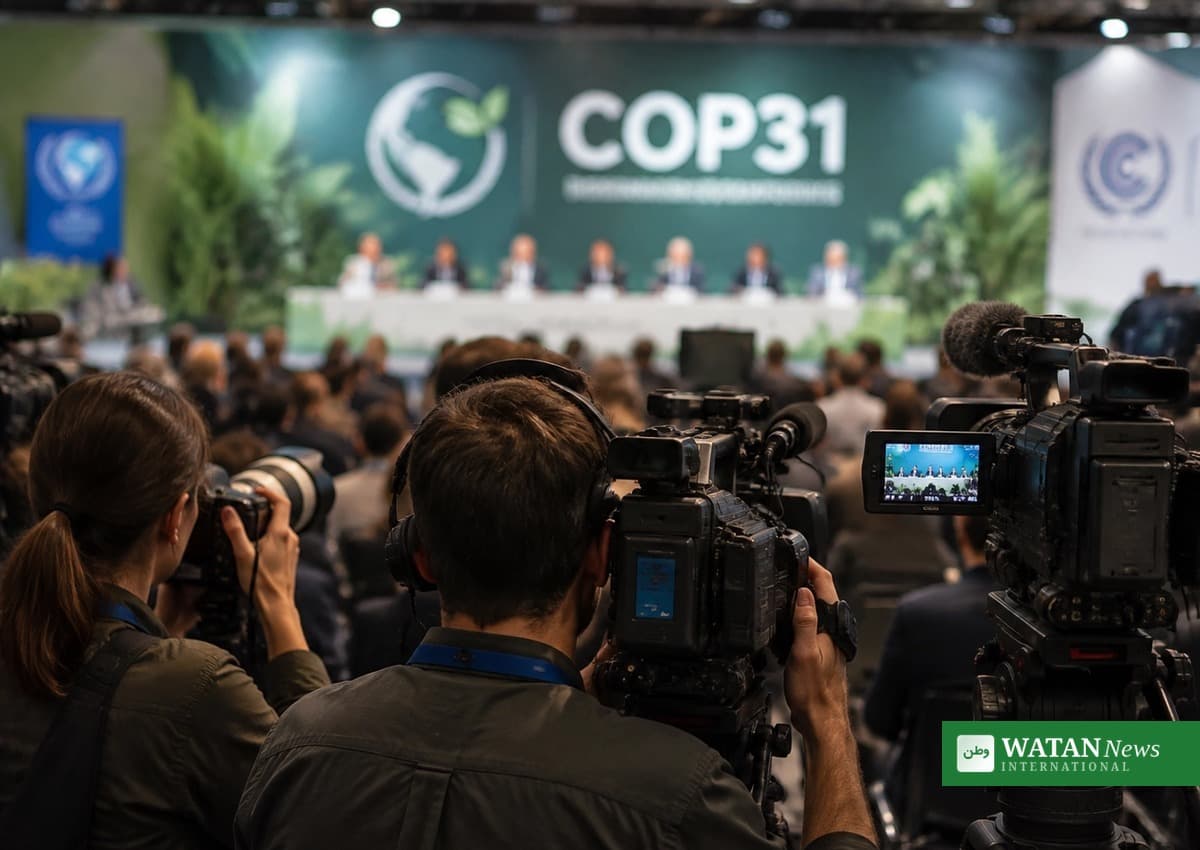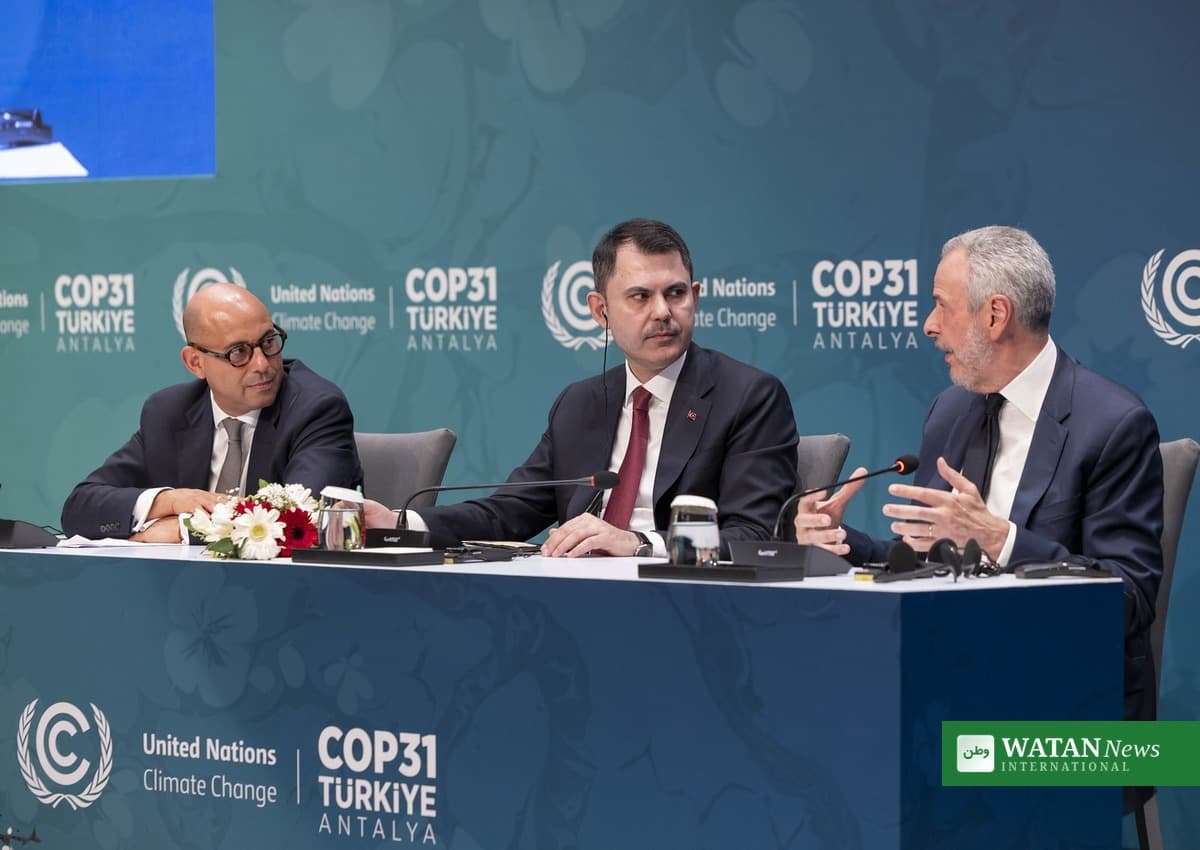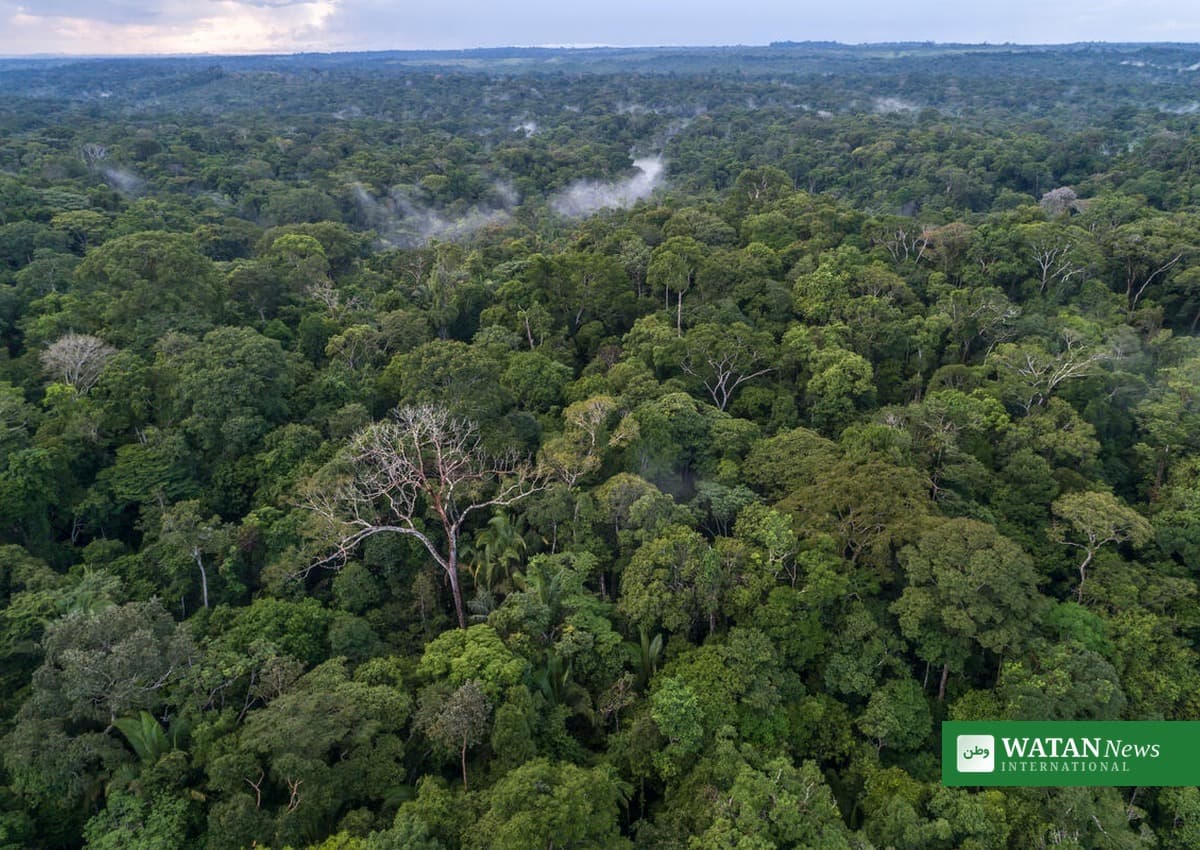
COP31 ended in Antalya without a final climate deal, but one of the summit’s biggest forest-finance efforts left the conference closer to launch than ever before. The Tropical Forest Forever Facility — the tropical forest fund that pays countries to keep their forests standing — raised its total sponsor pledges to $8.3 billion during COP31 — yet it still needs $1.7 billion more before the end of the year to unlock its largest single pledge.
The United Nations climate secretariat confirmed the $8.3 billion figure in its official COP31 wrap-up on 23 November 2026, listing the forest fund among the concrete results of the summit’s Global Climate Action Agenda. The money matters because the fund cannot start paying forest countries until it reaches its $10 billion launch target — and Norway, its biggest backer, has made its $3 billion loan conditional on that target being met by 31 December 2026.
Key facts
- Total pledged: $8.3 billion in sponsor capital, according to the facility and the UNFCCC COP31 wrap-up; independent tracker TFFF Watch counted $8.2 billion.
- Target: $10 billion by 31 December 2026; the gap is $1.7 billion.
- Biggest pledge: Norway’s $3 billion loan, signed and paid only once the $10 billion target is reached.
- Indigenous share: at least 20 per cent of payments must go to Indigenous peoples and local communities.
- Backing: 67 countries representing more than 90 per cent of the world’s tropical forests support the facility.
- Launch: the fund was launched at COP30 in Belém, Brazil, in November 2025; full operations are planned for 2027 to 2029.
The tropical forest fund that pays countries to keep trees standing
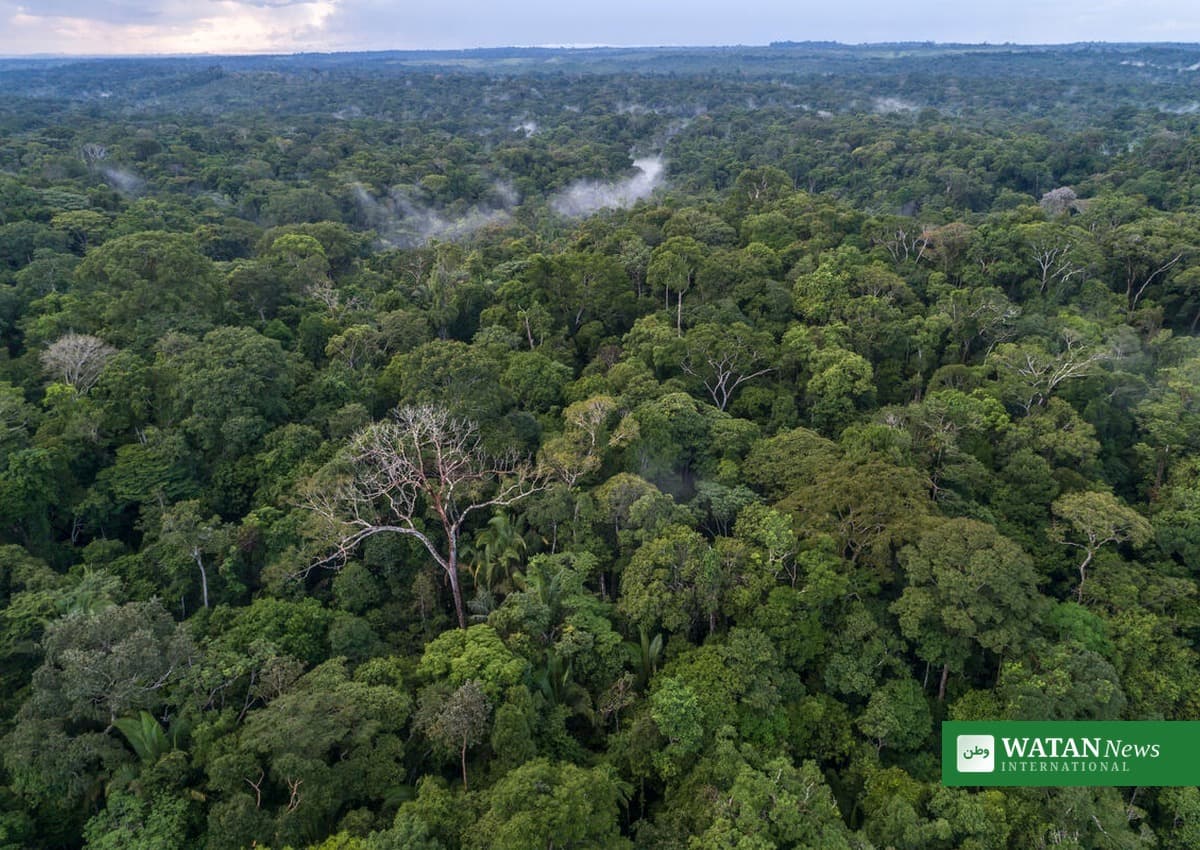
The Tropical Forest Forever Facility works differently from most climate finance. Instead of paying for carbon credits, it invests sponsor capital and uses the returns to pay tropical countries a fixed amount for every hectare of forest they keep standing and healthy. The model was designed in Brazil and launched at COP30 in Belém in November 2025, co-chaired by Brazil and Norway.
The long-term ambition is large: the facility aims to raise $25 billion in sponsor capital and then sell $100 billion in bonds to private investors, using the investment returns to fund annual payments to forest countries. At least 20 per cent of those payments must reach Indigenous peoples and local communities, who protect much of the world’s remaining tropical forest. According to the UNFCCC, the fund’s backers now include 67 countries representing more than 90 per cent of the world’s tropical forests.
Who pledged what at COP31
The pledges grew in stages during and around the Antalya summit. At the COP31 Forest Leaders’ Summit on 11 November, the Netherlands formally committed up to $500 million over ten years, and nine philanthropies pledged a further $88 million. Days later, speaking at the ASEAN summit in Manila on 15 November, Canadian Prime Minister Mark Carney pledged up to 560 million Canadian dollars — about $392 million — over four years, as a loan drawn from Canada’s international climate finance.
Those new pledges joined earlier commitments that already stood behind the fund:
- Norway: $3 billion, as a loan paid gradually until 2035 and repaid by 2075 — but only once the $10 billion target is met, and Norway’s share can never exceed a fifth of the total.
- Germany: about $1.2 billion (€1 billion), cleared by the German parliament’s budget committee in November.
- Brazil: $1 billion, as co-chair of the fund.
- Indonesia: $1 billion, matching Brazil dollar for dollar, paid in instalments.
- United Kingdom: an intended £400 million loan, subject to due diligence.
- Netherlands: up to $500 million over ten years, announced at COP31.
- Canada: up to $392 million over four years, announced during COP31.
Most of the money so far has come as conditional loans rather than grants, according to Carbon Brief’s analysis — a detail that matters, because loans must be repaid and the fund’s ability to pay forest countries depends on the returns its investments earn.
The $1.7 billion gap — and Norway’s condition
With five weeks left in 2026, the fund is $1.7 billion short of the $10 billion it needs by 31 December. That deadline is not a formality: Norway has said it will sign and pay its $3 billion loan only once the target is reached, with its own money included in the count. If the gap is not closed, the biggest pledge of all stays on hold.
Brazil is already looking for more time. Former Brazilian Environment Minister Marina Silva told CNN Brasil that the government is in talks with Norway about extending the deadline for raising the $10 billion into 2027. The facility’s own timetable expects its initial financial structure to be completed by the end of 2026, with full operations following between 2027 and 2029.
There is also a warning about what forest countries will actually receive. Political economist Max Alexander Matthey told Carbon Brief that, with less capital invested and spread over ten years instead of four, the fund is heading in a “safer” direction — but that it will no longer be able to deliver the $4 per hectare it originally promised, even in a best-case scenario. The fund is holding back part of its returns to build equity over a decade rather than paying out everything it earns.
What happens next for the forest fund
The race now runs to 31 December. If new pledges close the $1.7 billion gap, Norway’s $3 billion loan is released and the fund can complete its financial structure on schedule. If not, the extension talks with Norway become the deciding factor — and the launch of payments to forest countries could slip.
The stakes reach beyond the fund itself. COP31 closed without an overarching agreement, and the draft cover decision’s call to halt and reverse deforestation by 2030 lost its formal standing along with the rest of the rejected Antalya Pact. That leaves the forest fund as one of the few concrete COP31 outcomes that can still deliver money to protect forests — if it reaches its target. Watan News reported from COP31 Nature Day that the fund faced a make-or-break week in Antalya; that week ended with the gap narrowed from $2.2 billion to $1.7 billion, but not closed.
Attention now turns to the remaining weeks of 2026 — and to COP32 in Addis Ababa in November 2027, where forest finance is expected to return to the agenda with the fund’s first payments in sight.