United States President Donald Trump has publicly backed Iraqi Prime Minister Ali al-Zaidi’s drive to bring the whole of Iraq under central state control, including the semi-autonomous Kurdistan region, as a confrontation over oil, borders and weapons intensifies between Baghdad and Erbil.
In a post on Truth Social on Friday, Trump said Washington supported Zaidi’s efforts “to assert state authority throughout Iraq, stop the smuggling of Iraqi oil, end corruption, and bring all weapons under the exclusive control of the state”. The statement came a day after Baghdad closed two border crossings run by the Kurdistan Regional Government (KRG), and as thousands of Kurds protested in Erbil.
FAKTA
- Trump backed Prime Minister Ali al-Zaidi’s state-authority drive in a Truth Social post on Friday, 27 November 2026.
- Baghdad closed the al-Waleed crossing with Syria and the Bashta crossing with Iran on Thursday.
- Iraq’s highest court ruled on Wednesday that federal forces may deploy along all international borders, including in the Kurdistan region.
- Baghdad says oil smuggling through the Kurdistan region cost Iraq about $100 billion between 2008 and 2025.
- Thousands of Kurds protested in Erbil on Thursday; the KRG says the moves violate its constitutional rights.
Border Crossings and Oilfields at the Centre
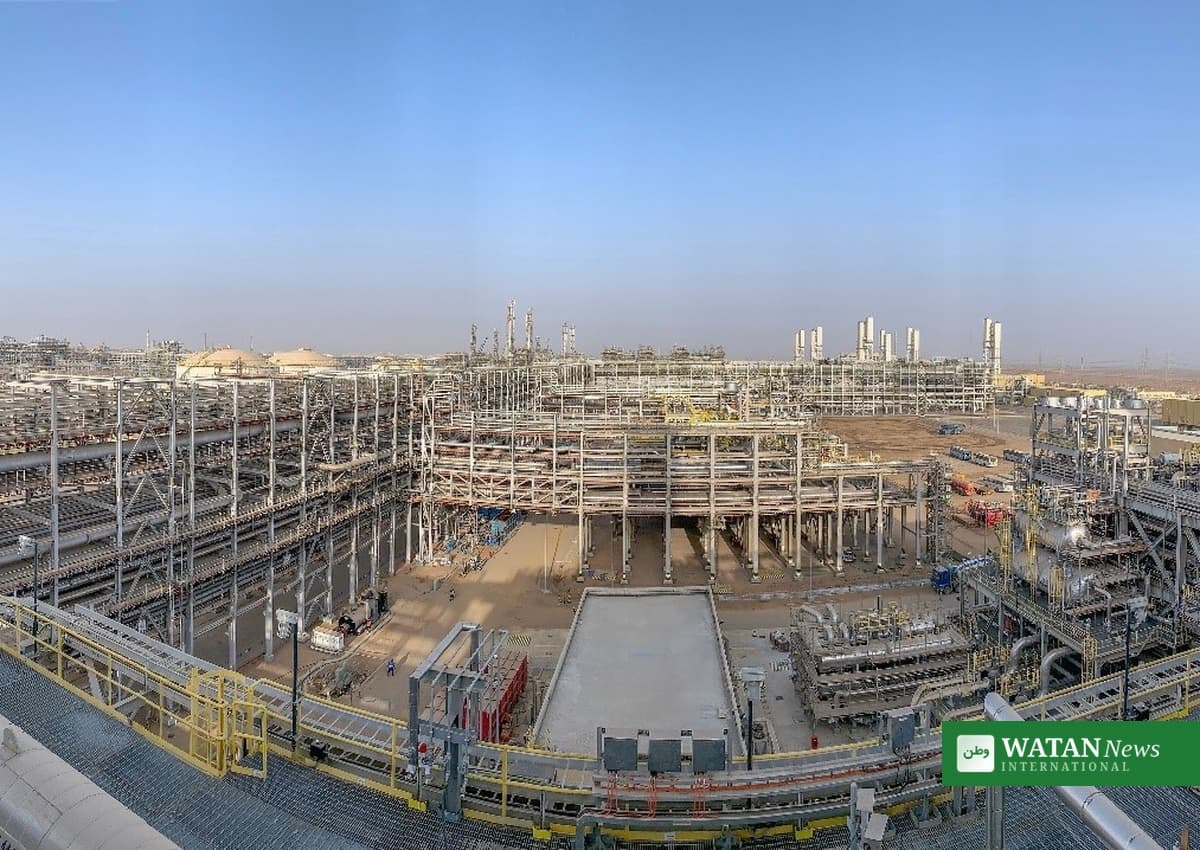
Zaidi ordered federal authorities on Tuesday to take over border crossings run by the KRG and directed the oil ministry to manage oilfields under Kurdish security control in Diyala, Kirkuk, Salahuddin and Nineveh provinces. He also dismissed several senior officials, including the head of the Border Ports Authority, after an investigation into alleged smuggling at the state-run North Oil Company.
Government spokesman Haider al-Aboudi said crude exports that bypass the state oil marketer SOMO amounted to smuggling, because the proceeds never reach the state treasury. Oil Minister Basim Mohammed said the oilfields “belong to all Iraqis and remain under the Iraqi flag”.
Kurdish Leaders Reject the Moves
Kurdish leaders have strongly opposed the orders. KRG Prime Minister Masrour Barzani said Kurdish authorities would not give up their constitutional rights and called on the international community to support Kurdish rights within a federal Iraq. Kurdistan Region President Nechirvan Barzani also rejected the decision, objecting to what he called military language from Baghdad.
A Wider Crackdown on Armed Groups
The Kurdish standoff is the second front in Zaidi’s campaign. A week earlier he ordered a showdown with Kataib Hezbollah, a heavily armed Shiite militia aligned with Iran, and directed the army to prepare to enter Jurf al-Sakhar, south of Baghdad, where the government accuses the group of running a smuggling operation.
Zaidi, a 41-year-old businessman and political newcomer who came to power in a compromise about six months ago, now faces confrontation with two powerful factions at once. Ties between Baghdad and the Kurds have long been strained over oil, money, territory and trade. More coverage from the region is available on the Watan News English pages.