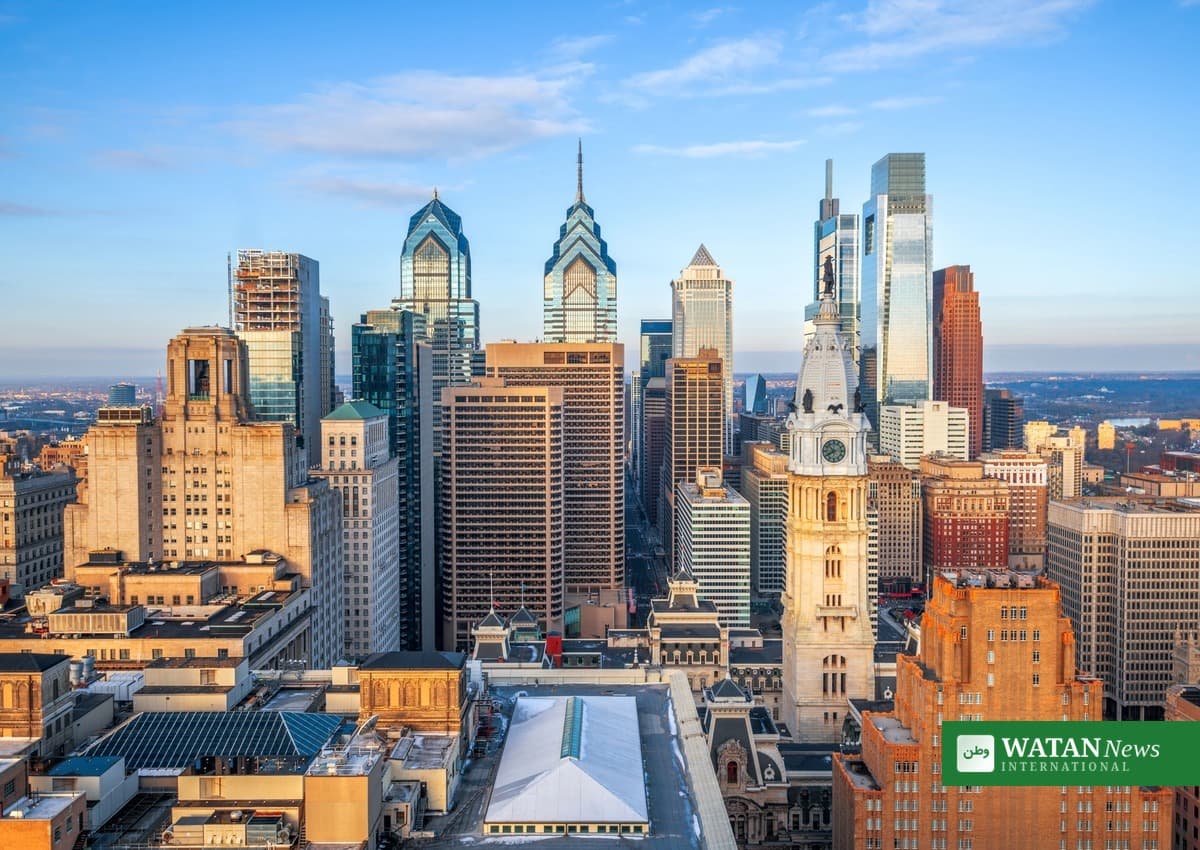
C40 Cities has published the first-year delivery report on cities climate action: one year after 42 mayors promised a year of concrete climate action, the results are measurable. Electric buses are rolling in Bogotá, market waste is powering cold storage in Freetown, and London has launched a plan to clean all 41 of its rivers. C40 Cities runs the Yearly Offer of Action with the Global Covenant of Mayors for Climate and Energy, and published the report on 26 November 2026.
Under the initiative, mayors set out one concrete climate action they will deliver in the next 12 months — and report back on what they achieved. The first year shows that yearly accountability drives urgent progress on the ground. Here are five cities turning ambitious plans into progress.
Bogotá goes far beyond its bus target
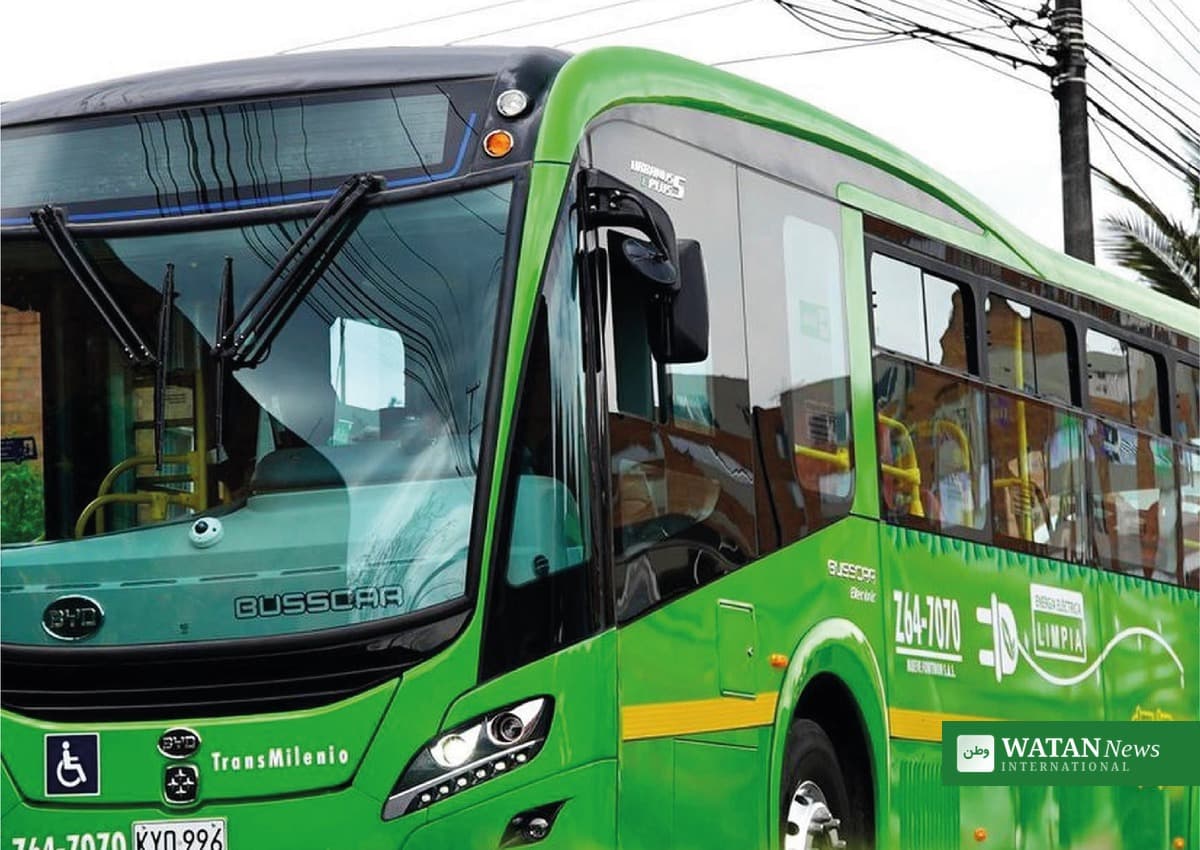
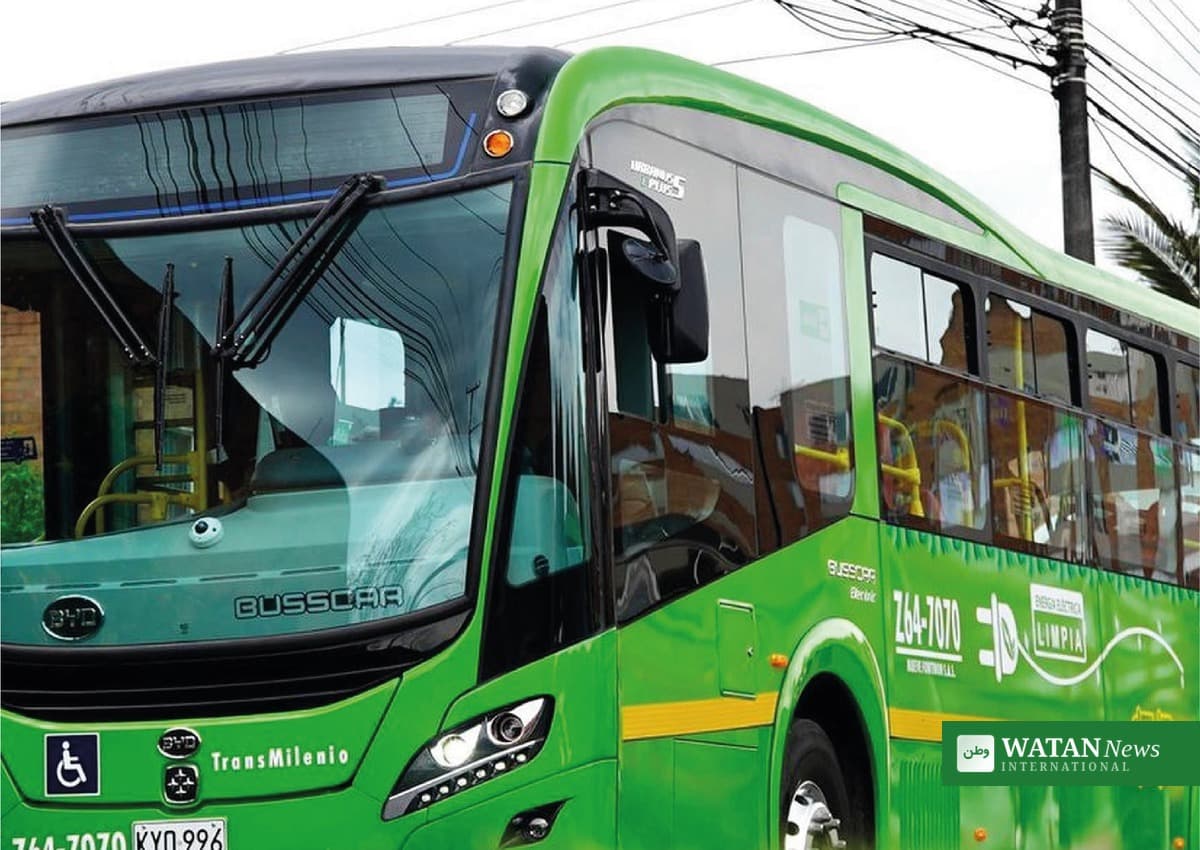
In 2025, Bogotá set out to add 390 new electric buses to its fleet. The city went even further, procuring 1,153 additional electric buses between 2025 and 2026, estimated to avoid over 76,000 tonnes of CO2 a year — equivalent to what 2.6 million trees would capture annually. With 162 already on the road and the rest rolling out through 2029, clean public transport is accelerating quickly.
Freetown turns market waste into energy
In 2025, Freetown moved to protect residents in informal settlements from extreme heat while cutting emissions from organic waste, the city’s second-largest source of emissions. In 2026, it successfully turned market waste into energy: a cold storage facility in Dove-Cot Market now runs on clean energy from a new biodigester, with a second underway at Macauley Street Market. Shade canopies and cool roofs are protecting three informal markets for 3,000 market women. The city has also created 16,000 jobs, 88% of which are green jobs for women in low-income communities.
London sets out to clean 41 rivers
In 2025, London set out plans for a 10-year strategy to clean up all 41 of its rivers by 2036, tackling sewage and runoff pollution, boosting wildlife and making rivers clean enough to swim in. In 2026, the city launched its Clean Rivers and Waterways Plan with over 50 partners, identifying 10 strategic locations based on deprivation, access, water quality and nature, to ensure funding goes where it is needed most.
Melbourne opens the Greenline and adds green space
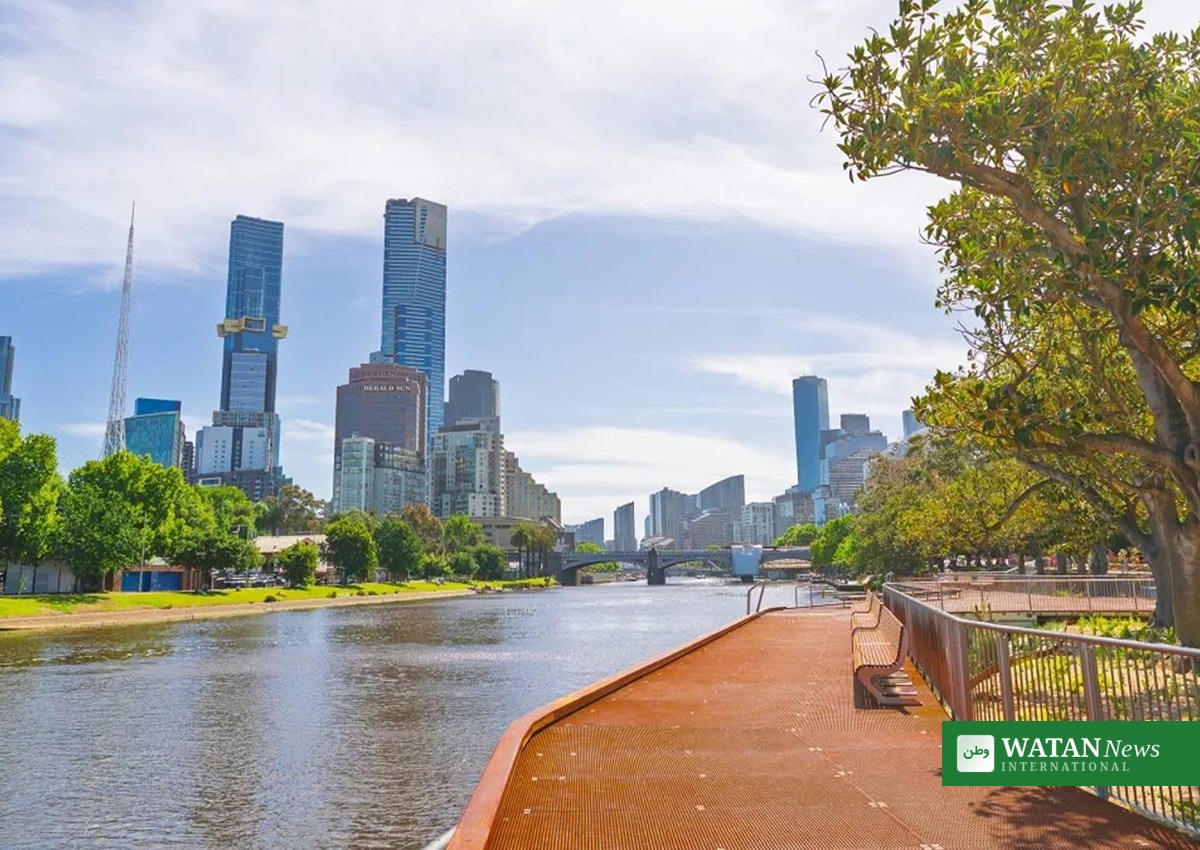
In 2025, Melbourne pledged to invest $44.3 million in a greener city, backing new green spaces, the first phase of its Greenline project, and electrification across municipal buildings, including Town Hall. A year on, the city has added 6,000 square metres of green open space in priority areas and completed the first phase of the Greenline, opening new boardwalks and promenades. New community greening guidelines mean neighbourhoods outside the central city can now green their own streets without permits. The city has also selected a contractor for 10 electrification sites, with works due to start in late 2026.
Hobart maps its tree canopy with AI
In 2025, the city of Hobart set out to accelerate its path toward becoming a zero-emissions, resilient city by 2040, using AI mapping to guide greening in areas with as little as 7% tree cover. In 2026, the city launched its AI-guided tree canopy mapping to inform urban greening priorities. It also expanded housing in well-connected areas, making it easier for residents to walk, cycle and use public transport, while protecting the natural landscapes around the city.
FAKTA
- 42 mayors made the first Yearly Offer of Action pledges in 2025.
- 1,153 electric buses procured by Bogotá in 2025–2026, against a plan for 390.
- 76,000 tonnes of CO2 a year the Bogotá buses are estimated to avoid.
- 16,000 jobs created in Freetown, 88% of them green jobs for women in low-income communities.
- 69 cities are stepping up with new yearly pledges for 2027.
What comes next: 69 cities in 2027
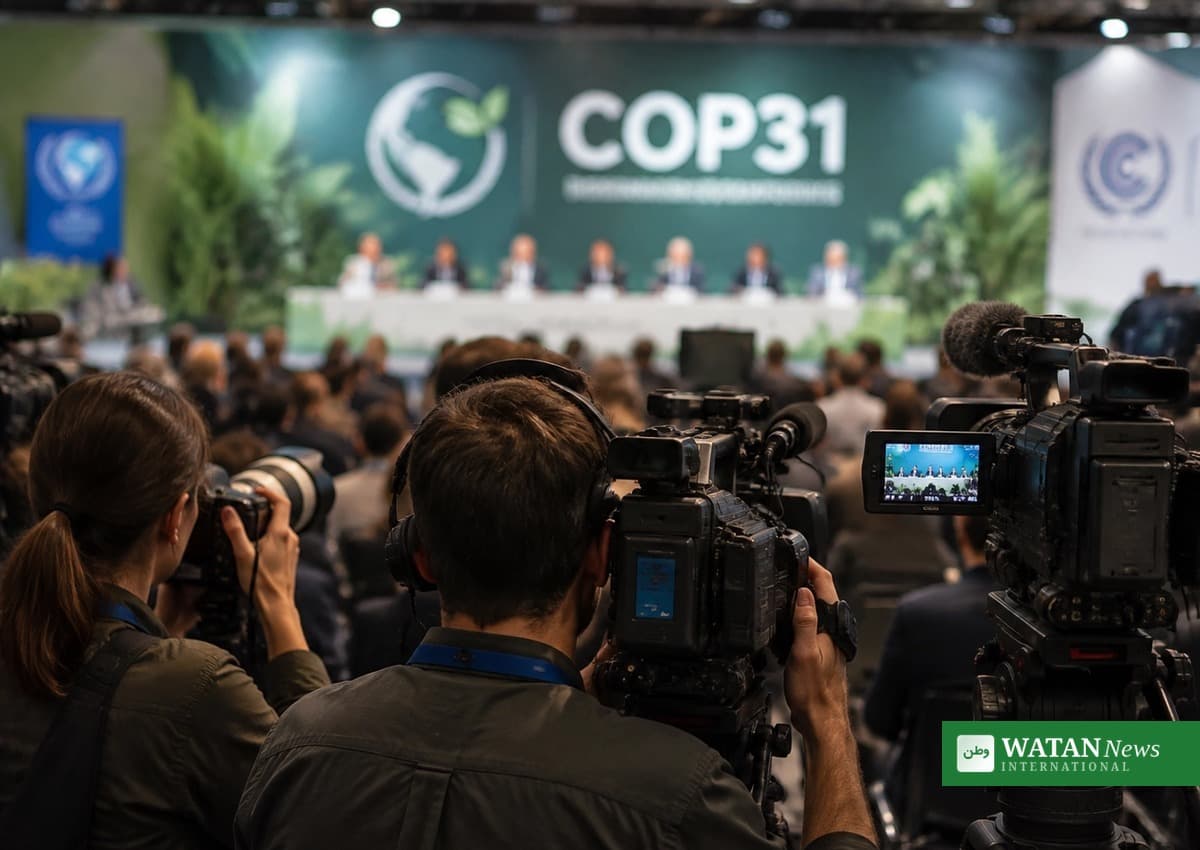
The Yearly Offer of Action has grown since its launch at the 2025 World Mayors Summit: 69 cities across every continent, representing roughly 270 million people, set out their climate plans for 2027 at COP31. To move even faster, C40 Cities says they need national governments and partners to match their ambition with finance, supportive policies and technical assistance.
COP31 ended without a deal, but cities climate action continued
The delivery report comes days after COP31 closed on 22 November 2026 without agreement on its main political decision. The cities’ results show that implementation continues at local level even when national negotiations stall — and that clear annual targets, reported openly, turn pledges into delivery.