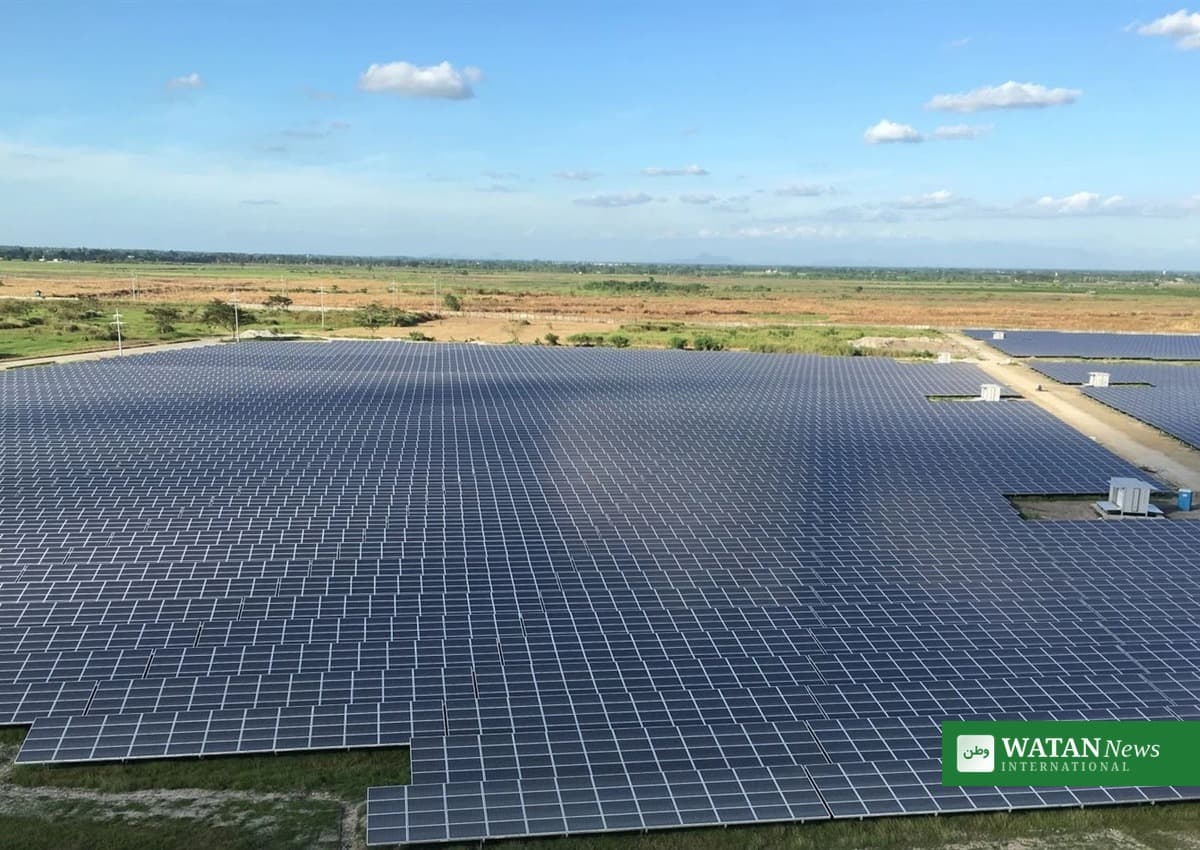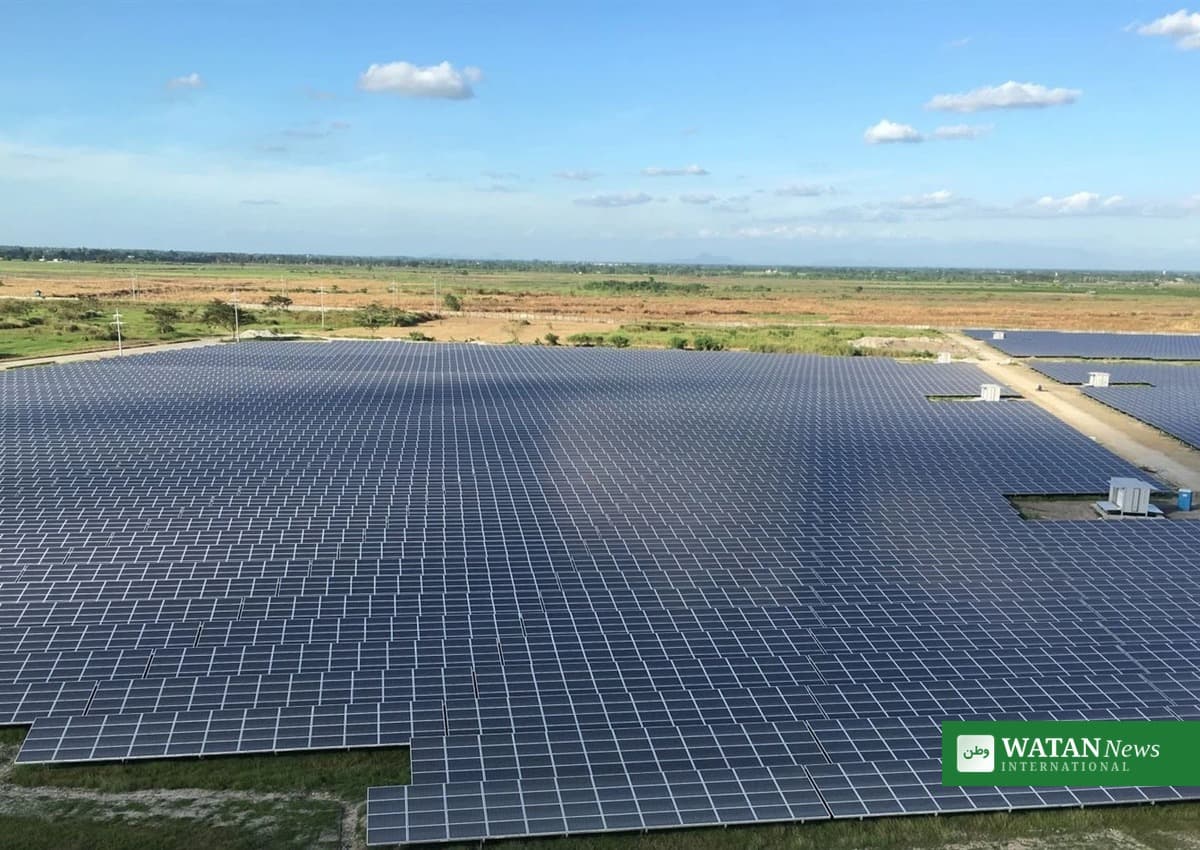
VinEnergo has broken ground on a 126 MWp solar power plant in Sagay City, Negros Occidental, the first project to move ahead under the Vietnamese energy company’s clean-energy cooperation with the Philippine Department of Energy (DOE). The Sagay solar plant will use elevated panels — a design the partners call Solar on Stilts — and anchors a wider plan for up to 5 GW of baseload renewable power in the Philippines.
The groundbreaking took place on 27 November 2026, five days after the COP31 climate summit closed in Antalya without a final deal — a reminder that momentum in the energy transition now rests on national delivery. The ceremony was attended by Vietnam’s Ambassador to the Philippines, Lai Thai Binh, Sagay City Mayor Leo Rafael M. Cueva, Vice Mayor Narciso L. Javelosa Jr., VinEnergo chief executive Nguyen Anh Khoa, VinEnergo Philippines managing director Reden Garcia Rodriguez, and SunAsia Energy chair and chief executive Maria Theresa C. Capellan.
First project under the DOE cooperation
VinEnergo and the Philippine Department of Energy had earlier signed a memorandum of understanding to cooperate on renewable energy integrated with energy storage. The framework targets more than 20 GW of renewable capacity and up to 5 GW of baseload power for the national grid. The 126 MWp Sagay Solar project is the first concrete step under that framework.
The plant is being developed with SunAsia Energy, a Philippine renewable energy company. It forms part of a broader 422 MWp portfolio the two companies are developing together, covering three projects in Macabebe, Sagay and Silay.
Solar on Stilts: building up, not out
The Sagay project will use the partners’ Solar on Stilts solution: solar panels mounted on elevated structures. The design is meant to maximise space efficiency and optimise land use, generating clean electricity while taking up less ground than a conventional solar farm.
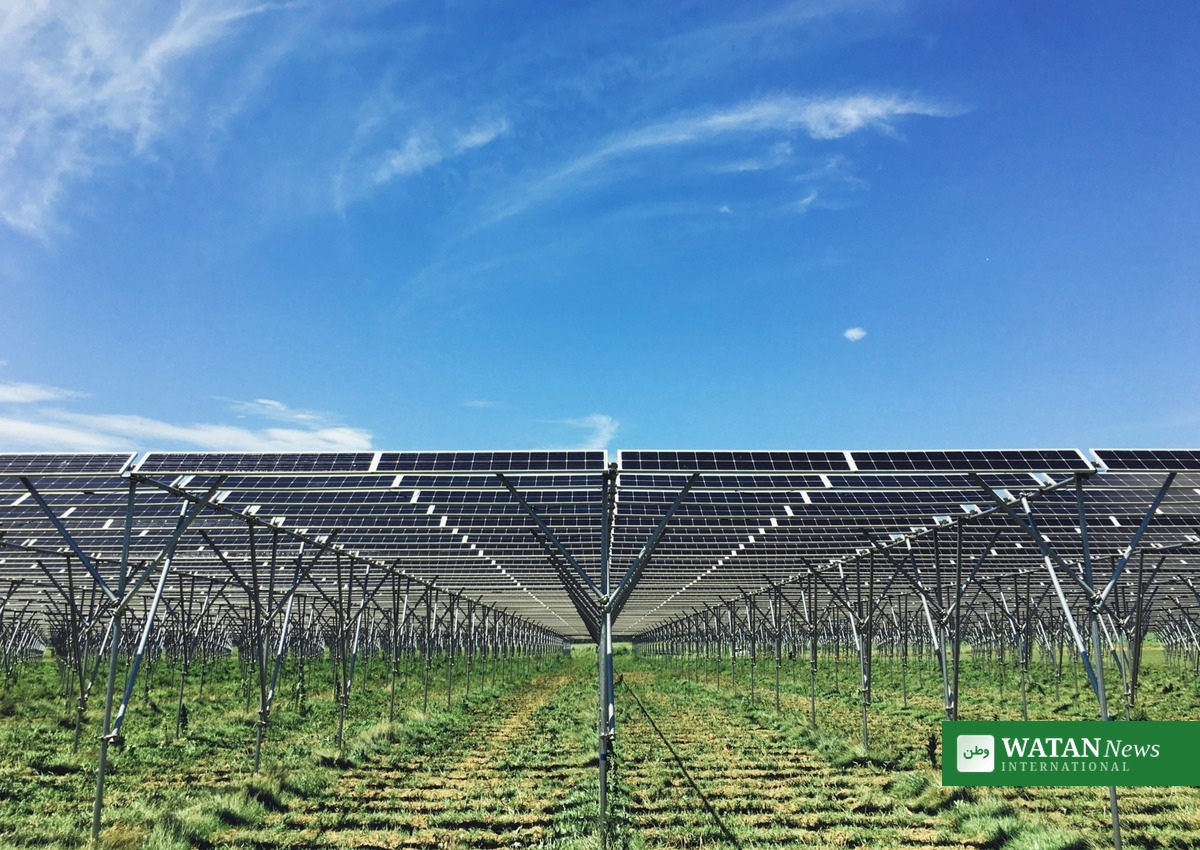
The approach fits an island nation where land is in demand for farming, homes and nature. By lifting the panels, the same plot can keep more of its other uses — a principle known more widely as agrivoltaics, where energy and agriculture share the land.
What the leaders said
Sharon S. Garin, Secretary of Energy of the Philippines, said: “We welcome VinEnergo’s investment in the Philippine energy sector. The 126-megawatt-peak (MWp) Sagay Solar Power Project represents an important addition to the Philippines’ growing renewable energy capacity and our continuing efforts to strengthen national energy security.”
She added that projects such as Sagay “help diversify our energy mix, reduce dependence on imported fuels, and lessen our exposure to volatility in international energy markets.”
Nguyen Anh Khoa, chief executive of VinEnergo, said the energy transition “is about more than simply expanding clean power generation; it is about building a sustainable energy system capable of supporting each country’s long-term development ambitions.” He called Sagay “the first concrete step in our strategic cooperation with the Philippine Department of Energy”.
Why it matters for the Philippines
The Philippines has set a target of 35 percent renewable energy in its power mix by 2030, rising to 50 percent by 2040. The Department of Energy says the renewable share has already crossed 25 percent, and a ten-year Green Energy Auction programme aims to add at least 25 GW of renewable capacity between 2027 and 2035. More than 20 GW has already been awarded across four earlier auction rounds.
Against that backdrop, projects like Sagay are the delivery mechanism for the targets — and for energy security. The Philippines still relies heavily on imported coal and fuel, so home-grown solar reduces exposure to volatile international prices. Auctions have become a central tool for this build-out: Ireland’s latest renewable auction, for example, secured 1.55 GW of solar and wind in a single round — see Ireland’s RESS 6 auction. Large-scale solar investment is also accelerating across Asia, as shown by Cleantech Solar’s 1.1 GW plan for Tamil Nadu.
VinEnergo’s wider push
VinEnergo is the green energy company of Vingroup, Vietnam’s largest private conglomerate. In March 2026 it announced a global strategy built on a first 10 GW international renewable portfolio, with plans to expand deployed capacity towards 100 GW over three years.
In the Philippines, the company plans a portfolio of up to 5 GWp of baseload power, combining renewables with battery energy storage systems to support a 24/7 renewable model. Between 2027 and 2029 it will advance investment preparations and move eligible projects towards construction.
SunAsia, its local partner, has developed solar in the Philippines since 2013, including a 60 MW project in Toledo, Cebu, and has operated a floating solar testbed on Laguna Lake since 2019.
FAKTA
- Project: Sagay Solar, 126 MWp, Sagay City, Negros Occidental, Philippines
- Partners: VinEnergo and SunAsia Energy; first project under VinEnergo’s cooperation with the Department of Energy
- Design: Solar on Stilts — elevated solar panels
- Portfolio: 422 MWp across three projects in Macabebe, Sagay and Silay
- Wider plan: target of more than 20 GW of renewables and up to 5 GW of baseload power
- Philippines targets: 35 percent renewables by 2030, 50 percent by 2040
What is not yet known
The investment cost and the date the plant will start producing power have not been disclosed. The groundbreaking announcement does not give those details, and the company has not announced them yet.
The groundbreaking in Sagay turns a memorandum of understanding into a real project on the ground. The test now is how fast VinEnergo and its partners deliver on the 5 GW plan — and whether the elevated-panel design is taken up on the Philippines’ other islands too.