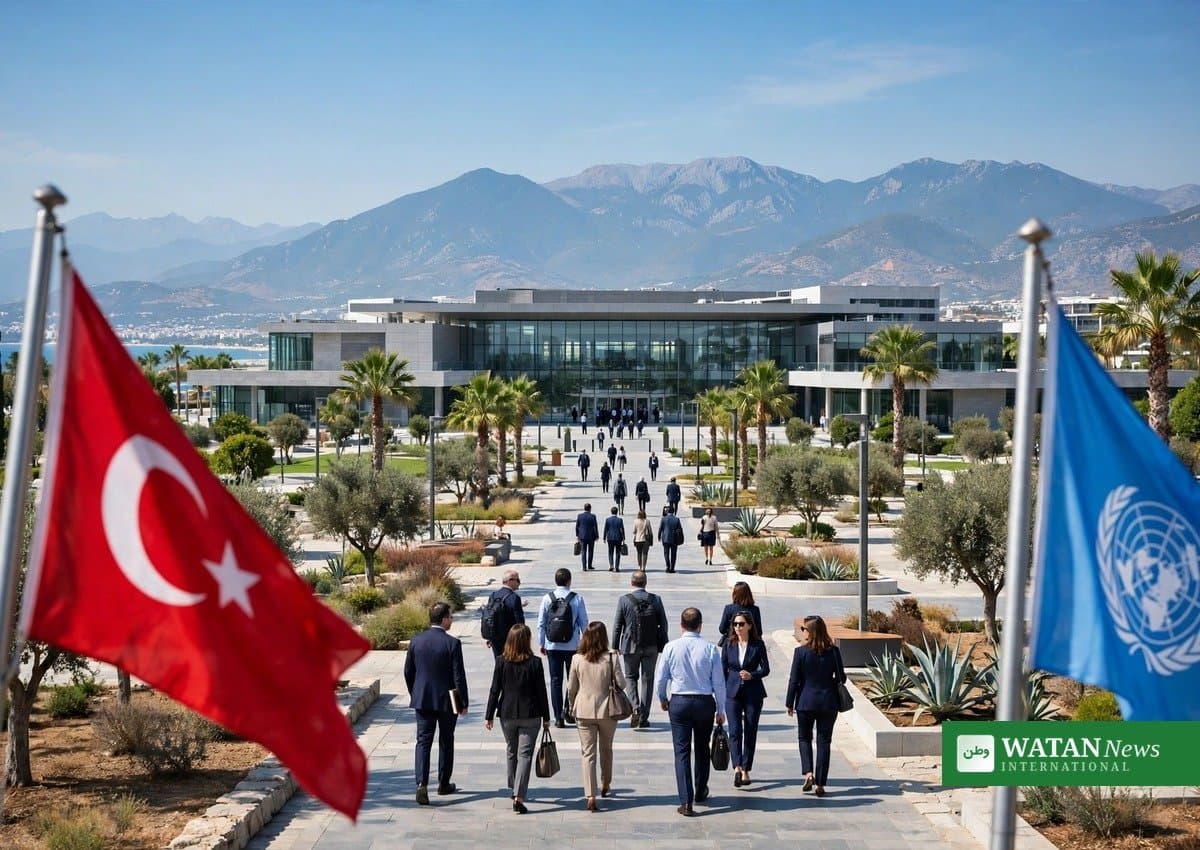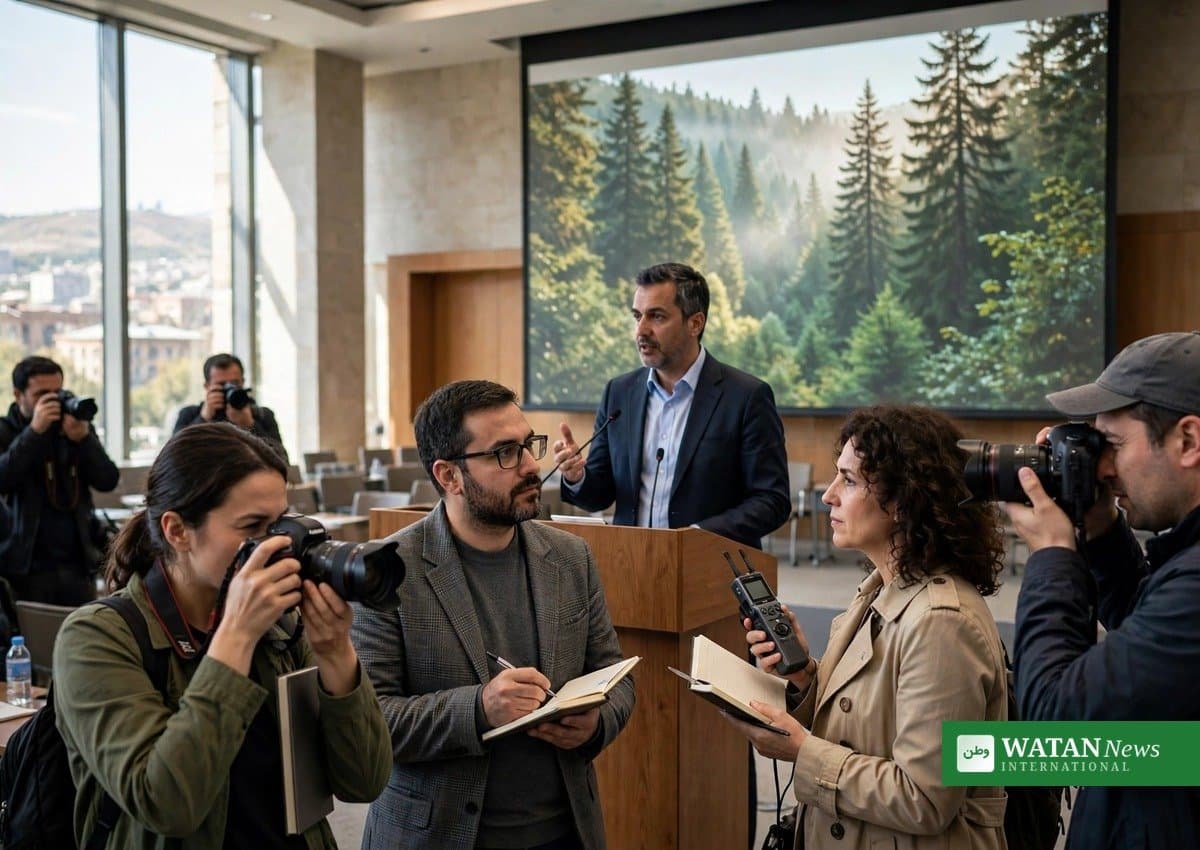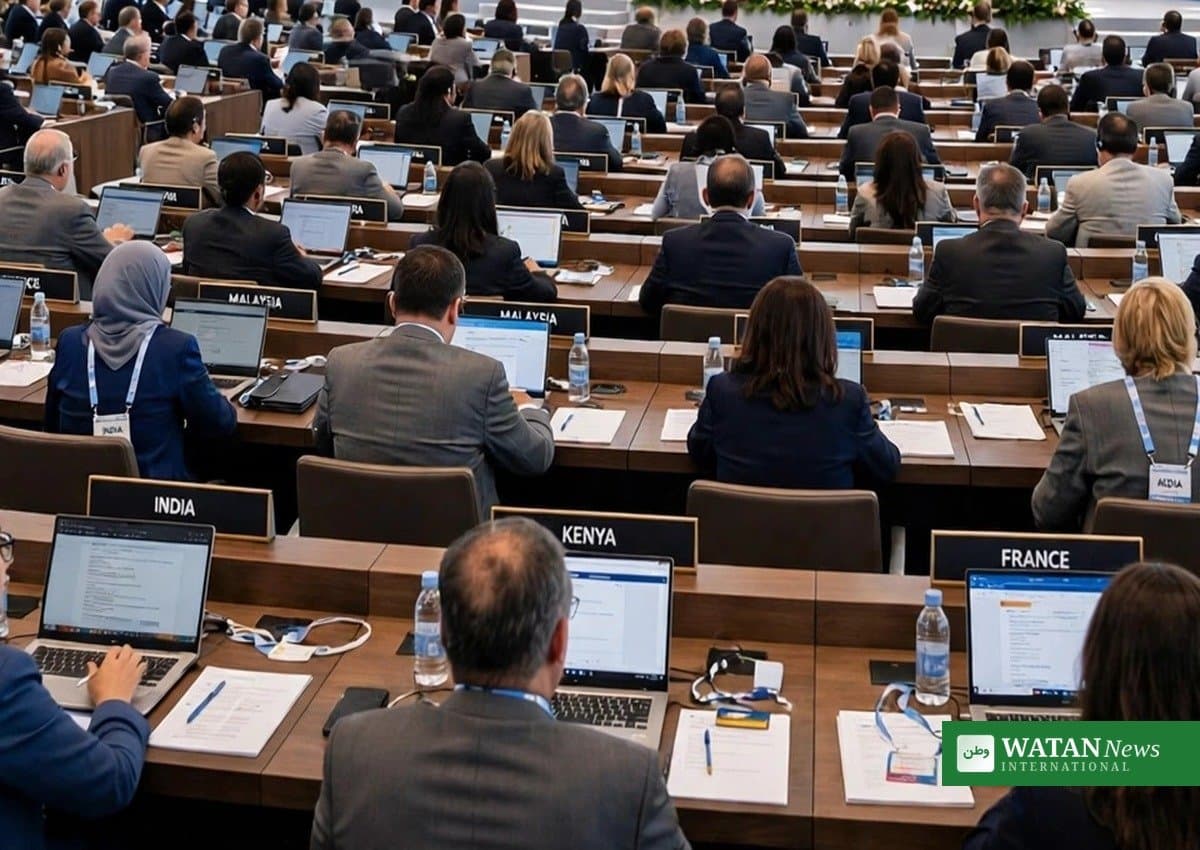
COP31, the 31st United Nations climate conference, opens on Monday 9 November in Antalya, Türkiye, without an official delegation from the United States — and with the climate science meant to guide its negotiations still without an agreed timetable.
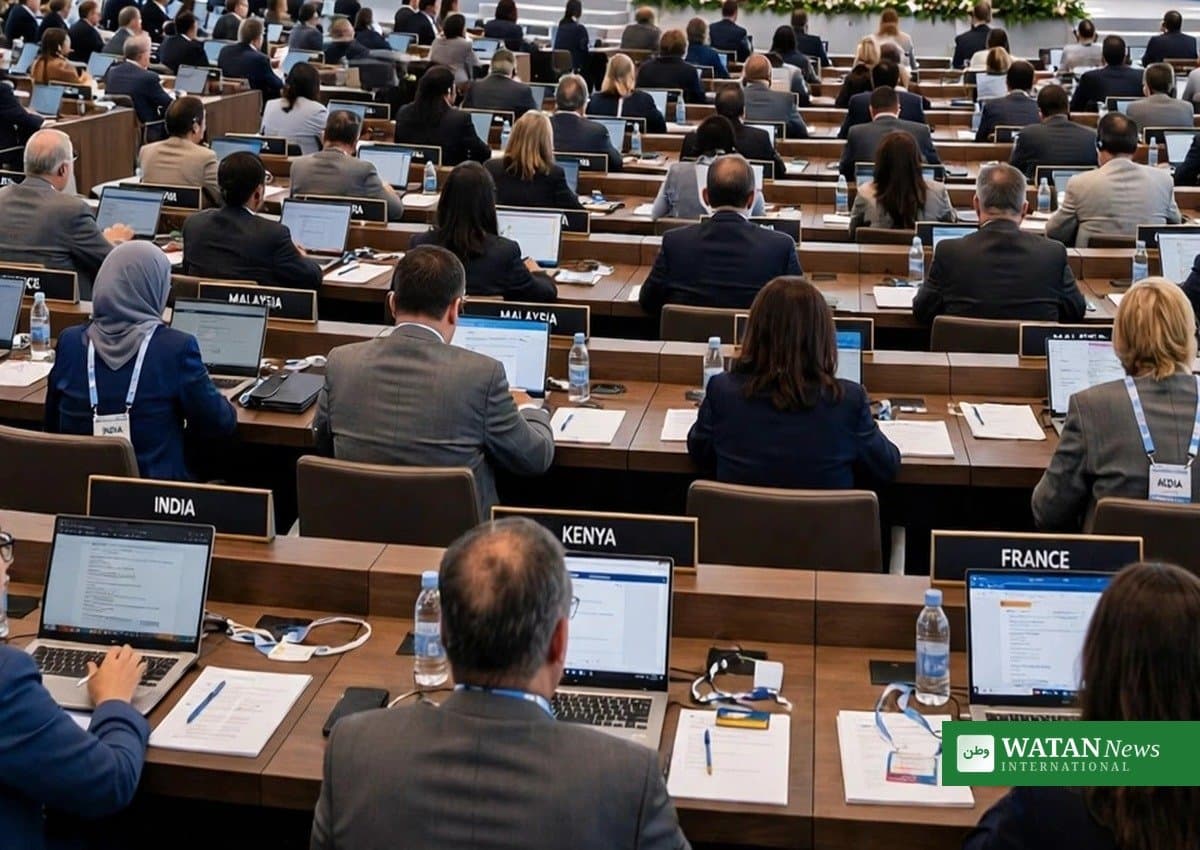
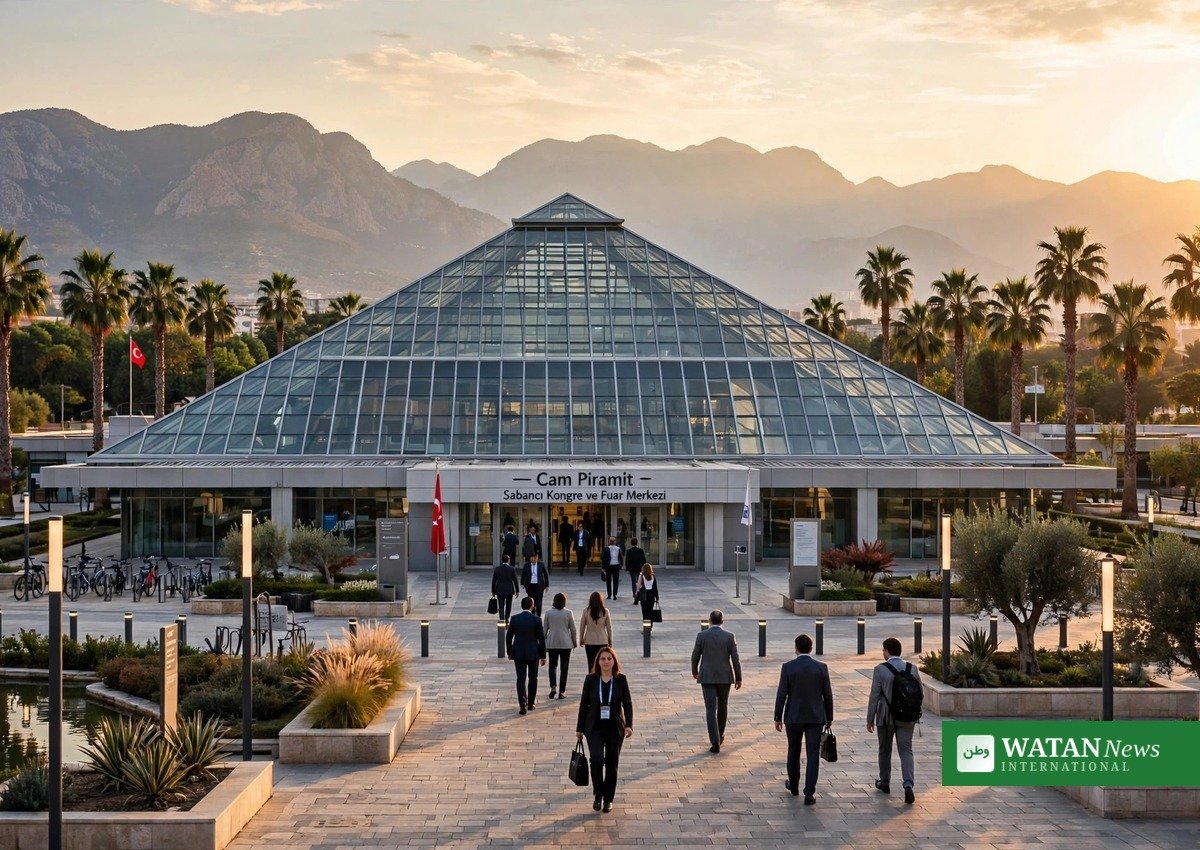
The summit, which runs until 20 November at the Antalya Expo Center, brings together representatives of more than 190 countries at a moment when the world is set to overshoot the Paris Agreement’s 1.5°C warming limit. Yet two of the foundations the talks rest on — full participation and up-to-date science — are both shaken before the opening session.
An empty chair for the world’s second-largest emitter
The United States, the world’s second-largest and historically biggest emitter, formally withdrew from the Paris Agreement at the start of this year and will not send an official delegation to Antalya, according to the Council on Foreign Relations. Members of Congress and American businesses will still attend the summit.
A 19-member congressional delegation will travel to Türkiye for the talks, Democratic Representative Sean Casten announced on 5 November, a day after midterm elections in the United States. Casten said the delegation would play an important diplomatic role even though the United States is not taking part in the negotiations.
The absence follows a wider break with the UN climate process. The United States sent no delegation to COP30 in Brazil last year, stopped paying its dues — about a fifth of the UN climate convention’s core budget — and rescinded $4 billion in pledges to the largest multilateral climate fund, according to the Carnegie Endowment for International Peace. The administration announced in January 2026 that it would also withdraw from the UN Framework Convention on Climate Change itself, a step that takes effect on 27 February 2027 and would make the United States the first country ever to leave the convention.
The science meant to guide the talks is itself delayed
The second gap concerns the science. The Intergovernmental Panel on Climate Change (IPCC) failed to agree on the timetable for its Seventh Assessment Report (AR7) at its 65th session in Addis Ababa, Ethiopia, on 12–16 October. Chair Jim Skea suspended the session after governments could not reach consensus on the work plan or the budget, and the meeting will resume virtually on 1–3 December.
The dispute is over timing. Many European countries, least developed countries and small island states want the three working group reports — on the physical science, on impacts and adaptation, and on cutting emissions — finished in 2028, so they can feed into the second global stocktake, the Paris Agreement’s formal review of collective progress, which begins at COP31. China, India, Saudi Arabia and Russia are among those favouring 2029 for at least some of the reports, arguing that scientists and government reviewers need more time.
Negotiators in Addis Ababa narrowed seven timeline options down to four, but could not bridge the divide. The least developed countries’ negotiating group called the outcome deeply disappointing, with its chair, Adao Soares Barbosa, saying in a statement on 21 October that delaying the climate science “represents a betrayal to vulnerable developing countries”.
The IPCC’s synthesis report, which draws the three working group reports together, is planned for late 2029. Expert review of the first draft of the working group report on impacts and adaptation runs from 9 October to 4 December 2026, according to the IPCC.
What is still on the table
Despite the two gaps, the formal agenda in Antalya is full. Finance is expected to be the most contentious issue: developing countries will press for delivery of the COP29 goal to mobilise at least $300 billion a year in climate finance by 2035, and for the COP30 call to at least triple adaptation finance over the same period. Developed countries provided and mobilised a record $136.7 billion in climate finance in 2024, according to the OECD.
Negotiators will also work on the fossil-fuel transition, the just transition mechanism agreed at COP30, methane cuts and the second global stocktake. COP31 President Murat Kurum of Türkiye has framed the summit as an implementation conference, with voluntary pledges including the 35-by-35 target to raise electricity’s share of final energy consumption to 35 percent by 2035, as previously reported in COP31 Opens in Antalya on Monday: What Is at Stake at the UN Climate Summit.
The stakes are set out in the UN Environment Programme’s 2026 Emissions Gap Report: under current policies the world is heading for around 2.8°C of warming this century, or around 2.6°C if the most recent climate commitments are fully implemented. August 2026 joined July 2023 as the hottest month on record globally. The summit also marks ten years since the Paris Agreement entered into force on 4 November 2016.
FAKTA
- Summit: COP31, the 31st Conference of the Parties to the UN Framework Convention on Climate Change
- Dates and venue: 9–20 November 2026, Antalya Expo Center, Antalya, Türkiye
- World Leaders’ Summit: 11–12 November 2026
- Leadership: Murat Kurum of Türkiye as COP31 President; Chris Bowen of Australia as President of Negotiations
- United States: No official delegation; formally withdrew from the Paris Agreement in early 2026; UN climate convention exit takes effect 27 February 2027
- Congressional delegation: 19 members, announced 5 November by Representative Sean Casten
- IPCC: 65th session suspended in Addis Ababa on 16 October; AR7 timeline undecided; session resumes virtually 1–3 December 2026
- Second global stocktake: Begins at COP31 and runs until 2028