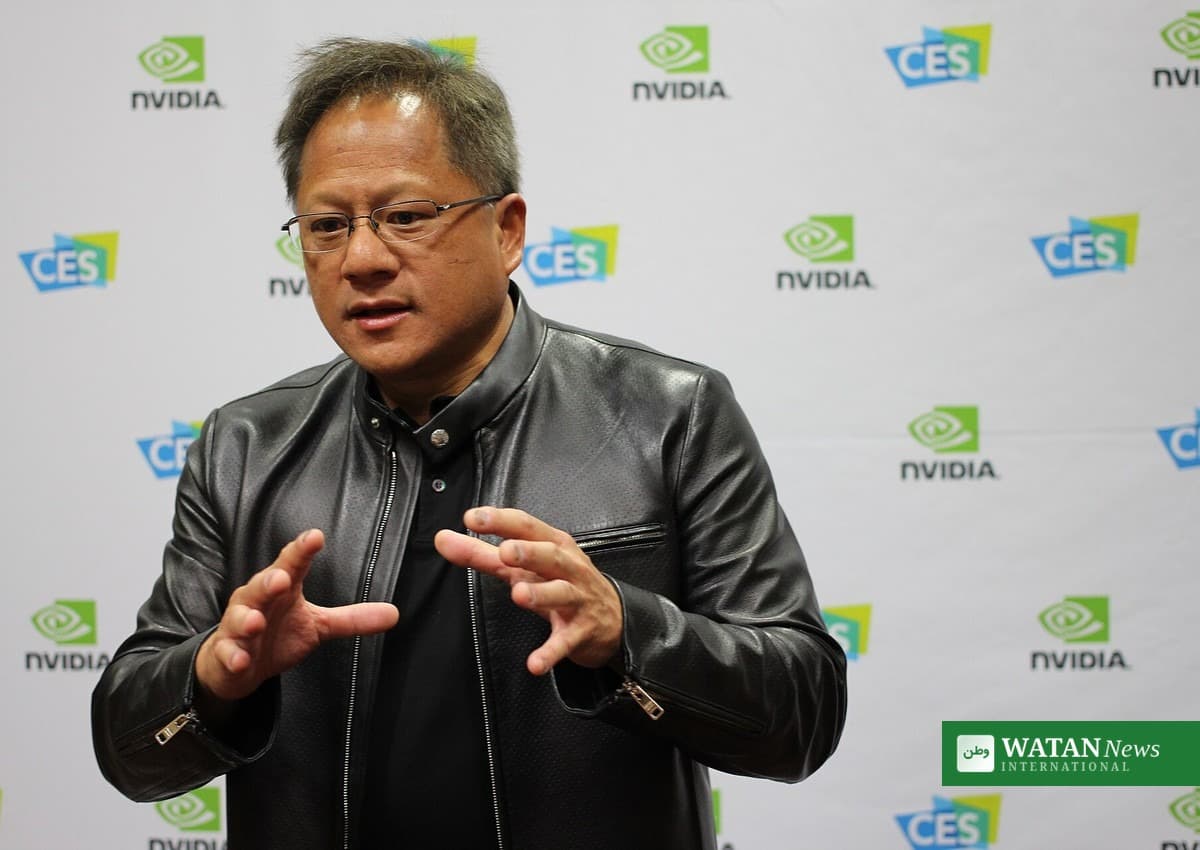
Nvidia has opened an independent probe after reports that its chief executive, Jensen Huang, was the target of a foreign intelligence effort, the company said on Sunday, 8 November. The Nvidia probe follows Huang’s admission to staff that he had an affair with a woman US intelligence agencies assess was recruited by China, an admission that has shaken the world’s most valuable chipmaker days before its quarterly earnings.
Read this story on Watan News: Nvidia Opens Probe as Huang Admits Affair with Alleged China Spy
FAKTA
- Nvidia’s board said on Sunday, 8 November, that a committee of independent directors, assisted by outside counsel, will run an independent investigation into reports that Jensen Huang was the target of a foreign intelligence effort.
- In an email to staff released the same day, Huang wrote: “I was unfaithful to my wife. My actions hurt her and our children. There is no excuse for what I did. I am deeply sorry.” He did not name the woman involved.
- The woman is Alice Huang, also known as Huang Le, a Chinese citizen and former executive at Megaspeed, a Singapore-based data-centre company and Nvidia customer. The two are not related.
- The New York Times reported on 29 October that US intelligence assessed Alice Huang was gathering information for China. The Financial Times reported on 7 November that a memo circulated among senior US policymakers last spring said she had been recruited by China’s Ministry of State Security and described the relationship as romantic.
- Megaspeed has also been the subject of a US Commerce Department inquiry into the possible diversion of AI chips to China.
- Nvidia’s board said it has “no reason to believe” that national security or Nvidia secrets were compromised, but that the inquiry “will examine all available information”.
- Three Republican House committee chairs have asked Huang for a closed-door briefing on 18 November, the day after Nvidia’s quarterly earnings, and Senator Chris Coons has pledged a Senate inquiry.
- China has rejected the reporting as groundless and a smear. The public reporting does not establish that any sensitive information was obtained.
The Nvidia Probe: What the Board Said
Nvidia’s board announced the investigation in a statement on Sunday, saying it was acting after reports that Huang “has been the target of a foreign intelligence effort”. The review will be run by a committee made up solely of independent directors, supported by outside legal counsel. The board said it prioritises US national and economic security, and that it has confidence in Huang and his leadership team. Huang, 63, will continue to serve as chief executive while the inquiry proceeds.
Before Sunday, Nvidia had described Huang’s interactions with Alice Huang as ordinary customer engagements and said customers do not receive classified information or trade secrets. The board’s statement kept that position, saying it has no reason to believe secrets were compromised, while committing to examine all available information.
What the Reporting Says
The New York Times reported on 29 October that US intelligence agencies had assessed that Alice Huang, a former executive at the Singapore-based company Megaspeed, was gathering information for China, and that she had developed a close relationship with Jensen Huang. The Financial Times reported on 7 November that a memo circulated among senior US policymakers last spring said she had been recruited by China’s Ministry of State Security and described the relationship as romantic. NBC News said it had not independently confirmed either outlet’s reporting.
Alice Huang has not been charged with any offence. Megaspeed, which buys Nvidia chips for its data centres, has been the subject of a US Commerce Department inquiry into whether it helped divert restricted AI chips to China. The reporting so far does not establish that Jensen Huang knew of Alice Huang’s alleged intelligence activity or passed on confidential information.
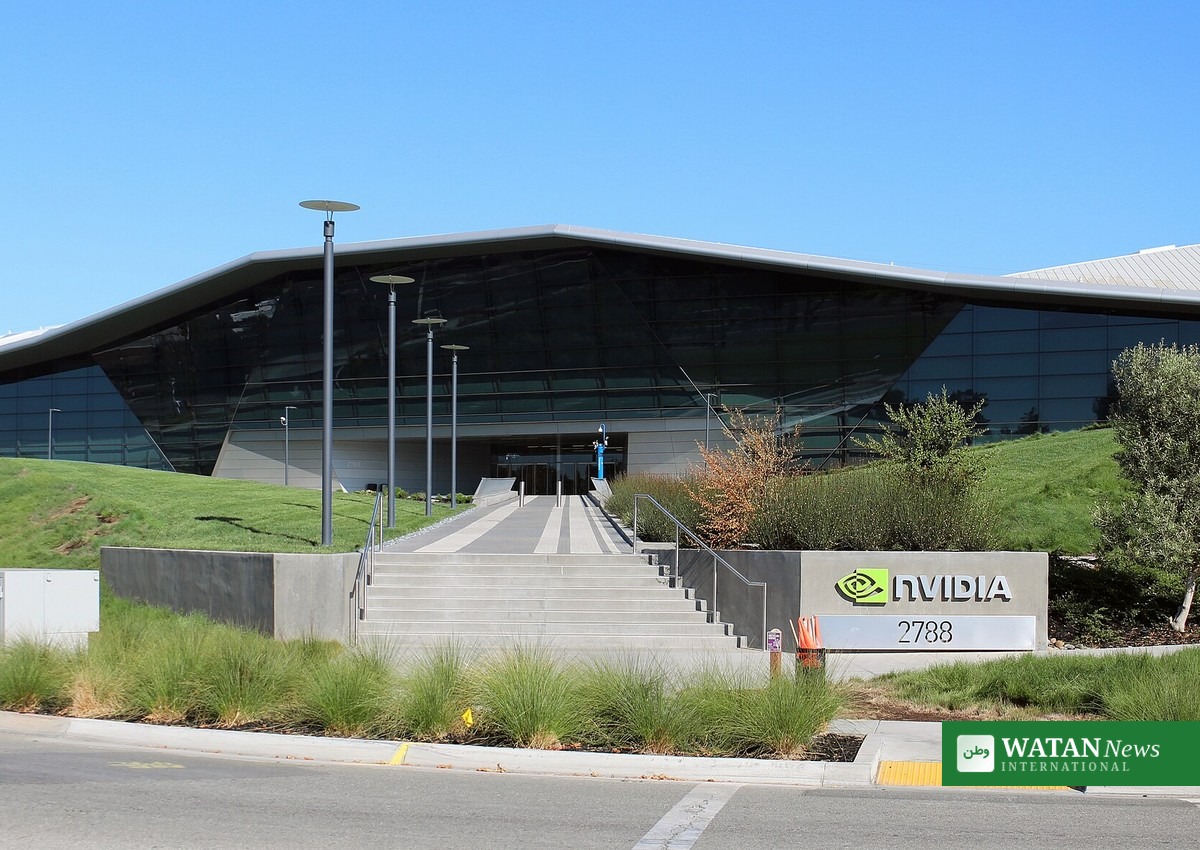
Nvidia’s headquarters in Santa Clara, California. The chipmaker says its board has no reason to believe company secrets were compromised.
Congress Steps In
The affair and the espionage allegations have drawn swift attention in Washington. Three Republican House committee chairs — Foreign Affairs Chairman Brian Mast, Select Committee on China Chairman John Moolenaar and the House Intelligence Committee chairman — have asked Huang to attend a closed-door briefing on 18 November, the day after Nvidia reports quarterly earnings. Senator Chris Coons, a Democrat, has separately pledged a Senate inquiry.
The case lands in the middle of an active dispute over which Nvidia AI chips may be sold to China, and it could harden congressional positions on export controls. Lawmakers on both sides have said they want to know what Huang knew, when he knew it, and whether any company information reached Beijing.
Timeline: How the Story Unfolded
| Date | Development |
|---|---|
| Last spring | US intelligence memo circulated among senior policymakers says Alice Huang was recruited by China’s Ministry of State Security |
| 29 October | The New York Times reports US intelligence assessed Alice Huang was gathering information for China |
| 7 November | The Financial Times reports the memo described the relationship with Jensen Huang as romantic |
| 8 November | Nvidia’s board opens an independent investigation; Huang admits an affair in a staff email |
| 18 November | House committee chairs have asked Huang for a closed-door briefing |
What Happens Next
The independent review will now examine the available information about the reported foreign intelligence effort and Huang’s connections to the people involved. Nvidia reports quarterly earnings on 17 November, the day before the requested House briefing, and investors will be watching both events closely. For now, the company says its operations and leadership continue without interruption — but the questions facing its chief executive are only beginning.
Conclusion
The Nvidia probe is two stories at once: a personal admission by one of the world’s most prominent chief executives, and a national-security question about whether the head of the company that makes the chips powering the artificial-intelligence boom was targeted by a foreign intelligence service. Neither part has been fully answered yet, and the board’s investigation — alongside Congress — will decide how much damage either does.