LIVE
BREAKING
Colchester County Wins Nova Scotia’s 2026 Climate Change Leaders AwardIsraeli Strike on MSF Clinic in Gaza Kills Two Aid WorkersInvisiSpeech: ETH Zurich Device Lets People Talk to AI Without Saying a WordToronto to Host 2027 Climate and Health Conference on 5 NovemberGlobal Shipping Growth Set to Stall in 2026, UN WarnsAfricans Increasingly Look to Rich Countries to Lead on Climate, Afrobarometer FindsMalta Youth Green Business Pitches Win Place in Greece FinalEngland Unveils Trees Action Plan with Millions More Trees and a Second National ForestUN Tourism Puts Local Communities at the Heart of Travel’s FutureNew Mexico Awards $11.5 Million to 15 Circular Economy ProjectsCOP31: Ocean Action Momentum Survives the No-Deal CollapseRussian Military Flotilla Turns Back From Libya After Warship Sunk in BenghaziNicole Scherzinger and Thom Evans Split After Seven Years TogetherCopenhagen S-Trains Free on Five Sundays Before ChristmasBlack Friday Food Deals 2026: BOGO Burgers, Free Pizza and $1 Fries Across the USShah Rukh Khan and Kareena Kapoor Reunite in Daddy Cool From KingNvidia Reinstates Jensen Huang as CEO in Dramatic U-TurnNew Zealand Election Ends in Deadlock as Kingmaker Party Holds KeyTwo Italians Killed in Kuwait Drone Attack Blamed on IranBlack Friday Shoppers Return as Markets Rebound From Tariff ShockColchester County Wins Nova Scotia’s 2026 Climate Change Leaders AwardIsraeli Strike on MSF Clinic in Gaza Kills Two Aid WorkersInvisiSpeech: ETH Zurich Device Lets People Talk to AI Without Saying a WordToronto to Host 2027 Climate and Health Conference on 5 NovemberGlobal Shipping Growth Set to Stall in 2026, UN WarnsAfricans Increasingly Look to Rich Countries to Lead on Climate, Afrobarometer FindsMalta Youth Green Business Pitches Win Place in Greece FinalEngland Unveils Trees Action Plan with Millions More Trees and a Second National ForestUN Tourism Puts Local Communities at the Heart of Travel’s FutureNew Mexico Awards $11.5 Million to 15 Circular Economy ProjectsCOP31: Ocean Action Momentum Survives the No-Deal CollapseRussian Military Flotilla Turns Back From Libya After Warship Sunk in BenghaziNicole Scherzinger and Thom Evans Split After Seven Years TogetherCopenhagen S-Trains Free on Five Sundays Before ChristmasBlack Friday Food Deals 2026: BOGO Burgers, Free Pizza and $1 Fries Across the USShah Rukh Khan and Kareena Kapoor Reunite in Daddy Cool From KingNvidia Reinstates Jensen Huang as CEO in Dramatic U-TurnNew Zealand Election Ends in Deadlock as Kingmaker Party Holds KeyTwo Italians Killed in Kuwait Drone Attack Blamed on IranBlack Friday Shoppers Return as Markets Rebound From Tariff Shock
Technology

InvisiSpeech: ETH Zurich Device Lets People Talk to AI Without Saying a Word

News Desk 2Published November 28, 2026
InvisiSpeech: ETH Zurich Device Lets People Talk to AI Without Saying a Word
Share this story

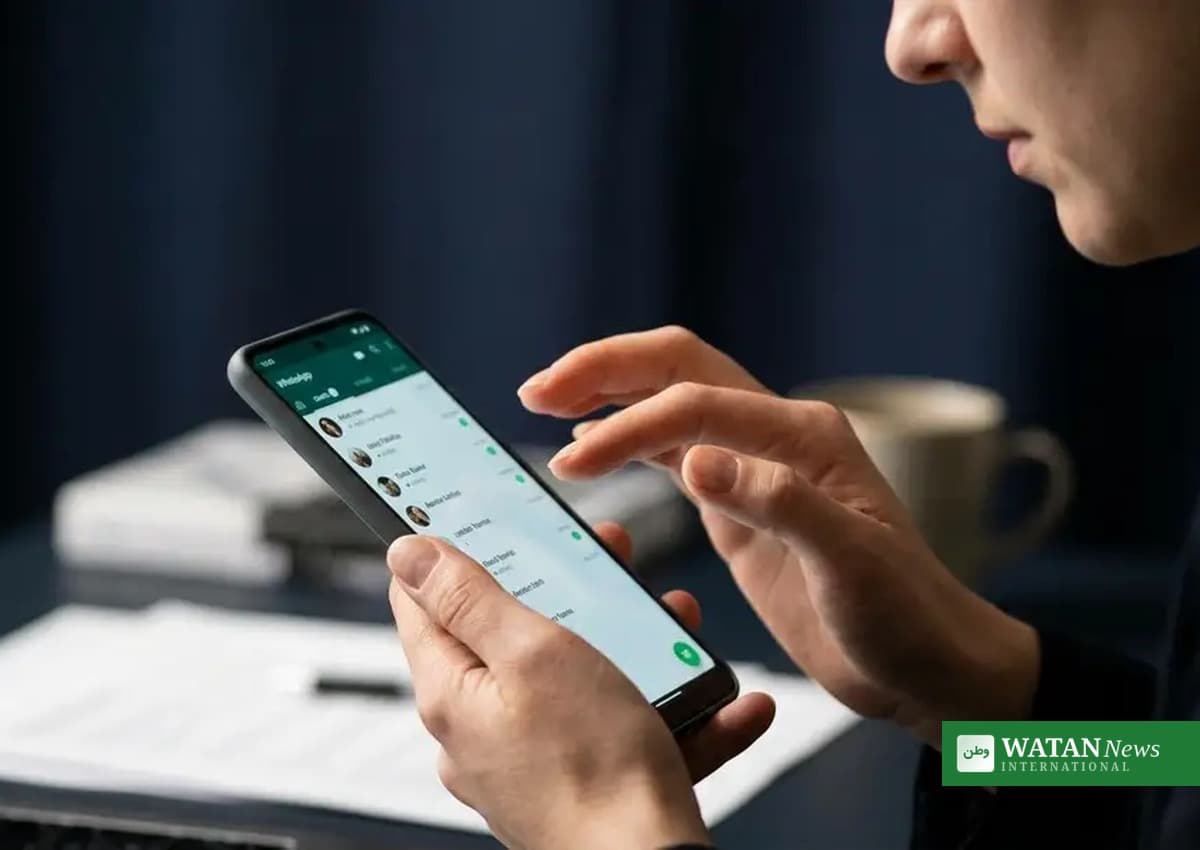
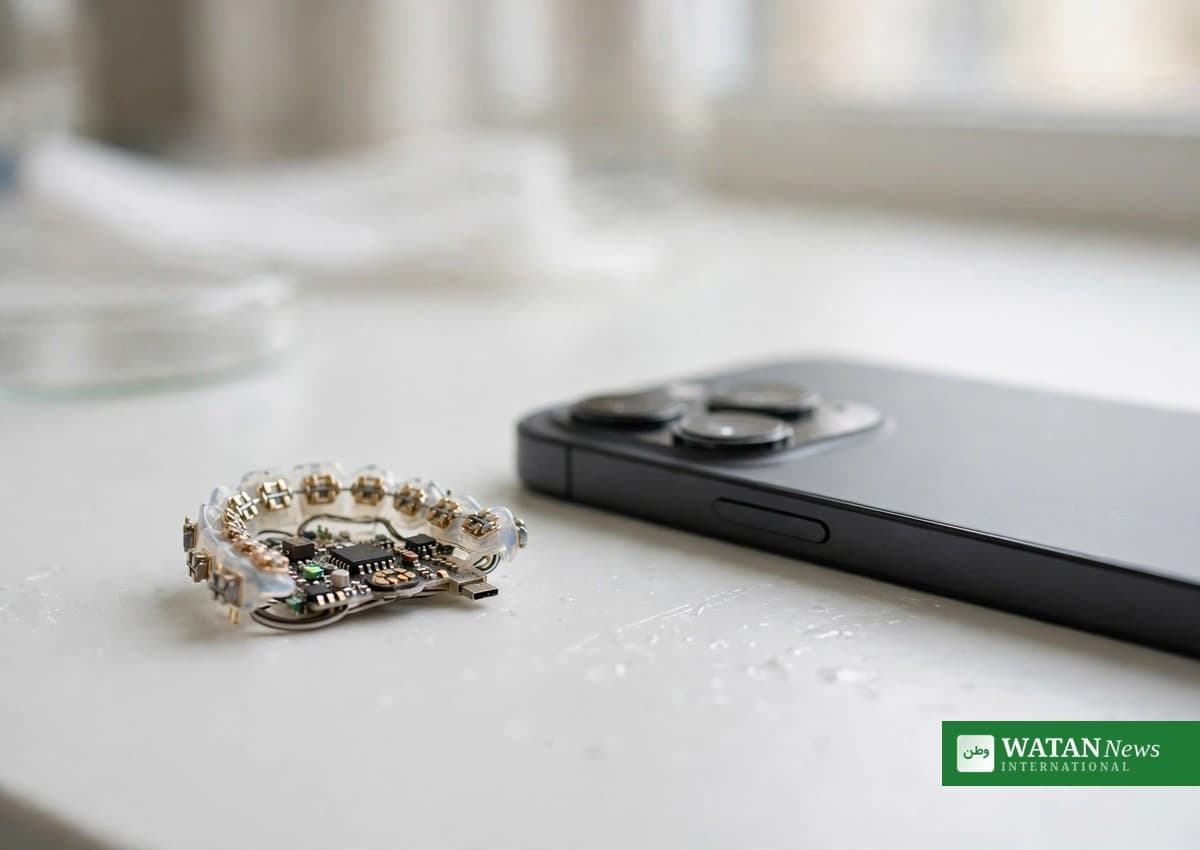
Researchers in Switzerland have built a device that lets people talk to artificial intelligence without making a sound. The tiny sensor, called InvisiSpeech, sits hidden inside the mouth and turns silently formed words into commands for a smartphone.

It was developed at ETH Zurich by researchers at its Sensing, Interaction and Perception Lab (SIPLAB), led by computer science professor Christian Holz, together with researchers from Aarhus University in Denmark and Penn State University in the United States.

FAKTA

  • What: InvisiSpeech, a miniature sensor that recognises silently mouthed words and sends them to an AI assistant
  • Who: ETH Zurich’s SIPLAB, led by Professor Christian Holz
  • How it fits: Like a small dental brace between a back molar and the cheek; no implant and no surgery needed
  • Accuracy: Up to 91.5 percent on 50 predefined English commands in tests with 15 people
  • Status: Research prototype; the design is open-source and further development is under way

How InvisiSpeech Works

The device is worn like a small dental brace, fitted between a back molar and the cheek, hidden from view. Its casing holds a vibration sensor, a battery and electronics for wireless data transfer. When the wearer silently forms words with the tongue, as in ordinary speech but without sound or lip movement, the tiny vibrations travel through the tooth to the sensor.

The sensor sends the signals to a smartphone over Bluetooth, where an AI model developed by the ETH team decodes them into words and carries out the command. Unlike brain-computer interfaces, it does not measure brain activity and needs no implant. It can be inserted and removed in seconds.

“InvisiSpeech enables us to interact in fundamentally new ways: the invisible input of commands to an AI via natural language,” said Professor Holz.

Where Silent Speech Could Help

The researchers see the technology as a discreet way to use AI in quiet or crowded places. A person could look up information during a meeting, translate foreign-language text through AI glasses, or switch devices on and off without speaking or reaching for a screen. Because the sensor reads vibrations rather than sound, background noise barely affects it, which could make it useful on public transport too.

In tests, participants used it to control smart devices, retrieve information and translate content, all without uttering a word. After a brief calibration for each person, the system recognised the commands correctly in around nine out of ten cases.

From Commands to Conversation

For now, InvisiSpeech handles short, predefined commands. The researchers’ next goal is to move beyond fixed phrases and make natural conversation with AI possible, even while the wearer is walking. They also want the hardware to become practical enough for everyday use.

Silent-speech interfaces have been explored before, but the ETH team says theirs is the first to be invisible, hands-free, wireless, waterproof and open-source at the same time. If it matures, talking to an AI assistant without anyone noticing could become routine. More world technology news is available at Watan News.


Related Stories

Planet & environment

Climate & Sustainability

News, stories and solutions driving change towards a greener and more sustainable planet for future generations.

Colchester County Wins Nova Scotia’s 2026 Climate Change Leaders Award
Featured story

Colchester County Wins Nova Scotia’s 2026 Climate Change Leaders Award

Colchester County in Nova Scotia has won the 2026 Climate Change Leaders Award for its Cozy Colchester and Solar Colchester home energy programmes, which have avoided about 4,400 tonnes of carbon dioxide.

Read full story

GREEN JOURNALISM

Every Action Counts

Small steps today, big impact tomorrow.

Explore more stories