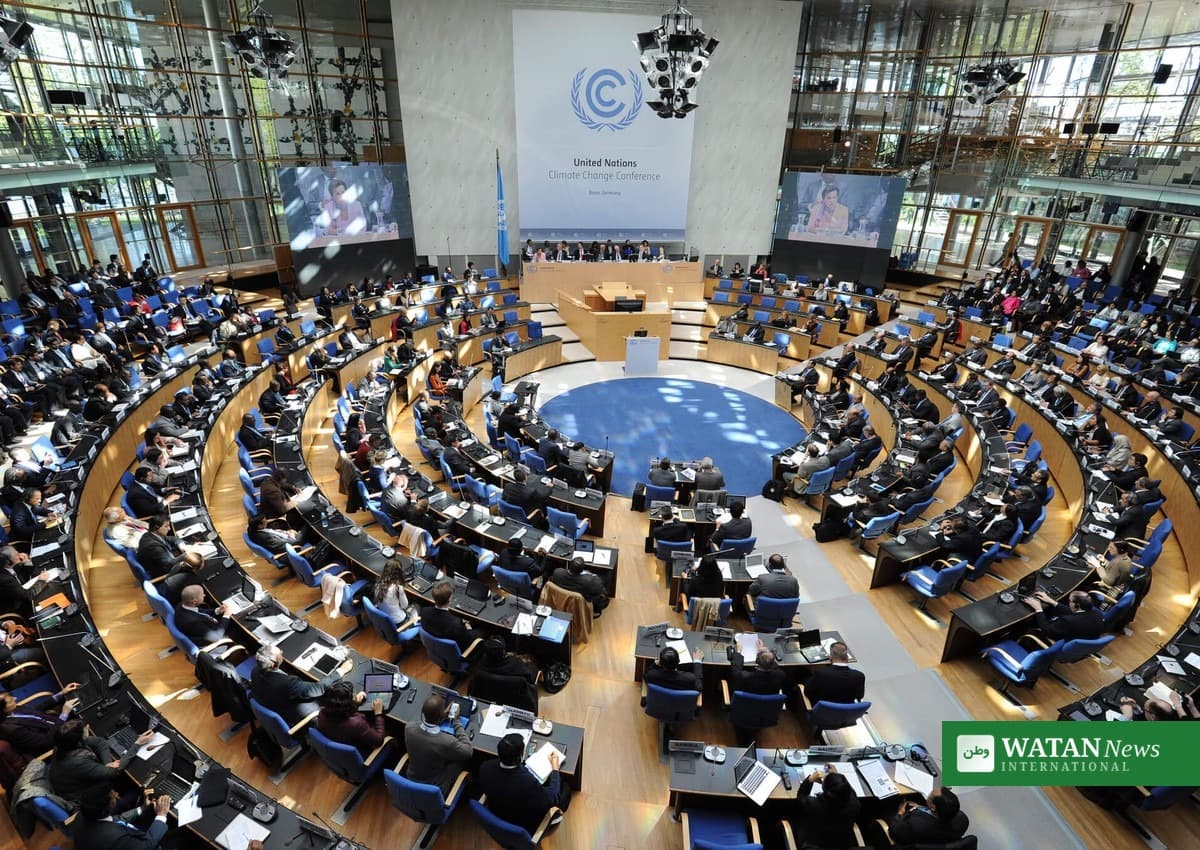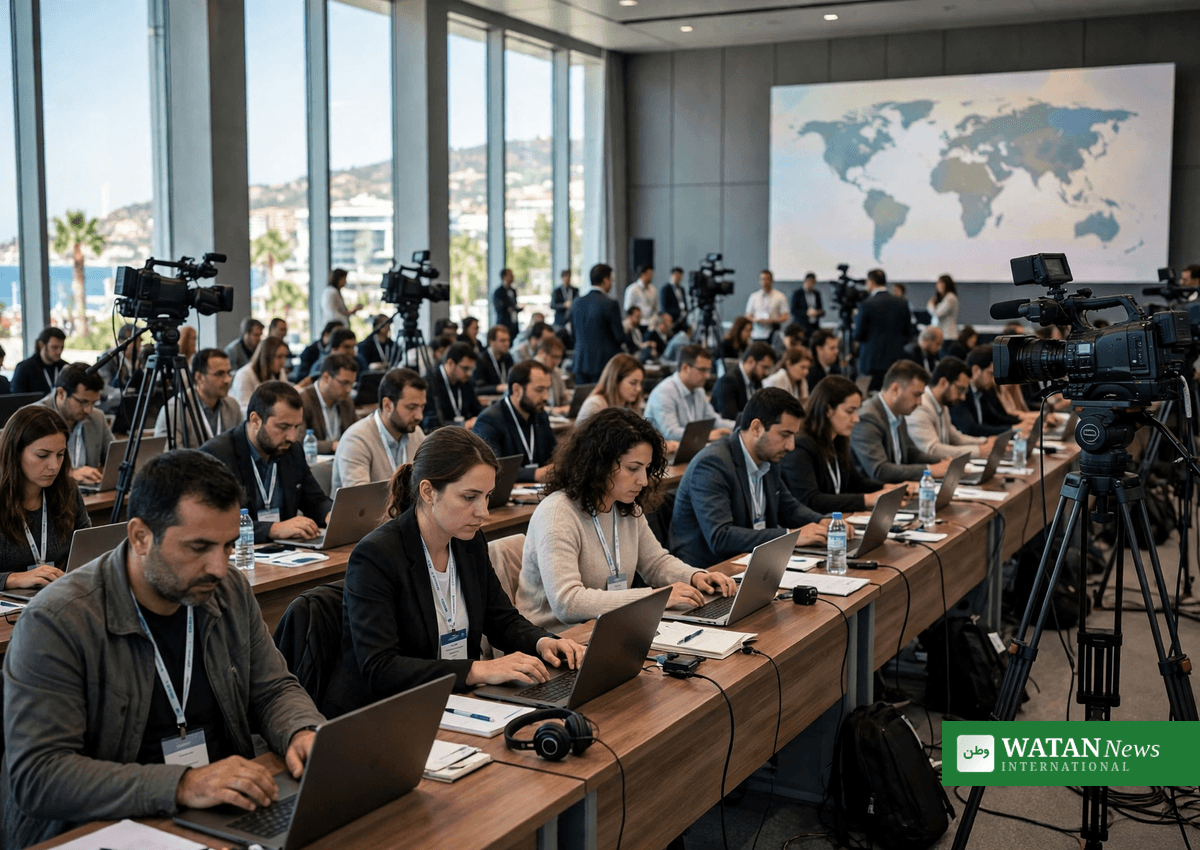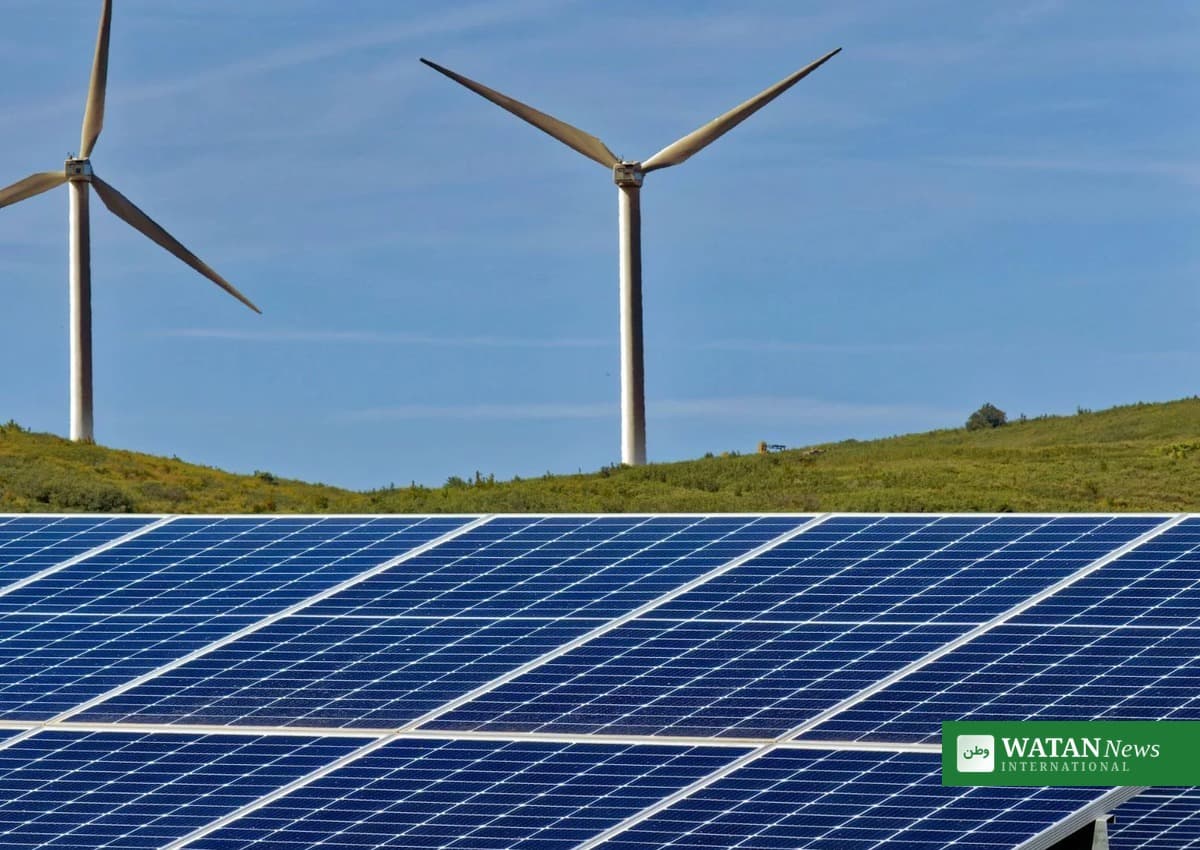
Energy takes centre stage at COP31 in Antalya on Tuesday 10 November, when the summit holds its Energy and Transport Day — and the day will test whether the conference’s flagship electrification pledge is backed by renewable power.
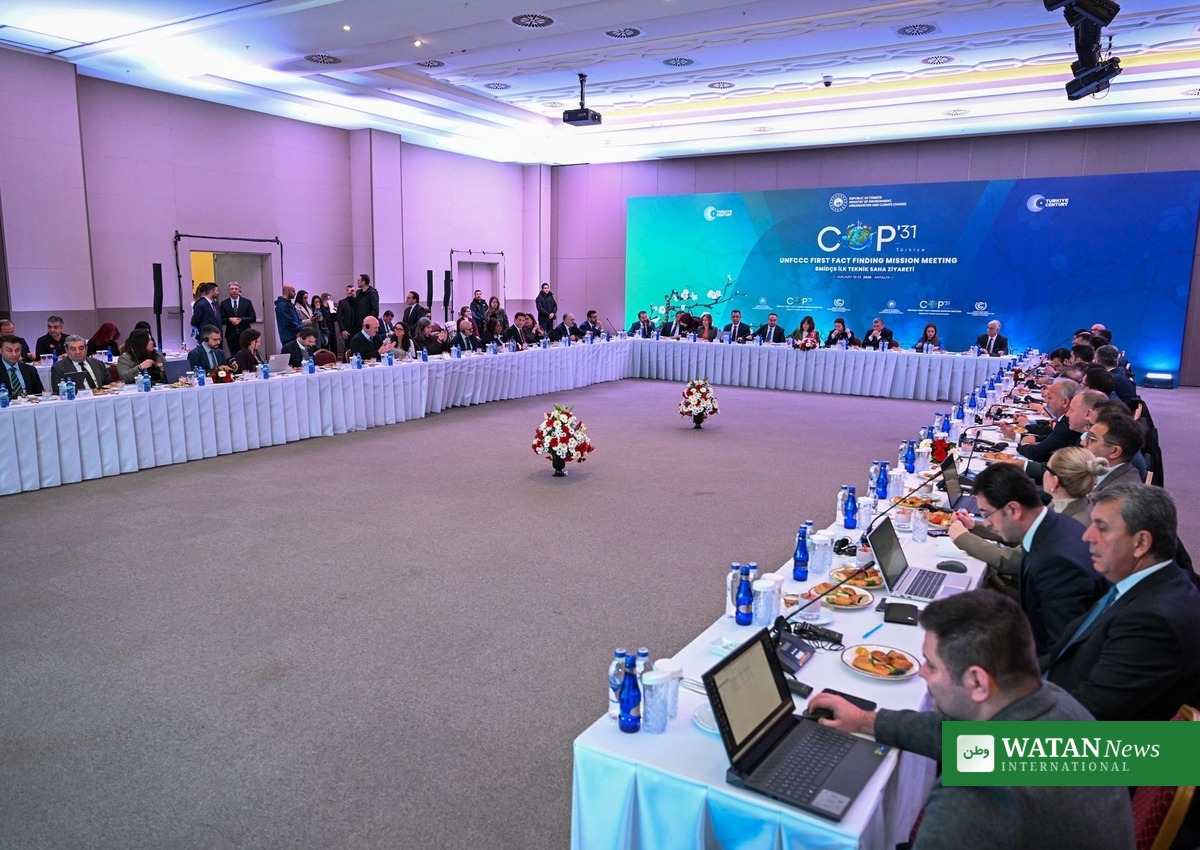
What happens on Energy Day
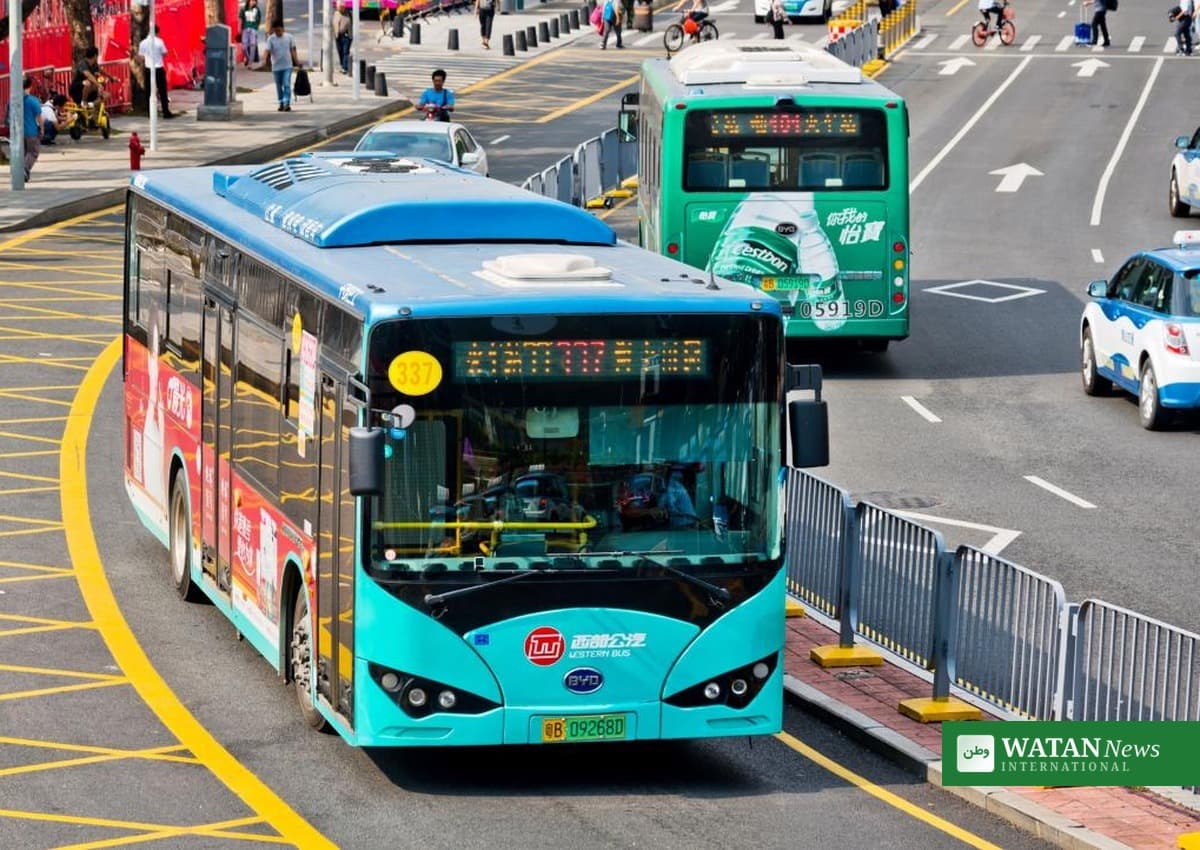
Energy and Transport is the second of COP31’s twelve thematic days. According to the official COP31 programme, the day covers energy security, electrification, grid infrastructure, energy diversification and efficiency, and sustainable transport.
The centrepiece is a Global Electrification Ministerial in the afternoon, hosted by the COP31 Presidency of Türkiye and Electrify Now, on delivering affordable clean electrification through policy, finance and partnerships. High-level ministerial discussions are scheduled for the day, ahead of a dedicated Leaders’ Summit on Electrification on Wednesday 11 November.
The day also carries a ministerial roundtable on the COP31 Global Geothermal Ambition, which aims to raise geothermal power and heat to twelve times its 2025 level by 2050, and a European Commission session on Ukraine’s resilient energy transition.
The renewables test for the 35-by-35 pledge
At the heart of Energy Day is the COP31 Presidency’s 35-by-35 Global Electrification Pledge: a non-binding commitment to raise electricity’s share of global final energy use from about a fifth today to at least 35 percent by 2035. It was launched jointly by COP31 President Murat Kurum of Türkiye and Chris Bowen, Australia’s climate and energy minister and COP31’s President of Negotiations, with a technical assessment from the International Energy Agency. Kurum has said COP31 aims “to usher in the age of electricity”.
But the pledge, as written, does not say the extra electricity must come from renewable or low-carbon sources — and that gap is the debate of Energy Day. Greenpeace Türkiye expert Emel Turker Alpay has warned that the target does not specify that electricity must be generated from renewable energy, while climate advocates and Pacific island states have warned that without such a condition the pledge risks locking in coal- or gas-powered grids.
The question is sharpest for the host country itself. About a third of Türkiye’s electricity still comes from coal, and Ankara has set no date to phase it out — even as it presents a 2040 energy plan to reach 175 gigawatts of wind and solar capacity. Electrification only cuts emissions if the electricity is clean.
The scale of the task
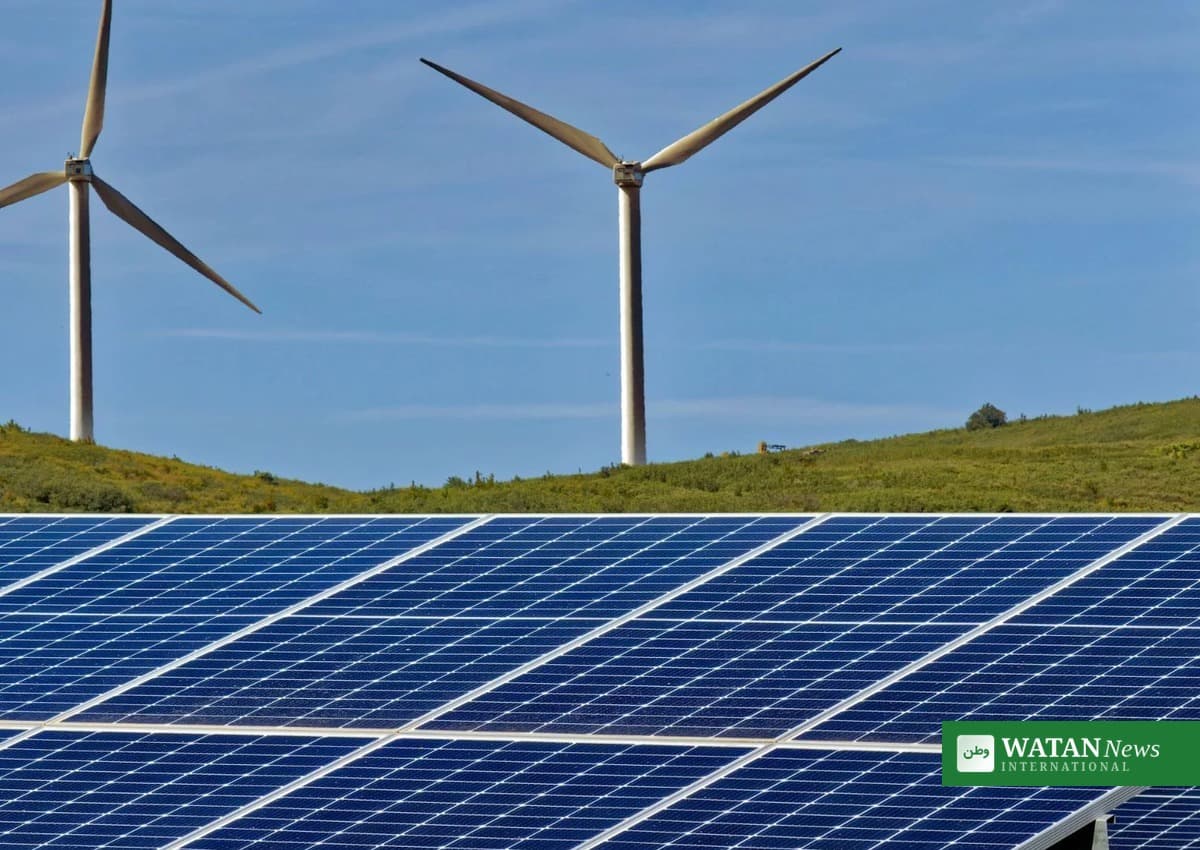
The numbers behind the pledge show how much renewable power must be built. A tracking report released in September by the International Renewable Energy Agency (IRENA), the COP31 Presidency and the Global Renewables Alliance found 5.15 terawatts of renewable power capacity installed worldwide at the end of 2025, after a record 693 gigawatts were added in the year. To meet the agreed goal of tripling renewables to 11.2 terawatts by 2030, the world must add an average of 1,200 gigawatts a year between 2026 and 2030 — more capacity in five years than in all previous years combined.
The report also found the supporting systems lagging: investment in grids and flexibility must rise to nearly one trillion US dollars a year between 2026 and 2030, more than double 2025 levels, while energy efficiency improved by only around 2 percent in 2025, far below the 4 percent needed. On the brighter side, battery storage costs fell by 30 percent between 2024 and 2025, and by 95 percent since 2010, and solar and wind are set to overtake total fossil-fuel capacity by 2030, reaching around 62 percent of installed power.
IRENA’s scenario calculations put the COP31 target in stark terms: for electricity to reach 35 percent of final energy use by 2035, renewables would need to supply around 78 percent of global power generation, up from under a third in 2024. “Electrification with renewables is one of the most powerful policy levers to accelerate and drive further action,” IRENA Director-General Francesco La Camera said when the report was released.
FAKTA
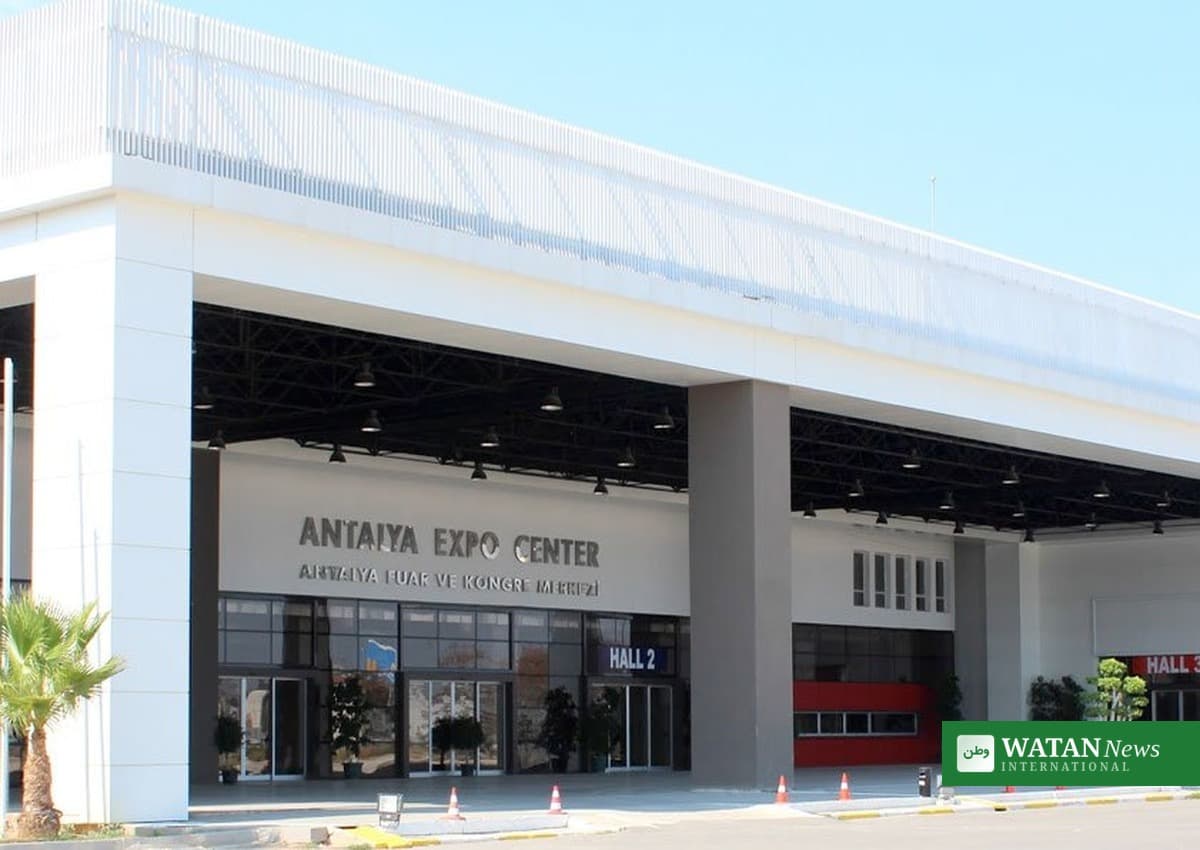
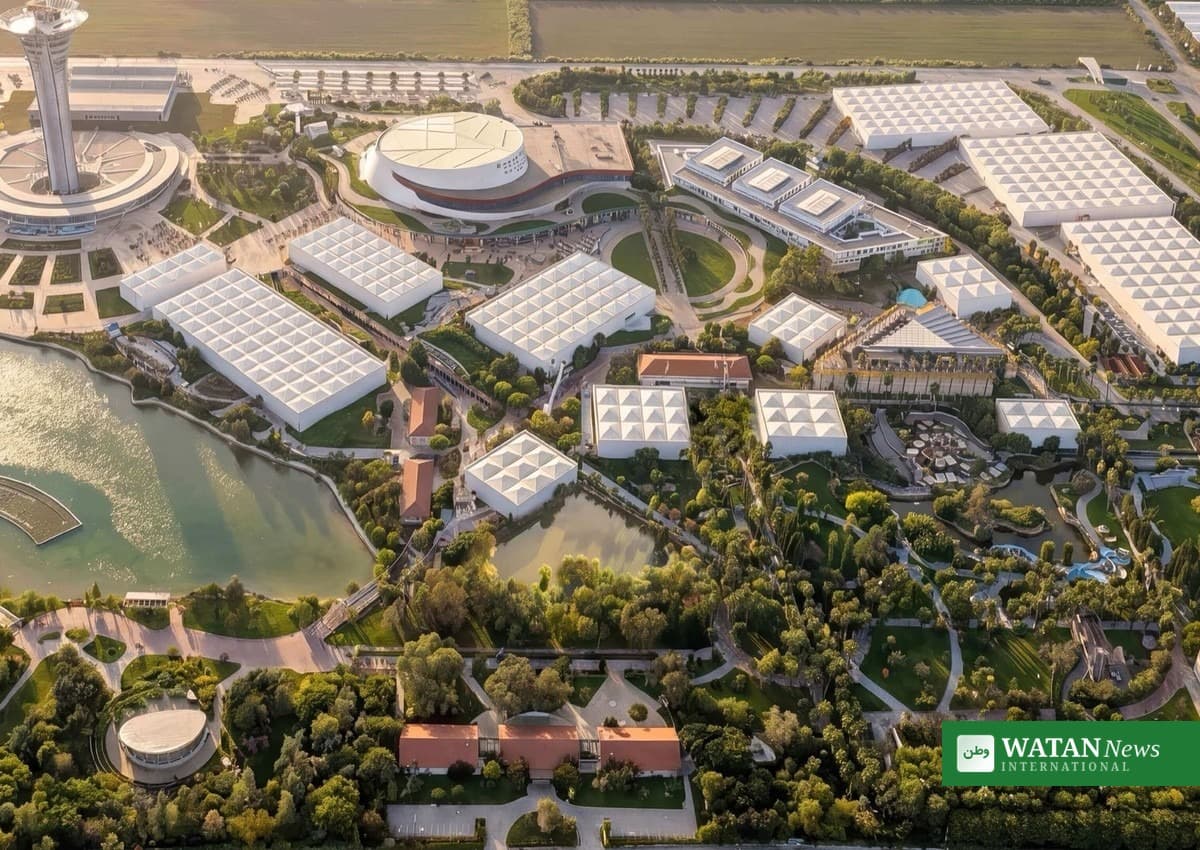
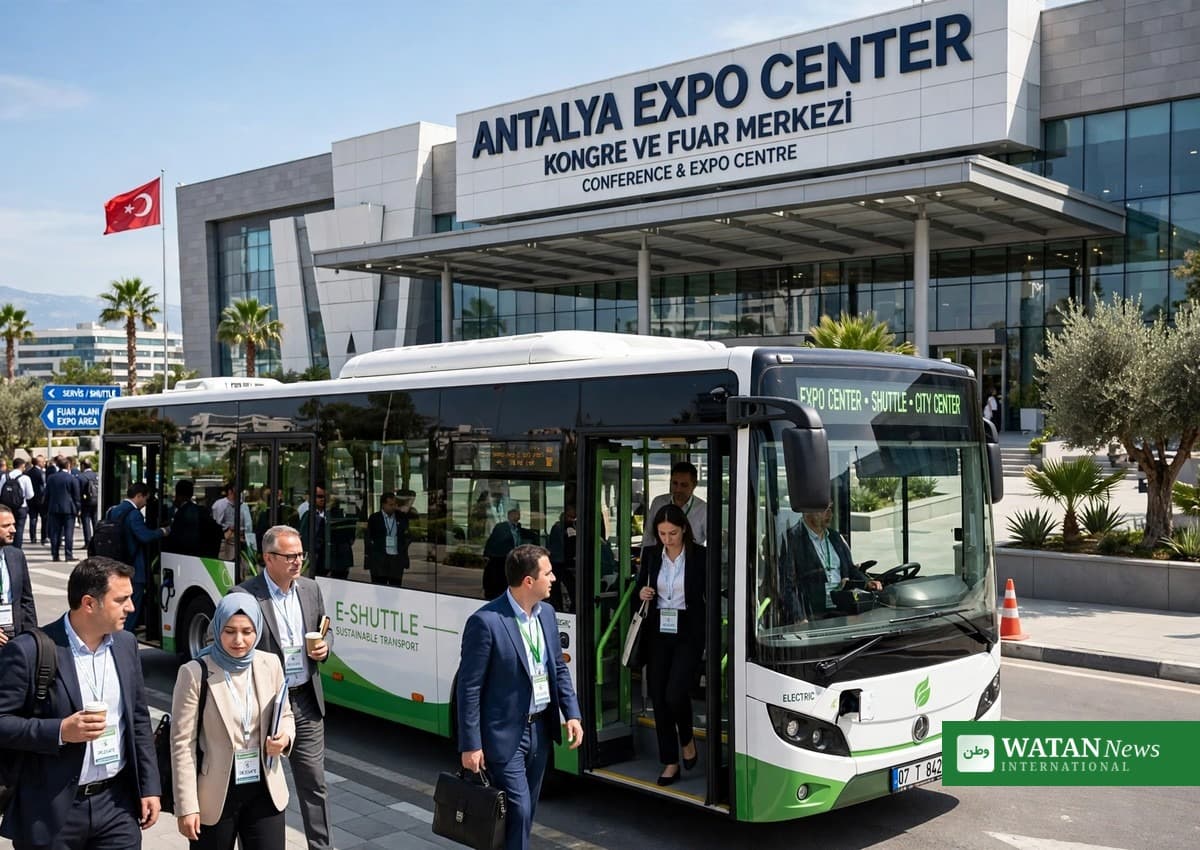
- Energy and Transport Day: Tuesday 10 November 2026, COP31, Antalya Expo Center, Türkiye.
- Global Electrification Ministerial: afternoon of 10 November; hosted by the COP31 Presidency of Türkiye and Electrify Now.
- 35-by-35 pledge: electricity to at least 35 percent of final energy use by 2035, from about a fifth today; non-binding.
- Renewables installed: 5.15 terawatts at the end of 2025; target 11.2 terawatts by 2030 (IRENA).
- Additions needed: 1,200 gigawatts a year on average, 2026–2030.
- Leaders’ Summit on Electrification: Wednesday 11 November 2026.
What to watch next
Energy Day will be judged on what ministers actually commit to: new support for grids and storage, finance for clean power in developing countries, and any move to tie the electrification pledge to renewable energy. The Leaders’ Summit on Electrification on 11 November is the next moment for heads of state to answer the same question, as COP31’s opening days give way to the formal negotiations, which run until 20 November.
Renewable energy is already the cheapest source of new electricity in most markets, and it is growing faster than any other source. Energy Day will show whether COP31 turns that momentum into a plan — or leaves the age of electricity to run on the fuels of the past.