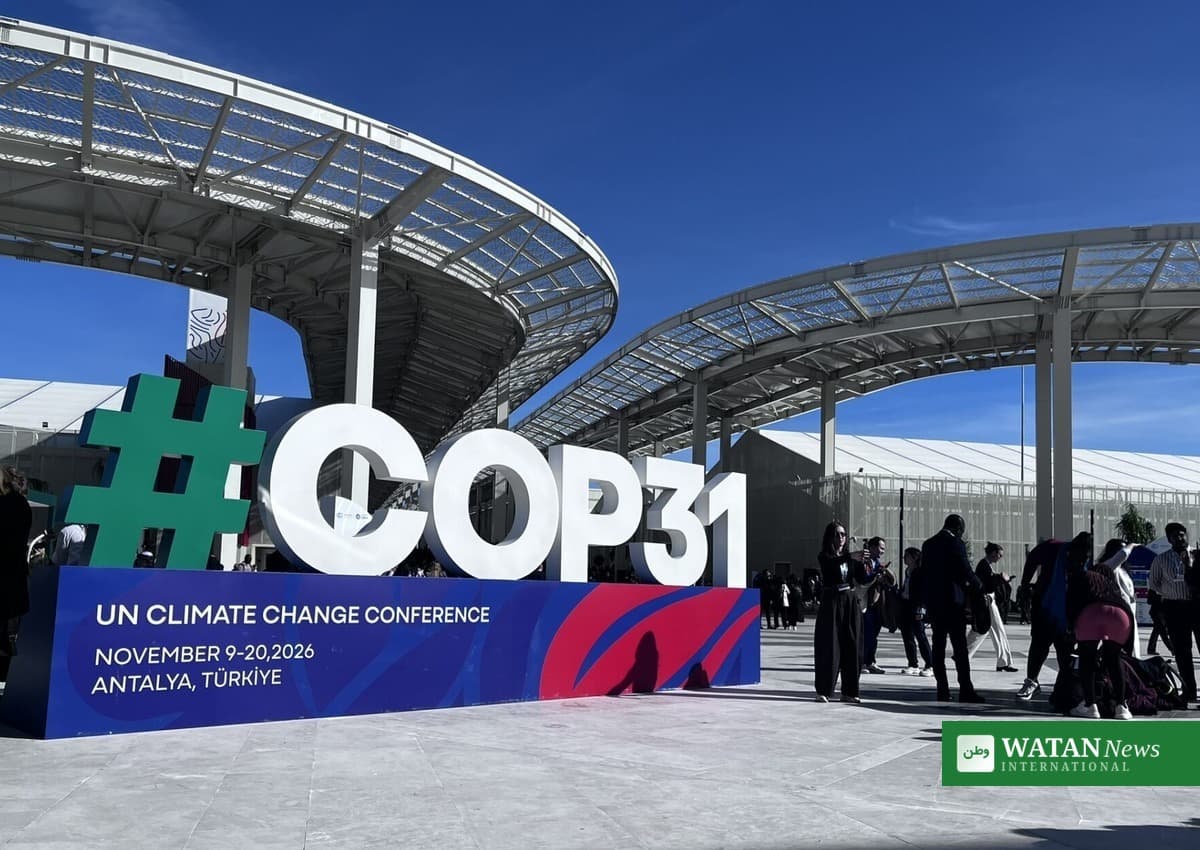
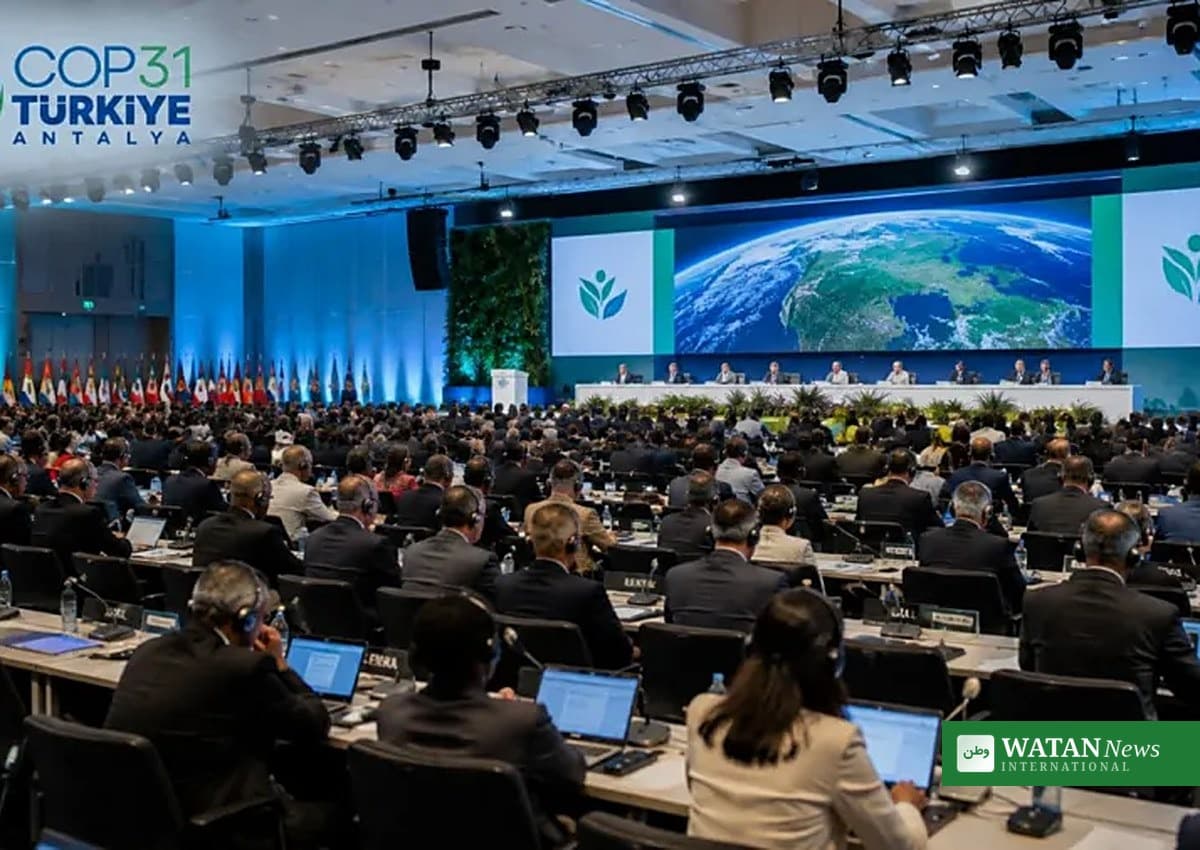
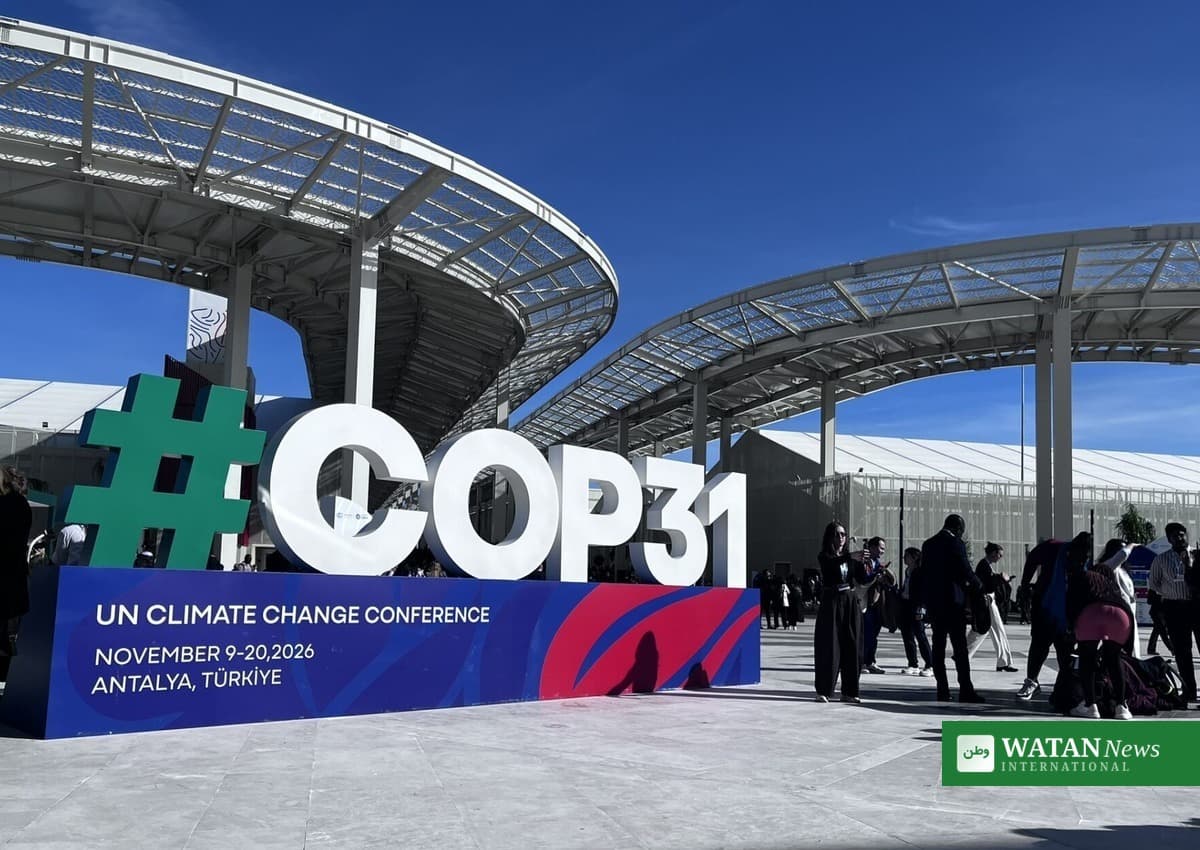
The COP31 Presidency of Türkiye and the International Renewable Energy Agency (IRENA) will formally launch the COP31 Global Geothermal Ambition 2050 in Antalya on 10 November, setting a collective goal to scale geothermal energy for power and heat to twelve times its 2025 level by 2050.
The launch comes a day after COP31 opens in Antalya on 9 November, and it puts one of the steadiest renewable sources — heat from beneath the Earth’s surface — at the centre of the summit’s push to turn climate pledges into delivery.
What the twelvefold goal means
The goal is based on IRENA analysis of a pathway consistent with limiting global warming to 1.5°C, set out in the agency’s flagship report, the World Energy Transition Outlook 2026. Under that pathway, total primary geothermal energy supply for heat and power would rise from around 2.5 exajoules in 2025 to around 31 exajoules by 2050.
Installed geothermal power capacity would grow from 15.6 gigawatts in 2025 to 193 gigawatts over the same period, according to the same analysis — an average of roughly 7 gigawatts of new capacity every year until 2050. Annual additions in recent years have been in the range of 200 to 400 megawatts, so the ambition implies a step change of around twenty times the recent pace.
Specialist outlet ThinkGeoEnergy reports total installed geothermal power capacity of 17,479 megawatts worldwide as of November 2026, a figure that reflects more recent project completions than the 2025 baseline used in the IRENA pathway.
The goal covers heat as well as electricity. That matters because much of the world’s energy demand is for heating buildings and industrial processes, not only for power — and geothermal is one of the few renewable sources that can supply both, around the clock.
The launch in Antalya
The Ambition will be launched at a ministerial roundtable co-organised by IRENA and the COP31 Presidency on 10 November, from 13:00 to 14:00 in Special Event Room 4. Türkiye’s Minister of Energy and Natural Resources, Alparslan Bayraktar, and IRENA Director-General Francesco La Camera will give the opening remarks.
Gürbüz Gönül, IRENA’s Director of Country Engagement and Partnerships, will present the Ambition and moderate a panel of ministers and senior government representatives, who will discuss how countries can contribute through their existing plans and policies. Governments and other stakeholders may be invited to state their support before the event closes.
Governments, financial institutions, businesses and international organisations are invited to endorse the Ambition by declaring their intent to work “collaboratively and expeditiously” towards the goal. The endorsement is voluntary: participants keep full authority over their own energy policies, plans and strategies, since each country’s pathway differs by resource endowment, starting point and national circumstances.
Why geothermal, why now
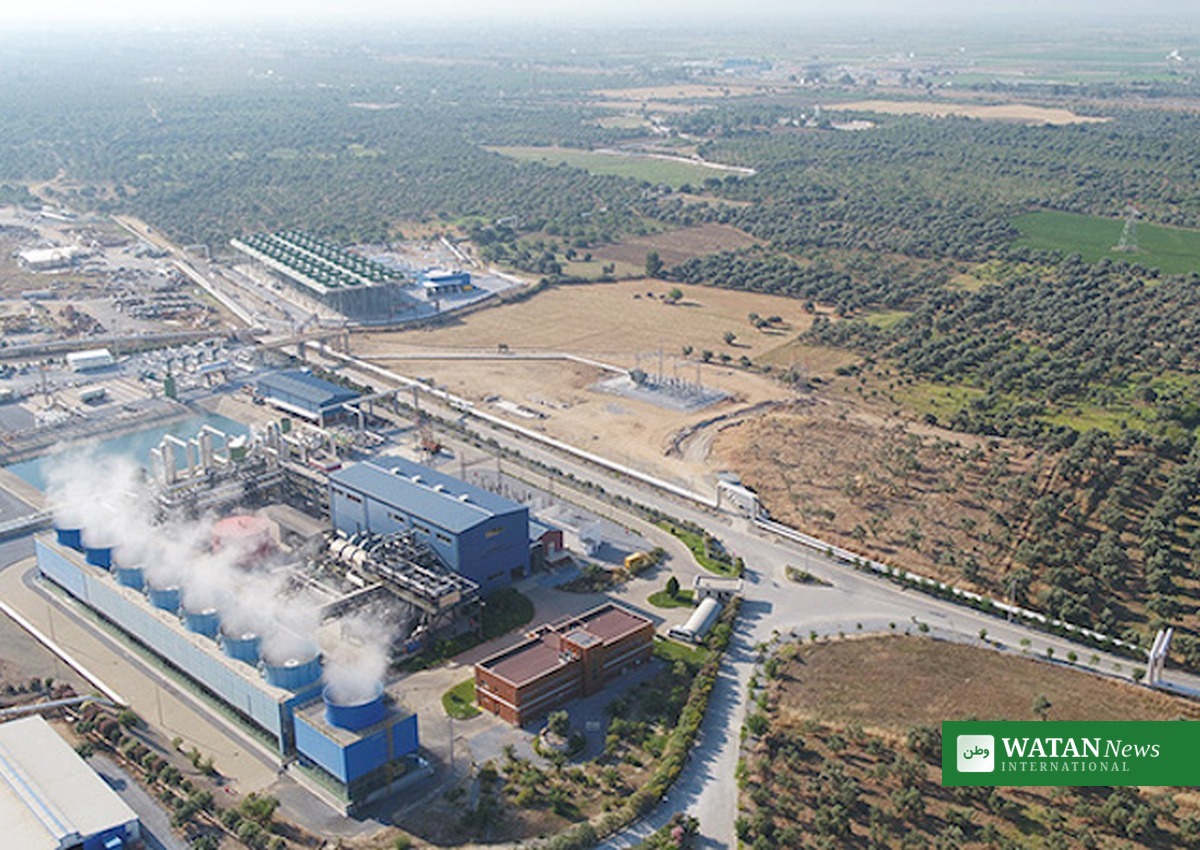
The Ambition statement puts energy security first. Geothermal provides reliable power and heat from domestic resources, diversifying energy supply and reducing dependence on imported fossil fuels. It also supports industrial competitiveness, local value creation and jobs, according to the statement.
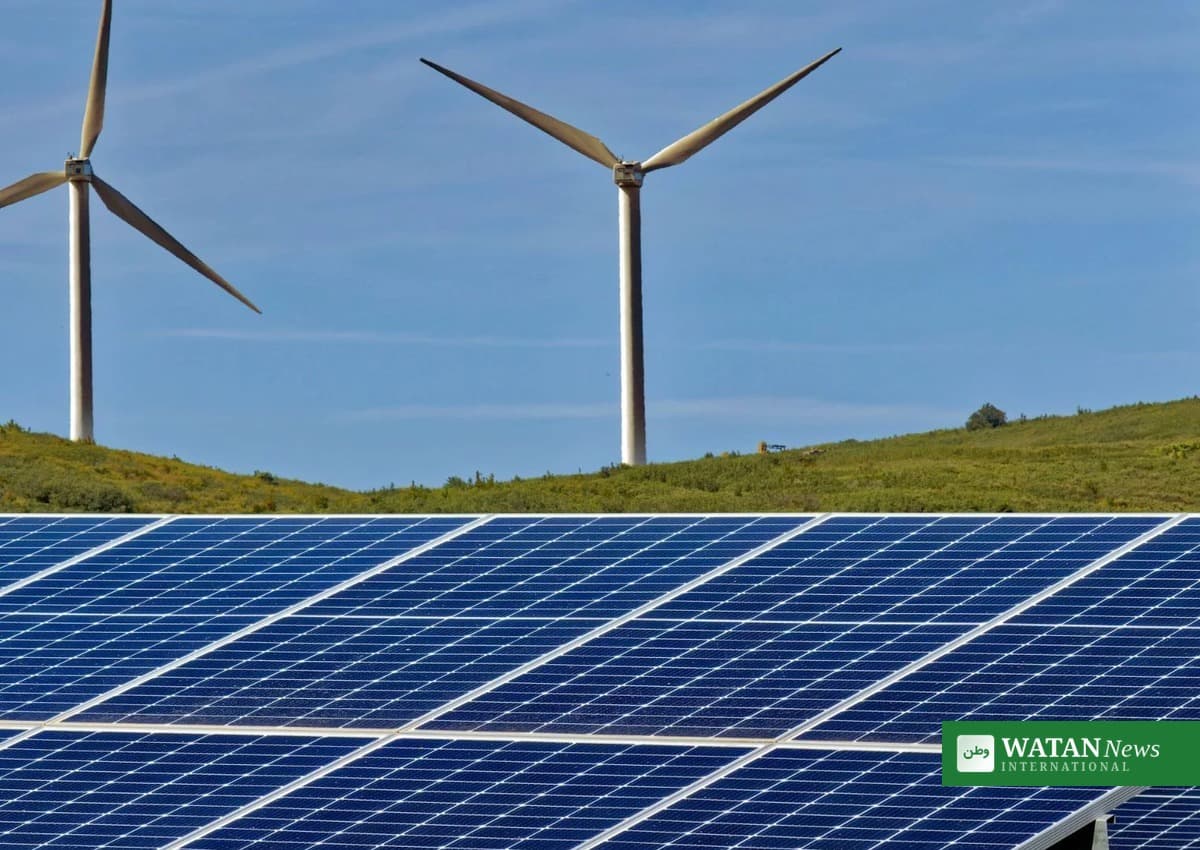
The timing fits the COP31 Presidency’s wider theme. Türkiye has proposed a 35-by-35 Global Electrification Pledge — raising electricity’s share of global final energy consumption to 35 percent by 2035 — and geothermal’s round-the-clock output complements variable wind and solar power. According to IRENA data, renewables accounted for 31.7 percent of global electricity generation in 2024; reaching the electrification goal would require that share to rise to around 78 percent by 2035.
Türkiye itself brings strong credentials to the launch. The country ranks fourth globally and first in Europe for installed geothermal electricity capacity, with 1,797 megawatts at the end of 2025, according to Marit Brommer, chief executive of the International Geothermal Association, speaking to Anadolu Agency in October. Geothermal sits within Türkiye’s path to its 2053 net-zero target. Türkiye’s 2040 energy plan aims for 175 GW of wind and solar, and the geothermal push adds a steady, always-on source to that expansion.
From ambition to delivery
A follow-up roundtable on 13 November will focus on implementation. “From Ambition to Delivery: Industry Partnerships to Scale Geothermal Power and Heat” is co-hosted by the COP31 Presidency and IRENA through the Global Geothermal Alliance, from 10:00 to 10:45 at the COP31 Türkiye Pavilion, Room 3 (B310), in the Blue Zone of the Antalya Expo Center.
The roundtable will bring together policymakers, developers, technology providers, investors, multilateral financial institutions and energy users, aiming to produce industry-led recommendations on financing, risk mitigation, technology, permitting and project development, with a focus on bankable projects and stronger pipelines. Discussion topics include financing instruments and exploration risk measures that could lower the cost of capital in emerging and developing markets.
Participants in the Ambition commit to strengthening national policy frameworks, including timely permitting, predictable investment conditions and coordinated development of electricity grids and heat networks. They also commit to supporting public and private investment through measures that address exploration risk and improve access to affordable finance, and to respecting the rights of affected communities, including Indigenous Peoples. Collective progress will be reviewed using existing reporting processes, such as IRENA’s. The IEA expects renewables to add 4,800 GW of capacity by 2031, and the geothermal ambition is part of the same drive to turn capacity growth into reliable, round-the-clock clean energy.
FAKTA
- Launch: COP31 Global Geothermal Ambition 2050, ministerial roundtable, 10 November 2026, 13:00–14:00, Special Event Room 4, Antalya.
- Goal: geothermal energy supply for power and heat to 12 times 2025 levels by 2050.
- Pathway figures (IRENA World Energy Transition Outlook 2026): primary geothermal supply from about 2.5 exajoules in 2025 to about 31 exajoules by 2050; power capacity from 15.6 GW to 193 GW.
- Current capacity: 17,479 MW worldwide as of November 2026, according to ThinkGeoEnergy; Türkiye holds 1,797 MW, fourth globally and first in Europe.
- Follow-up: implementation roundtable, 13 November, 10:00–10:45, COP31 Türkiye Pavilion, Blue Zone.