Türkiye has unveiled a sweeping National Energy Plan 2040 that would more than quadruple the country’s wind and solar capacity to 175 gigawatts, raise electrification to 36 percent of energy demand and cut emissions by 40 percent by 2040 — a $500 billion shift presented in Istanbul just days before the country hosts the COP31 climate summit in Antalya.
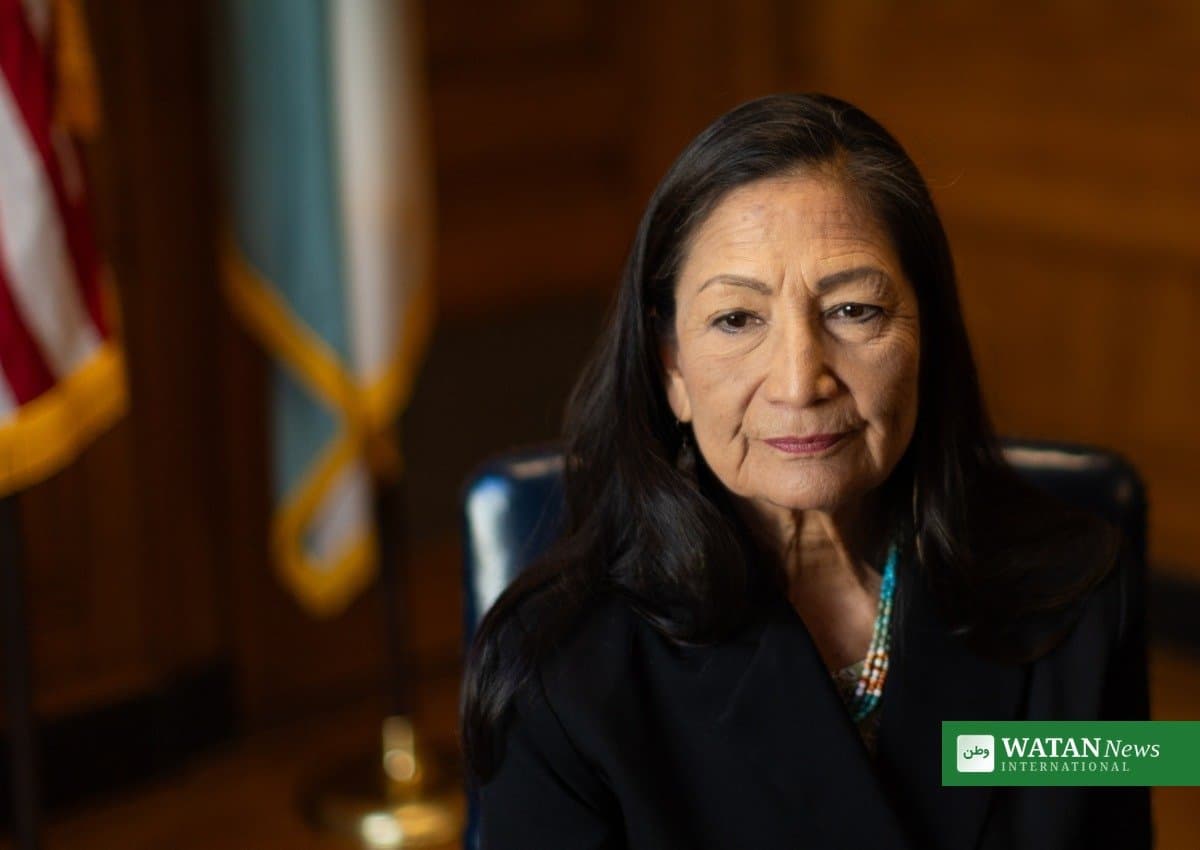
Energy Minister Alparslan Bayraktar presented the plan, called Milli Enerji 2040, on 5 November. It sets out how the COP31 host country — still Europe’s largest coal power generator — intends to move away from coal and towards clean electricity, while keeping the lights on and protecting mining jobs.
What the Türkiye 2040 energy plan promises
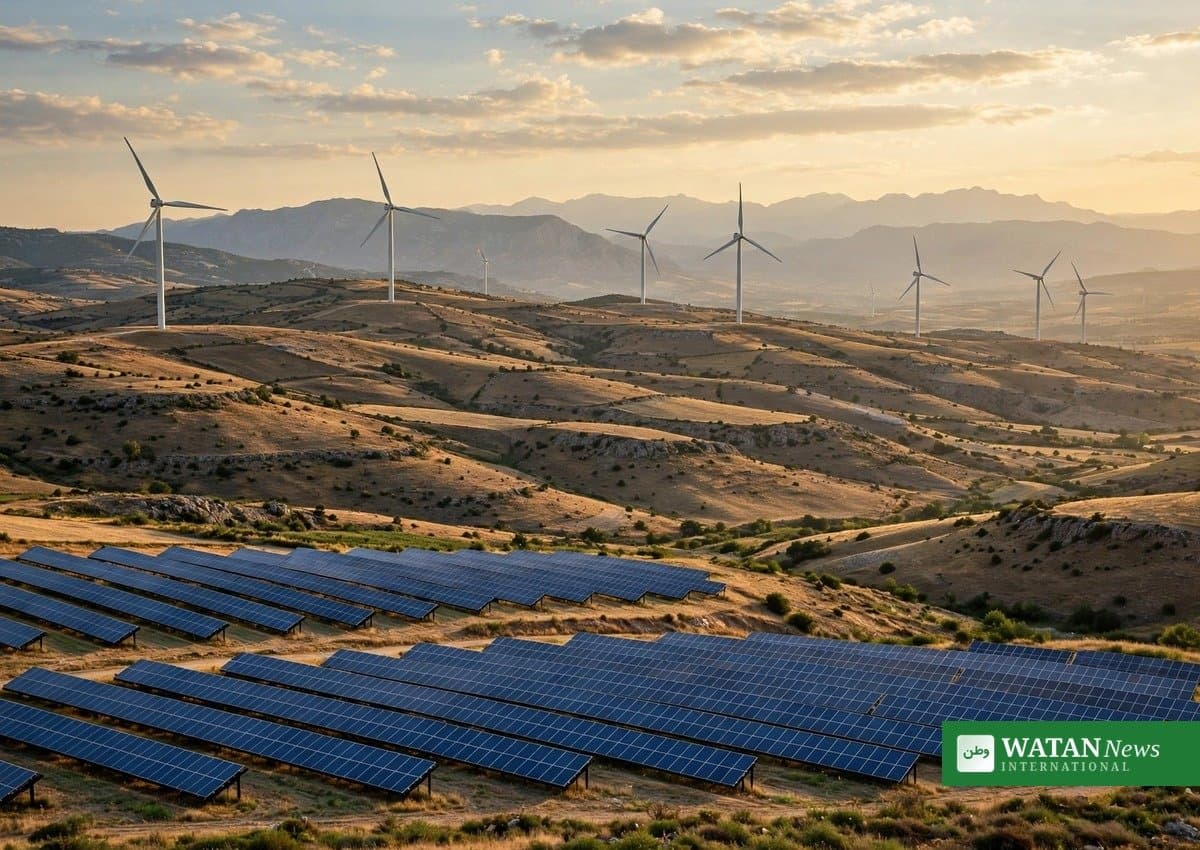
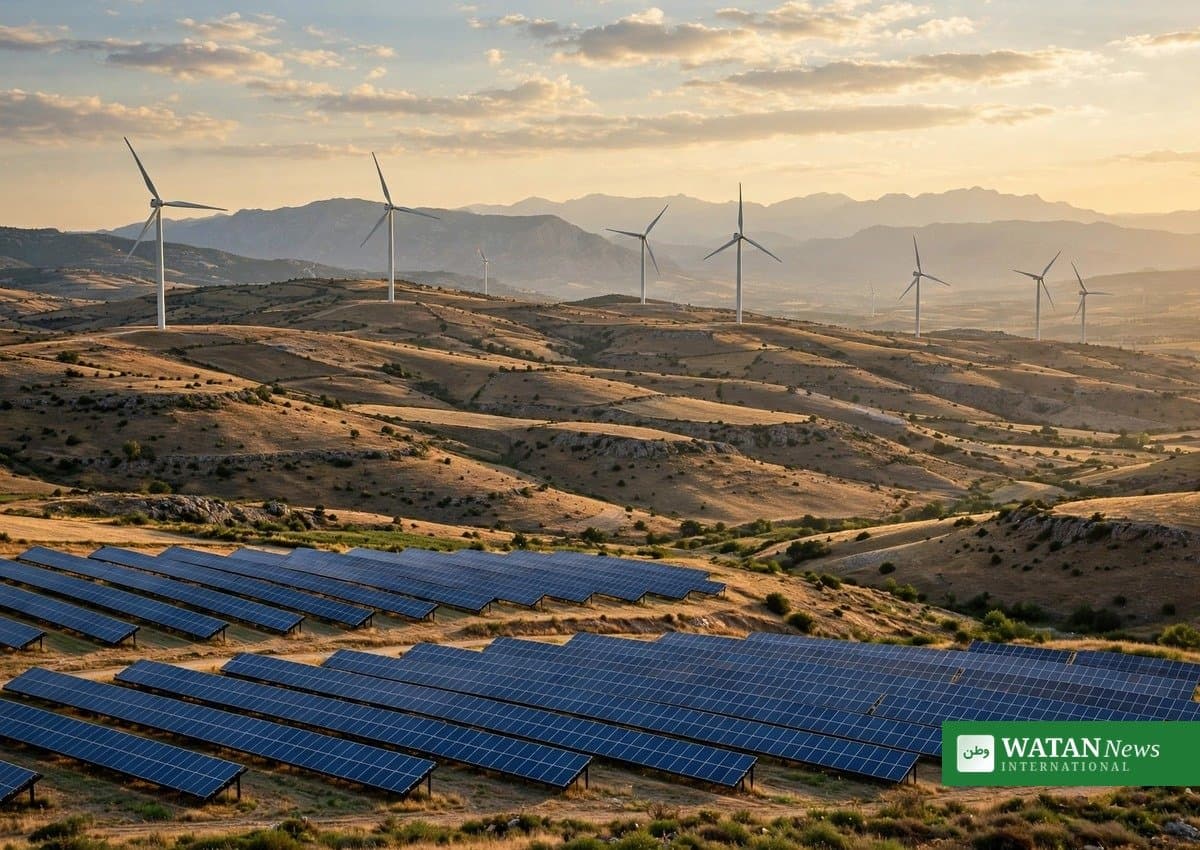
Under the plan, combined wind and solar capacity would rise from around 44–45 gigawatts today to 175 gigawatts by 2040. Total installed power capacity would grow from 123 gigawatts to 281 gigawatts, with renewables’ share climbing from 63 percent to 77 percent, according to figures reported by Reuters.
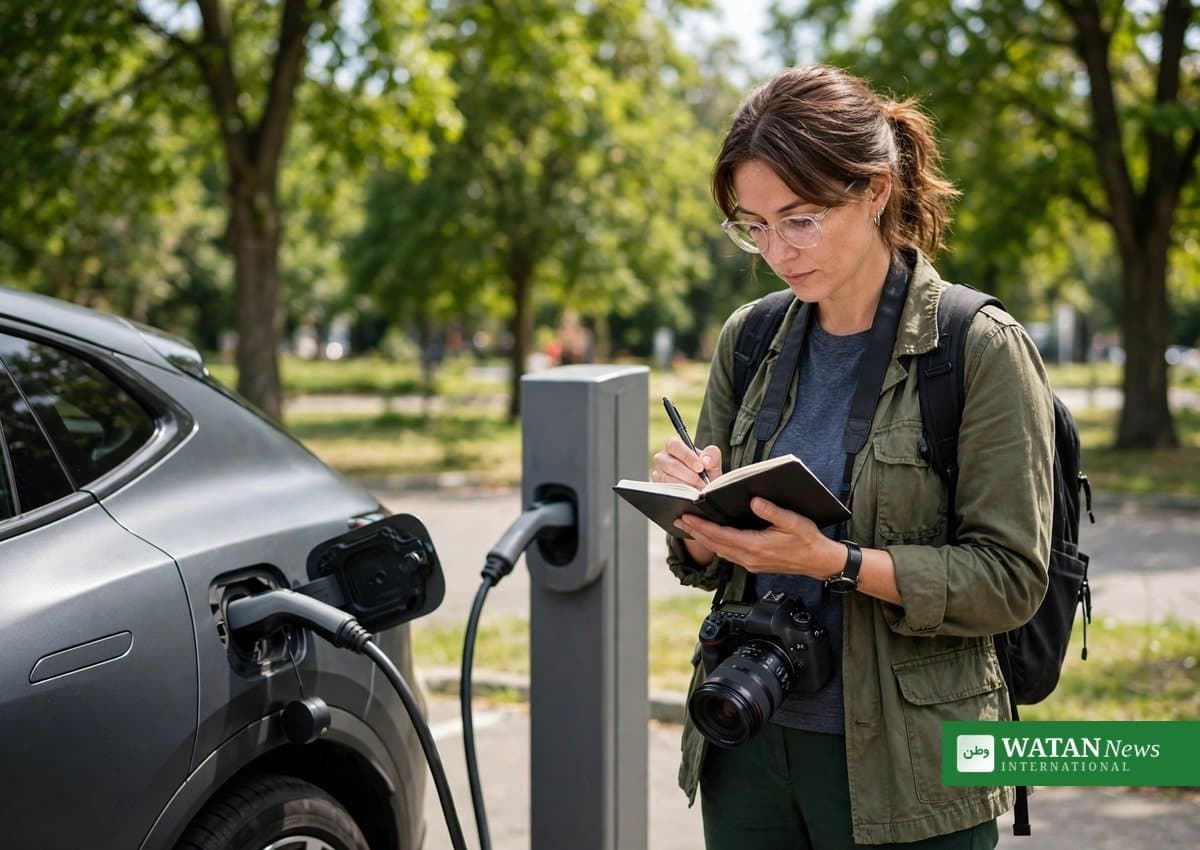
Electricity would meet 36 percent of Türkiye’s energy demand by 2040, up from about a fifth today — the same direction as the COP31 Presidency’s 35-by-35 Global Electrification Pledge, which asks the world to reach 35 percent electrification by 2035. Bayraktar said electric cars on Turkish roads would rise from around 500,000 today to 20 million by 2040, and total electricity consumption would reach 680 terawatt-hours, up from 365 terawatt-hours last year.
The plan also sets a 6-gigawatt offshore wind target for 2040, with the first tender planned for April 2027, and aims to raise electricity interconnection capacity with neighbouring countries from 5.4 gigawatts to 15 gigawatts. Nuclear capacity would reach 10 gigawatts by 2040, including the Akkuyu plant now nearing operation and 5 gigawatts more, meeting about 11 percent of electricity demand.
A $500bn bill — and who pays
Bayraktar estimated the transition would need about $500 billion over the next 13 years. About $210 billion of that would come from Turkish public-sector energy companies, with much of the rest from foreign investment.
About $100 billion is earmarked for wind and solar generation, and expanding generating capacity overall would require about $190 billion, roughly 95 percent of it for zero- or low-emission energy sources. Investment in electrification and energy efficiency would need to reach $15 billion a year, but the plan projects cumulative savings of about $240 billion as demand growth slows — total energy demand would reach 199 million tonnes of oil equivalent in 2040 instead of 230 million under business as usual.
“If the world is serious about carbon neutrality and if we would like to fund fighting climate change and global warming, we need to find the money,” Bayraktar said. “Everyone needs to take some responsibility and provide money for that.”
Coal still looms large
The plan’s hardest test is coal. Coal remained Türkiye’s largest source of electricity last year, supplying about 33 percent of generation, while solar and wind together supplied nearly 23 percent. According to energy think tank Ember, Türkiye is Europe’s largest coal power generator.
Bayraktar stressed that the shift must be a just transition for coal communities. “We are looking for a just transition from coal to relatively cleaner sources of energy… but we need coal for security of supply,” he said, noting that coal mining provides at least 30,000 to 40,000 people with jobs. “How are we going to make these miners into AI experts or high-tech experts? It’s not going to be easy. We need a just transition period.”
Despite aiming to break away from coal, Türkiye will remain tied to other fossil fuels for the foreseeable future — particularly natural gas. Production from Black Sea gas reserves would double to 7.5 billion cubic metres a year in the coming years, Bayraktar said.
Why it matters before COP31
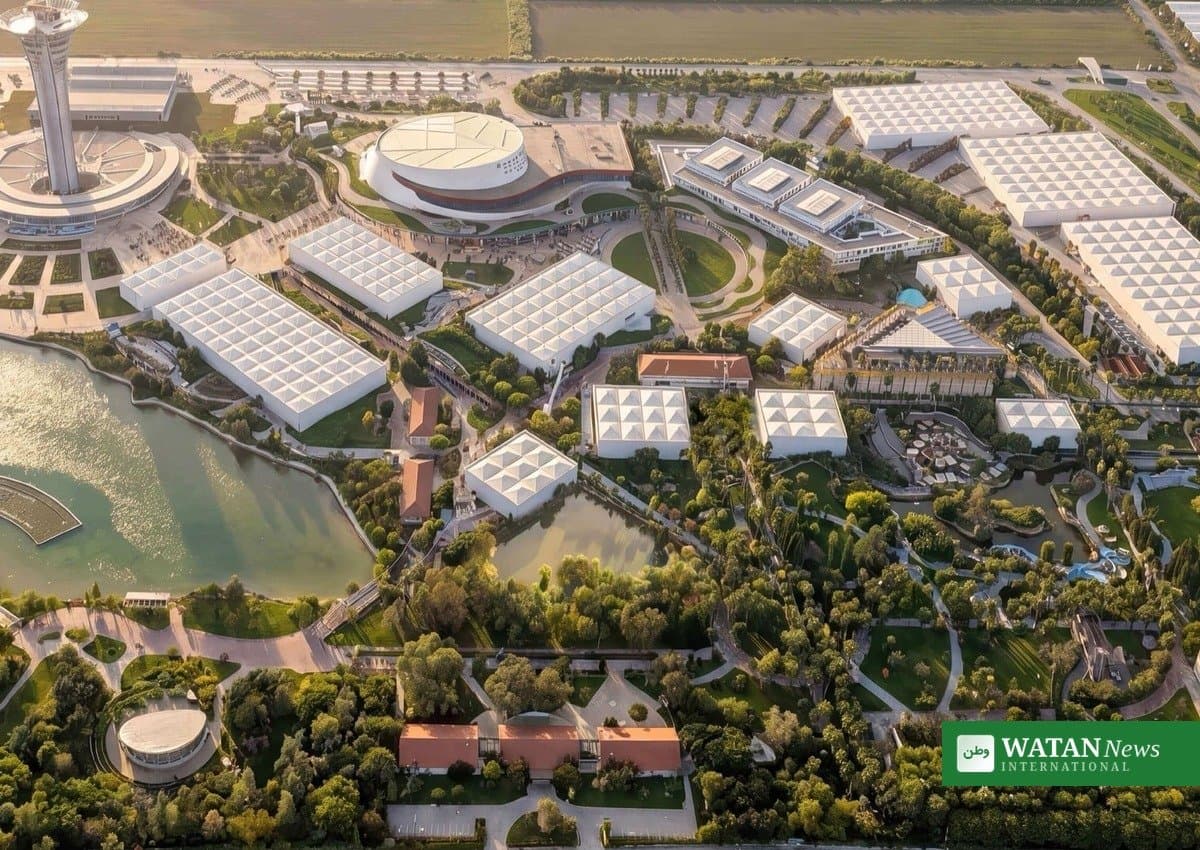
The plan lands three days before COP31 opens in Antalya on 9 November, putting the host country’s own energy record under the spotlight. The summit’s Action Agenda already carries Türkiye’s 35-by-35 electrification pledge, as previously reported in COP31: Turkiye Launches 35-by-35 Electrification Pledge and AI Pact, Vowing Implementation Over New Promises.
“When we reach 2040 we are going to reduce our emissions by 40%. This big change in electrification will make this happen,” Bayraktar said. The aim, he said, is a “paradigm shift” in how energy is used in the country — and a step towards Türkiye’s pledge to reach net zero emissions by 2053.
Independent scrutiny will be close. The Climate Action Tracker, which measures countries’ progress against the goals of the 2015 Paris Agreement, rates Türkiye’s climate targets and policies as “critically insufficient”. Bayraktar said his message at COP31 would be for countries to adopt “responsive and realistic policies” to achieve carbon neutrality.
Whether the $500 billion can be raised — and whether coal’s share really falls as wind and solar quadruple — will decide whether the plan is remembered as a turning point or a promise. For now, the host of COP31 has put its own numbers on the table before the negotiations begin.
FAKTA
- The plan: National Energy Plan 2040 (Milli Enerji 2040), presented by Energy Minister Alparslan Bayraktar on 5 November 2026 in Istanbul
- Wind and solar: From around 44–45 GW today to 175 GW by 2040
- Total installed capacity: From 123 GW to 281 GW; renewables’ share from 63% to 77%
- Electrification: 36% of energy demand by 2040; emissions down 40%; net zero by 2053
- Investment: About $500bn over 13 years; about $100bn for wind and solar generation
- Electric cars: From around 500,000 today to 20 million by 2040
- Coal: About 33% of electricity generation last year; 30,000–40,000 coal mining jobs
- COP31: 9–20 November 2026, Antalya, Türkiye