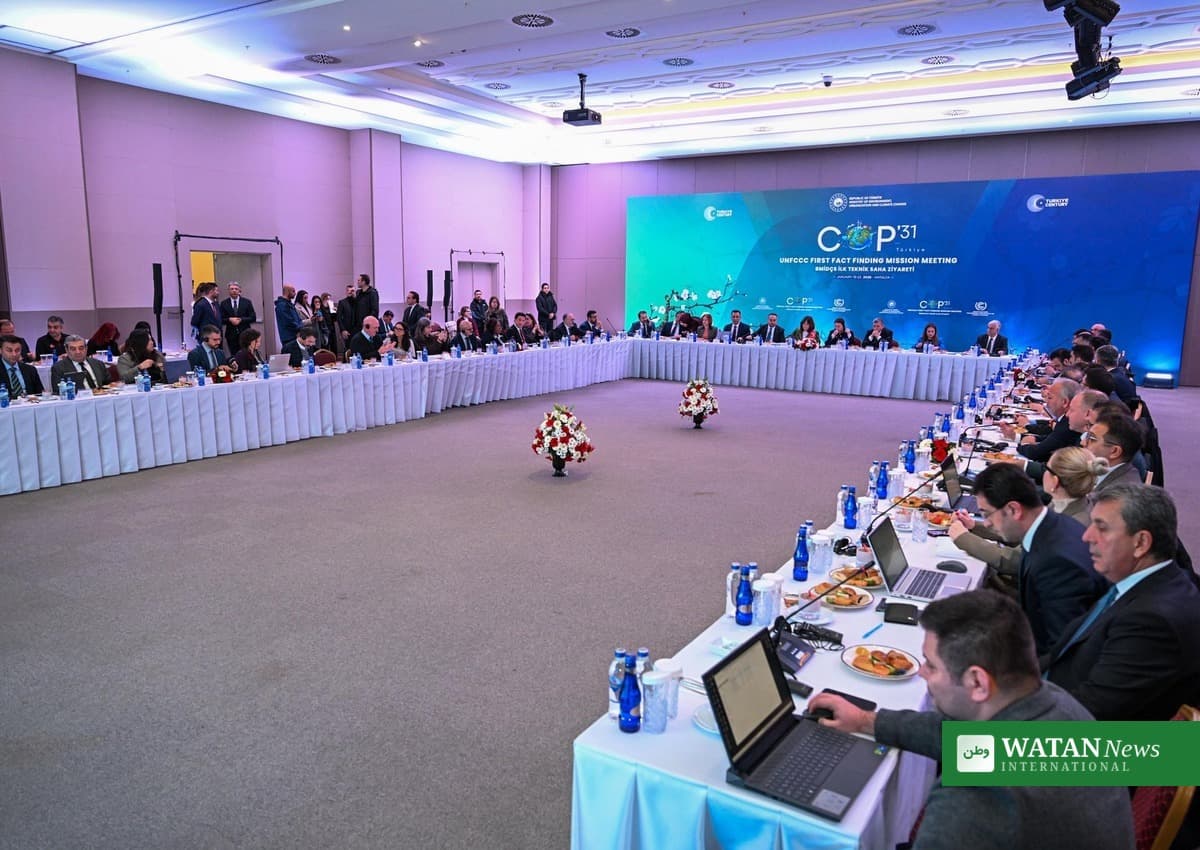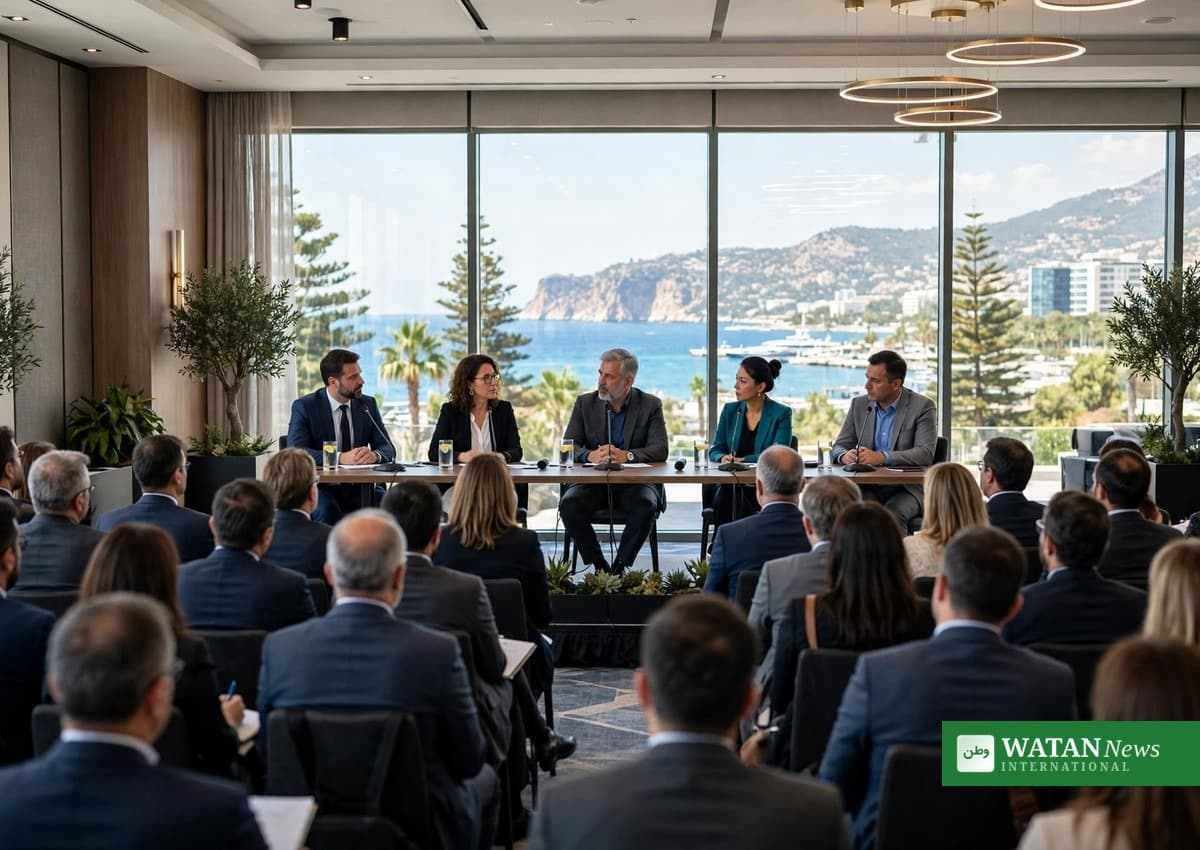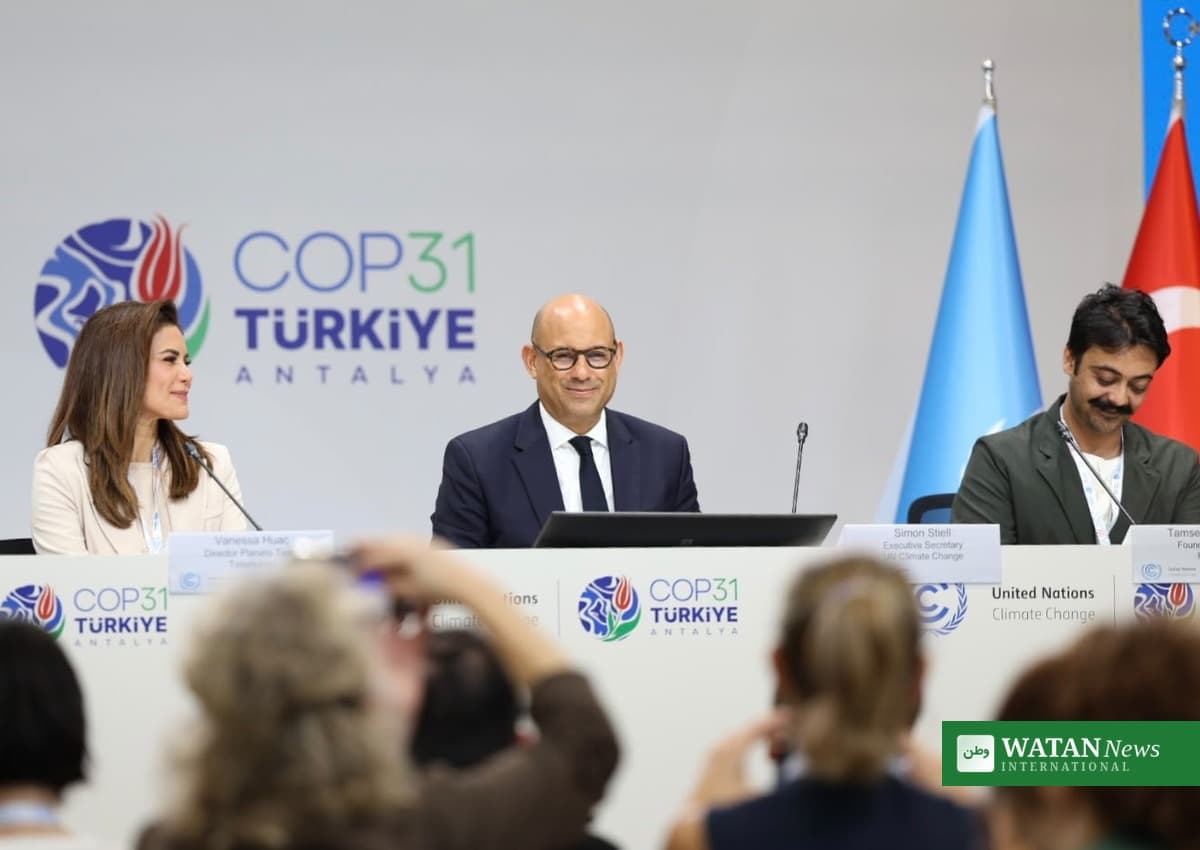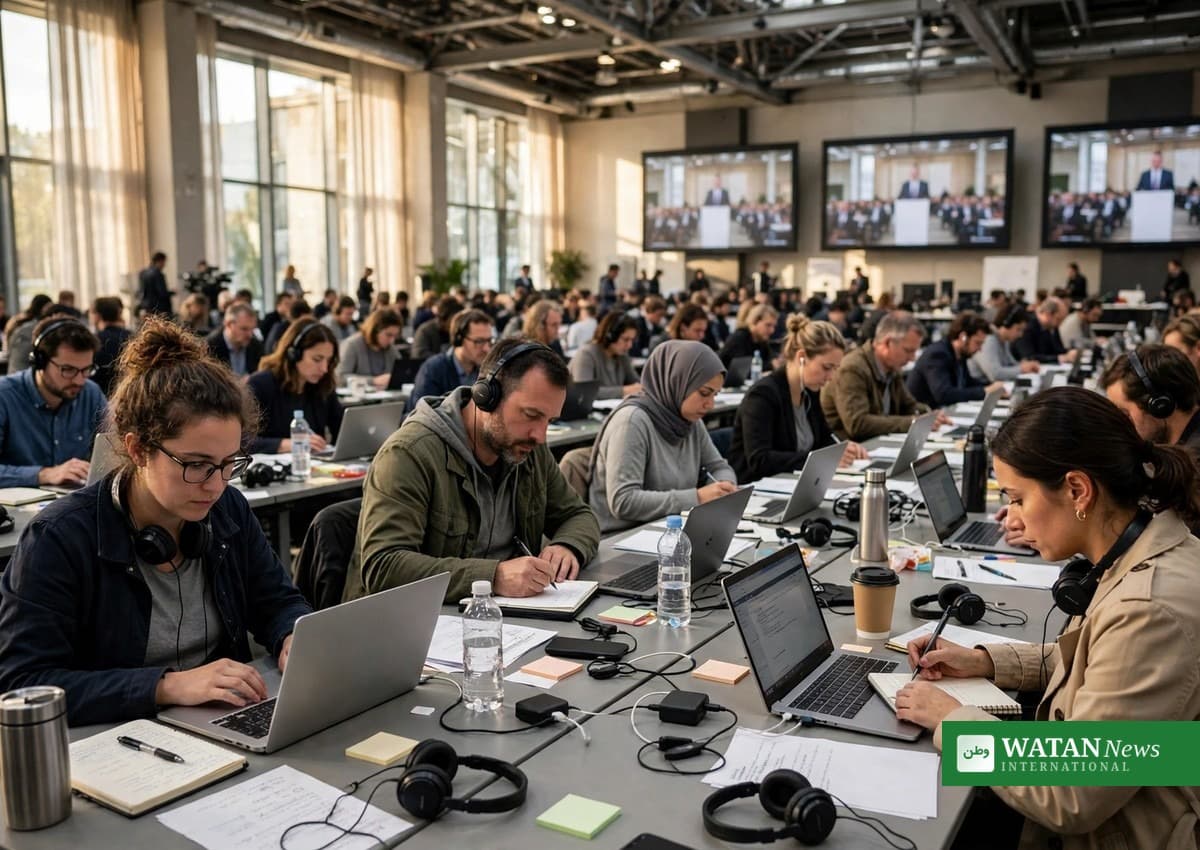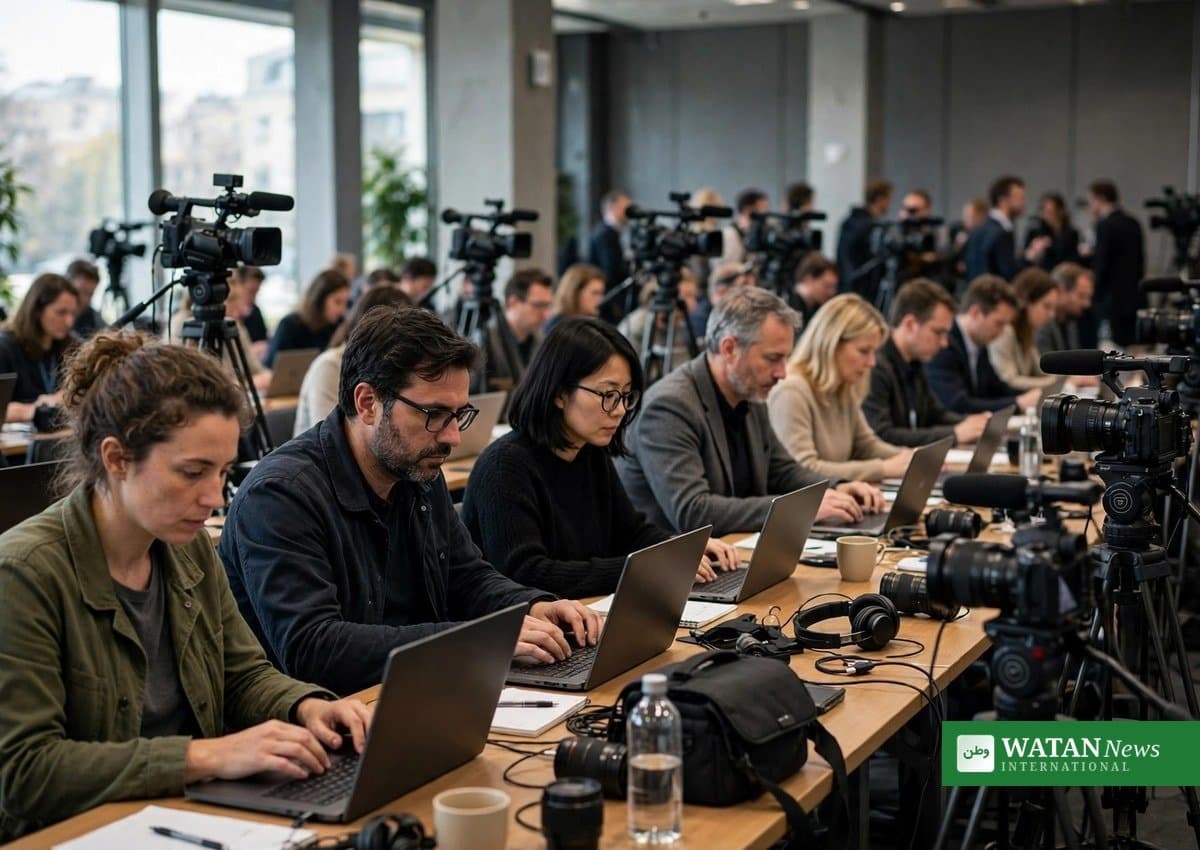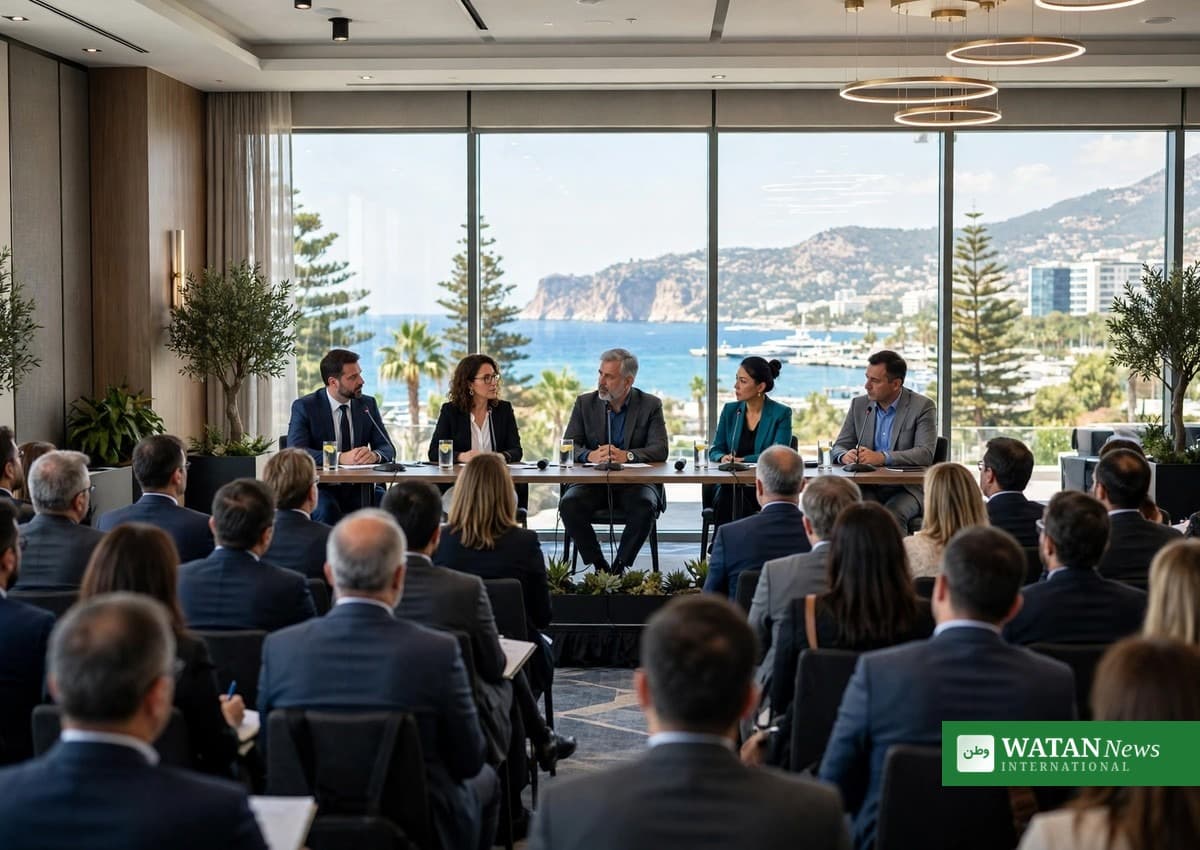
While COP31’s negotiators take a rest day in Antalya, the climate talks do not stop. Business leaders, investors and policymakers are gathering in the city today, Sunday 15 November, for the 17th World Climate Summit — a day devoted to turning climate pledges into funded, investable projects.
What the World Climate Summit is
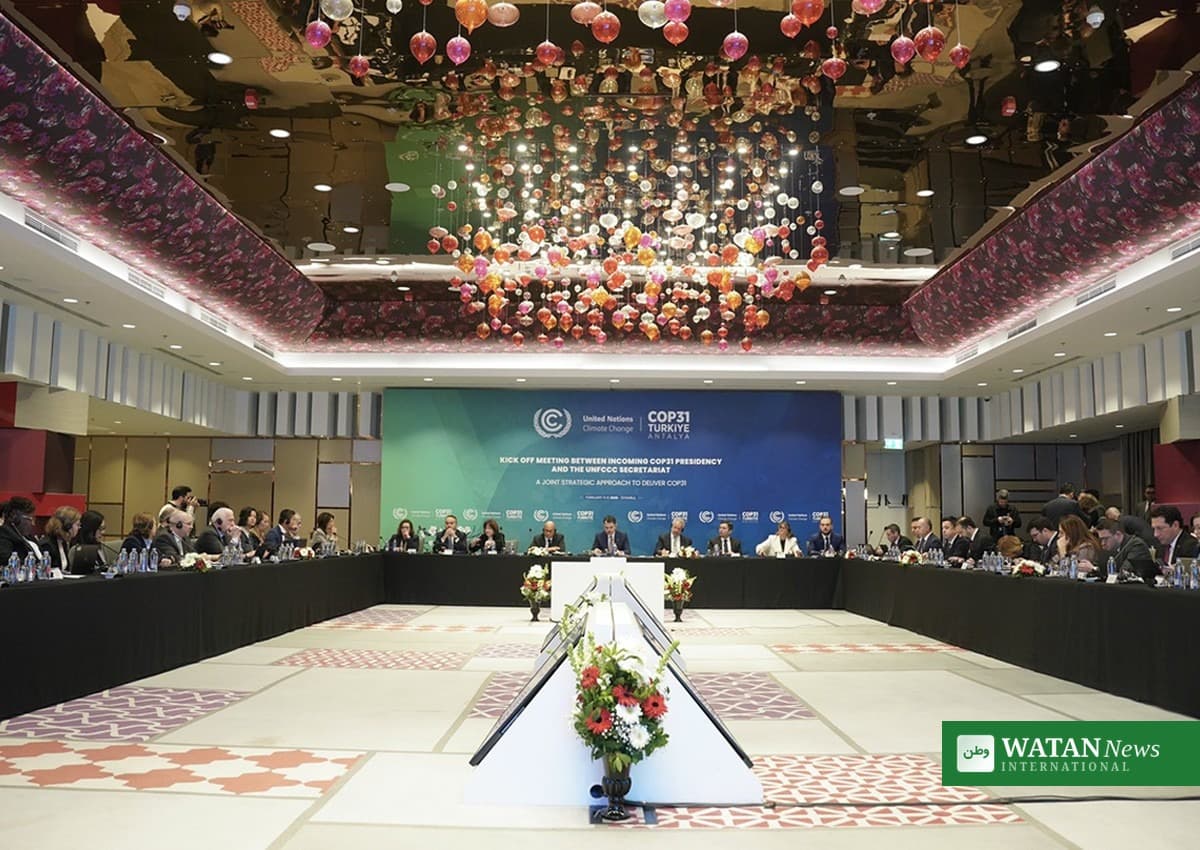
The summit is the flagship gathering of the World Climate Foundation, held alongside the UN climate conference. Its stated aim is “turning climate and nature priorities into measurable results”, by “accelerating the transition economy through market development, strategic partnerships and cross-sector action”. Sessions span energy, industry, nature and infrastructure. The programme runs from 09:00 to 17:00, according to the COP31 events guide, with speakers including the director of the Potsdam Institute for Climate Impact Research and the president of Cathay FHC.
Running alongside the summit is the Investment COP track, organised with the Milken Institute. It focuses on mobilising capital, advancing investment partnerships and unlocking the financing mechanisms needed to translate transition opportunities into investable projects and tangible impact.
One session illustrates the approach. At 14:20 at the Royal Seginus Hotel, Barbara Buchner, chief executive of the Climate Policy Initiative, moderates a discussion titled “Policy and Regulation: From Ambition to Implementation”, on how policy and regulatory frameworks can translate climate ambition into action, unlock investment and create the conditions to scale climate solutions.
The money question: from pledges to portfolios
The summit meets at a moment when the gap between climate promises and climate money is the central argument of COP31. The figures behind that argument are stark. The finance goal agreed at COP29 calls for scaling up finance for developing countries to $1.3 trillion a year by 2035, with roughly half of it — about $650 billion — expected to come from cross-border private finance. Developed countries provided and mobilised a record $136.7 billion in climate finance in 2024, according to the Organisation for Economic Co-operation and Development. Yet emerging markets and developing economies need an estimated $2.4 trillion a year by 2030, including around $1 trillion from private sources, according to figures discussed at the COP31 Business and Investment Summit.
The gap is just as wide in heavy industry. More than $500 billion in cumulative investment will be needed between 2026 and 2035 for low- and near-zero-emission steel and cement production, but projects that have reached a final investment decision currently total only $20 billion. Global energy investment, meanwhile, is expected to reach about $3.4 trillion in 2026, with roughly $2.2 trillion going to clean energy, grids, storage and electrification — nearly twice the $1.2 trillion directed to fossil fuels.
That is the summit’s working thesis: the capital exists in principle, but what is missing is a pipeline of bankable projects and the policy frameworks that make them investable. The sessions in Antalya are built around exactly that problem — how rules, incentives and partnerships can move money from pledges into portfolios.
A week of business at COP31
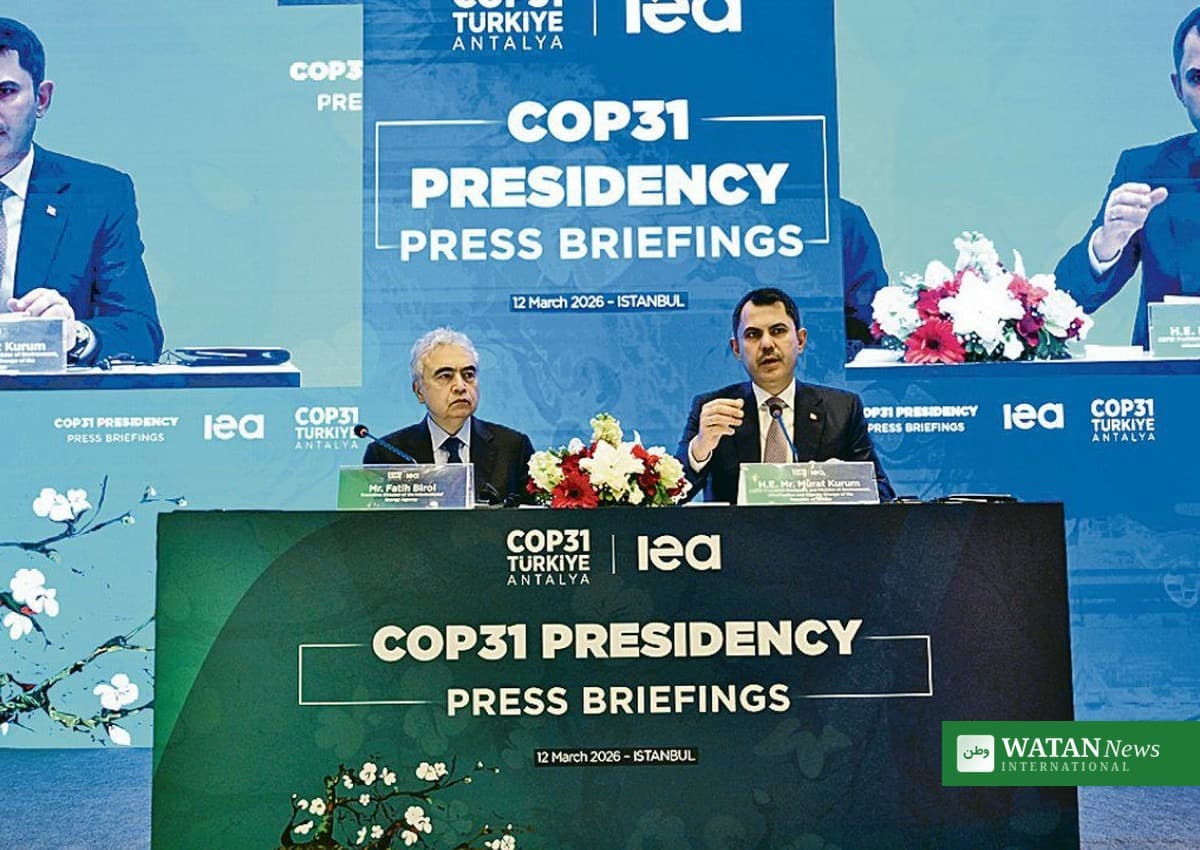
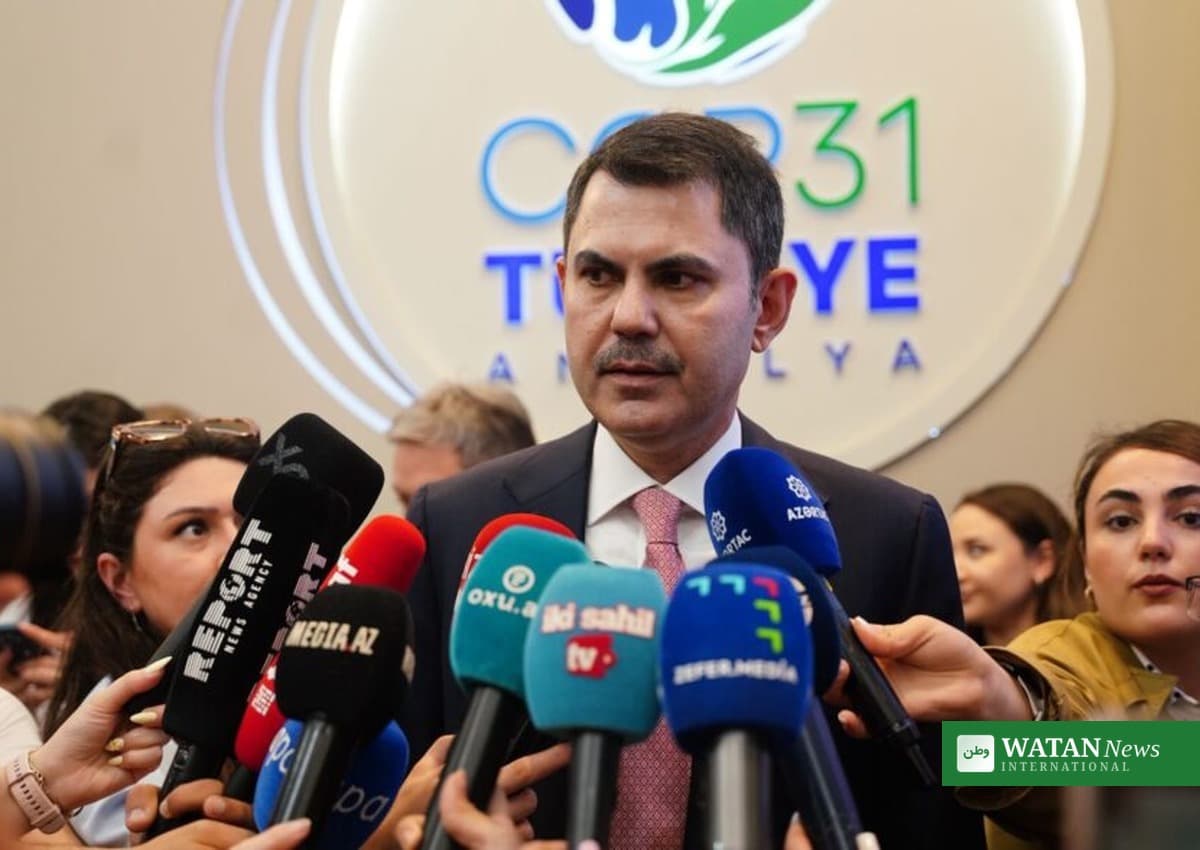
The World Climate Summit caps a week in which business has had an unusually large role at COP31. On 12–13 November, the COP31 Business and Investment Summit, organised by Türkiye’s Union of Chambers and Commodity Exchanges (TOBB) under the theme “From Ambition to Delivery”, brought together more than 1,500 participants from 55 countries, including Vice President Cevdet Yılmaz and COP31 President Murat Kurum. The discussions centred on engaging the private sector, finance-ready projects and public-private cooperation to turn climate commitments into investment.
The timing matters. The first week of formal negotiations ended with technical talks in gridlock, and ministers now take over for the second week. The business events are, in effect, running a parallel track on implementation while negotiators argue over texts.
The other Antalya gathering
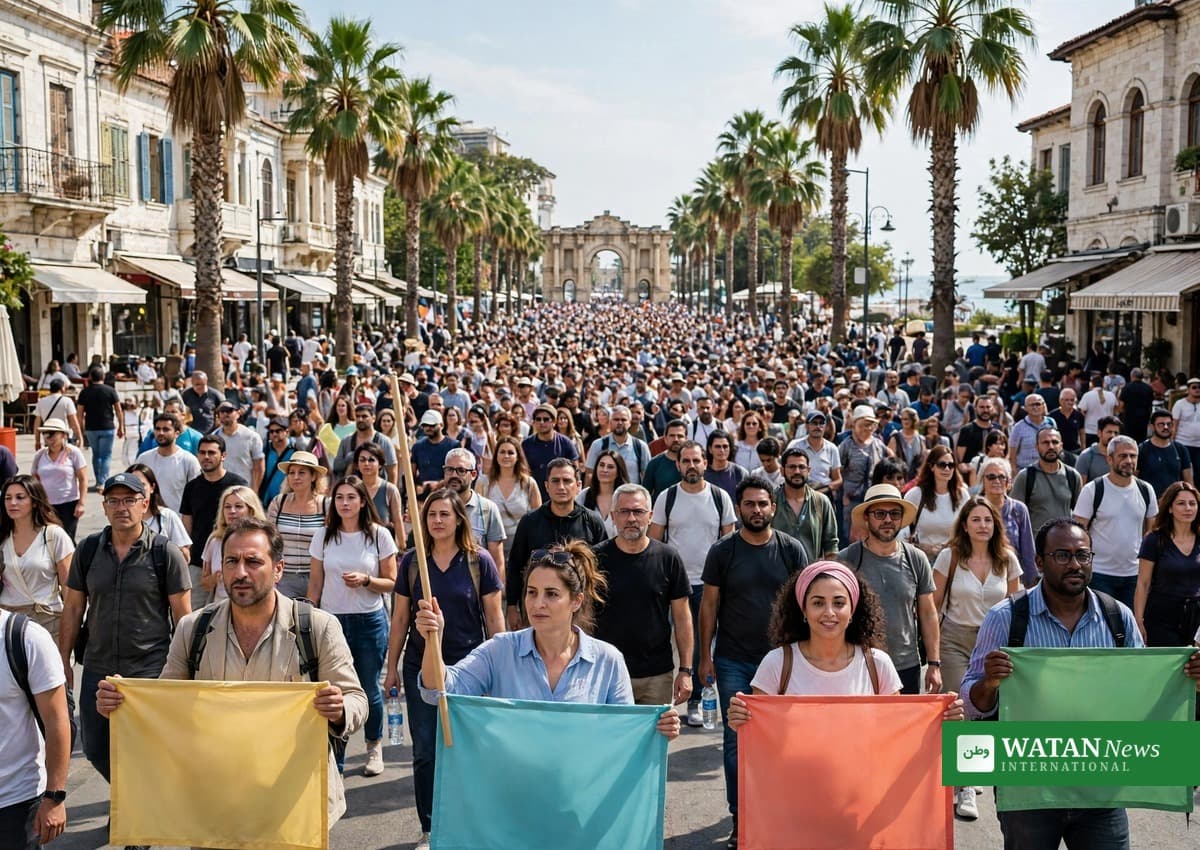
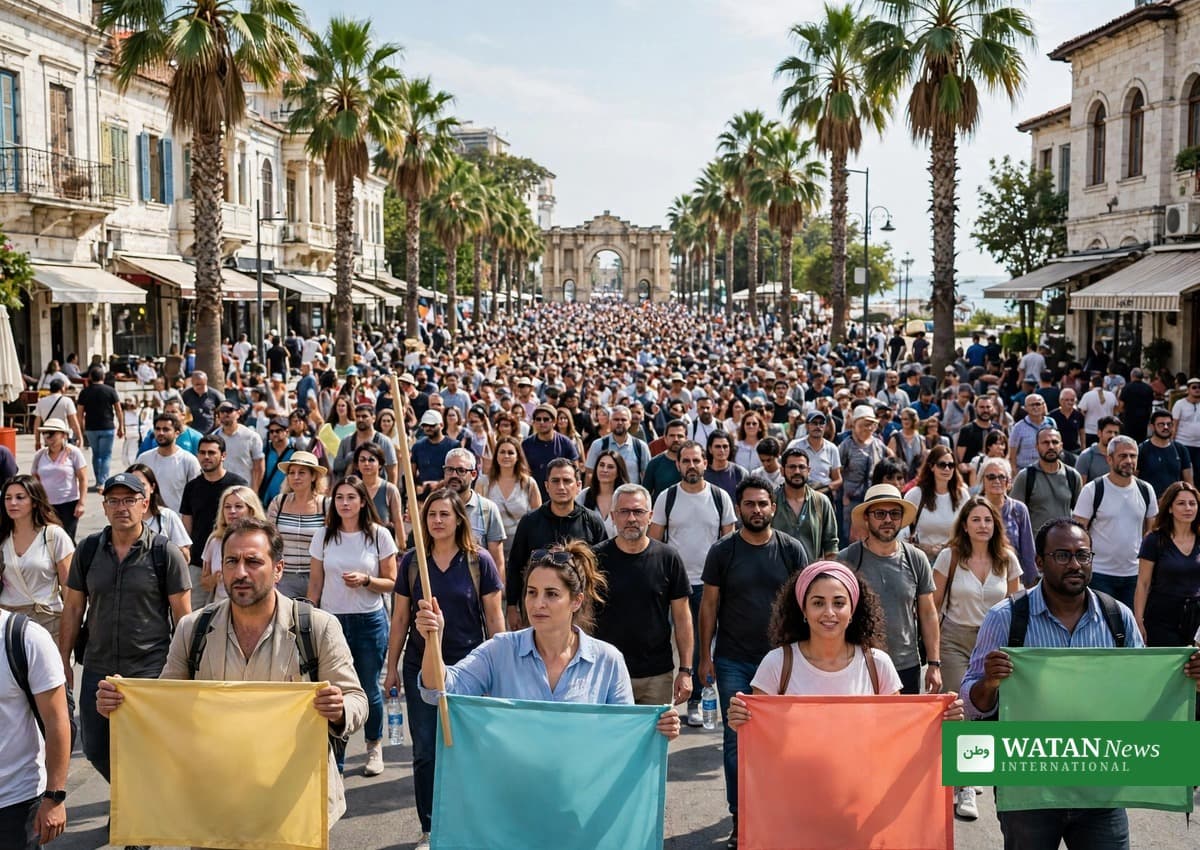
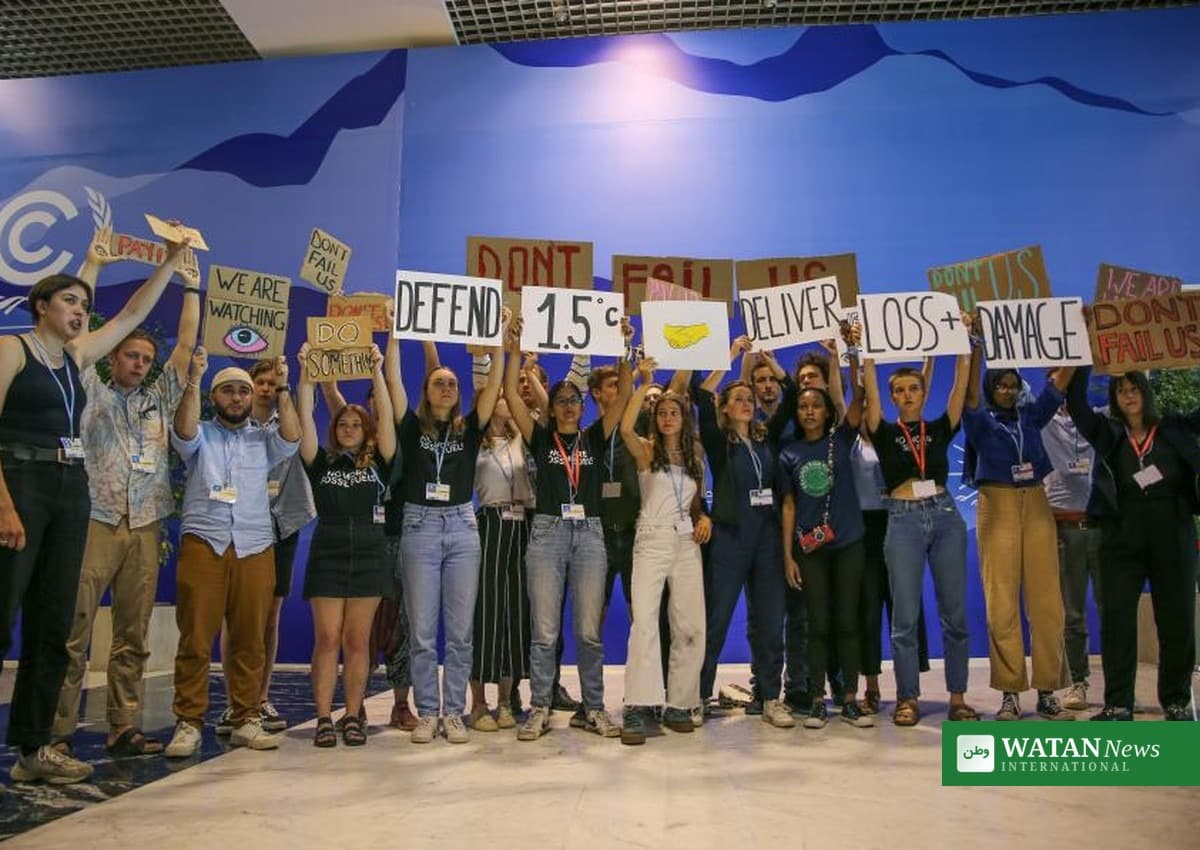
Today is also the opening day of the People’s Climate Summit, which runs until 18 November. Hundreds of Turkish and international groups are taking part, coordinated by Süheyla Doğan. Their demands, as stated by the organisers, include an end to new fossil fuel projects, a rapid, fair and fully funded transition to 100% renewables, public non-debt climate finance for the Global South, full reparations for loss and damage, and protection for ecosystems and Indigenous rights. Two summits, one city, one day: the business summit asks how to finance the transition, while the people’s summit asks who pays and how fast.
What happens next
Negotiations resume on Monday 16 November, the COP31 thematic day for Science, Industry and Technology. The high-level ministerial segment begins on Tuesday 17 November, and the conference is scheduled to close with final negotiations on Friday 20 November, when the Green Zone hosts a “Connect to Funds” event. The full week-two programme is set out in our events guide.
Key facts
- The 17th World Climate Summit takes place in Antalya on Sunday 15 November 2026, COP31’s rest day.
- Organiser: the World Climate Foundation; the Investment COP track is run with the Milken Institute.
- The COP29 finance goal: $1.3 trillion a year by 2035 for developing countries.
- Emerging markets and developing economies need about $2.4 trillion a year by 2030, including around $1 trillion from private sources.
- COP31 negotiations resume on Monday 16 November and end with final negotiations on Friday 20 November.