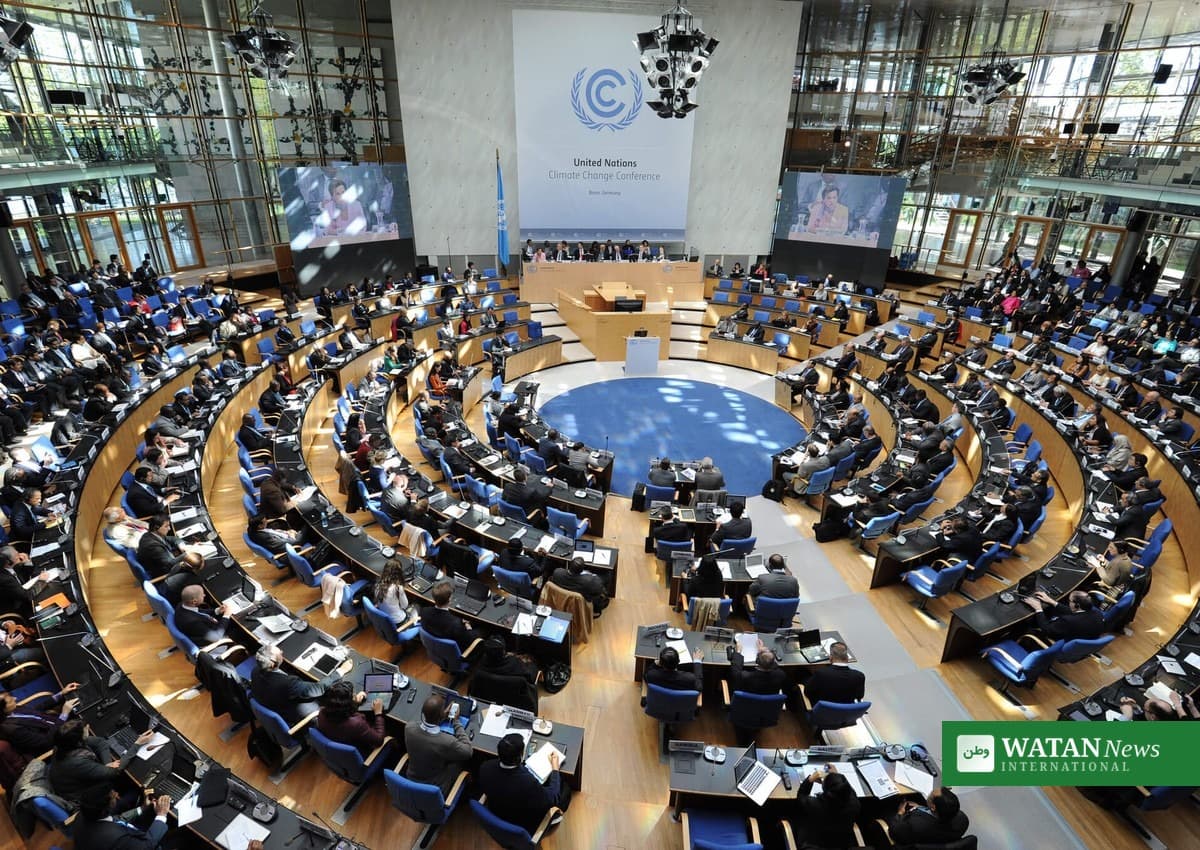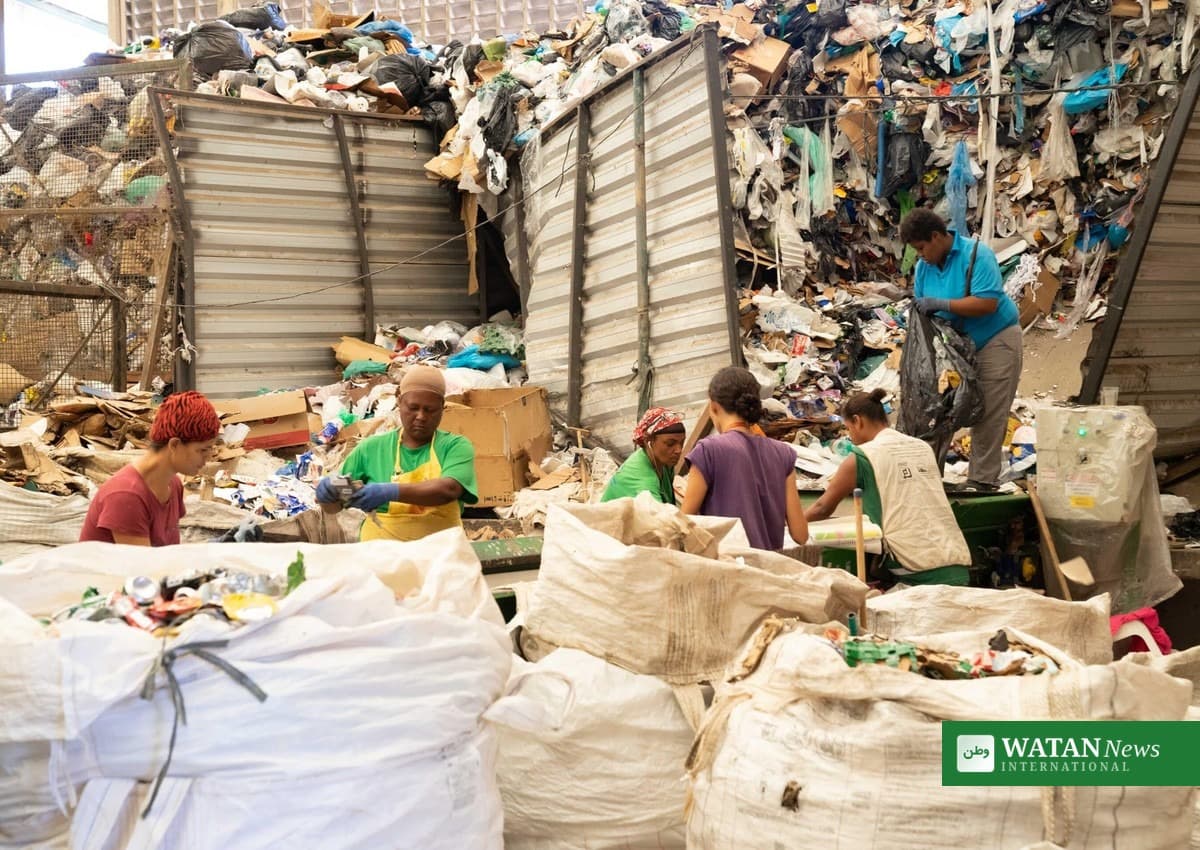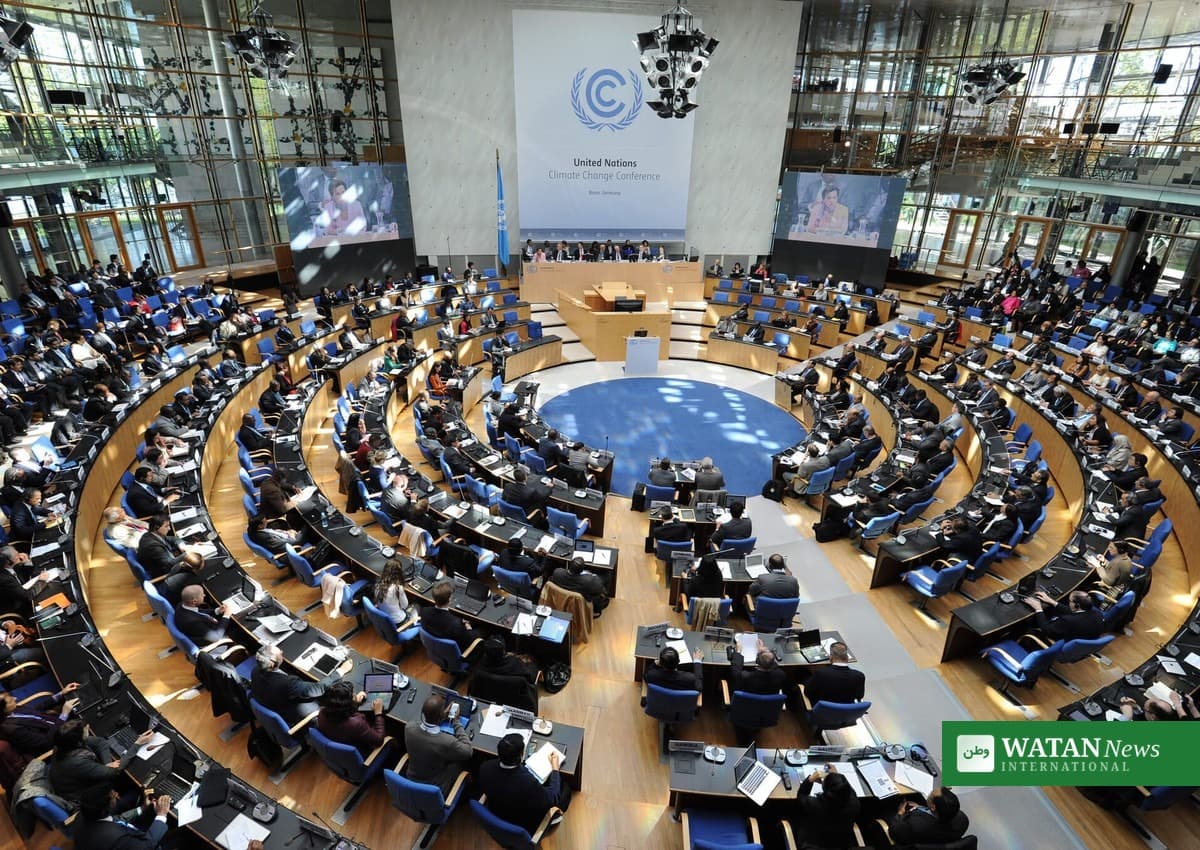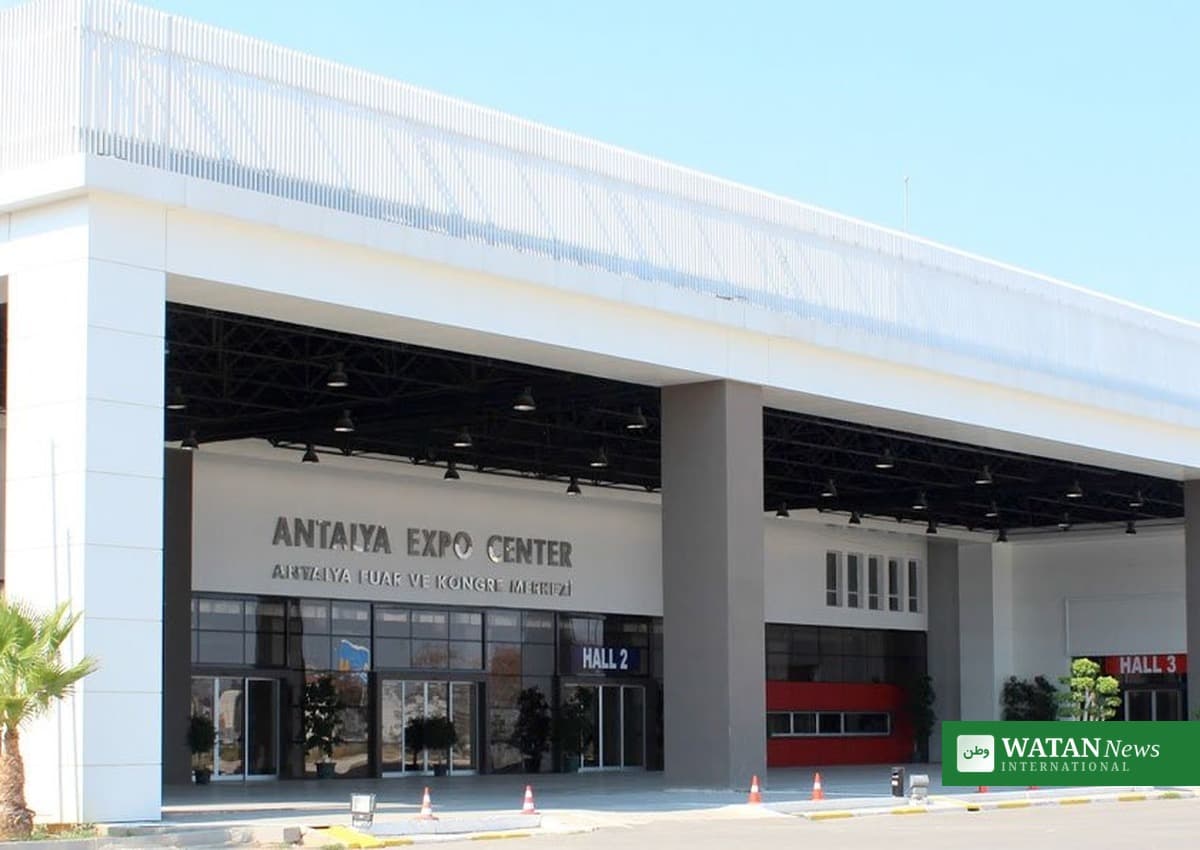
Africa “cannot burn its way out of its waste crisis”, zero-waste campaigners warned at COP31 in Antalya, as a new report showed 15 waste-to-energy incineration projects advancing across ten African countries at a combined cost of more than US$4 billion — while the people already recovering waste by hand struggle for a fraction of that money.
The report by the Global Alliance for Incinerator Alternatives (GAIA), published in October, identified 15 waste-to-energy incineration projects and proposals across ten African countries, with combined estimated capital costs exceeding US$4 billion. Only one project — the Reppie plant in Ethiopia — is operational. Two others are under construction, while the remaining 12 are at various stages of approval, financing, planning or proposal, the report found.
Public funding was the largest identified source of finance for the projects, according to the report, cited by the Inter Press Service at COP31. Campaigners say the plants risk locking cities into costly infrastructure and diverting investment from waste prevention, composting and recycling — the measures that cut methane fastest.
The methane case against burning waste
Waste is a climate issue, not only a municipal one. Municipal solid waste and wastewater generate almost 20 percent of human-caused methane, according to the Climate and Clean Air Coalition, and methane has about 80 times the warming potential of carbon dioxide over a 20-year period. Food waste alone accounts for up to 14 percent of global methane emissions, according to a 2026 report by the UN Environment Programme.
As organic waste rots without oxygen in dumps and landfills, it releases methane. Burning it instead does not solve the problem: waste-to-energy is the most carbon-intensive way to manage waste, releasing 1.7 times as much greenhouse gas as coal-fired power plants, according to GAIA. Its Burn Book analysis of 20 incinerators and proposals found the 11 facilities with available data release a combined 5.5 million tonnes of carbon dioxide equivalent every year — the same as 1.3 million passenger cars.
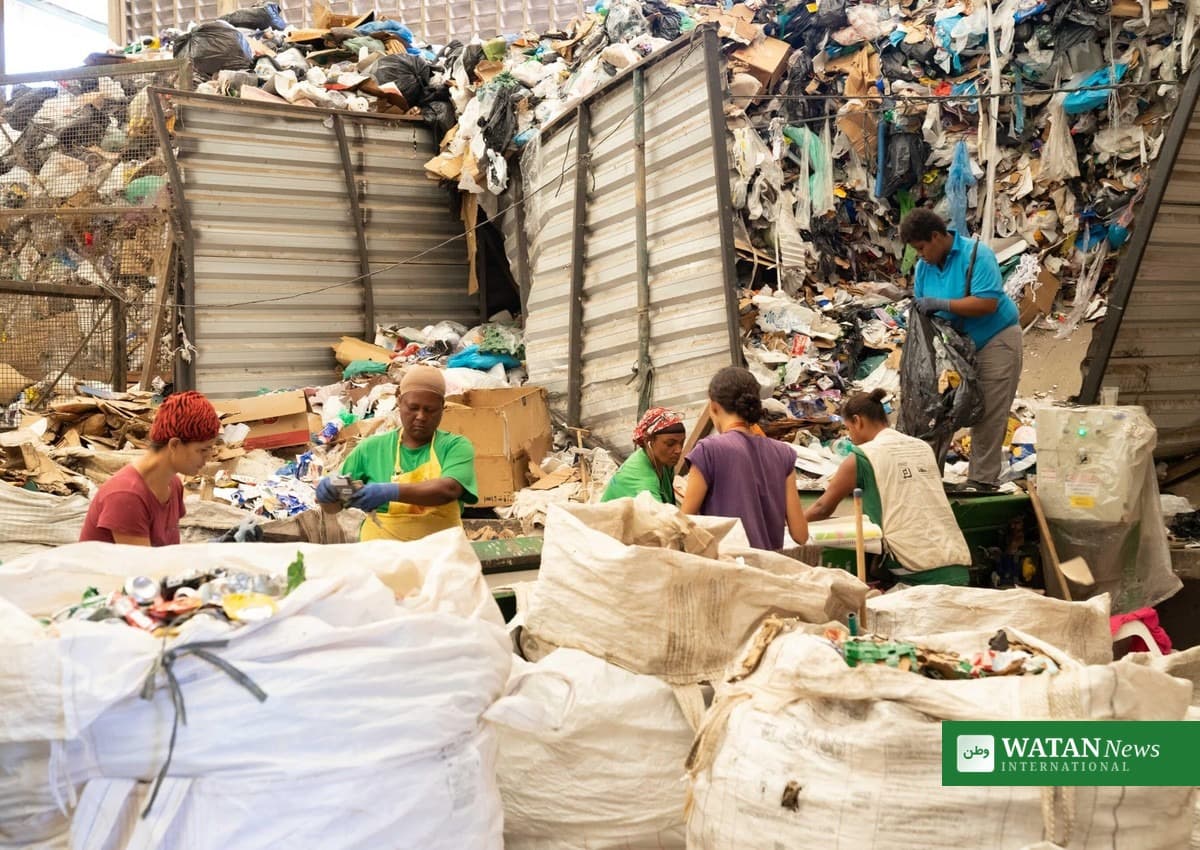
Only 55 percent of municipal solid waste is collected across Africa, with just 4 percent recycled, according to the Green Knowledge Foundation, cited by IPS. Organic material accounts for as much as 70 percent of municipal waste in some African cities, much of which ends up in dumpsites and landfills.
Where the climate money actually goes
The finance picture is stark. An average of US$4.1 billion a year in climate finance was tracked for methane reduction in the solid-waste sector in 2021–22, but 94 percent of it — US$3.86 billion — went to projects involving undifferentiated waste incineration, according to the Climate Policy Initiative, cited by IPS. Just US$223 million went to targeted waste-management measures such as landfill-gas capture and food-waste anaerobic digestion, and a further US$22 million to organic-waste management.
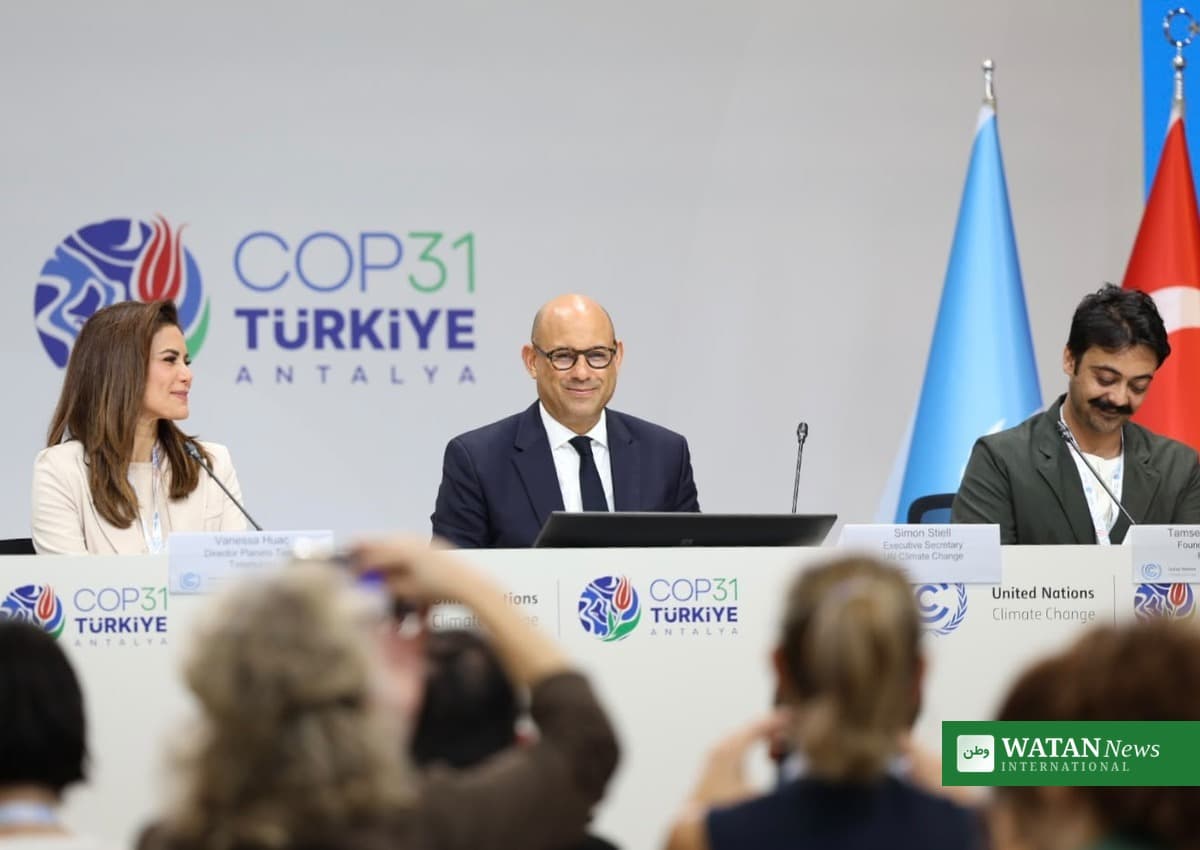
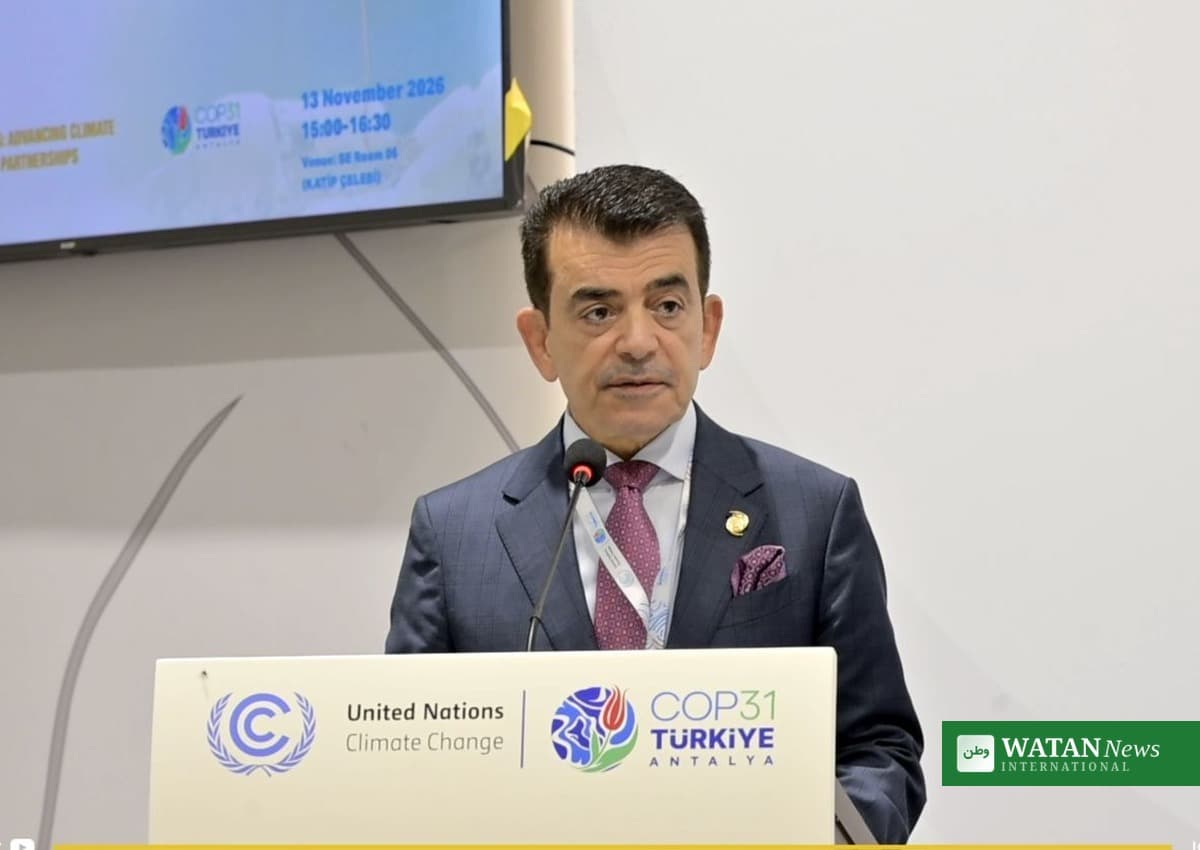
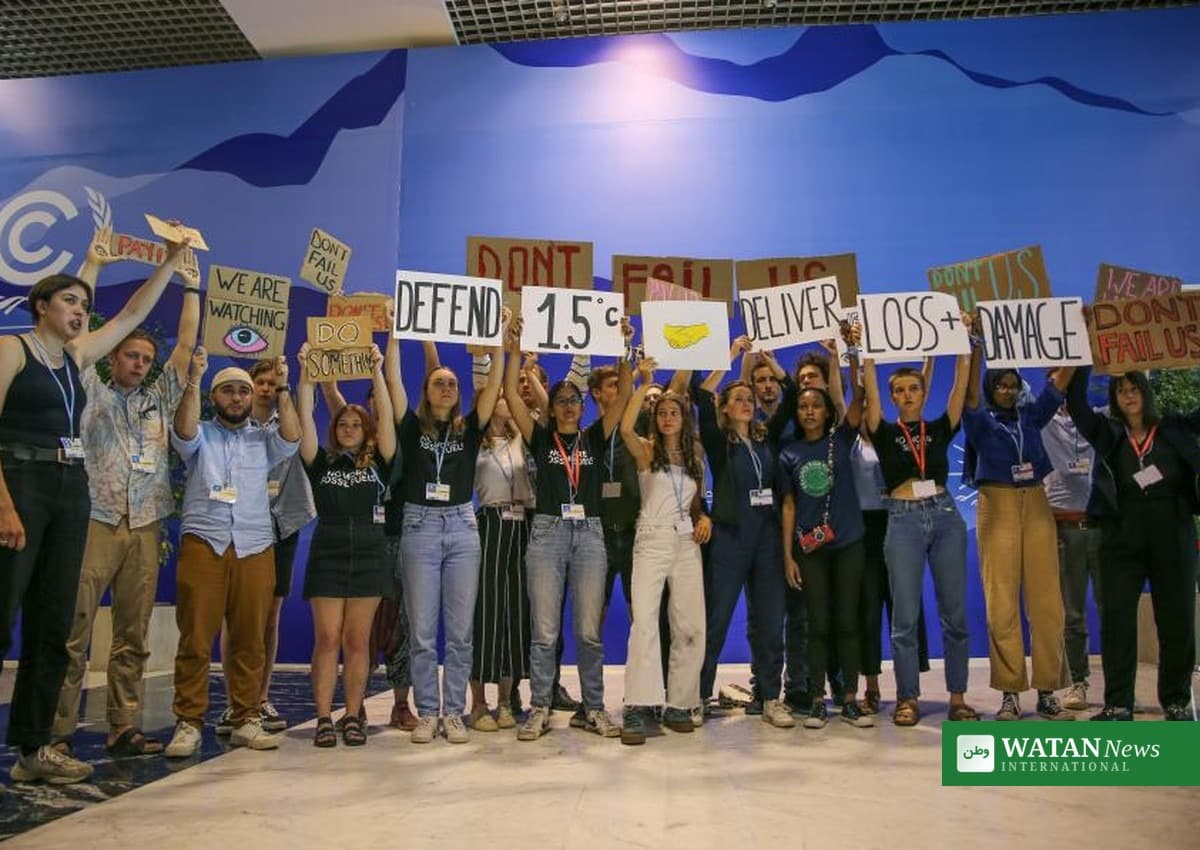
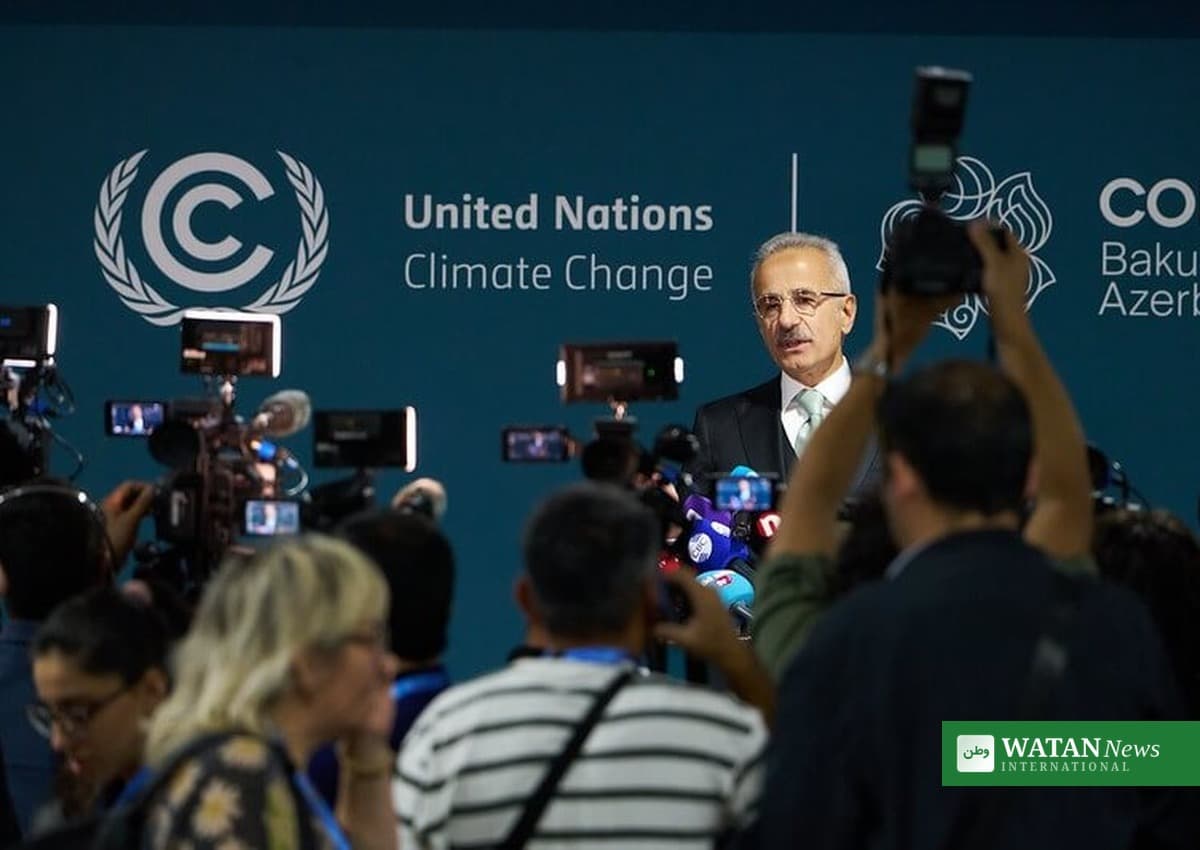
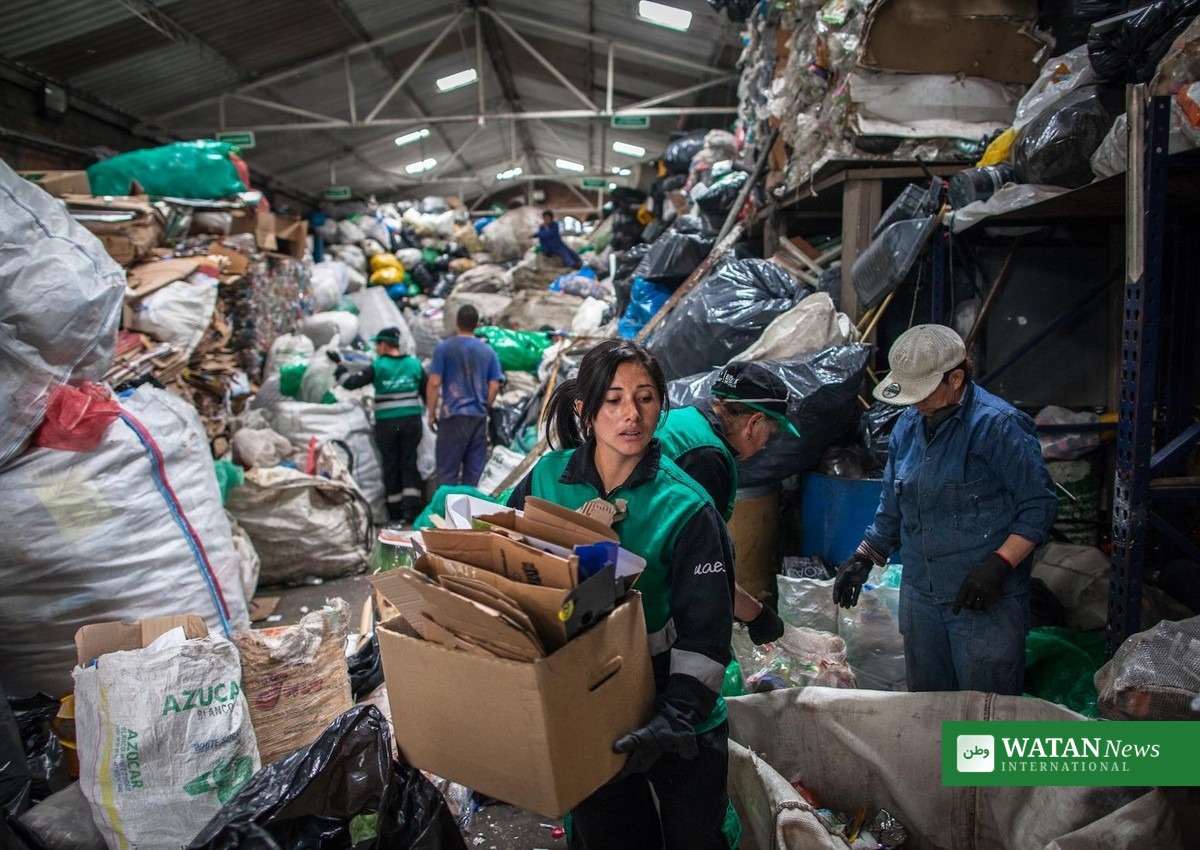
That imbalance was the centre of a COP31 press briefing by the Green Africa Youth Organisation (GAYO), titled “Zero Waste COP – Incinerators Out. Zero Waste In.”, which appealed for climate finance to flow directly to informal waste-picker networks and cities that have adopted zero-waste models. GAYO’s Zero Waste Director, Jacob Johnson Attakpah, warned that current financing streams heavily favour large-scale incineration projects, sidelining the people who already separate, collect, reuse and compost waste.
The same message ran through GAIA’s official COP31 side event on Saturday 14 November, “From commitment to implementation: Scaling zero waste for climate and clean air”, which brought together the Global Methane Hub, the Climate and Clean Air Coalition, the International Alliance of Waste Pickers, GAIA, Instituto Polis of Brazil, Zero Waste Europe, Nipe Fagio of Tanzania, GAYO of Ghana and ESDO of Bangladesh. The event showcased zero-waste solutions that rapidly reduce methane and black carbon, and explored how climate finance can support community-led implementation in developing countries. It followed UNEP’s launch of the Critical Middle Coalition at COP31, which targets the food-system middle — storage, processing, packaging and distribution — where much food loss and waste happens.
A ministerial declaration — and a shortfall
Ministers did act on waste methane at COP31. A ministerial declaration issued at the summit by countries participating in the Global Methane Pledge called on governments to prevent organic waste from being sent to landfill, expand resource recovery and capture methane where avoidance is not yet possible. It reaffirmed the pledge’s goal of cutting global methane emissions by at least 30 percent below 2020 levels by 2030, and was endorsed by seven countries: Belgium, Canada, Germany, Indonesia, Norway, the UK and Micronesia.
But participants warned that existing commitments are projected to deliver only 10 to 11 percent of the emissions reductions needed by 2030, and called for stronger policies, better emissions monitoring and more public and private investment across energy, agriculture and waste.
The stakes are rising fast. Global municipal solid waste is projected to rise from 2.1 billion tonnes in 2023 to 3.8 billion tonnes by 2050, according to UNEP, and the annual cost of managing waste — including the effects of pollution, ill health and climate change — could reach US$640.3 billion by then if current trends persist. A shift towards a circular economy could instead generate net annual economic gains of US$108.5 billion by 2050, UNEP estimates. The COP31 presidency has urged countries to halve the projected growth in global annual waste generation by 2035.
FAKTA
- GAIA’s October report identified 15 waste-to-energy incineration projects across 10 African countries, costing more than US$4 billion; only one, Ethiopia’s Reppie plant, is running.
- Municipal solid waste and wastewater generate almost 20 percent of human-caused methane; food waste accounts for up to 14 percent of global methane emissions.
- 94 percent of climate finance tracked for methane reduction in solid waste in 2021–22 — US$3.86 billion of US$4.1 billion — went to incineration projects.
- A COP31 ministerial declaration by Global Methane Pledge countries reaffirmed cutting global methane by at least 30 percent below 2020 levels by 2030.
- Existing methane commitments are projected to deliver only 10 to 11 percent of the reductions needed by 2030.
- Global municipal solid waste is projected to rise from 2.1 billion tonnes in 2023 to 3.8 billion tonnes by 2050.
What works instead: pickers, compost and cities
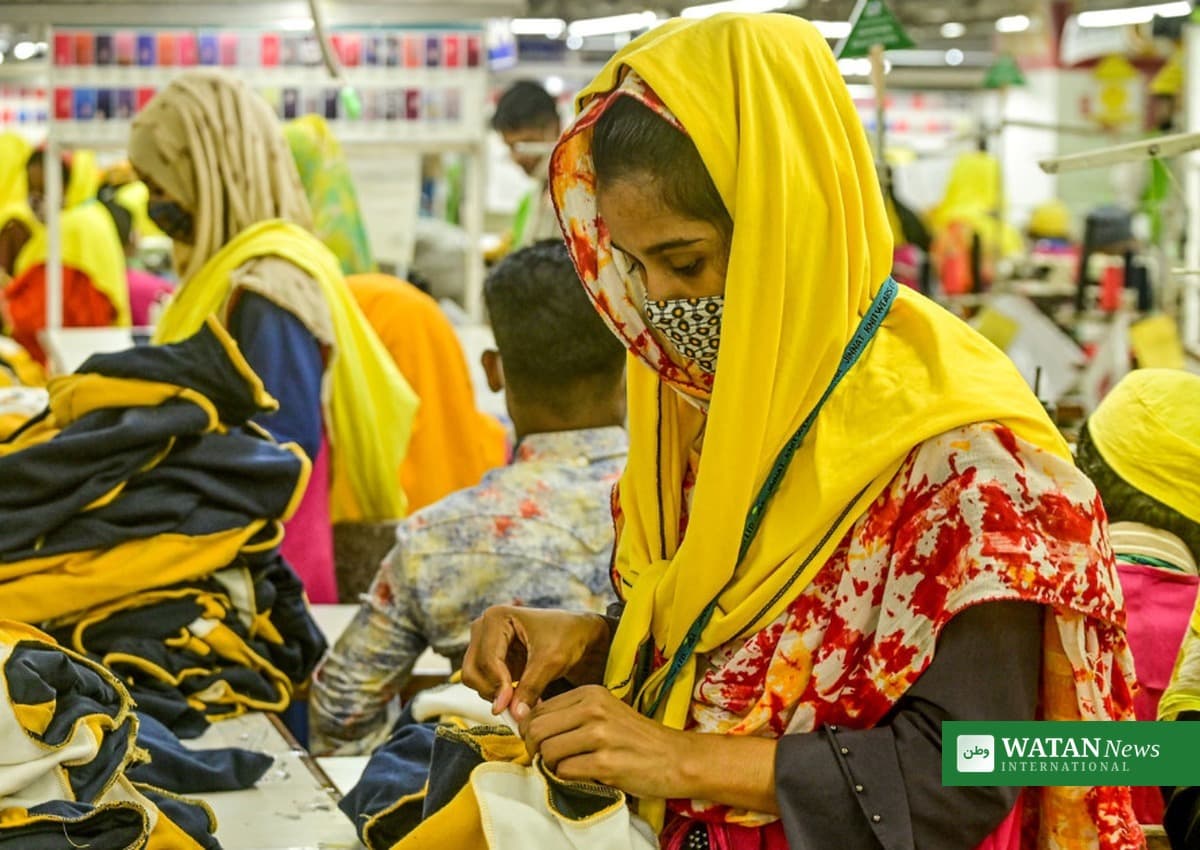
Across Africa, community waste workers are already doing the work incinerators promise. In Accra, GAYO’s Zero Waste Accra programme — a 2024 Earthshot Prize winner — received £1 million to support 500 waste pickers, divert waste from landfills and open burning, and redirect 4,000 tonnes of waste by 2030. With GAIA and C40 Cities, GAYO also helped launch Accra’s LOW-Methane Portfolio in July 2026, targeting a 30 percent cut in methane from waste disposal and a 50 percent source-separation rate for organic waste by 2030.
In Pune, India, the SWaCH cooperative’s 4,000 door-to-door waste pickers serve one million households and divert 25 tonnes of organic waste a day. In Valparaíso, Chile, waste pickers began managing organic waste in September 2026 in a region where around 70 percent of municipal waste is organic. In Nairobi, collectors supply food waste to black soldier fly projects that turn it into fertiliser, and in Dar es Salaam, Nipe Fagio works with waste pickers to compost organic waste — and with the city of Zanzibar on plans for a zero-waste island.
UN Secretary-General António Guterres urged governments to move beyond pledges and increase investment in waste collection, composting and circular infrastructure, citing projects in Durban, Dhaka and Kampala that convert organic waste into compost, fertiliser and animal feed. Kenya’s Sustainable Waste Management Act, passed in 2022, already requires waste to be separated at source and makes producers responsible for their products, with extended producer responsibility rules gazetted in November 2024.
Zero waste returns to the COP31 agenda on Wednesday 18 November, when the Zero Waste Cities event at the Finland Pavilion will show how Turku, the Barcelona metropolitan region and others are turning local circular-economy transitions into climate action — and into material for national climate plans. It builds on COP31’s launch of the Global Zero Waste Alliance, which aims to bring sustainable living into daily life.