Spain’s interim lower house of parliament has approved housing measures designed to limit evictions and real estate speculation, a day after a general strike and major street protests over the country’s housing cost crisis. The measures were ratified on Thursday 12 November, but how long they last will likely depend on the outcome of a national election set for 29 November.
Spain approves housing measures after the general strike
The first decree passed in a 35-34 vote in the interim lower house, which currently comprises 69 members, compared with the 350 members of the regular parliament dissolved before the election. It extends protections against evictions for tenants deemed by social services to be in a precarious financial or social position, as long as regional authorities cannot offer them an alternative residence. The measure will last until 2030.
A second decree, aimed at curbing real estate speculation by stopping companies involved in the property market from buying homes for less than 70 per cent of their value, was rejected by a single vote, 34-35, after the centre-right Basque party voted with the right-wing bloc, having supported the other decree.
The general strike that shook Spain
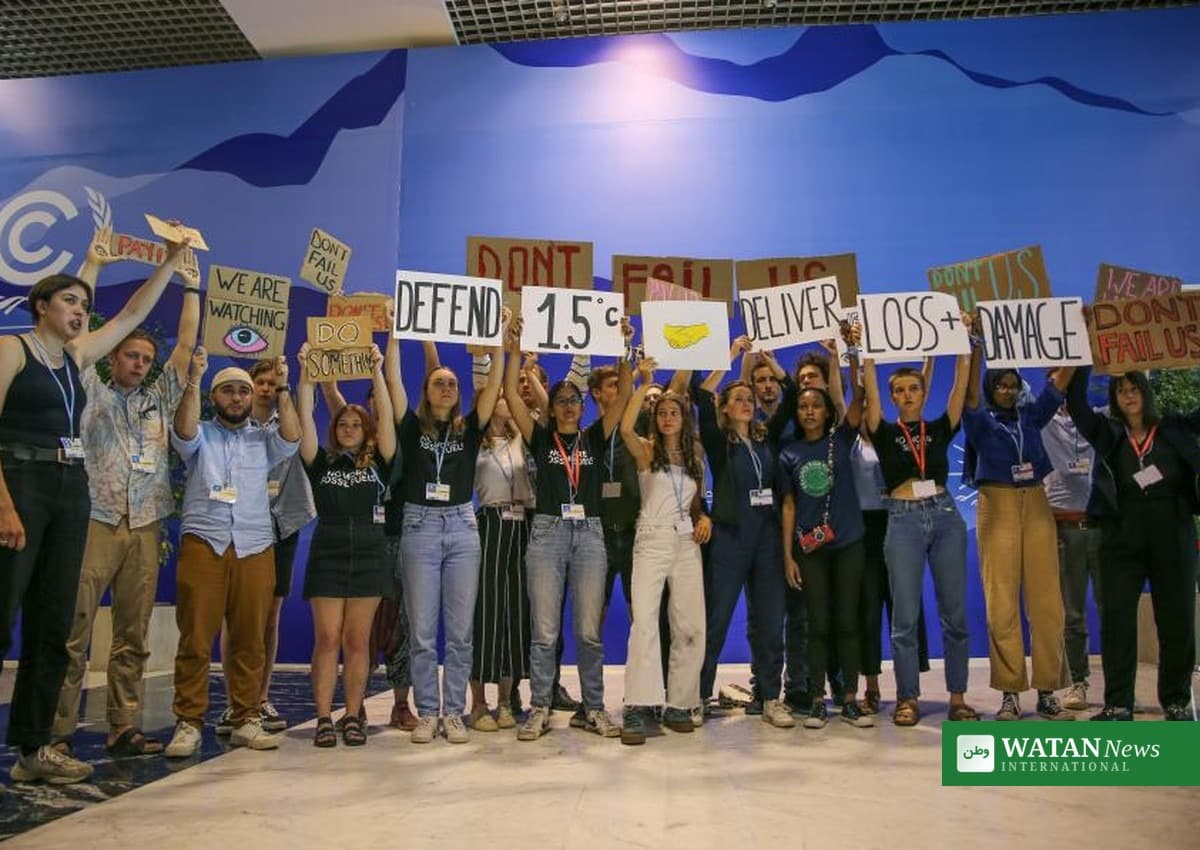
The vote came a day after Spain’s first general strike in 14 years. On Wednesday 11 November, workers walked out for 24 hours in a mass protest against the housing affordability crisis, less than three weeks before the snap election. The strike, known as 11N, was backed by Spain’s two largest unions, UGT and CCOO, representing more than a million workers, as well as tenants’ associations.
Unions estimated that around four million workers took part, while police counted 120,000 demonstrators in Madrid and more than 50,000 in Barcelona. The walkout disrupted transport, schools, businesses, ports and industrial production, with demonstrations and picket lines in Madrid, Barcelona and dozens of other cities. Organisers reported 90 per cent participation in the automotive and port sectors.
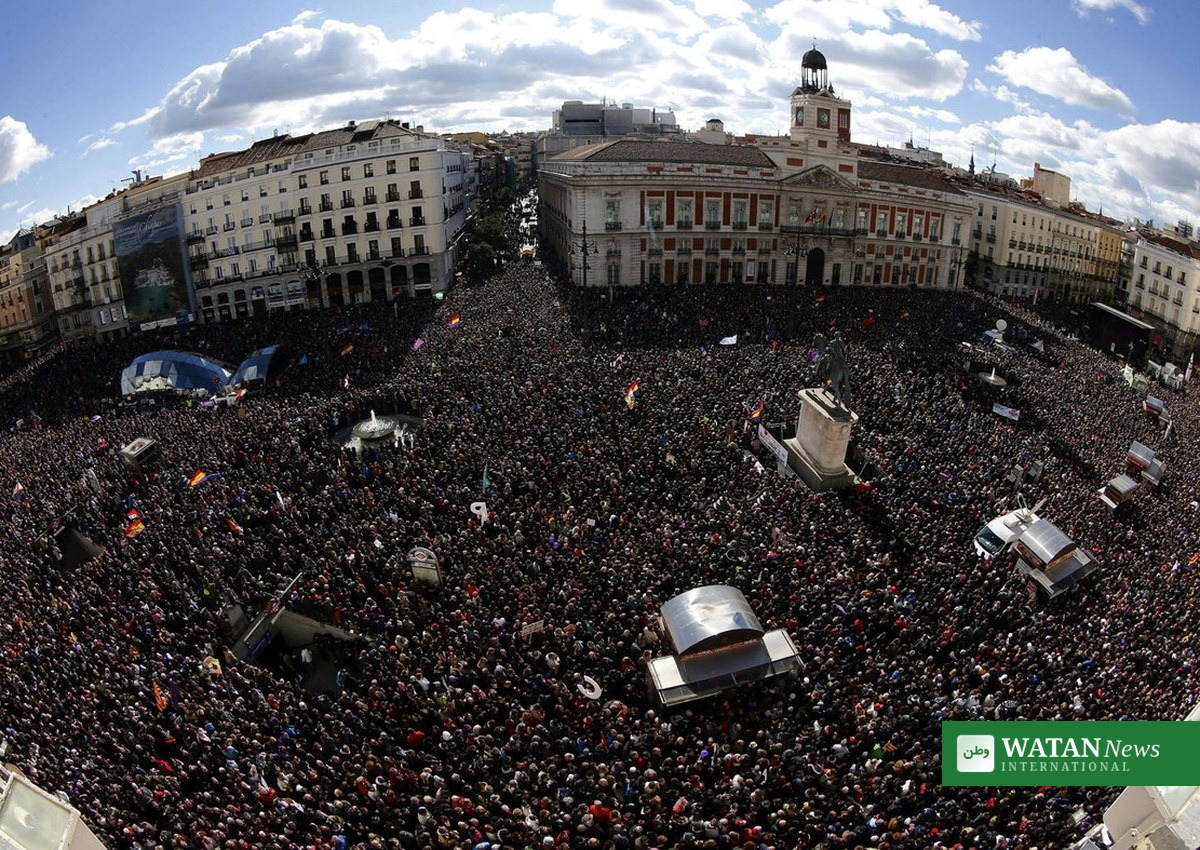
A large crowd fills Madrid’s Puerta del Sol square. Protest camps sprang up in several Spanish cities after the eviction of 87-year-old Maricarmen Abascal.
The eviction that sparked the protests
The immediate trigger for the strike was the September eviction of María del Carmen Abascal, known as Maricarmen, an 87-year-old woman who had lived in her Madrid apartment for seven decades. The investment fund that bought her building raised her monthly rent by more than 400 per cent, from €500 to €2,650 a month, an amount far exceeding her modest pension. She later died, and televised images of her eviction shocked many Spaniards.
Large demonstrations over unaffordable housing swept the country in September, and protest camps sprang up in several cities, the largest in Madrid’s emblematic Puerta del Sol square.
FAKTA
- Spain’s interim lower house ratified housing measures on 12 November 2026, the day after a general strike.
- The first decree passed 35-34 and extends eviction protections for vulnerable tenants until 2030.
- A second decree on real estate speculation was rejected 34-35.
- The 11 November general strike was Spain’s first in 14 years; unions estimated about four million participants.
- Spain faces a housing deficit of about 750,000 homes, set to exceed one million by 2028, according to the central bank.
- The average rent of €1,176 a month is about 98.7 per cent of a young person’s average monthly salary.
- A snap general election will be held on 29 November 2026.
A housing crisis measured in numbers
According to Spain’s central bank, the country faces a housing deficit of approximately 750,000 homes, potentially exceeding one million by 2028. Publicly owned rental housing accounts for less than 2 per cent of the country’s housing supply, compared with a European Union average of around 8 per cent.
The Spanish Youth Council estimates that the average monthly rent of €1,176 consumes approximately 98.7 per cent of a young person’s average monthly salary. With fewer people able to afford a home, renting has increased sharply, putting further pressure on that market.
The election will decide the measures’ fate
Prime Minister Pedro Sánchez called the general election, which had been scheduled for 2027, in response to parliament’s failure to pass the decrees that included greater protection for tenants against evictions and the automatic renewal of tenant contracts. The leading opposition party, the conservative Popular Party, has said it will repeal the housing measures if it takes power, which polls indicate is a real possibility.
Interim Housing Minister Isabel Rodríguez told lawmakers: “Yesterday, the right to housing was championed on the streets and in workplaces, and I hope it will prevail again at the ballot box.” The 29 November vote will now decide whether the measures survive or are repealed.