The United States has lost its measles elimination status after 26 years, as a Pan American Health Organization (PAHO) expert panel determined that the virus has circulated continuously in the country for more than 12 months. The decision ends a public health achievement the country has held since 2000 and follows the worst measles year in the United States in more than three decades.
What the measles elimination status decision means
Measles elimination does not mean the virus has vanished entirely. It means there has been no continuous homegrown transmission of the disease for at least 12 months, under high-quality surveillance. A country loses the status when the same measles virus strain circulates without interruption for a year or longer, which points to local spread rather than a series of imported cases.
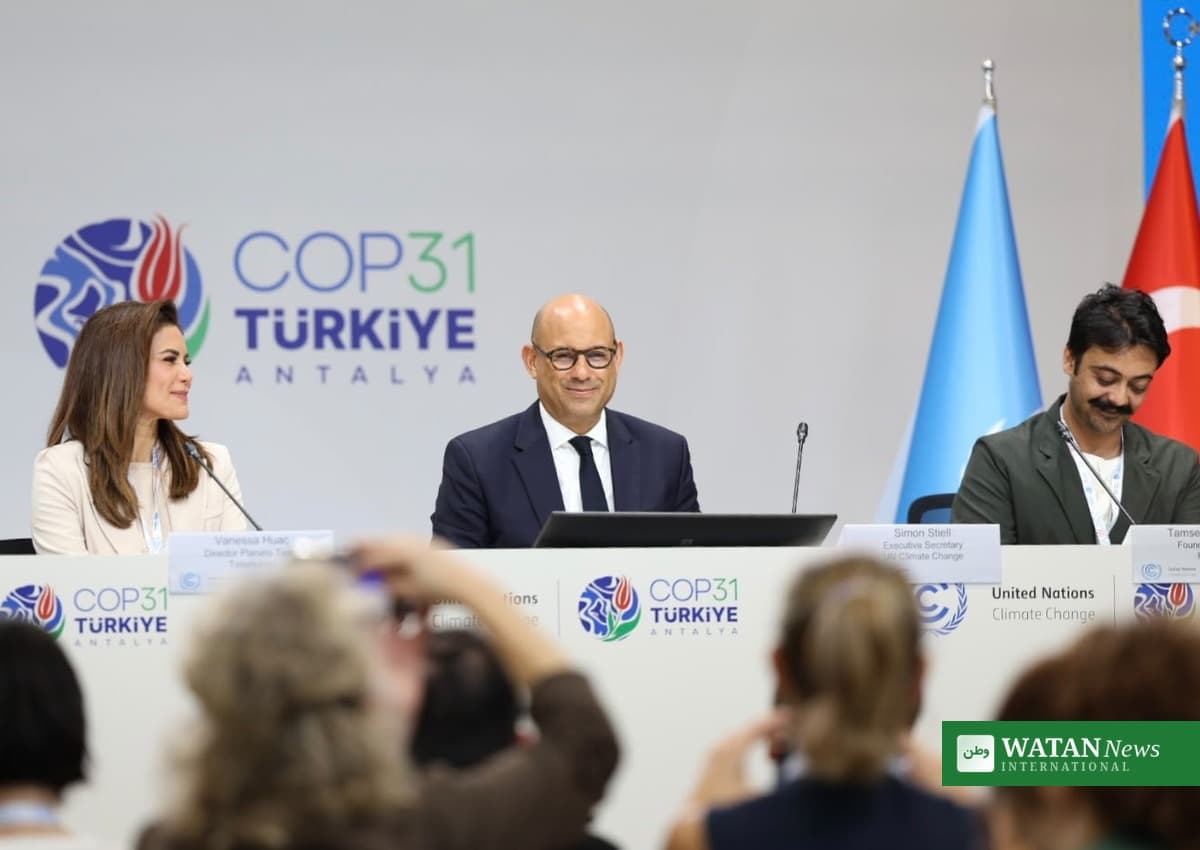
The PAHO verification commission met in Washington from 10 to 13 November to assess the evidence submitted by the Centers for Disease Control and Prevention (CDC). According to reports from the Wall Street Journal, Reuters and CNN, each citing people familiar with the decision, the panel concluded that the threshold had been crossed. The review period began on 20 January 2025, when the West Texas outbreak started.
To regain elimination status, the United States must now go 12 months without continuous spread of the virus.
Measles cases in 2026 reach their highest level since 1991
The CDC has recorded 5,412 confirmed measles cases so far in 2026, more than double the 2,289 cases reported in all of 2025. It is the highest annual total since 1991, when 9,643 cases were recorded. Cases have been reported from 45 states, New York City and the District of Columbia.
An outbreak in Pennsylvania accounts for more than 1,500 of the cases and six measles-associated deaths. State health departments have reported at least 10 measles-linked deaths in 2026, including the death of a child in the past week, while the CDC’s own count stood at six deaths after its latest update. The CDC says its figure is subject to change as reports are confirmed.
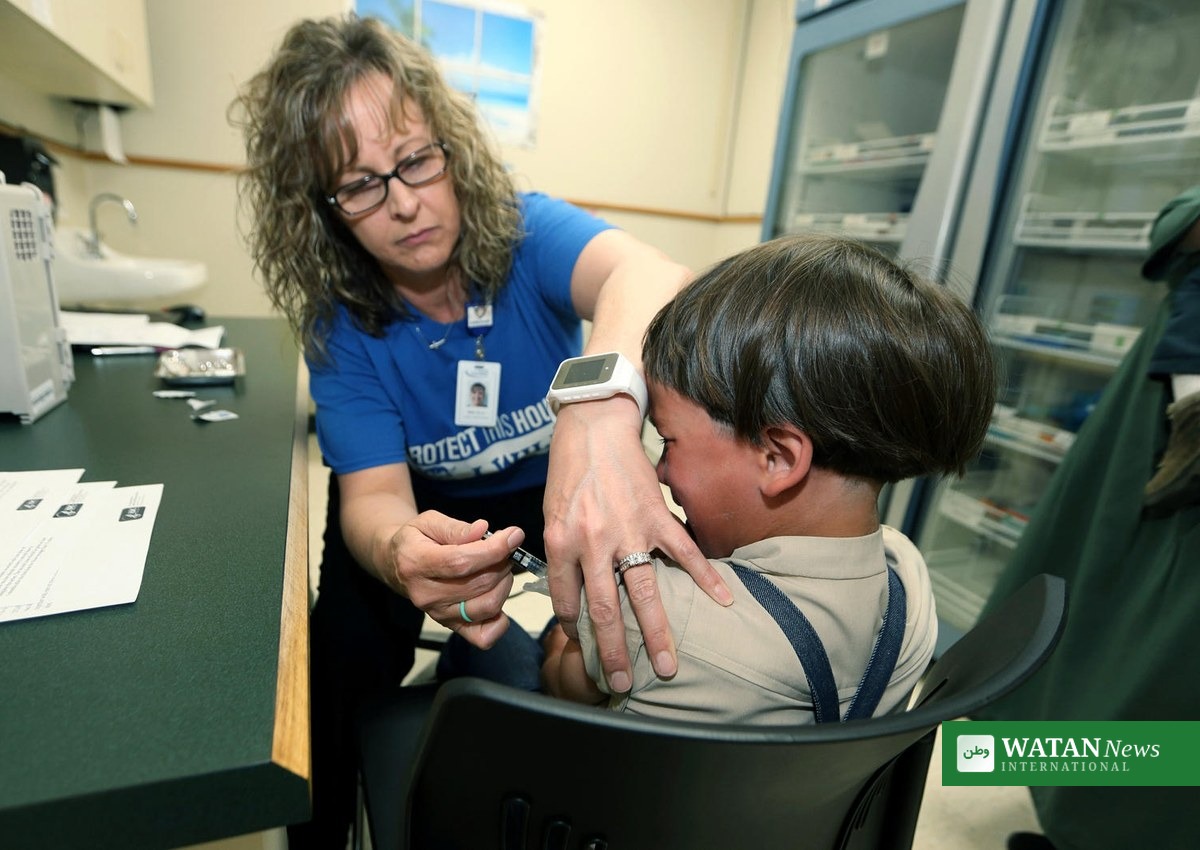
A child receives a measles vaccination. Health officials say two doses of the MMR vaccine are highly effective at preventing the disease.
Why vaccination coverage has fallen
Public health experts link the resurgence to declining vaccination coverage. Measles is one of the most contagious viruses known, and it spreads quickly in communities where vaccination rates fall below the level needed for herd protection. Two doses of the MMR vaccine, which protects against measles, mumps and rubella, are highly effective, yet coverage among young children has slipped in several states in recent years.
CDC Director Dr Erica Schwartz told Reuters that losing the status would not change the agency’s approach, saying the CDC would keep working with the states in the same way. Her remarks drew criticism from lawmakers: on 14 November, Senator Michael Bennet called on Dr Schwartz to resign, pointing to the loss of the status and the rising death toll.
FAKTA
- The United States held measles elimination status from 2000 until November 2026 — a period of 26 years.
- PAHO, the World Health Organization’s regional office for the Americas, determined the virus circulated continuously for more than 12 months.
- The CDC recorded 5,412 confirmed measles cases in 2026, against 2,289 in all of 2025.
- Cases have been reported from 45 states, New York City and the District of Columbia.
- State health departments have reported at least 10 measles-linked deaths in 2026.
- Regaining the status requires 12 months without continuous transmission of the virus.
What happens next
The loss of the status changes no rule or travel measure by itself, but it carries weight for public health funding, vaccine policy and the country’s standing with other health authorities. The United States withdrew from the World Health Organization but remains a member of PAHO, whose commission made the determination.
Health officials say the path back is clear but slow: vaccination drives must stop the chains of transmission, and then a full year must pass without continuous spread before the status can be restored. Until then, measles is once again officially endemic in the United States.