LIVE
BREAKING
Four Nations Sign Caspian Green Energy Corridor Deal at COP31 to Carry Clean Power to EuropeTürkiye and Qatar Sign Mutual Defence Pact in IstanbulManchester United Confirm Mauricio Pochettino as New Head CoachCOP31: Cities and Homes Move to the Centre of Climate ActionTrump May Hold Off on New Iran Strikes as Allies Urge RestraintAsian Youth Coalition Launches at COP31 to Carry Youth Priorities into Climate TalksSouth Sudan Delays First-Ever Election Again, Sets New Date for February 2027Zelenskyy Says US Raised Ukraine NATO Membership in Exchange for Donbas WithdrawalBangladesh Garment Factory Wins World Energy-Saving Championship at COP31Canada-US Trade Deal Moves Closer After Lengthy Carney-Trump TalksCOP31 Week Two in Antalya: Science, Nature and the Final Push — the Events to WatchQuad Leaders to Meet in Manila on Tuesday in First Summit in Two YearsGeoffrey Hinton Warns EU Leaders AI Could Threaten Humanity Within Three YearsCOP31: ICESCO and Pakistan Put Climate Education at the Centre with New Green Curricula StandardsAfrican Youth Map Water Insecurity in 51 Countries and Bring Their Findings to COP31Nationwide ground stop lifted after FAA communications outage grounds thousands of flightsCOP31: Bangladesh to Restore Mangroves with Up to $30m Climate Funding as PM Pledges 250 Million TreesCOP31: Tourism Heads to Its Thematic Day Wanting Proof, Not More PledgesCOP31 Zero Waste: UNEP Launches Critical Middle Coalition as Food and Waste Take Centre StageCOP31 First Week Ends With Draft Texts, a Cover-Decision Row and Finance Pledges Down 70%Four Nations Sign Caspian Green Energy Corridor Deal at COP31 to Carry Clean Power to EuropeTürkiye and Qatar Sign Mutual Defence Pact in IstanbulManchester United Confirm Mauricio Pochettino as New Head CoachCOP31: Cities and Homes Move to the Centre of Climate ActionTrump May Hold Off on New Iran Strikes as Allies Urge RestraintAsian Youth Coalition Launches at COP31 to Carry Youth Priorities into Climate TalksSouth Sudan Delays First-Ever Election Again, Sets New Date for February 2027Zelenskyy Says US Raised Ukraine NATO Membership in Exchange for Donbas WithdrawalBangladesh Garment Factory Wins World Energy-Saving Championship at COP31Canada-US Trade Deal Moves Closer After Lengthy Carney-Trump TalksCOP31 Week Two in Antalya: Science, Nature and the Final Push — the Events to WatchQuad Leaders to Meet in Manila on Tuesday in First Summit in Two YearsGeoffrey Hinton Warns EU Leaders AI Could Threaten Humanity Within Three YearsCOP31: ICESCO and Pakistan Put Climate Education at the Centre with New Green Curricula StandardsAfrican Youth Map Water Insecurity in 51 Countries and Bring Their Findings to COP31Nationwide ground stop lifted after FAA communications outage grounds thousands of flightsCOP31: Bangladesh to Restore Mangroves with Up to $30m Climate Funding as PM Pledges 250 Million TreesCOP31: Tourism Heads to Its Thematic Day Wanting Proof, Not More PledgesCOP31 Zero Waste: UNEP Launches Critical Middle Coalition as Food and Waste Take Centre StageCOP31 First Week Ends With Draft Texts, a Cover-Decision Row and Finance Pledges Down 70%
Wellness

WHO: Inequality Is a Major Factor in the Impact of Noncommunicable Diseases

News Desk 6Published October 20, 2026
WHO: Inequality Is a Major Factor in the Impact of Noncommunicable Diseases
Share this story
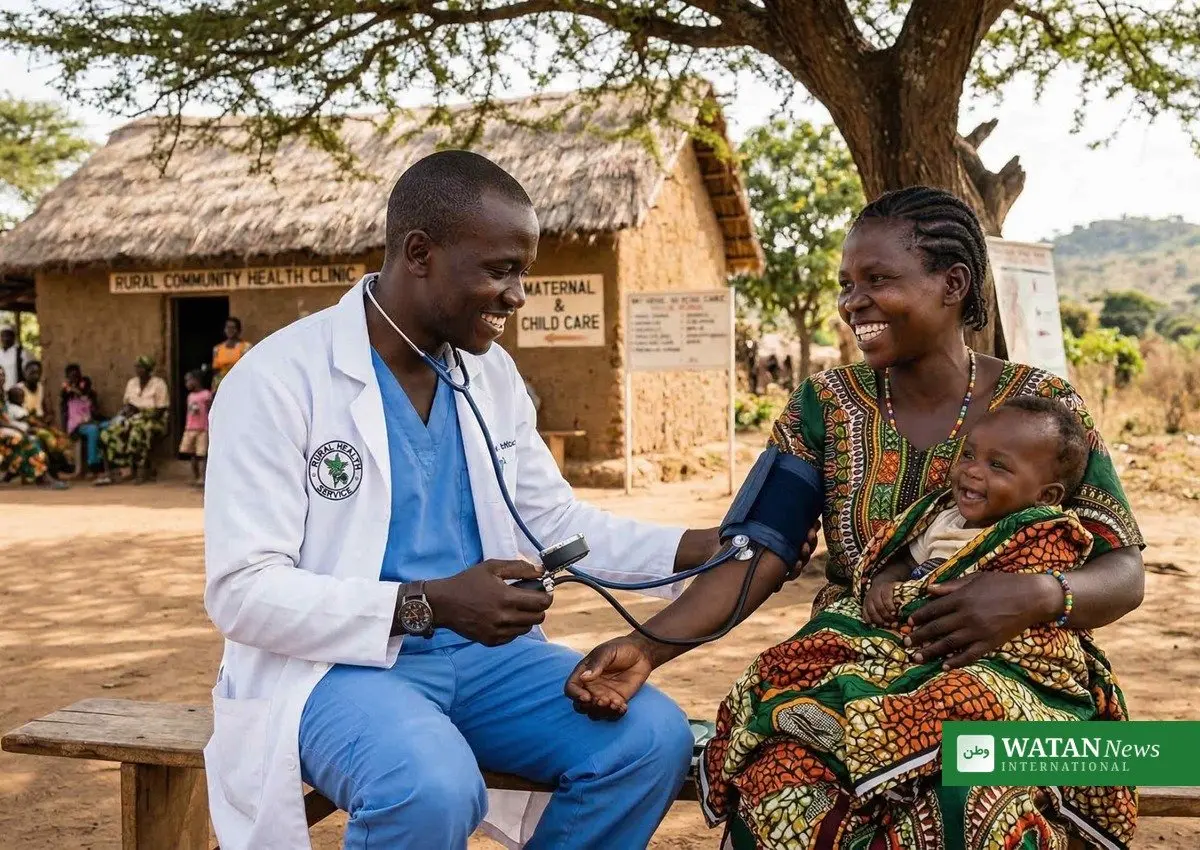
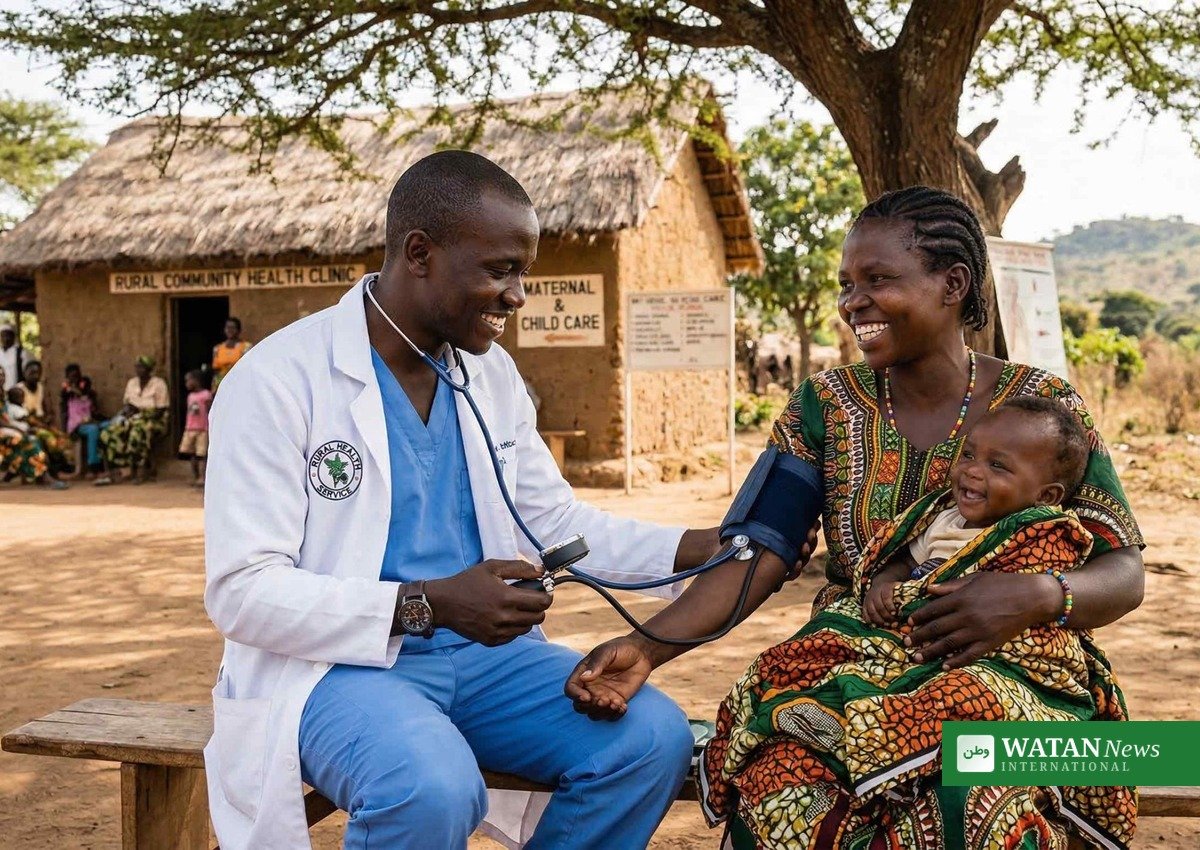
WHO NCD inequality report: a doctor checks a woman's blood pressure at a rural community health clinic
A doctor checks a patient’s blood pressure at a rural community health clinic. The WHO NCD inequality report finds rural areas have significantly more limited access to hypertension diagnosis and cancer screening.

Inequality is a major factor shaping who falls ill and who gets care from noncommunicable diseases, the World Health Organization says in a new global report published on October 20, 2026. The WHO NCD inequality report — the most comprehensive global assessment of country-level inequalities in these diseases to date — finds that where people live, their income, gender and education determine their chances against conditions such as heart disease, cancer, diabetes and chronic respiratory disease.

FAKTA

  • WHO published the report “State of inequality: noncommunicable diseases and their risk factors” on October 20, 2026 — its most comprehensive global assessment of country-level inequalities in NCDs to date.
  • People in rural areas have significantly more limited access to hypertension diagnosis and cancer screening.
  • Men with hypertension are diagnosed and treated less frequently than women, even though they consume more tobacco and alcohol.
  • Cervical cancer screening rates are very low among the poorest and least-educated women; obesity is more common among women, particularly in developing countries.
  • WHO urged governments to raise health taxes on tobacco, alcohol and sugary drinks and to tailor subsidies and insurance for underserved communities.

The inequality gaps the report found

The report paints a consistent picture across countries. Looking at geography, rural residents face significantly more limited access to hypertension diagnosis and cancer screening than city dwellers. Gender and age also shape outcomes: men with high blood pressure are diagnosed and treated less often than women, despite higher tobacco and alcohol consumption among men. Conversely, obesity is more common among women, particularly in developing countries.

Education and income cut just as deep. Cervical cancer screening rates are very low among the poorest and least-educated women, while tobacco use remains higher among less-educated men than among more educated men. The study also confirmed that social marginalization, disability and migrant status are significant factors contributing to increased risk.
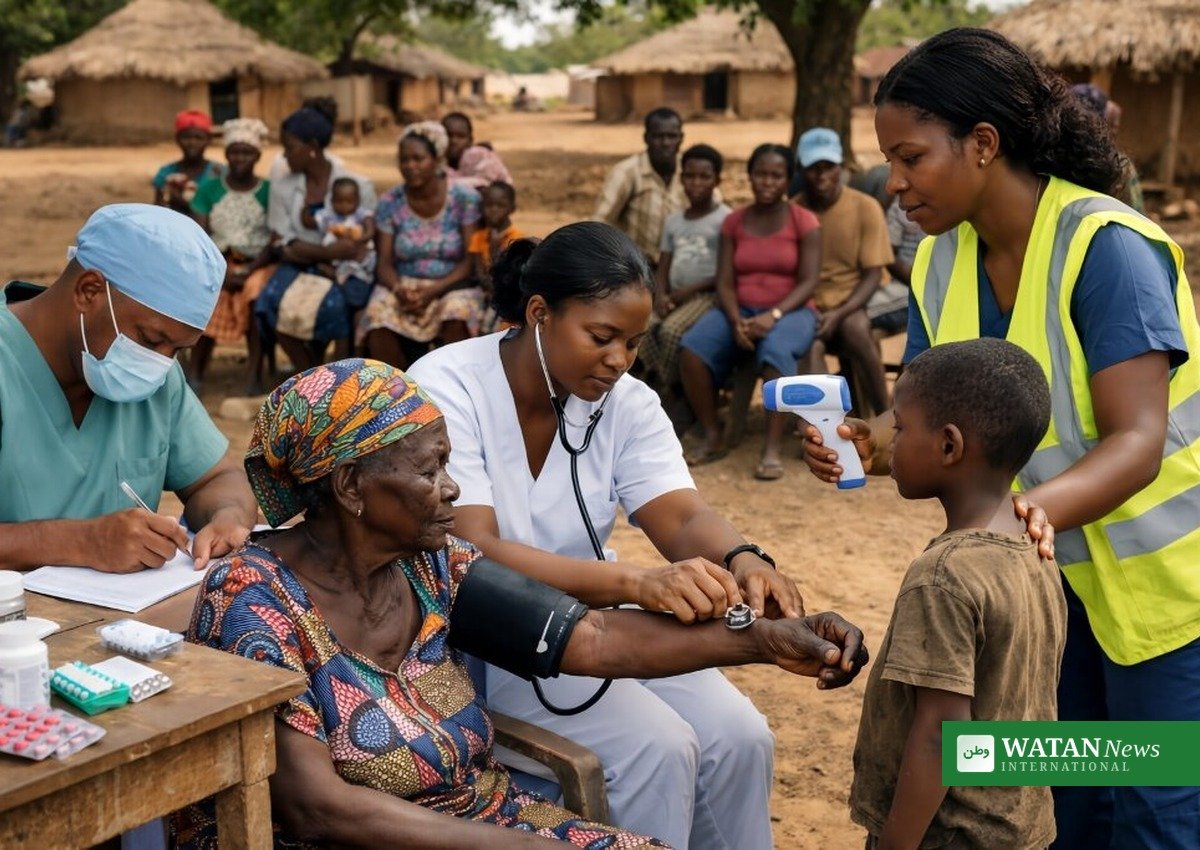
WHO NCD inequality report: community health workers conducting health screening in a village
Community health workers conduct health screening in a village. WHO says prevention and care must be targeted at populations being left behind.

Four diseases, five risk factors

The assessment covers four major noncommunicable diseases and five major risk factors:

Major NCDs coveredMajor risk factors covered
CancerTobacco use
Cardiovascular diseasesAlcohol use
Chronic respiratory diseasesObesity and unhealthy diets
DiabetesInsufficient physical activity
—Air pollution

What the WHO NCD inequality report recommends

Alongside the report, WHO published an advocacy brief, “The hidden inequalities behind noncommunicable diseases: from evidence to action,” drawing on the findings to recommend concrete steps. The UN health agency urged governments to raise health-related taxes on tobacco, alcohol and sugary drinks — measures it says are particularly effective among low-income populations.

Countries were also encouraged to tailor insurance schemes or subsidies for underserved communities and to incorporate inequality indicators into their national health systems, so that prevention and care reach the populations experiencing the greatest disadvantage. As countries work towards global NCD targets, WHO says, understanding who is most affected is critical for effective action.

Related Articles

Conclusion

The new WHO report makes one thing clear: the fight against noncommunicable diseases is not just a medical challenge but a fairness challenge. Prevention and care that ignore inequality will keep missing the people who need them most.

Frequently Asked Questions

Related Stories

Planet & environment

Climate & Sustainability

News, stories and solutions driving change towards a greener and more sustainable planet for future generations.

Four Nations Sign Caspian Green Energy Corridor Deal at COP31 to Carry Clean Power to Europe
Featured story

Four Nations Sign Caspian Green Energy Corridor Deal at COP31 to Carry Clean Power to Europe

Azerbaijan, Georgia, Türkiye and Bulgaria have signed an agreement at COP31 to build a green energy corridor carrying Caspian wind and solar power to Europe, with a preliminary capacity of 2,000–3,000 MW.

Read full story

GREEN JOURNALISM

Every Action Counts

Small steps today, big impact tomorrow.

Explore more stories