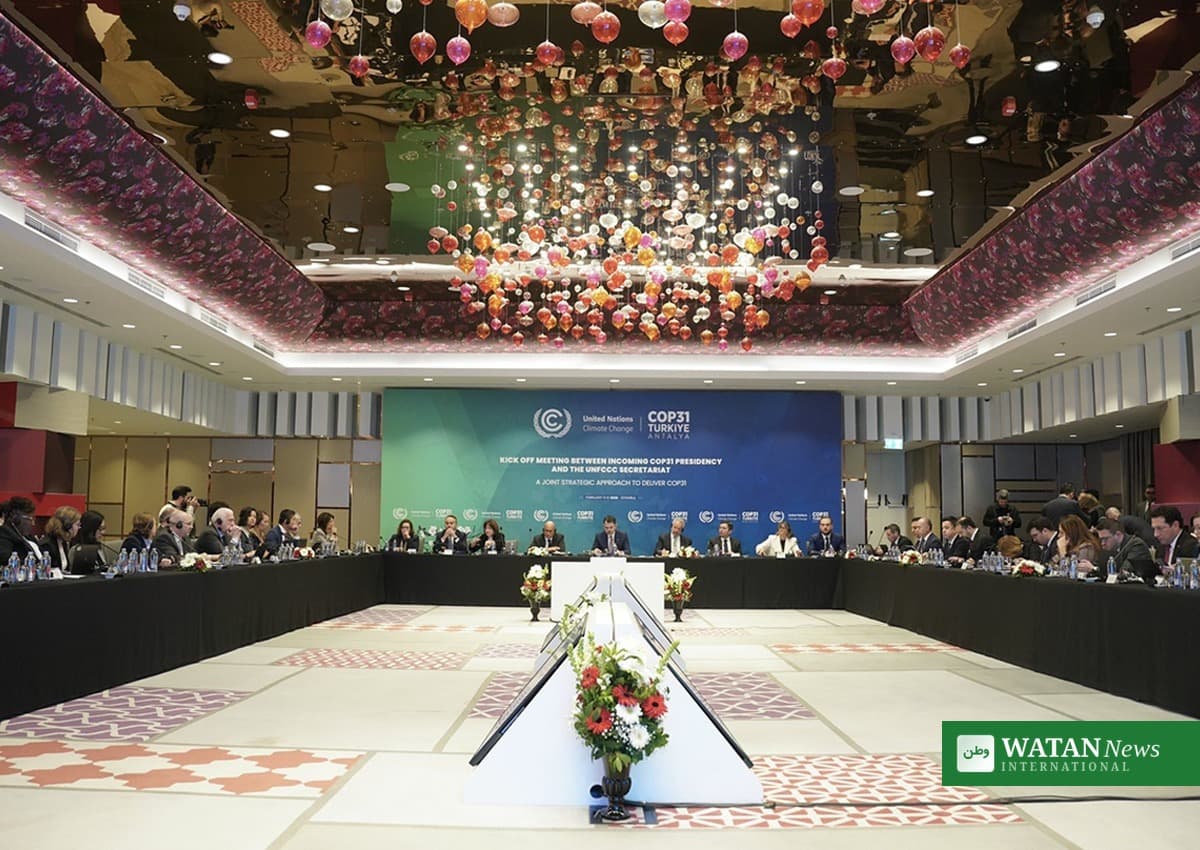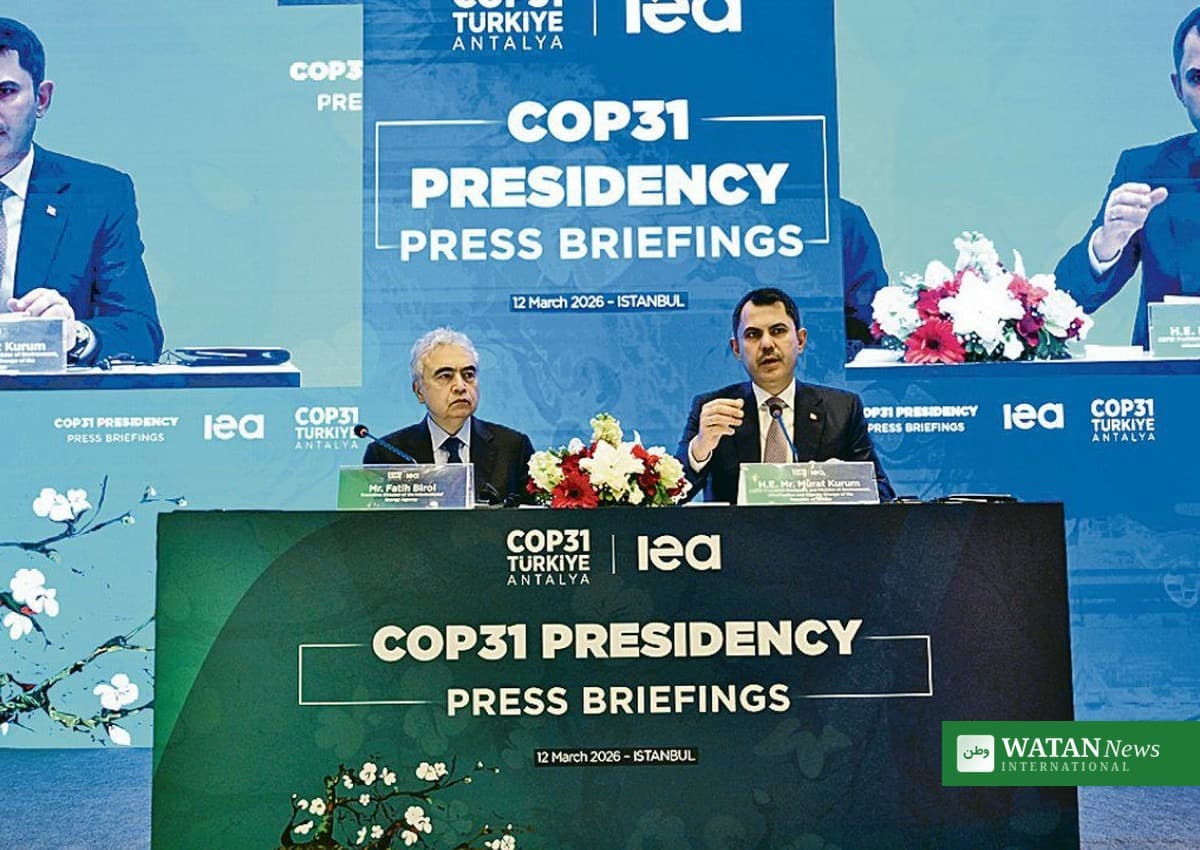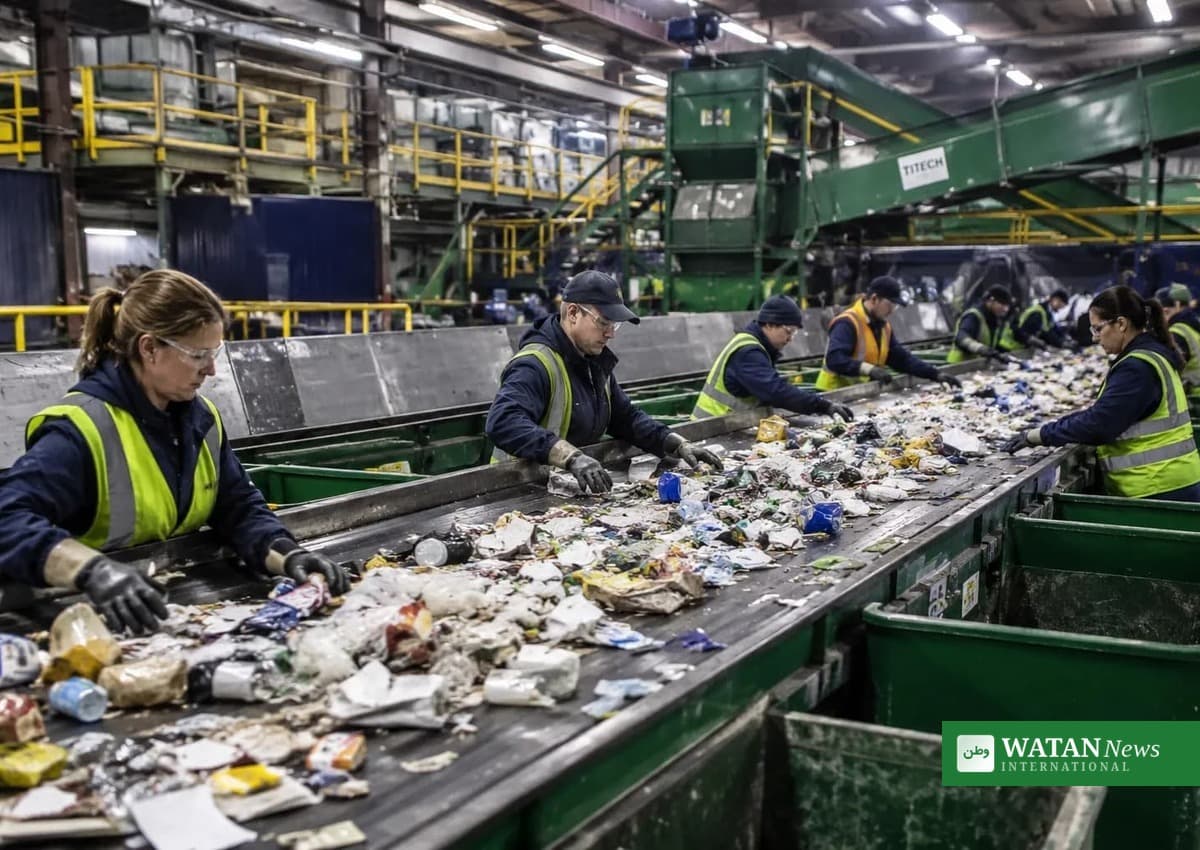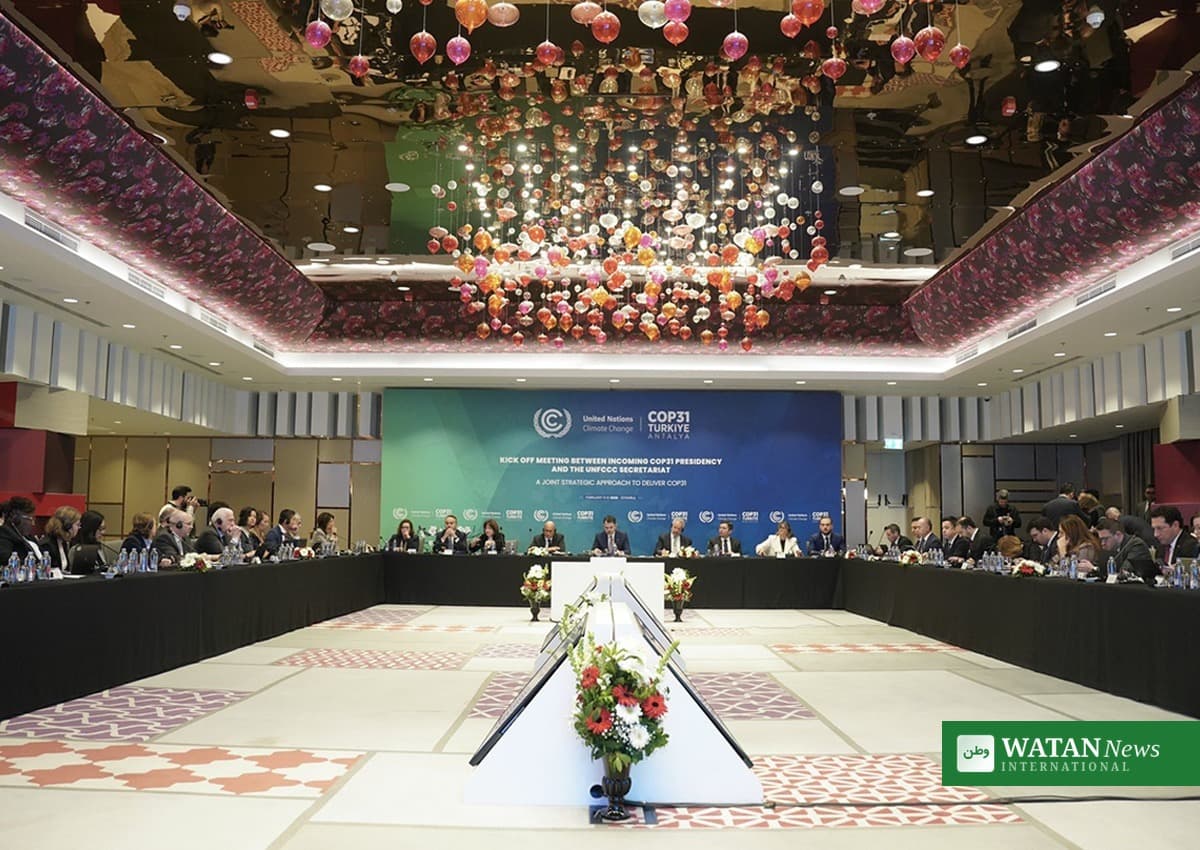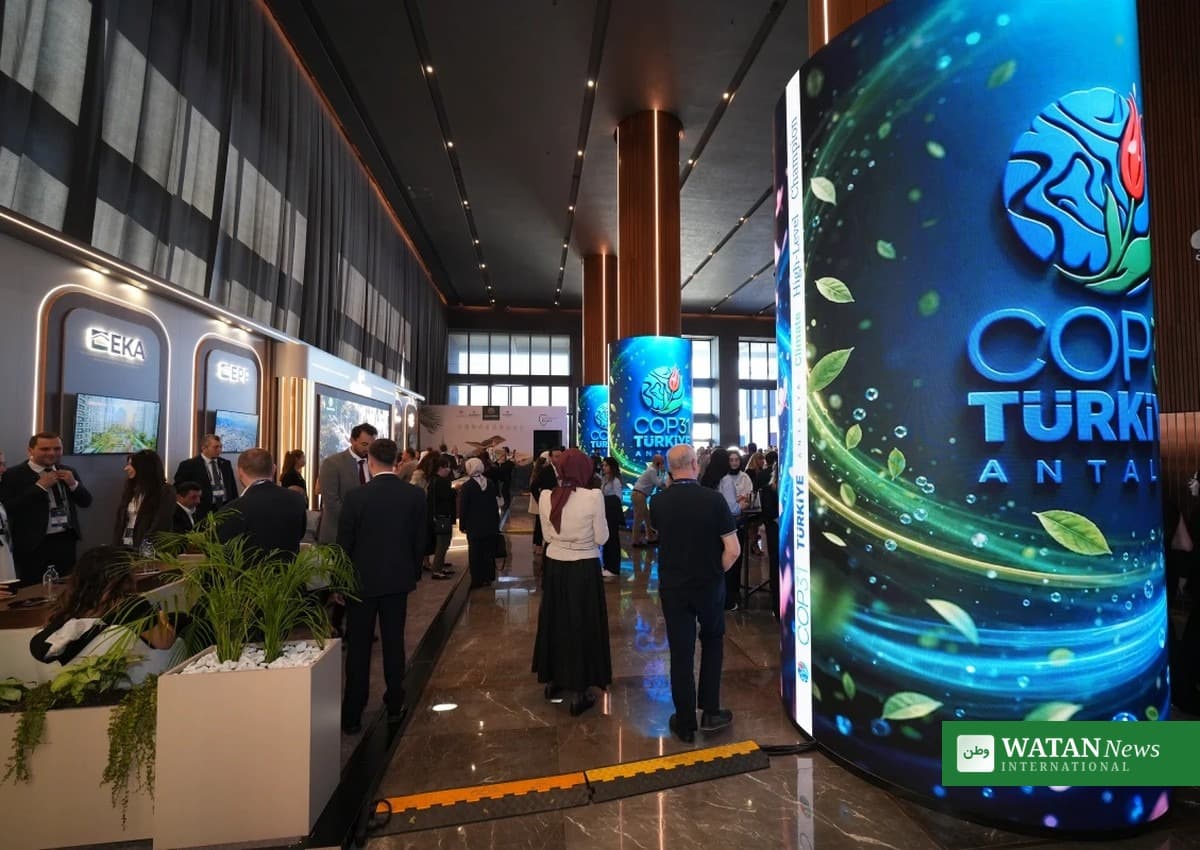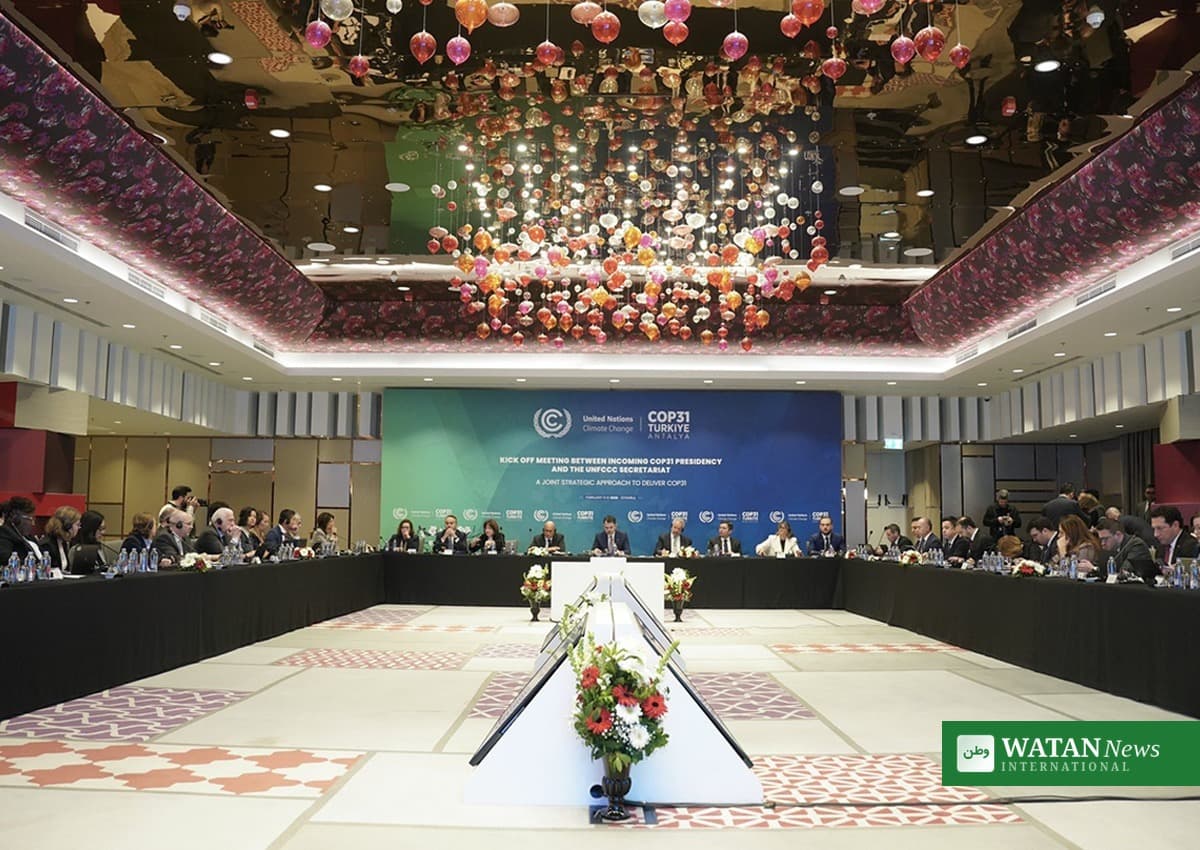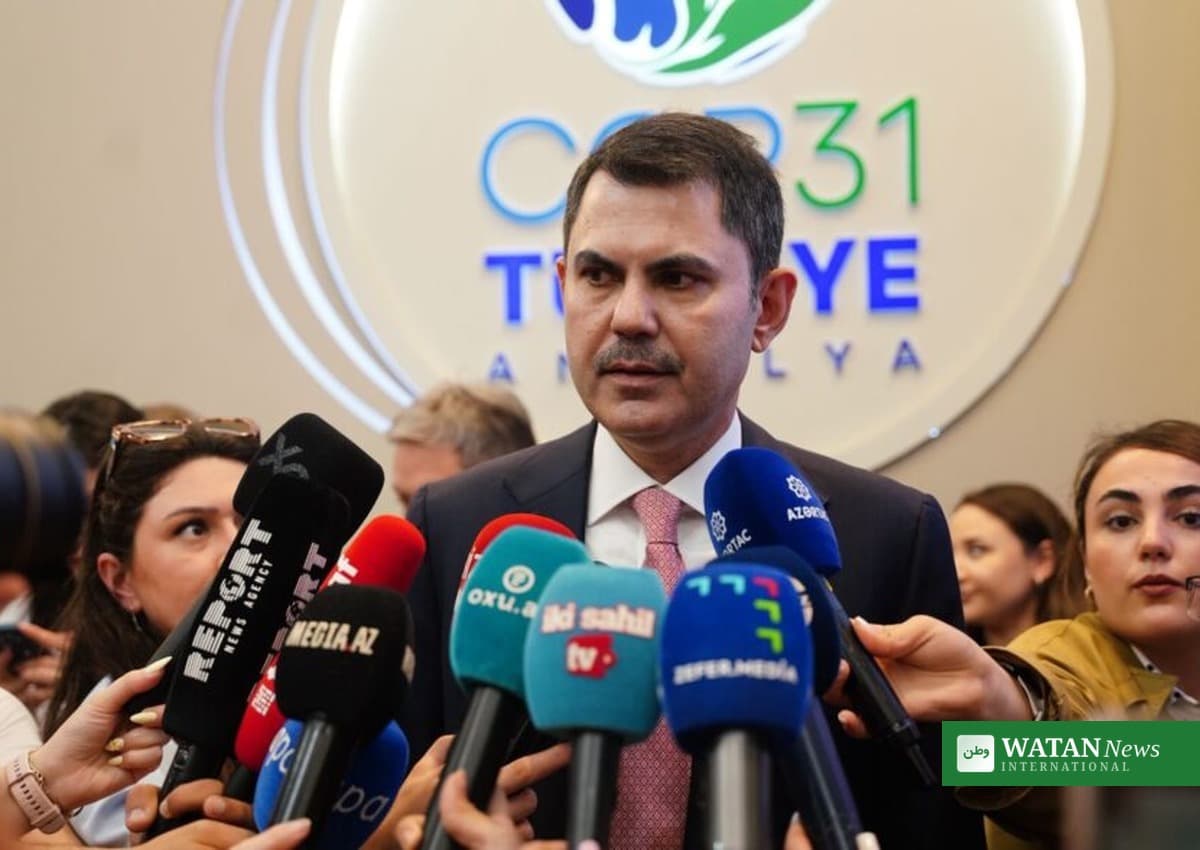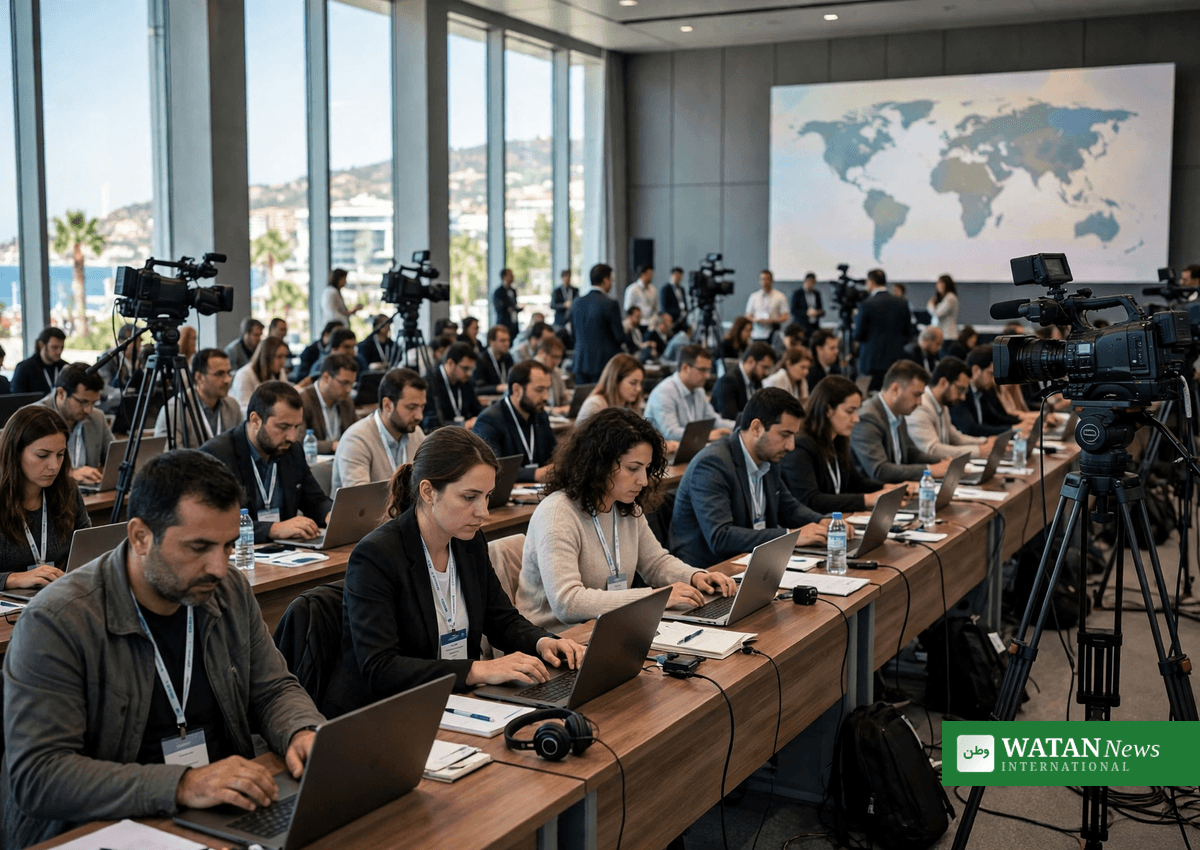
The United Nations Environment Programme will launch a new Critical Middle Coalition at COP31 in Antalya on Saturday, putting food systems, circularity and zero waste at the centre of climate action as host country Türkiye presses governments to back its zero-waste agenda.
The launch takes place at a UNEP side event on Saturday, 14 November, from 13:15 to 14:45 in Side Event Room Purple in the COP31 Blue Zone. It is the latest sign that waste — long treated as a side issue at climate talks — is moving into the centre of the negotiations.
What the Critical Middle means
The “Critical Middle” is the part of the food system between the farm and the consumer: aggregation, storage, processing, packaging, logistics, wholesale and distribution. UNEP says climate-resilient food systems need investment in exactly this middle stretch — and that such investment must also prevent waste, improve resource efficiency and ensure the environmentally sound management of unavoidable waste.
The event builds on discussions at COP29 and COP30 and on Türkiye’s leadership through the Zero Waste Initiative. It also complements UNEP’s Food Waste Breakthrough, launched at COP30, which is accelerating action to reduce food waste in cities.
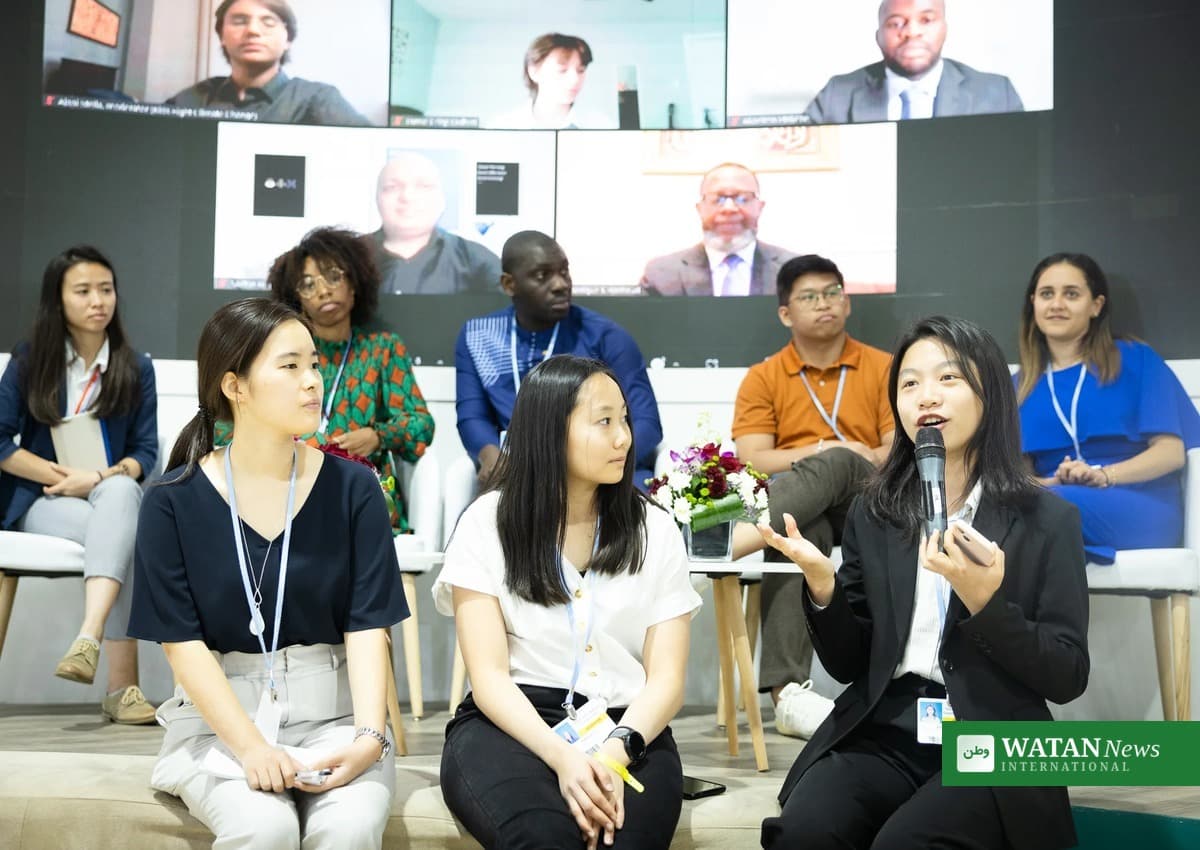
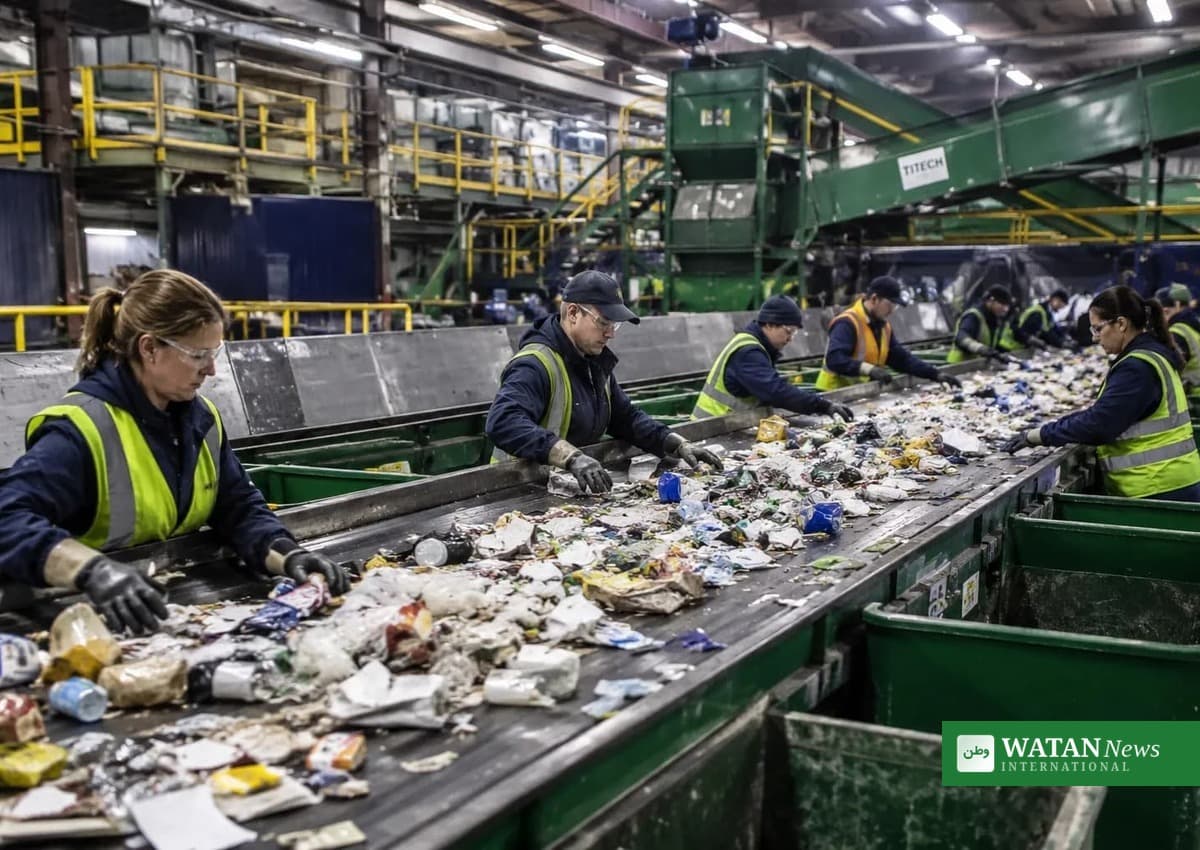
Speakers will examine three linked priorities: preventing food loss and waste, designing circular value chains, and managing residual waste safely. The discussion will identify practical measures for putting national climate plans into practice, including methane reduction, resource-efficient infrastructure, reuse systems, source separation and investment pipelines. The event is set to conclude with joint action messages and commitments to advance climate-resilient, circular and zero-waste food systems.
Türkiye’s zero-waste push at COP31
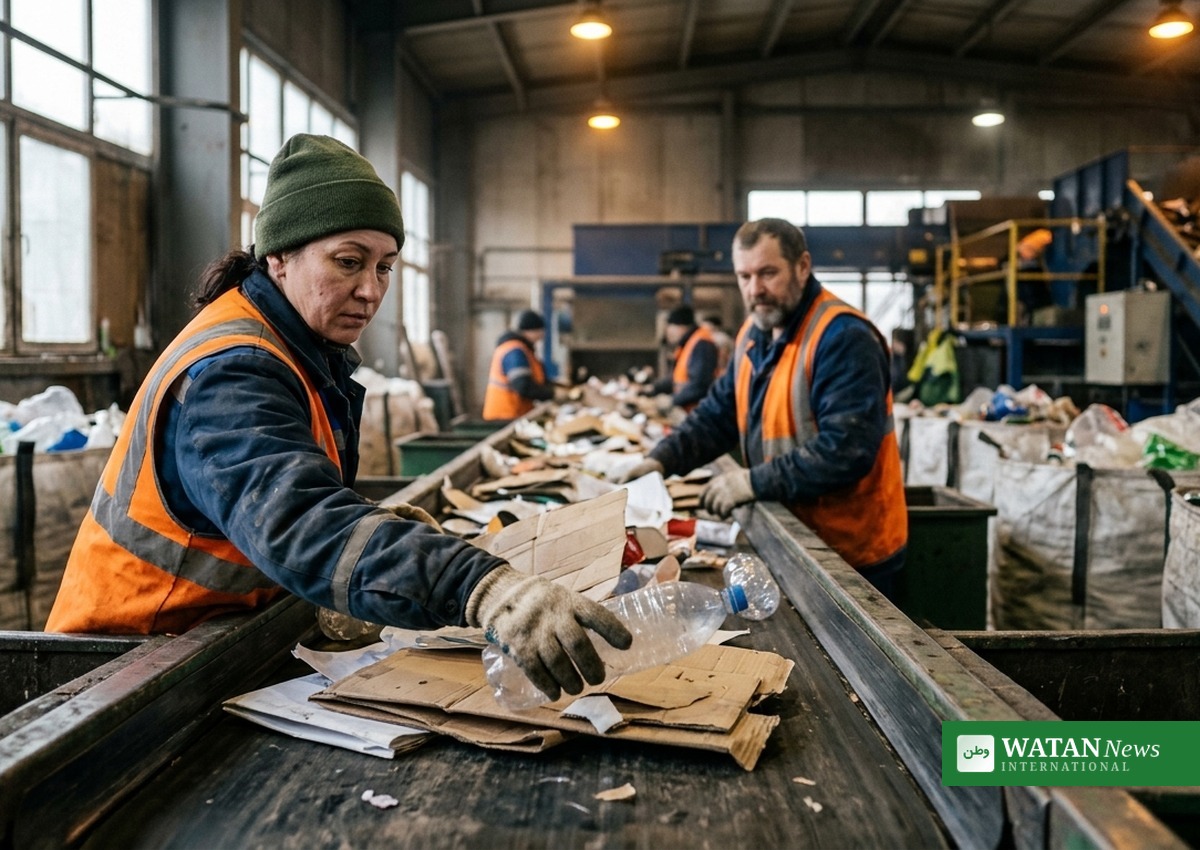
Türkiye has made zero waste one of the 10 priorities of its COP31 presidency. As world leaders gathered in Antalya on Wednesday, President Recep Tayyip Erdoğan urged countries to commit to a zero-waste initiative aimed at reducing emissions, telling the leaders’ summit that his country’s recycling rate had risen from about 13 percent in 2017, when the zero-waste movement began, to about 40 percent by the end of 2025.
“Some 90 million tons of waste have been brought back into our economy,” Erdoğan said. “We’ll not stop here and we will continue working and making every effort until we achieve the goal of zero waste.”
First Lady Emine Erdoğan, who attended the talks on Wednesday, has been a driving force behind the initiative, which aims to reduce methane emissions, cut food waste and promote a circular economy in which materials are reused and recycled. She chairs the UN Secretary-General’s Advisory Board of Eminent Persons on Zero Waste and is honorary president of the Zero Waste Foundation, whose president, Samed Ağırbaş, is also a COP31 High-Level Climate Champion.
The movement gained an international framework on 14 December 2022, when the UN General Assembly adopted the Zero Waste resolution proposed by Türkiye with the support of 105 countries, and 30 March was proclaimed the International Day of Zero Waste.
Why waste is a climate issue
Waste is not only a rubbish problem. Waste and food loss account for almost 10 percent of total greenhouse gas emissions, Adalberto Maluf, a senior official in Brazil’s environment ministry, told The Associated Press. Methane, much of it released as organic waste rots in landfills, is the second biggest cause of climate change after carbon dioxide, according to the UN.
The scale of the materials challenge is stark. According to the Circularity Gap Report 2025, only 6.9 percent of the materials used in the global economy come from secondary sources, and roughly 70 percent of global greenhouse gas emissions are linked to the extraction, processing and use of materials.
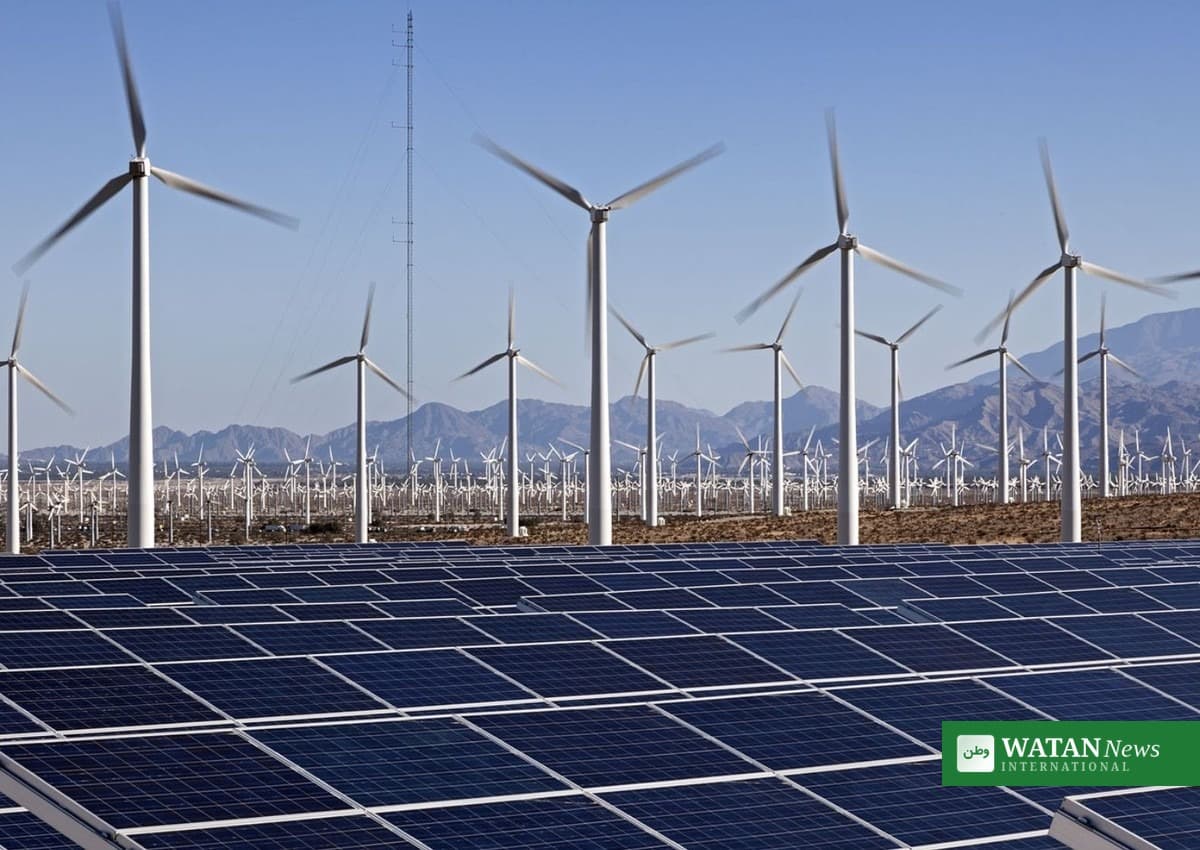
Recycling more could also ease pressure on mining. The International Energy Agency estimates that scaling up recycling could lower the need for new mining by between 25 and 40 percent by 2050 — a significant prospect as the world relies more on critical-mineral-dependent renewable technologies such as solar panels and batteries. Waste pickers at COP31 have separately demanded that climate money reach them directly, rather than going to incinerators.
The hard parts
For all the momentum, the zero-waste agenda faces hard questions. Türkiye itself has not signed the Global Methane Pledge, launched at the 2021 Glasgow talks, which aims to reduce methane emissions by at least 30 percent from 2020 levels by 2030. Türkiye is also the world’s fifth-biggest emitter of methane from solid waste, according to the emissions tracker Climate TRACE.
“The Zero Waste target is a good target. It definitely needs to be supported with concrete measures and further action,” Berk Butan, who heads the waste campaign for Greenpeace Türkiye, told the Associated Press. “But fundamentally, we also need to recognize its shortcomings.”
Food waste is especially difficult to recycle: it decomposes quickly, making separation and transport expensive, and many countries lack the specialised logistics it needs. And conference agreements are often nonbinding — past hosts have been criticised for failing to follow through on promises. Energy experts say the initiatives could slow global warming, but only if they are carried out.
FAKTA
- UNEP launches the Critical Middle Coalition at COP31 on Saturday, 14 November 2026, 13:15–14:45, in Side Event Room Purple, Blue Zone, Antalya.
- The “Critical Middle” covers aggregation, storage, processing, packaging, logistics, wholesale and distribution between farms and consumers.
- Türkiye’s recycling rate rose from about 13 percent in 2017 to about 40 percent by the end of 2025; 90 million tonnes of waste have been returned to the economy.
- Waste and food loss account for almost 10 percent of total greenhouse gas emissions.
- Only 6.9 percent of materials in the global economy come from secondary sources, according to the Circularity Gap Report 2025.
- Scaling up recycling could lower the need for new mining by 25 to 40 percent by 2050, the International Energy Agency estimates.
What happens next
The UNEP event will end with joint action messages and commitments from governments, cities, business and finance. The Critical Middle Coalition will then carry the work into national climate plans, investment pipelines and the remaining days of COP31, where the test will be whether the zero-waste language in speeches becomes funded action.