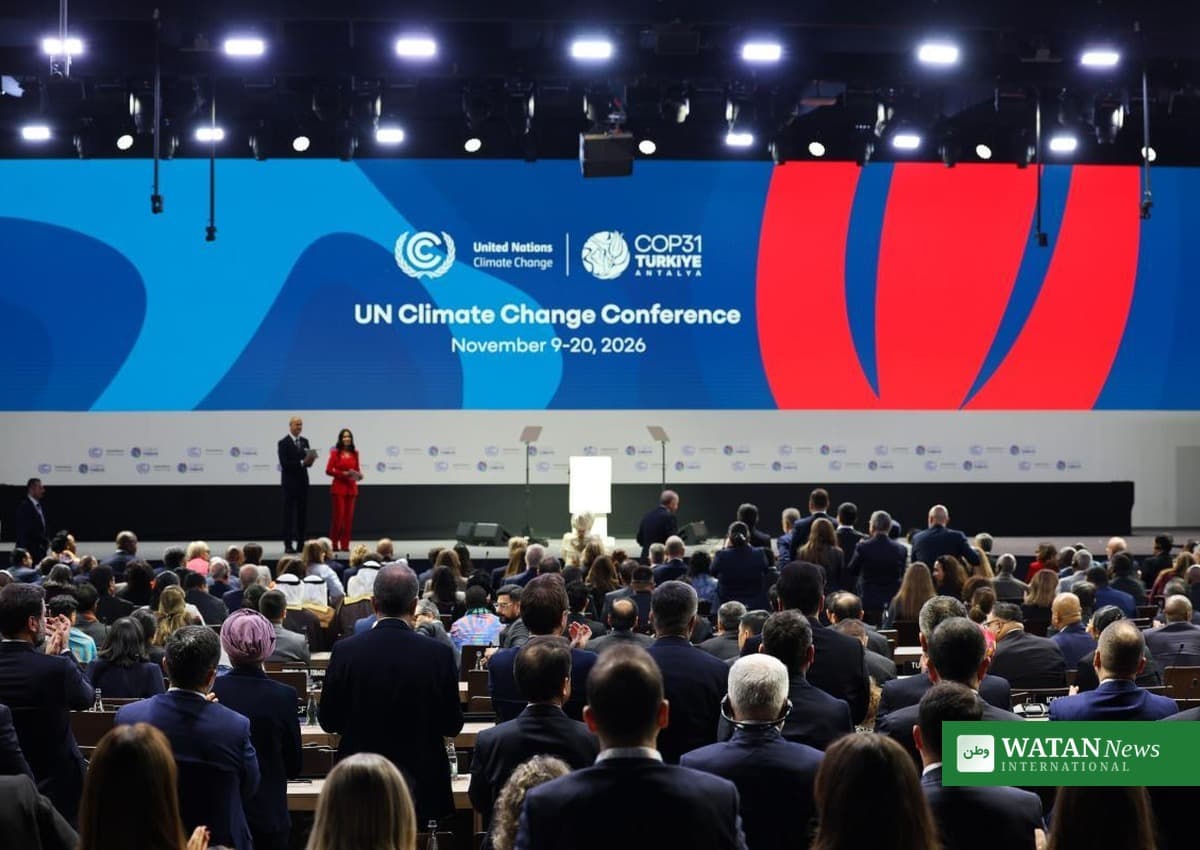
Antalya, Türkiye — While COP31 debates the future of aviation in Antalya, airlines from Asia and the Pacific have warned that the green fuel meant to clean up flying is still too expensive and too scarce to do the job. Sustainable aviation fuel costs between two and five times as much as conventional jet fuel, the Association of Asia Pacific Airlines (AAPA) said on 13 November, and production capacity, availability and pricing remain major barriers to cutting the sector’s emissions.
AAPA director general Wong Hong told the association’s 70th Assembly of Presidents in Kuala Lumpur that airlines should not be expected to carry the cost of the switch alone. “The reality is that the transition remains difficult, expensive and uneven,” he said. “SAF is central to our industry’s ambitions, but production capacity, availability and pricing remain significant barriers.”
Key facts
- Sustainable aviation fuel typically costs two to five times more than conventional jet fuel (AAPA, 13 November 2026).
- IATA estimates the fuel could deliver up to 65 per cent of the emissions cuts aviation needs for net-zero by 2050.
- The fuel is less than one per cent of all jet fuel used worldwide.
- ICAO says certified supplies more than doubled in 2025, cutting about 1.1 million tonnes of carbon dioxide.
- CORSIA offsetting will cover routes connecting 134 states from 2027; first-phase credit demand could reach 200 million tonnes (Reuters).
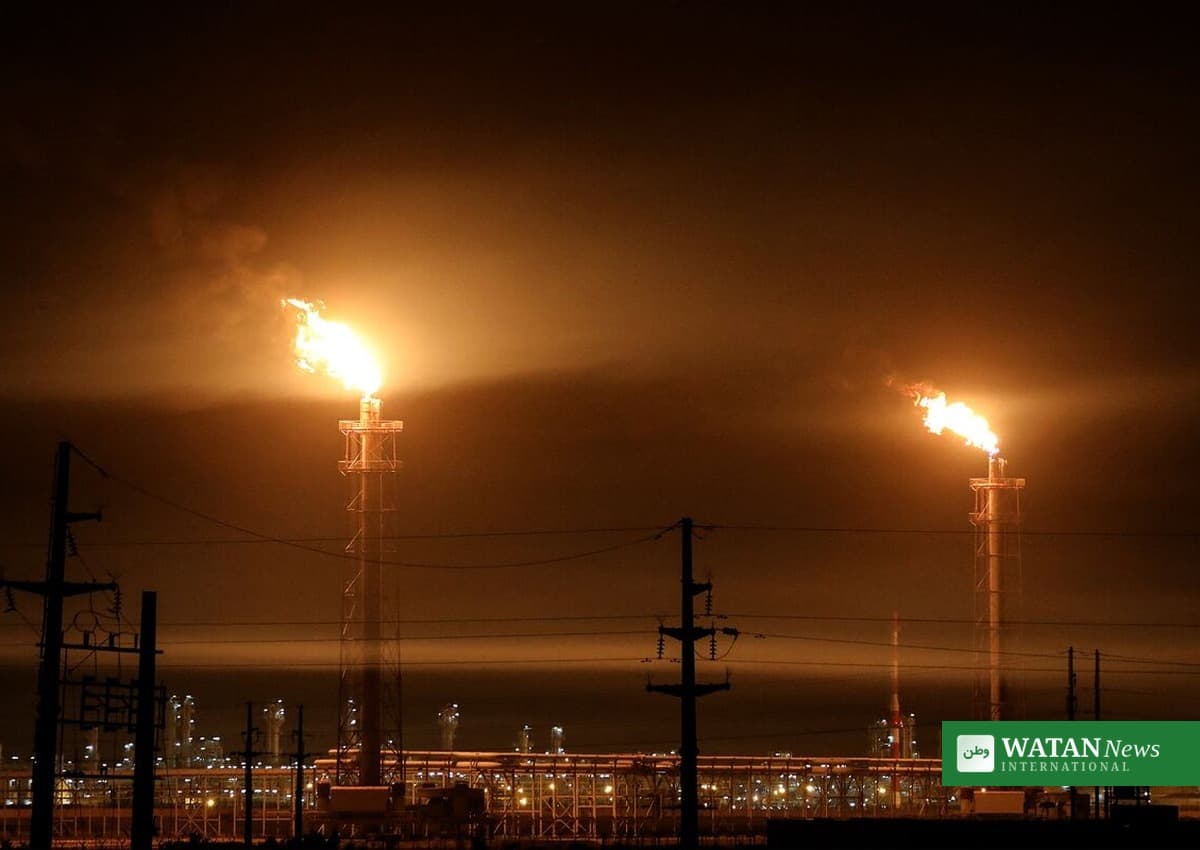
- Transport produces 16.3 per cent of greenhouse gas emissions; 95.4 per cent of its energy still comes from fossil fuels (SLOCAT).
Airlines: the fuel is central, but the maths does not work yet
Jet fuel already accounts for roughly a third of airlines’ operating costs, and prices have climbed to about $185 to $186 a barrel — a level Wong described as “not normal and not sustainable”. At today’s prices for sustainable aviation fuel, he warned, “the challenge is to make sure we don’t end up flying greener while our financial performance turns redder”.
The association, which counts 18 member airlines, also warned that rigid blending mandates without production incentives would price ordinary travellers out of the market. Instead, Wong called for governments, fuel producers, airports and investors to share the responsibility for supporting the shift to greener fuel.
Supply chains are adding to the pressure. Airlines face a global backlog of about 16,000 aircraft, with delivery delays, limited engine availability and maintenance bottlenecks restricting fleet renewal — the other main route to lower emissions per flight.
Why sustainable aviation fuel matters
Sustainable aviation fuel is made from sources such as used cooking oil, biomass waste, agricultural residues, renewable energy and captured carbon. It can be used in existing jet engines, and the International Air Transport Association estimates it could deliver up to 65 per cent of the emissions cuts aviation needs to reach net-zero carbon emissions by 2050.
But the fuel still accounts for less than one per cent of all jet fuel used worldwide, according to industry estimates — so the gap between ambition and supply is wide.
What COP31 is doing about aviation
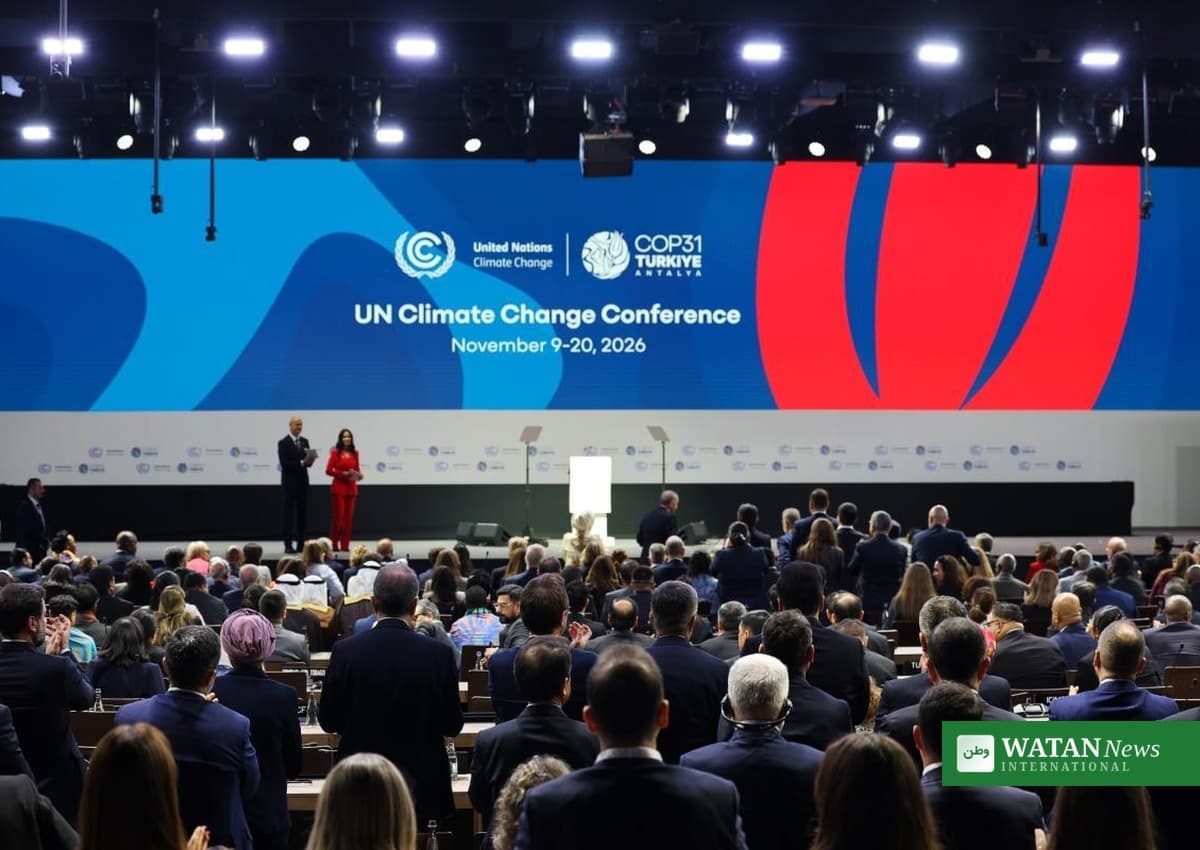
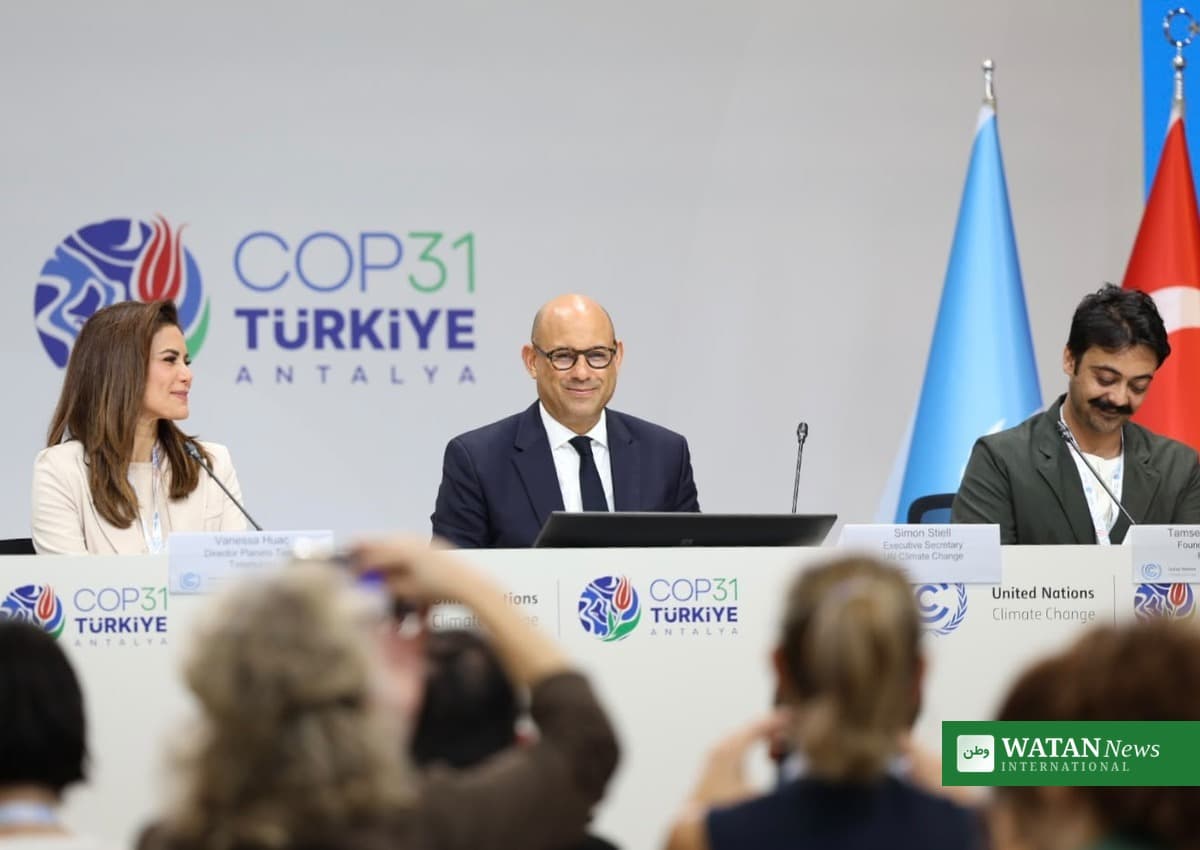
Aviation is firmly on the COP31 agenda in Antalya. The conference held an Energy and Transport thematic day on 10 November, and the International Civil Aviation Organization (ICAO) is at the summit promoting cleaner aviation energy, its CORSIA offsetting scheme and a circular-economy approach to the sector.
ICAO says certified supplies of sustainable aviation fuel more than doubled in 2025, cutting an estimated 1.1 million tonnes of carbon dioxide. From 2027, offsetting requirements under CORSIA will cover routes connecting 134 states. But Reuters reported from COP31 that demand for CORSIA credits in the scheme’s first phase could reach 200 million tonnes while available supply covers at most a quarter of it — a warning that the offset market, like the fuel market, is short of supply.
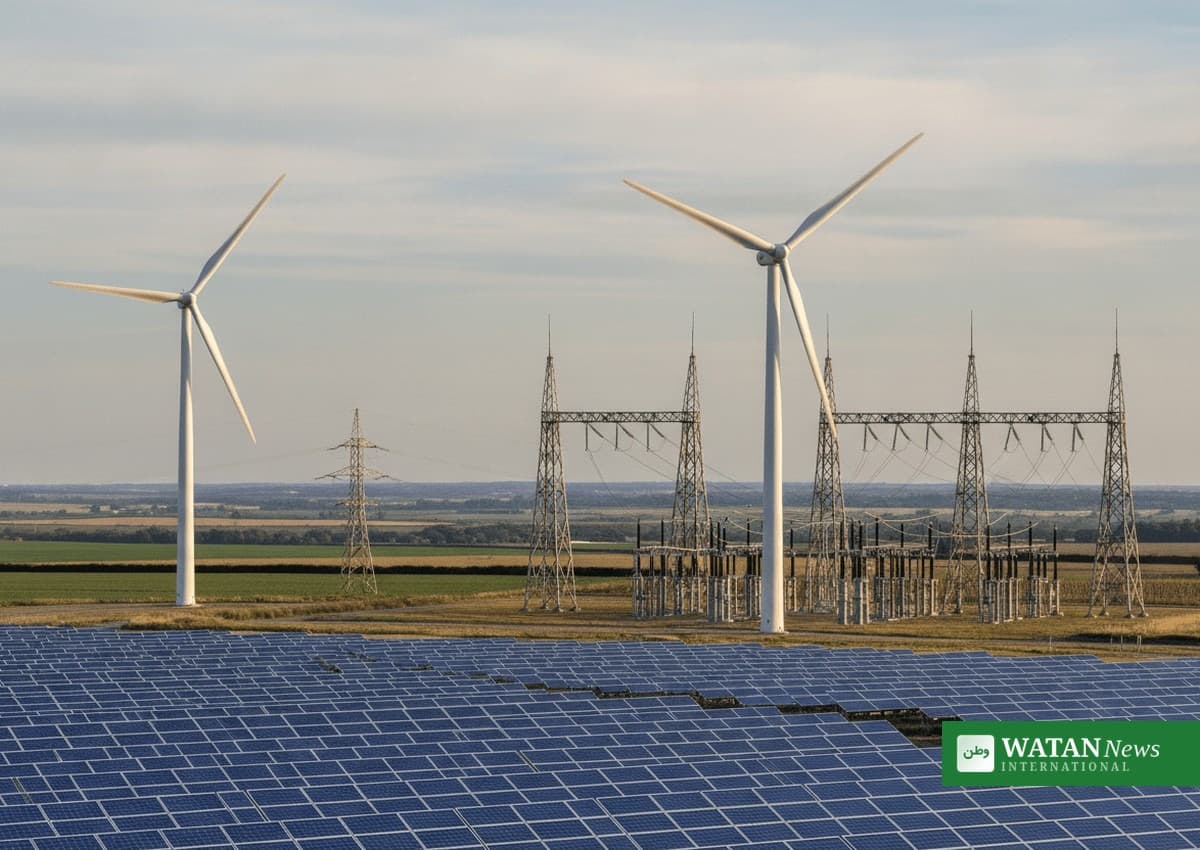
The COP31 presidency is also pushing its “35 by 35” electrification pledge, which aims to raise electricity’s share of global final energy consumption from about 20 per cent today to 35 per cent by 2035 — a shift that includes electrifying transport. Transport produces 16.3 per cent of greenhouse gas emissions, and 95.4 per cent of its energy still comes from fossil fuels, according to the SLOCAT partnership.
Read more: 87 private jets flew into COP31 in Antalya, Oxfam found — and COP31 Transport Day put green freight corridors at the centre of the climate fight.
What airlines want instead
AAPA’s message is not that aviation should abandon sustainable aviation fuel — it is that the transition needs shared investment. Production must scale up, prices must come down, and mandates must come with incentives, the association argues. Without that, airlines say, the cost will land either on their balance sheets or on ticket prices.
For COP31, the warning is a reality check. The summit has heard ambitious pledges on electrification, offsets and green fuel — but in Kuala Lumpur, the airlines that would have to buy the fuel said the market is not yet ready to deliver it at a price flying can afford.