The Earth’s climate system is destabilising fast, according to the 2026 State of the Climate report, a peer-reviewed annual assessment published in the journal BioScience. Seven of the 16 planetary vital signs tracked by the international research team now stand at record extremes, while several others show accelerating or abruptly shifting trends.
The report is the seventh annual edition of its kind. It is co-led by William J. Ripple of Oregon State University and Christopher Wolf of Terrestrial Ecosystems Research Associates, with researchers from institutions including the University of Pennsylvania, the Potsdam Institute for Climate Impact Research, Australian National University, Nanjing University and the University of Sydney.
Seven records at once
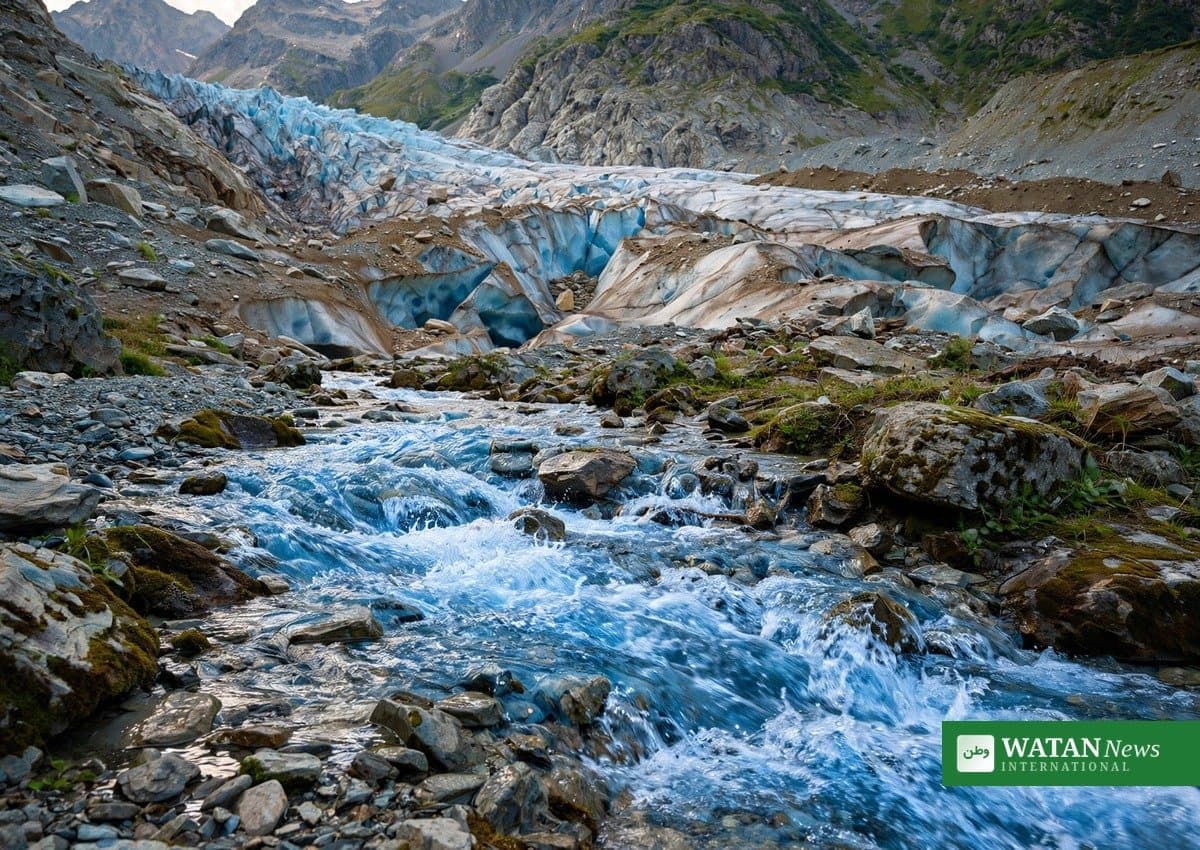
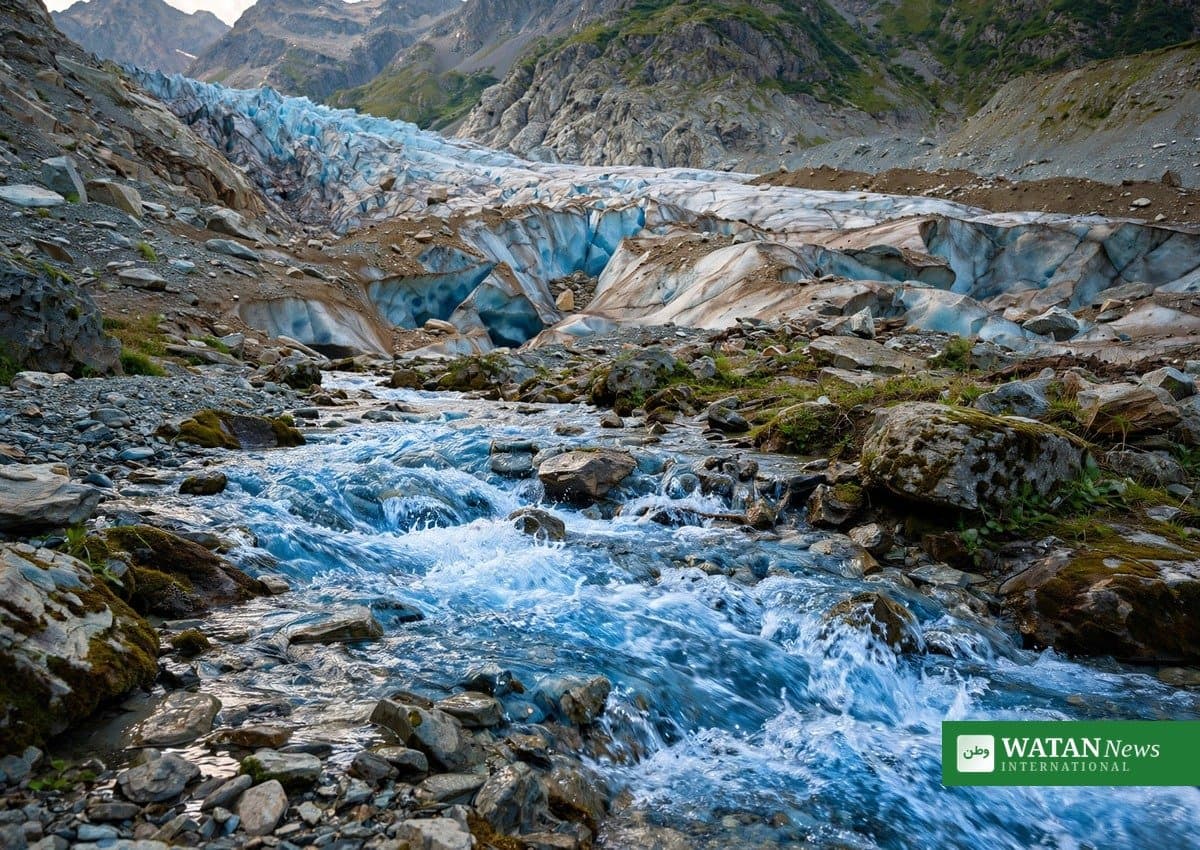
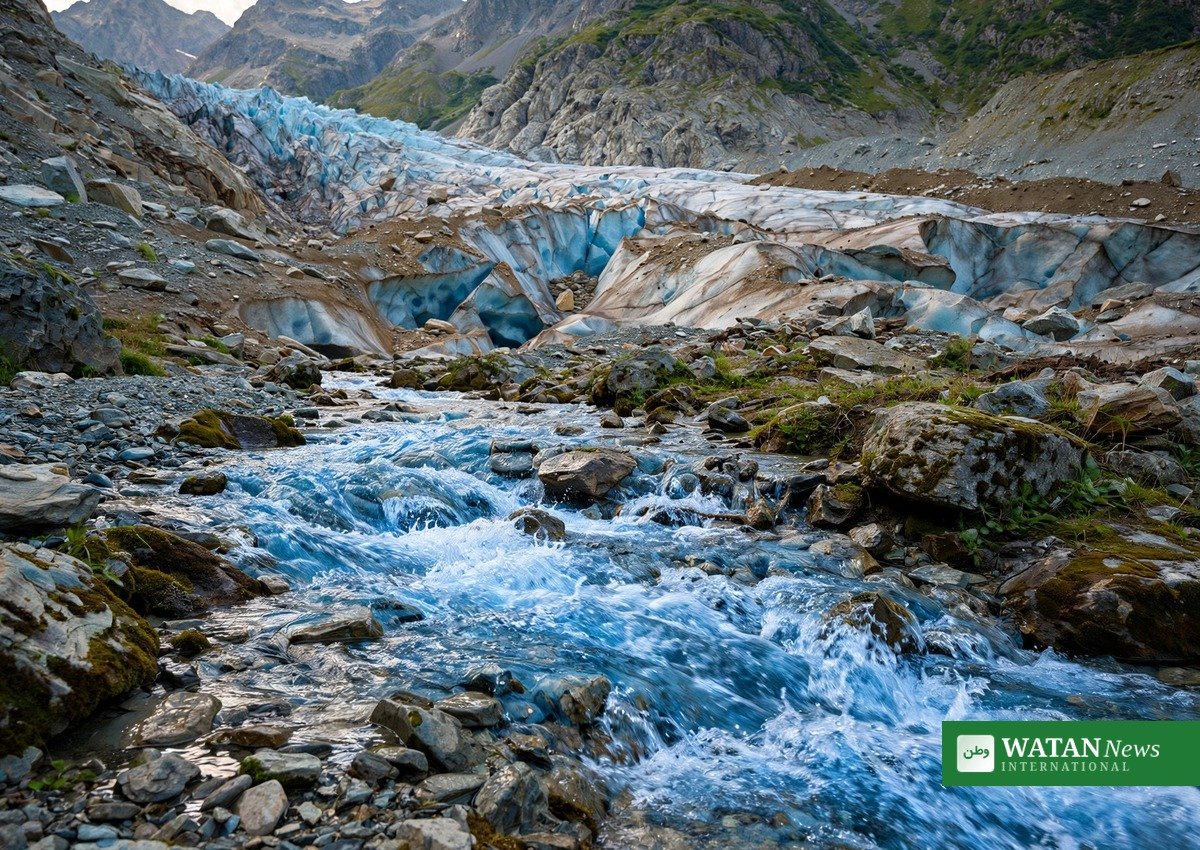
The seven indicators at record extremes are global sea level, global ocean heat content, worldwide glacier thickness, the mass of the Greenland ice sheet, and the atmospheric concentrations of the three main long-lived greenhouse gases: carbon dioxide, methane and nitrous oxide. Glacier thickness and Greenland ice mass are at record lows; the other five are at record highs.
Atmospheric carbon dioxide breached 428 parts per million in May 2026, about 50 percent above pre-industrial levels, according to the report. Energy-related carbon dioxide emissions exceeded 41 gigatonnes in the most recent year covered, for the first time, while fossil fuel consumption rose by 0.9 percent.
Warming is speeding up
The report finds the rate of global warming has roughly doubled, from about 0.19 degrees Celsius per decade between 1970 and 2010 to about 0.36 degrees Celsius per decade since 2010. The authors warn that feedbacks from permafrost, wetlands and wildfires could add a further 20 to 30 percent to warming by 2100.
A single record year does not by itself prove that a trend is accelerating, and the report separates indicators at record extremes from indicators whose rate of change is genuinely speeding up. Several indicators, however, show both: records and acceleration. The authors point to tipping risks including the slowing of the Atlantic Meridional Overturning Circulation, the vulnerability of the Amazon rainforest, and the accelerated melting of the Greenland and West Antarctic ice sheets.
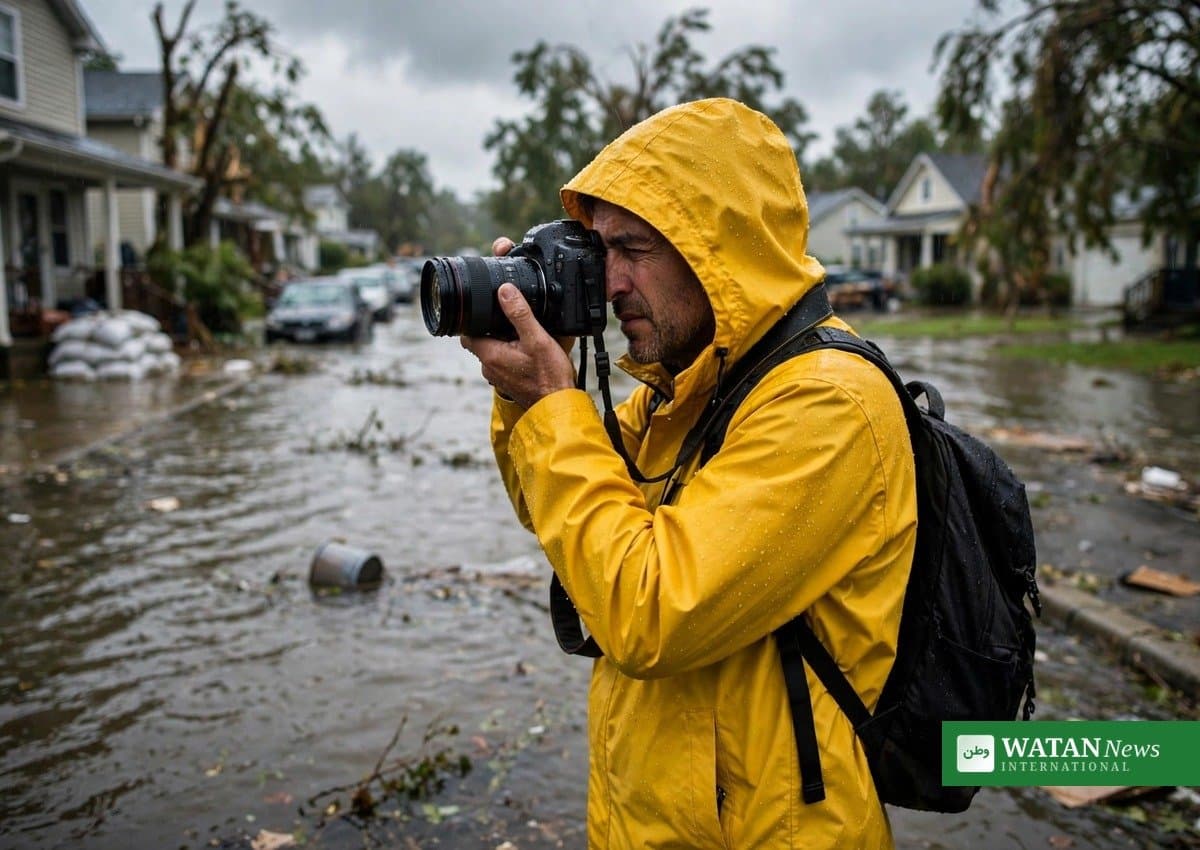
The human cost is set out in the report’s examples of recent extremes, which it says were at least partly attributable to climate change: Hurricane Melissa in October 2025, which caused 95 deaths and more than 12 billion dollars in damage across the Caribbean, a storm combined with monsoon rains in Indonesia in November 2025 that killed 708 people, and a severe heatwave in Europe in June 2026 estimated in preliminary figures to have claimed about 14,000 lives.
Progress — but far from enough
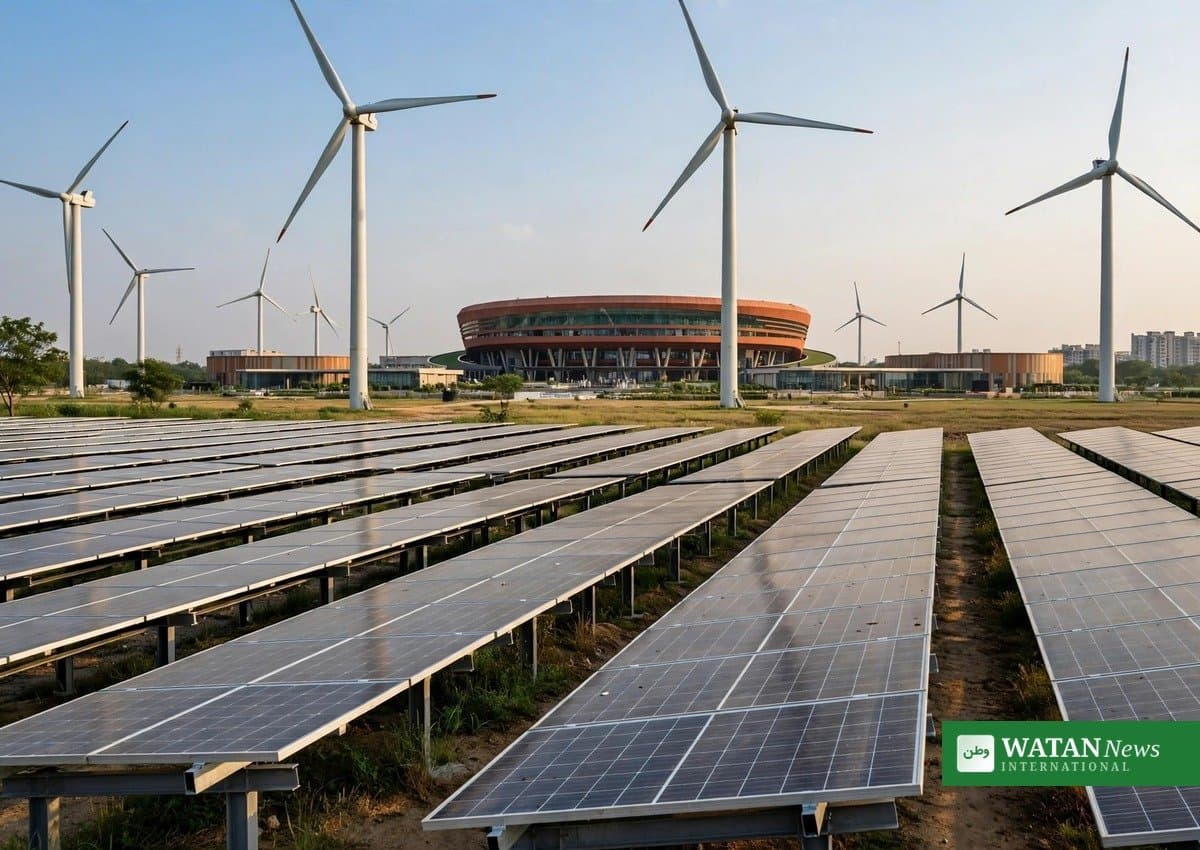
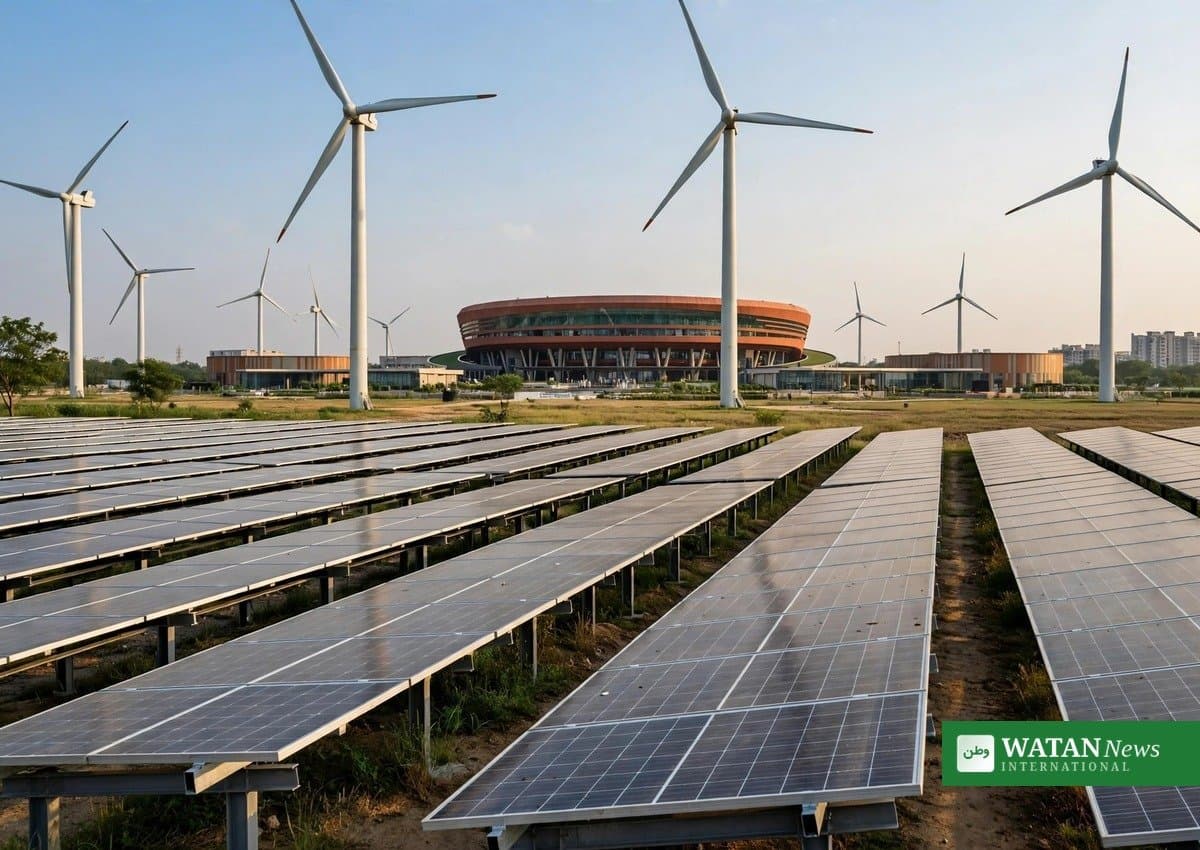
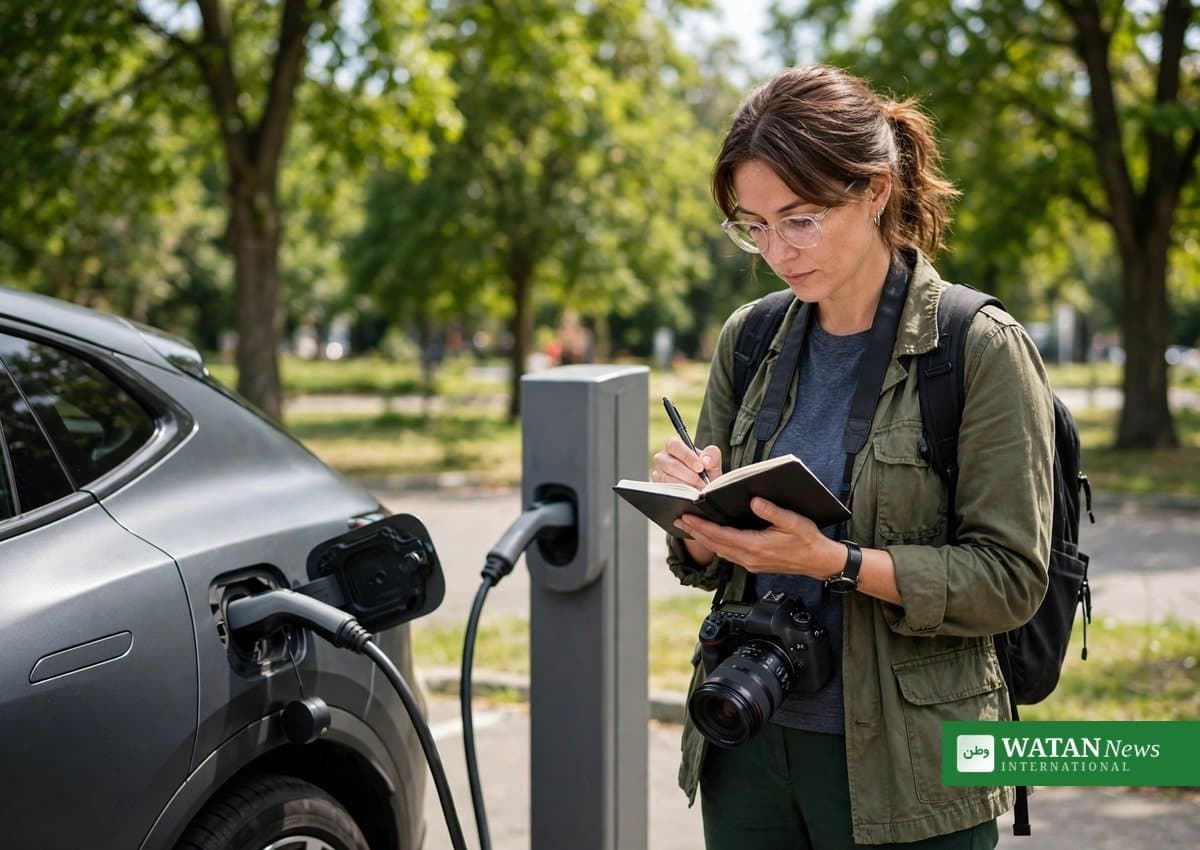
There is one clear sign of change in the energy system. In 2025, low-carbon sources provided roughly 43 percent of global electricity generation, and renewables surpassed coal globally, according to the report. Renewable electricity and battery storage are expanding rapidly.
That progress, the authors stress, remains far below the scale and speed needed to stabilise the climate system. Their prescription is direct: rapid reductions in greenhouse gas emissions, effective adaptation, ecosystem protection and transformative societal change. As co-lead author William Ripple put it in reporting of the study, rapid destabilisation is now a diagnosis of the present, not a warning about the future.
The assessment lands one week before COP31, the United Nations climate conference that opens in Antalya, Türkiye, on 9 November 2026, where implementation, adaptation and finance are central themes. For more climate coverage, see the Climate section on Watan News.
Key facts
- Report: The 2026 State of the Climate report, published in BioScience, the seventh annual edition.
- Indicators: 16 planetary vital signs tracked; seven at record extremes.
- Records: sea level, ocean heat content, glacier thickness (record low), Greenland ice mass (record low), and carbon dioxide, methane and nitrous oxide concentrations.
- Carbon dioxide: above 428 parts per million in May 2026, about 50 percent above pre-industrial levels.
- Warming rate: about 0.36 degrees Celsius per decade since 2010, roughly double the 0.19 degrees per decade of 1970 to 2010.
- Energy: low-carbon sources supplied about 43 percent of global electricity in 2025; renewables passed coal globally.