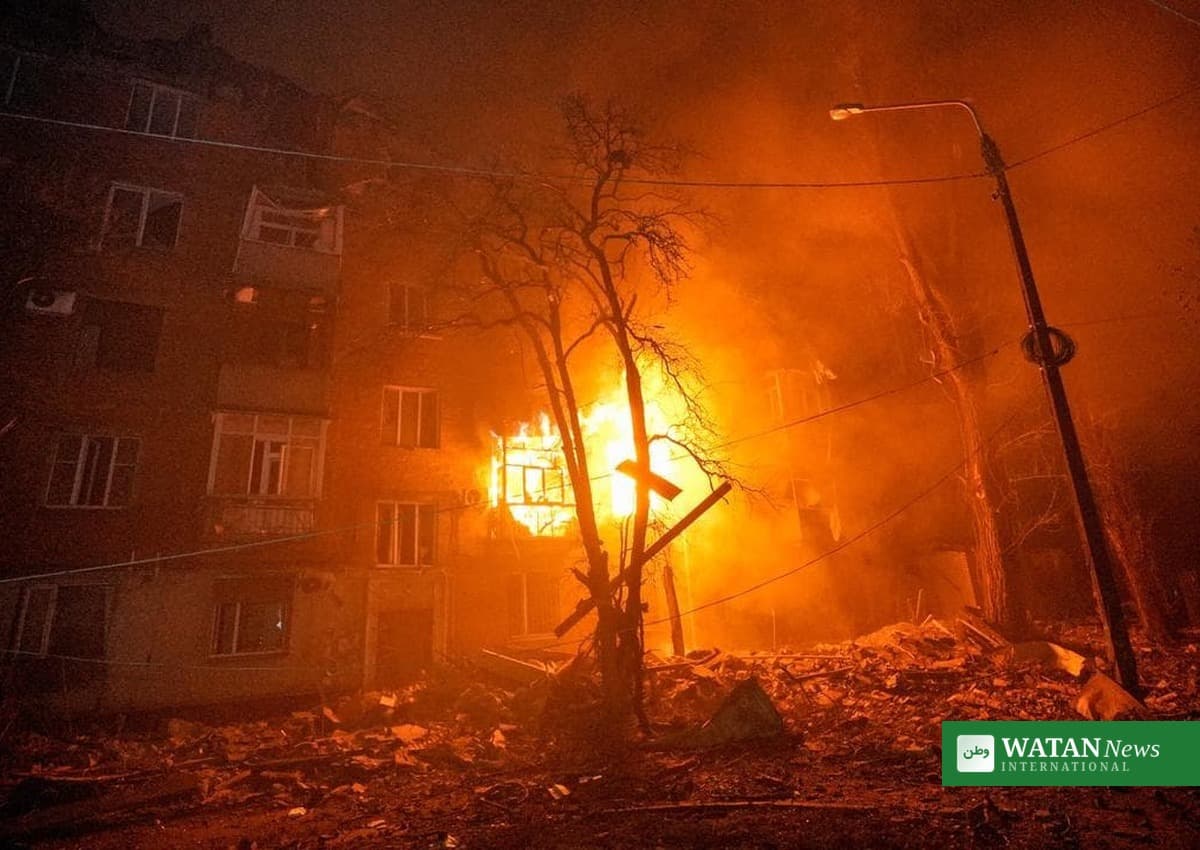
Ukraine’s air raid alert app was hacked on Sunday night, sending false nuclear and chemical warnings to phones across the country, and Russia’s emergency app was hit by a cyberattack hours later. The Ukraine air raid alert app is the system millions of Ukrainians rely on to know when to take shelter, and officials moved quickly to tell the public there was no radiation threat.
The false alerts arrived minutes before a localised ceasefire in the Kherson region expired, in what news outlets described as an apparent exchange of cyberattacks between the two countries’ emergency warning systems.
FAKTA
- What happened: Ukraine’s Air Alert app sent false radiation, chemical and street-fighting warnings on Sunday night, 1 November; Russia’s Emergencies Ministry app was hit by a cyberattack early on Monday, 2 November.
- Ukraine: The Air Force said the app had probably suffered hostile interference and confirmed there was no radiation threat.
- Russia: The Emergencies Ministry said hackers sent false information, including a claim that nuclear warheads had been launched at all Russian regions.
- Blame: Ukraine’s strategic communications centre blamed Russia for the Ukrainian app hack; Russia did not say who was behind the attack on its app, and no group has publicly claimed responsibility.
- Context: The incidents came as the six-day localised ceasefire in the Kherson region, in place since 27 October, came to an end.
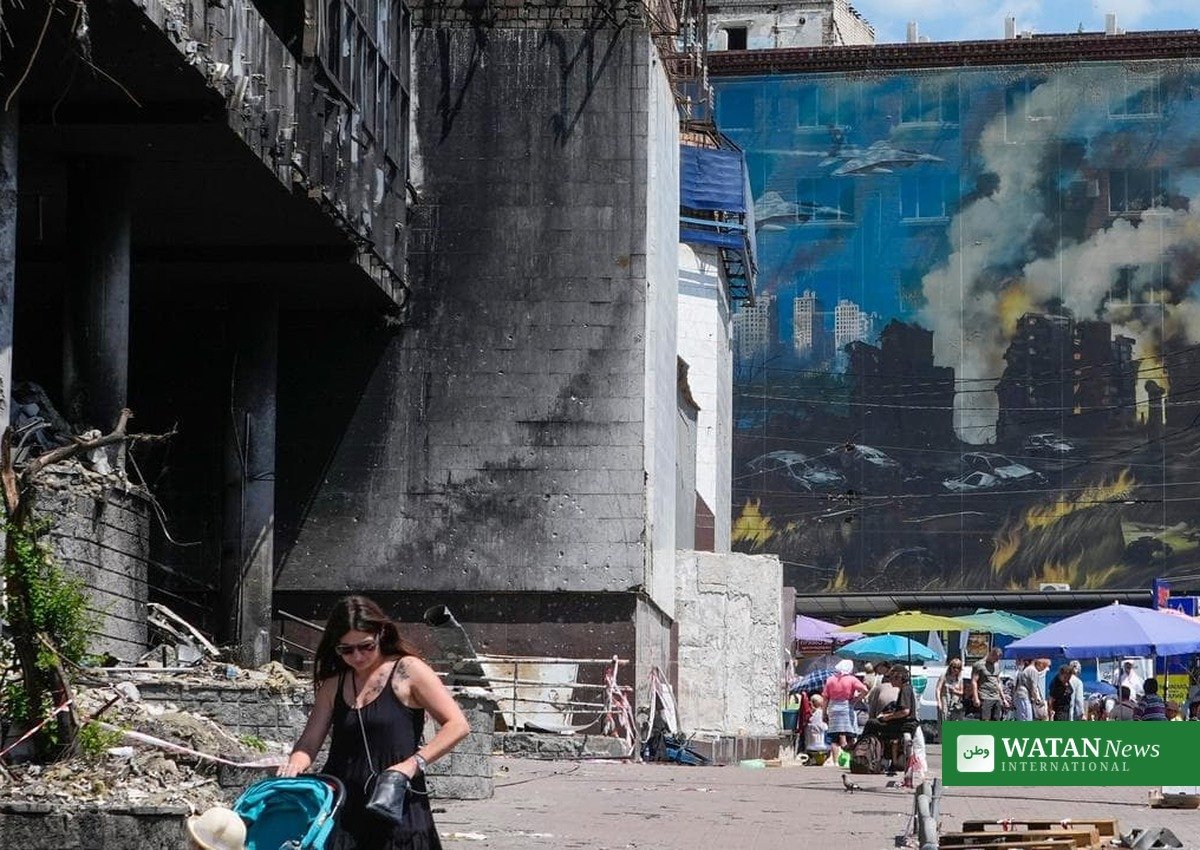
How the Ukraine air raid alert app was hacked
According to the BBC’s account of the night, the false alerts began at 22:47 local time on Sunday. Red-level air raid warnings appeared to be issued nationwide, and a radiation threat was declared for Kyiv. A minute later, a message in Russian claimed a nuclear alert across Ukraine because an Oreshnik missile was in flight. Further alerts warned of a chemical attack on Kyiv and of street fighting in the capital, telling people to stay indoors.
Ukraine’s Air Force said on Telegram about ten minutes after the first alerts that the application had probably been subjected to hostile interference. “There is no radiation threat! Stay calm and follow our updates on our channel!” it said. Air Force spokesman Yuriy Ihnat later confirmed that the app had been hacked. All-clear messages arrived at around 23:53, and the country’s Digital Transformation Ministry temporarily disabled the app while developers worked to restore it.
Officials stressed that other warning channels kept working. Air raid sirens continued to function, and Kyiv’s separate Kyiv Digital app was unaffected. The governor of the Vinnytsia region warned residents not to click links contained in some of the false messages, amid concern they could lead to phishing sites.
Russia’s emergency app hit hours later
Early on Monday, Russia’s Emergencies Ministry said its own mobile application had suffered a “massive cyberattack” that enabled attackers to send false information to the public. According to reports of the ministry’s statement, one false alert claimed that nuclear warheads mounted on Ukrainian attack drones had been launched at all regions of Russia, and told people to stock up urgently on food for three weeks and hide.
The ministry did not immediately say who was behind the attack on its app. Specialists were working to restore it, and the ministry said the breach had not affected the national public-alert system.
Who is blamed, and what is not proven
Ukraine’s Centre for Strategic Communications, known as SPRAVDI, blamed Russia for the hack of the Ukrainian app. The BBC also reported that a Ukrainian partisan group, Atesh, said on Telegram that the app was hacked and published a screenshot of a purported alert, which the BBC could not verify. No group has publicly claimed responsibility for either incident, and it has not been independently established whether the two attacks were connected or carried out by the same actors.
That distinction matters: two incidents hours apart do not by themselves prove retaliation or a coordinated campaign, and officials in both countries said their wider public-warning arrangements remained operational.
Why it matters as the Kherson truce ends
The false alerts came just minutes before the Kherson ceasefire officially ended at 23:00 on Sunday. The truce, limited to the Kherson region, had run from 27 October to 1 November and was the longest localised pause in fighting of the war so far. Its end has raised fears of a return to full-scale strikes in the region, and the targeting of the very apps civilians use to decide when to seek shelter adds a new layer of danger to the war’s information front.
For readers following the war in Europe, the episode is a reminder of how much modern civil defence now depends on a phone notification — and how quickly false information can spread when that channel is compromised. More on Europe can be found on Watan News Europe.