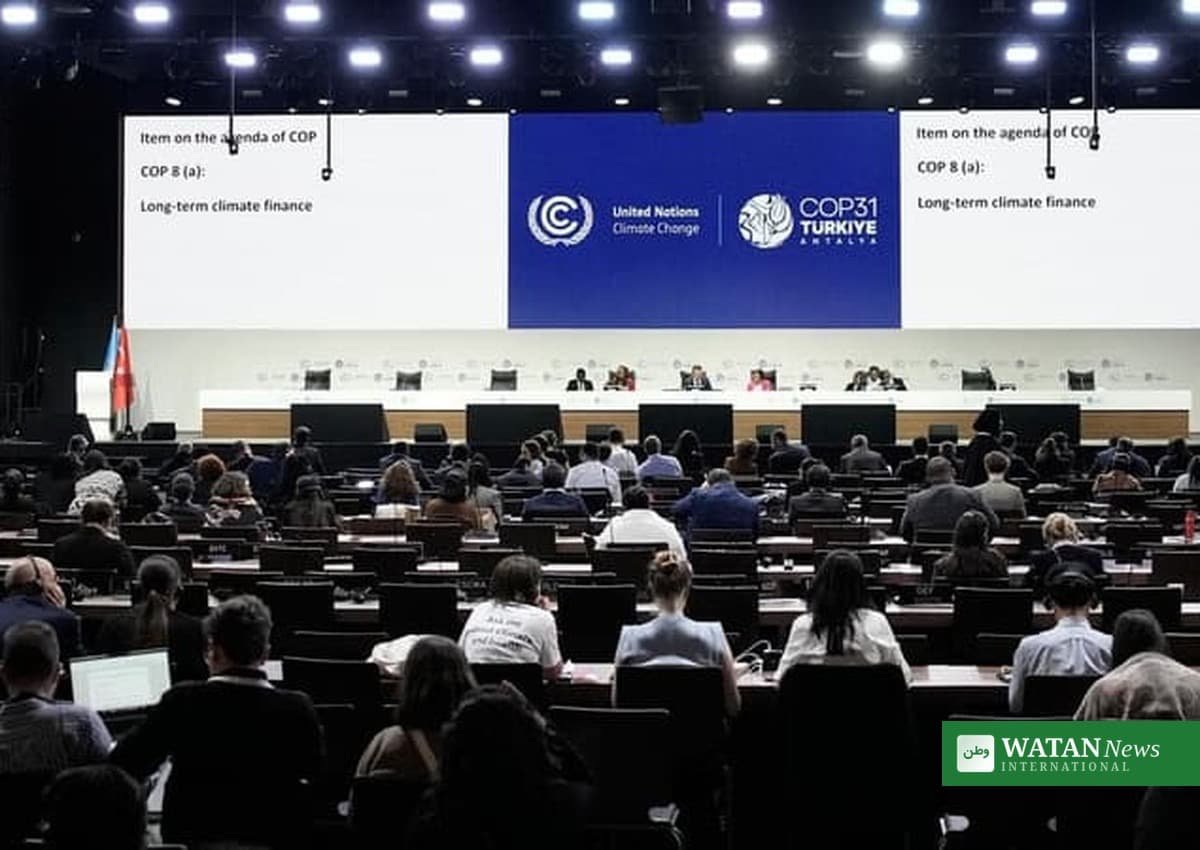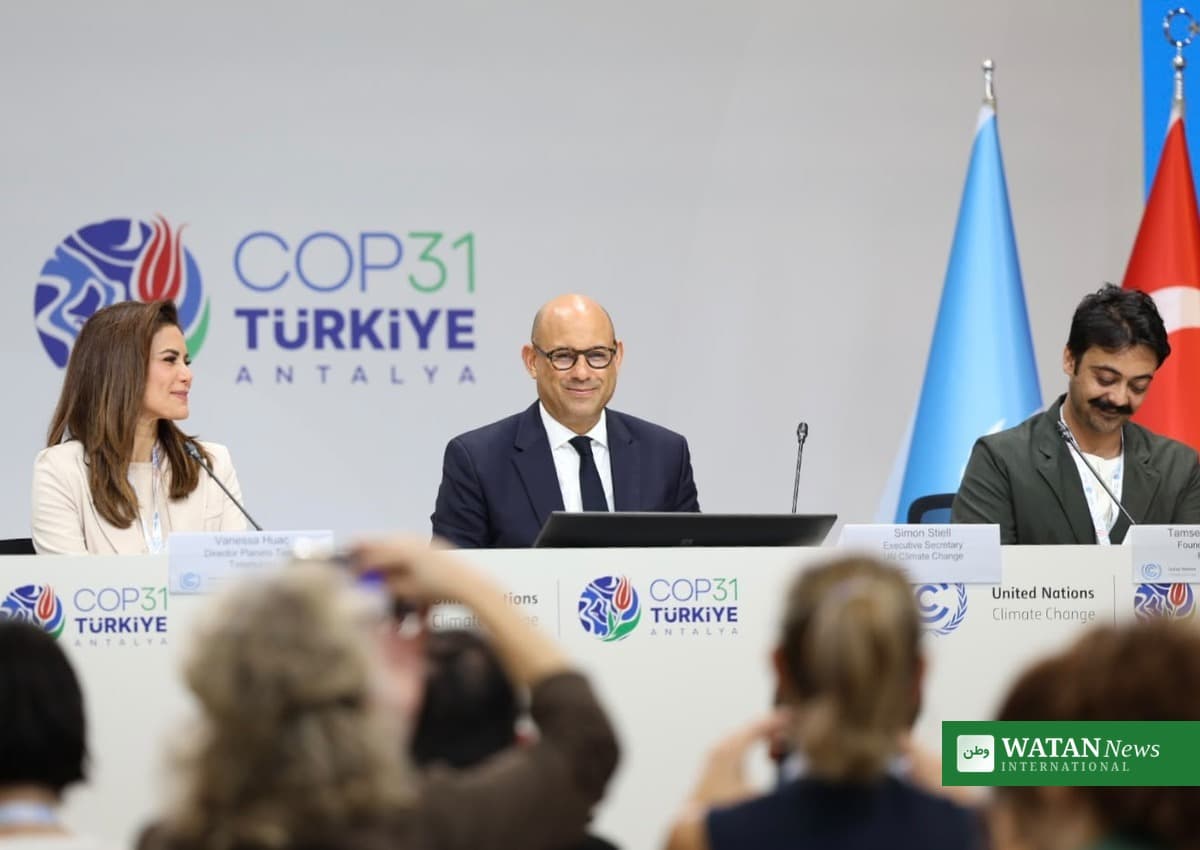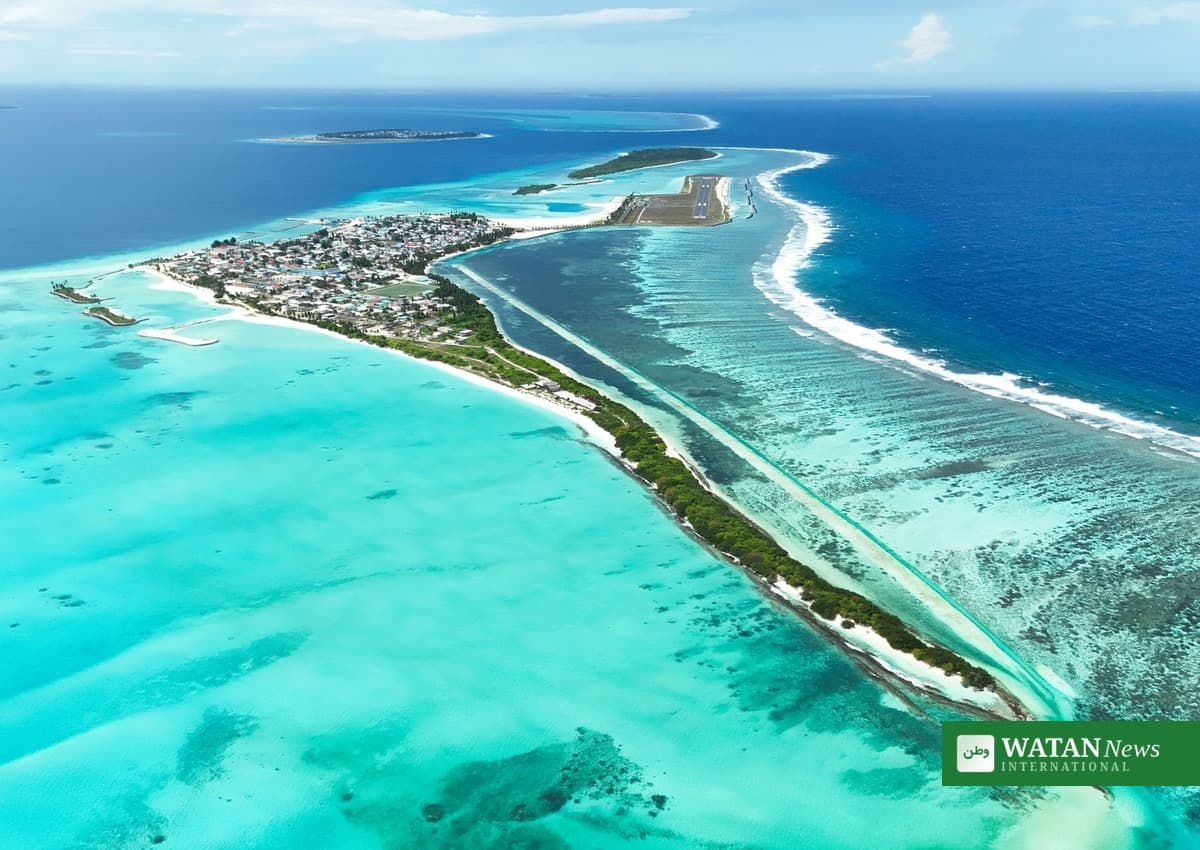
A new international coalition for coastal tourism was launched at the COP31 climate conference in Antalya, Türkiye, on 17 November 2026, bringing travel businesses together to protect the beaches, reefs and coastal communities their industry depends on.
A new group for coastal destinations
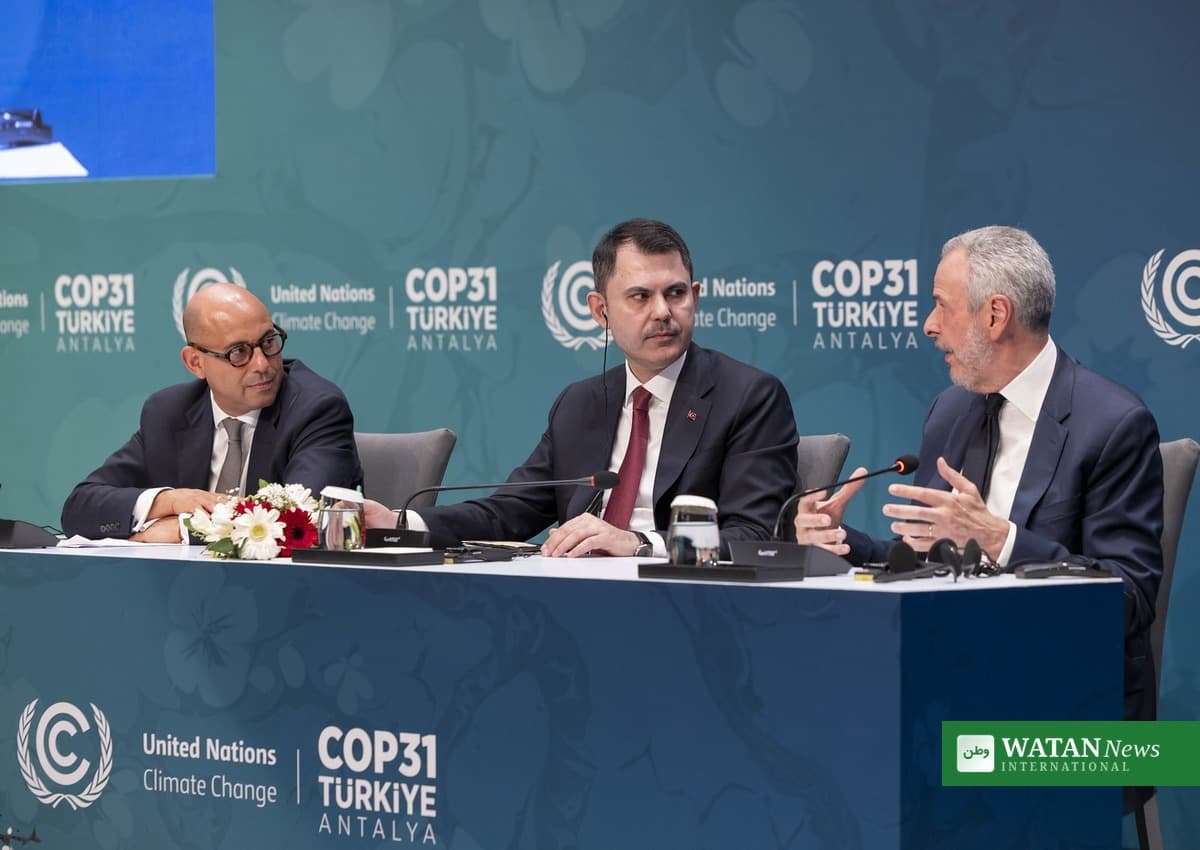
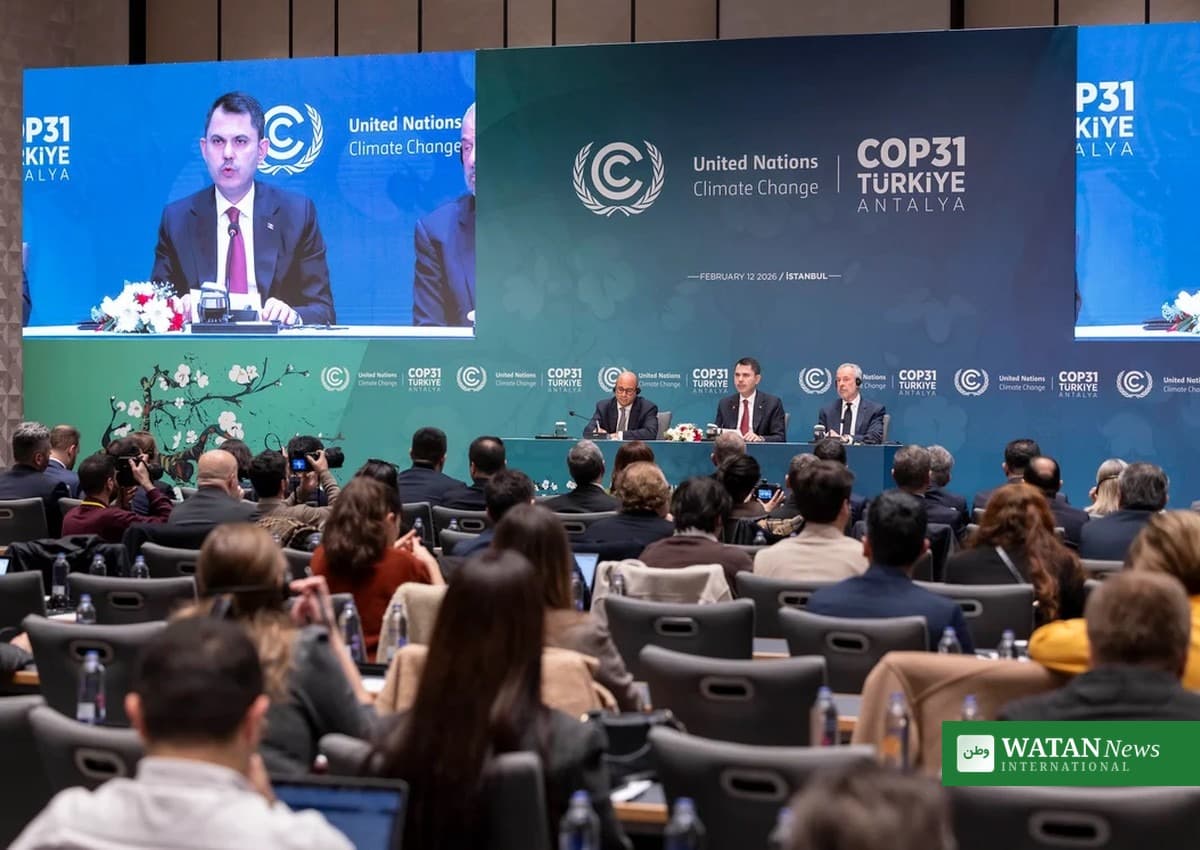
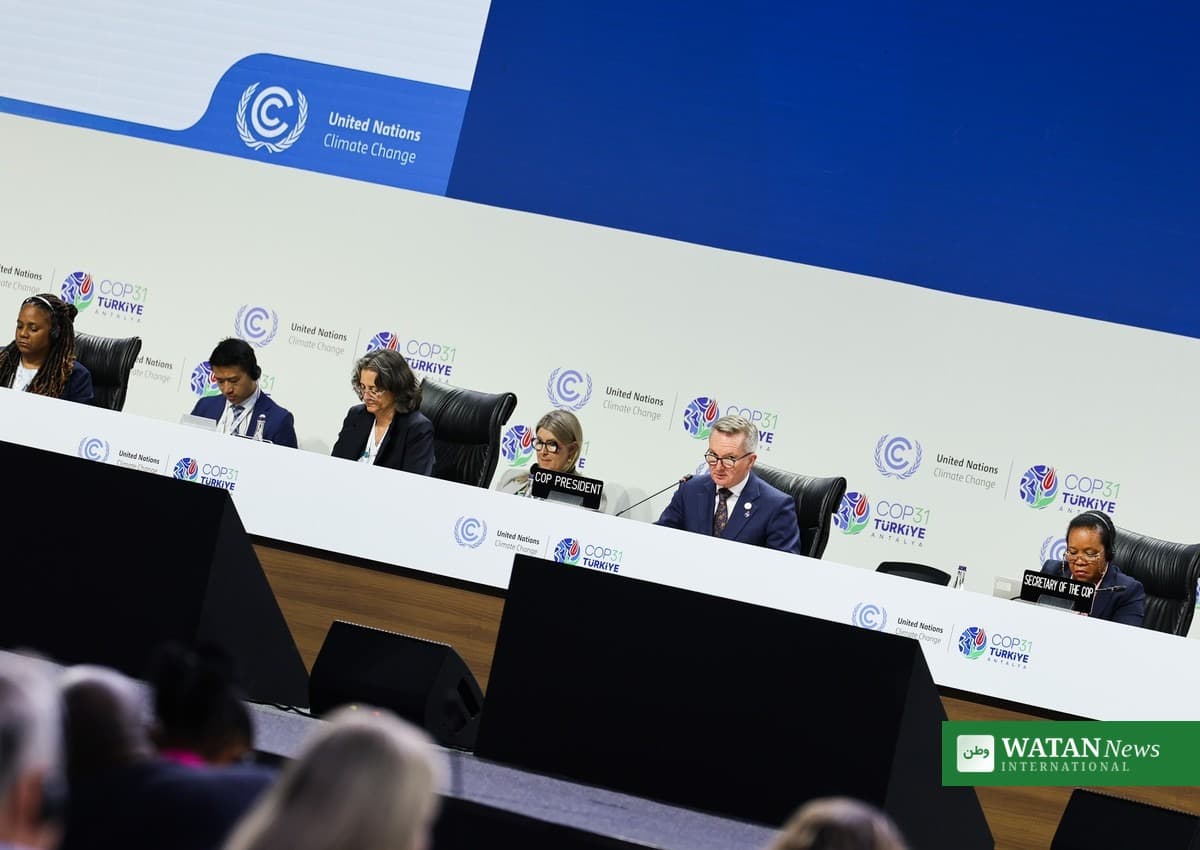
The Ocean Catalyst Group was announced by the World Travel & Tourism Council (WTTC), Iberostar Group, Intrepid Travel and the Ocean & Climate Platform during COP31’s Ocean Day. The launch took place at a COP31 Spotlight Event titled “Delivering and Powering Resilient Coastal Destinations: Accelerating Implementation through Ocean Breakthroughs”, organised by the Coastal Tourism Breakthrough together with the Ocean Renewable Energy Breakthrough.
The group is a voluntary private-sector working group. It will identify shared priorities, develop partnerships and help drive action and investment in coastal destinations, while members keep the flexibility to join the initiatives most relevant to their businesses.
Why coastal tourism needs protection
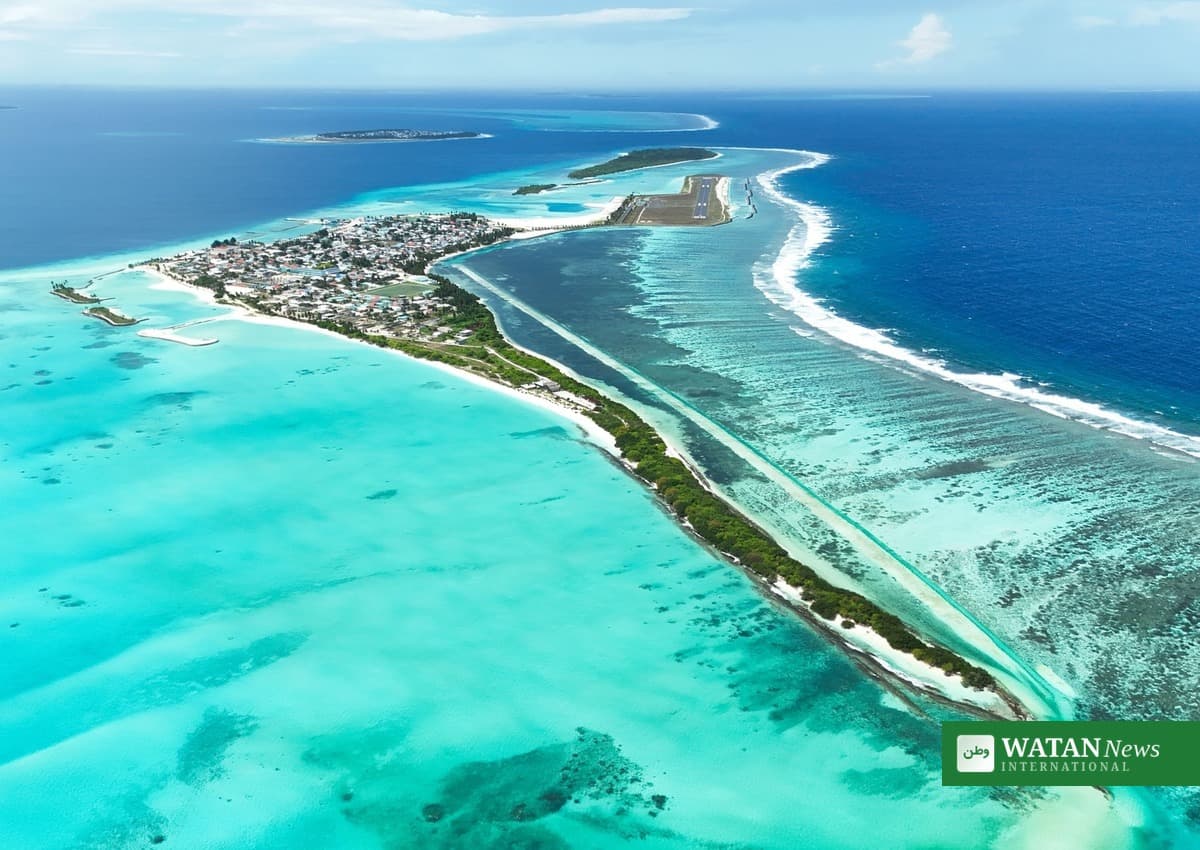
Coastal and marine tourism generated approximately US$3.3 trillion in global GDP and supported around 100 million jobs in 2023, including jobs created through supply chains, according to WTTC. Its future depends on healthy ecosystems, reliable energy and water, and thriving communities — all under growing pressure from climate change, including rising seas, warming oceans and stronger storms.
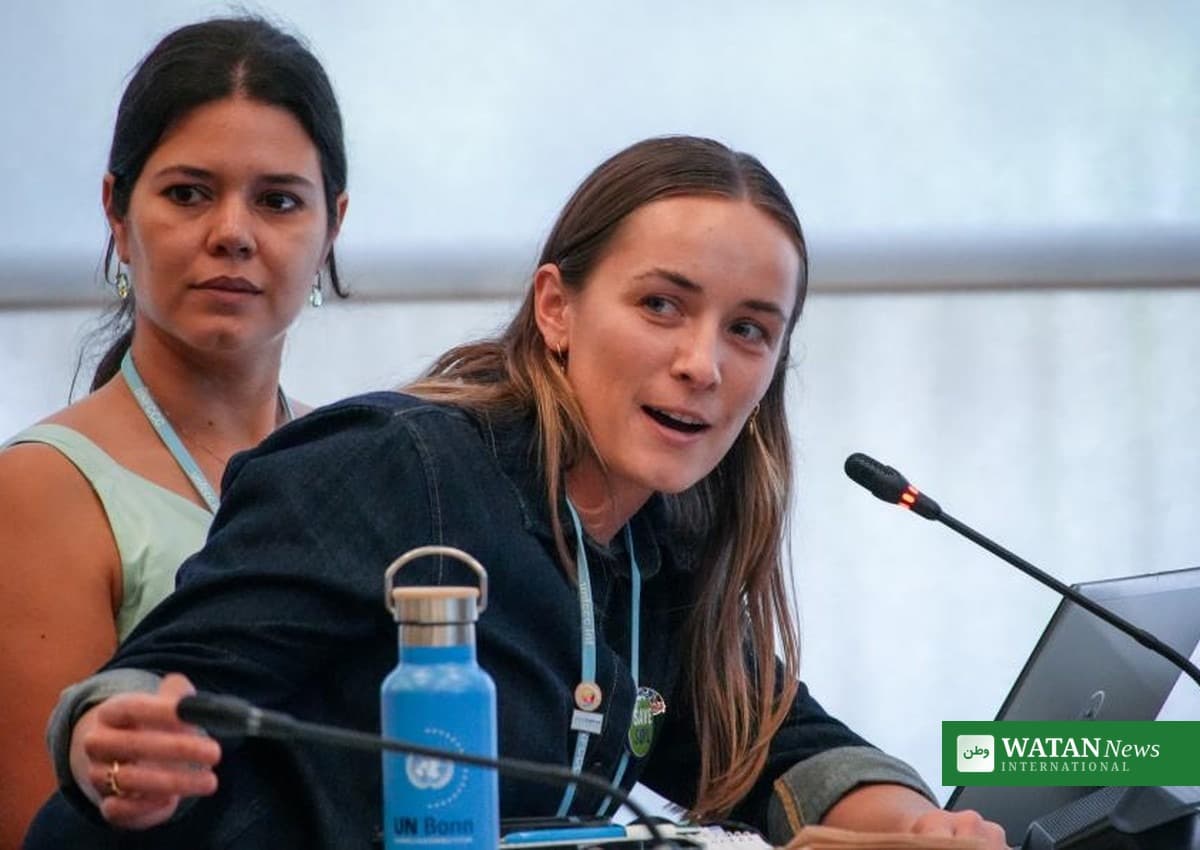
Gloria Guevara, President and CEO of WTTC, said: “Coastal and marine tourism is a vital part of the global Travel & Tourism sector. The destinations and communities that depend on it are exposed to growing environmental pressures, so taking action is essential. Bringing together businesses, governments and financial institutions can accelerate investment and strengthen resilience.”
A playbook for practical action
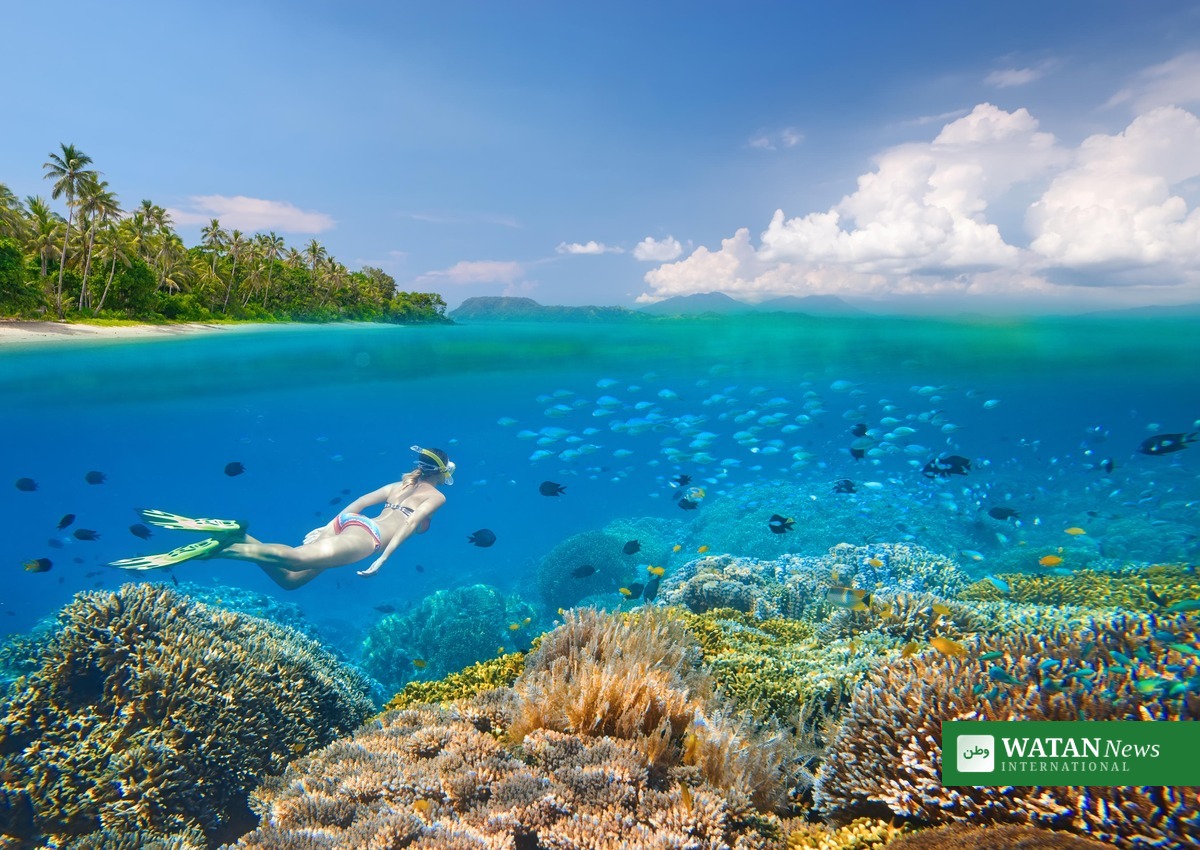
Alongside the group, the partners launched the Coastal & Marine Tourism Public-Private Sector Playbook. It gives businesses practical guidance for moving beyond individual sustainability projects towards action across whole destinations, and sets out policy recommendations for governments. Its priorities include faster deployment of renewable energy, cleaner transport and more resilient infrastructure.
The group and the playbook support the Coastal Tourism Breakthrough, a global initiative under the UN Climate Change High-Level Champions’ Ocean Breakthroughs, officially launched at COP29. The Breakthrough seeks to mobilise US$30 billion in annual investment by 2030 towards cutting emissions and strengthening the resilience of coastal communities and ecosystems. That figure is the wider Breakthrough’s target — not new funding pledged by the Ocean Catalyst Group itself.
What happens next
Tourism businesses are invited to join the Ocean Catalyst Group and help shape its work. By linking tourism demand with renewable energy, infrastructure investment and enabling policies, the partners say coastal economies can become cleaner and more resilient — protecting both livelihoods and the natural assets tourism depends on.
The launch in Antalya carried a clear message: the industry that profits from the coast must also help protect it. Coastal destinations have already begun this work — as shown by the PATA guide for coastal tourism destinations, which sets out how places can grow tourism without losing nature.
Key Facts
- Launched: 17 November 2026, COP31 Ocean Day, Antalya, Türkiye
- Founders: WTTC, Iberostar Group, Intrepid Travel and the Ocean & Climate Platform
- Coastal and marine tourism: about US$3.3 trillion in global GDP and around 100 million jobs in 2023 (WTTC)
- Coastal Tourism Breakthrough target: US$30 billion in annual investment by 2030
- First publication: the Coastal & Marine Tourism Public-Private Sector Playbook
Conclusion
The Ocean Catalyst Group gives coastal tourism a shared platform at last: businesses, governments and financiers working together on the same shores. Whether it delivers will be judged not by its launch, but by the investment and protection that follows in the destinations themselves.