Russia has formally left the European Convention for the Prevention of Torture, ending nearly three decades of independent international inspections of its prisons and detention centres. The withdrawal took effect on 1 November 2026, closing the last external monitoring channel that allowed inspectors from the Council of Europe to visit places where people are held in Russia.
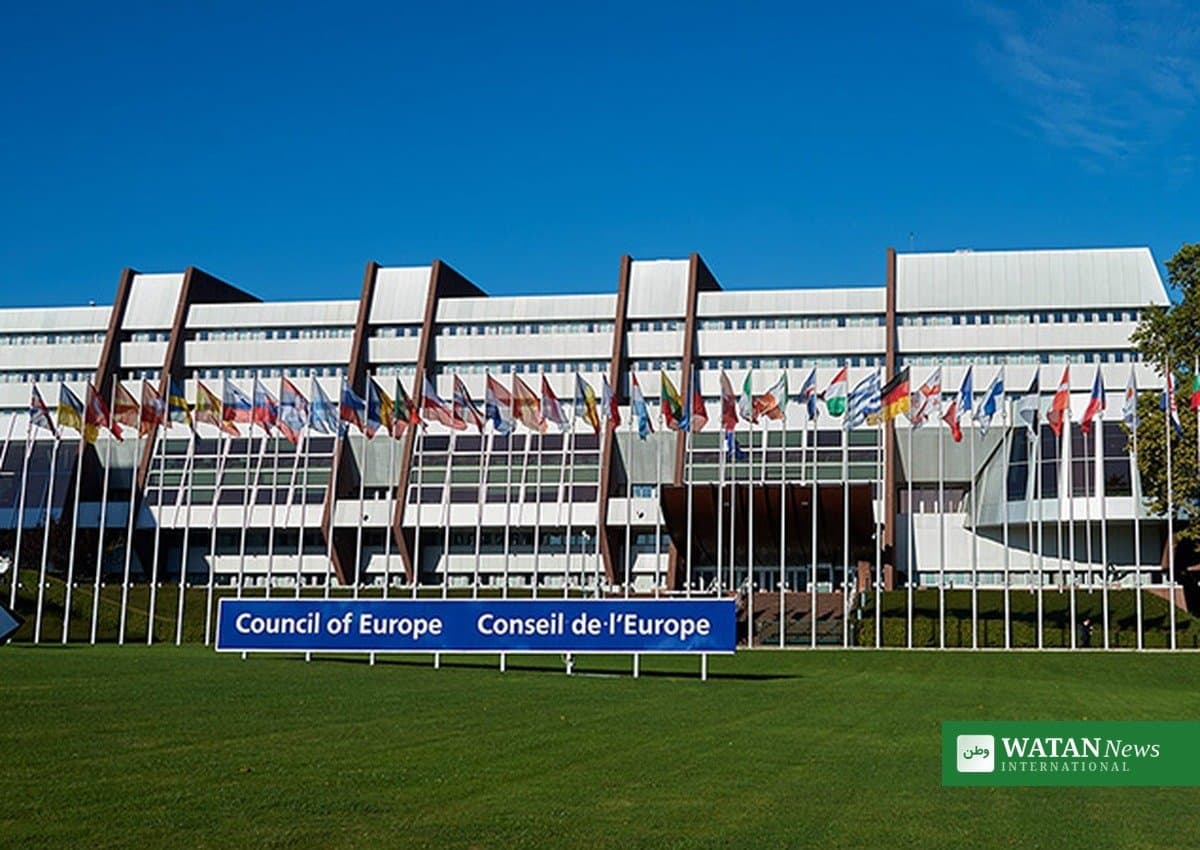
Moscow had notified the Council of Europe of its decision on 30 October 2025. Under the convention’s rules, a state remains bound by the treaty for one year after giving notice, which set the effective date of departure at the start of November 2026. The Council of Europe’s anti-torture committee confirmed that its monitoring mandate in Russia has now ended.
FAKTA
- What happened: Russia’s withdrawal from the European Convention for the Prevention of Torture took effect on 1 November 2026.
- Notice given: Russian authorities informed the Council of Europe on 30 October 2025.
- Monitoring record: Russia joined the convention in 1998; between 1998 and 2021, inspectors made 30 visits and examined more than 450 places of detention.
- What remains: The anti-torture committee continues its work in the other 46 Council of Europe member states.
- Wider concern: The United Nations special rapporteur on Russia has described torture in the country as widespread and systematic, and reported that at least 55 political prisoners have died in detention since 2022.
End of nearly three decades of inspections
The European Committee for the Prevention of Torture, known as the CPT, was set up to visit prisons, police stations, psychiatric hospitals and other places where people are deprived of liberty, and to report on conditions there. Russia joined the convention in 1998, and the committee carried out 30 visits to the country up to 2021, covering more than 450 facilities.
Cooperation had already broken down long before the formal departure. The committee issued five public statements about Russia after finding that its recommendations were not being followed. Concerns about detention conditions grew after Russia’s full-scale invasion of Ukraine in February 2022.
Why monitors say it matters
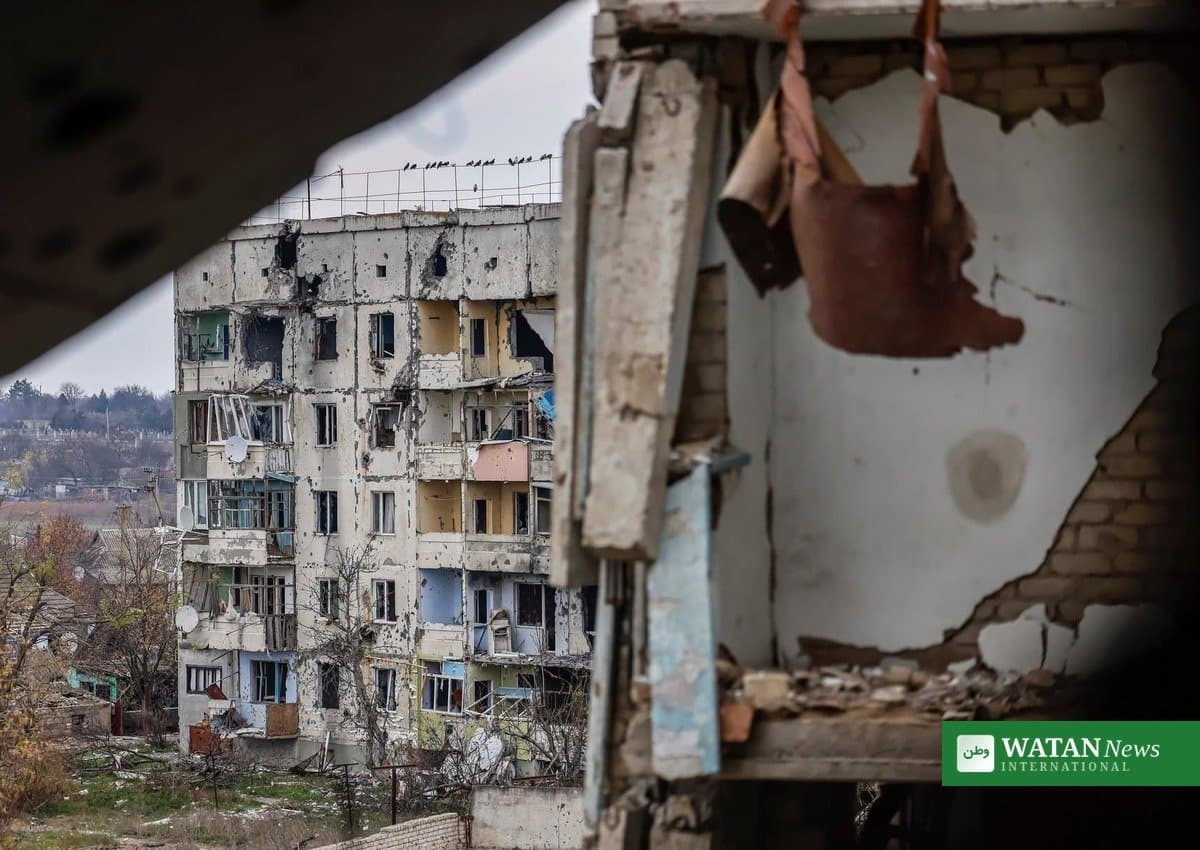
Monitors say the loss of independent access removes an important safeguard for people in Russian custody, including Ukrainian prisoners of war and civilian detainees. Ukrainian authorities have reported that 438 Ukrainian detainees have died in Russian captivity, a figure cited by the United Nations special rapporteur in her October 2026 report to the General Assembly.
The CPT’s president has warned that the withdrawal ends the committee’s authority to inspect Russian detention facilities and stops independent international oversight of conditions there. Ukraine, by contrast, continues to cooperate with the committee and to support its monitoring work.
What happens next
The committee will now focus on the remaining 46 member states of the Council of Europe, continuing its work to prevent ill-treatment in detention. For Russia, no equivalent independent international inspection mechanism remains in place under the convention. Other monitoring bodies continue to document detention conditions, but without the CPT’s treaty-based right of access.
For more international coverage, visit Watan News.