Climate journalists covering the road to COP31 have a new, verifiable scorecard to work from. The United Nations report Nature’s comeback – scaling ecosystem restoration for people and planet, published on 29 October 2026 in Yerevan during the UN Biodiversity Conference (COP17), is the first comprehensive global assessment of how far ecosystem restoration has come – and how far it still has to go.
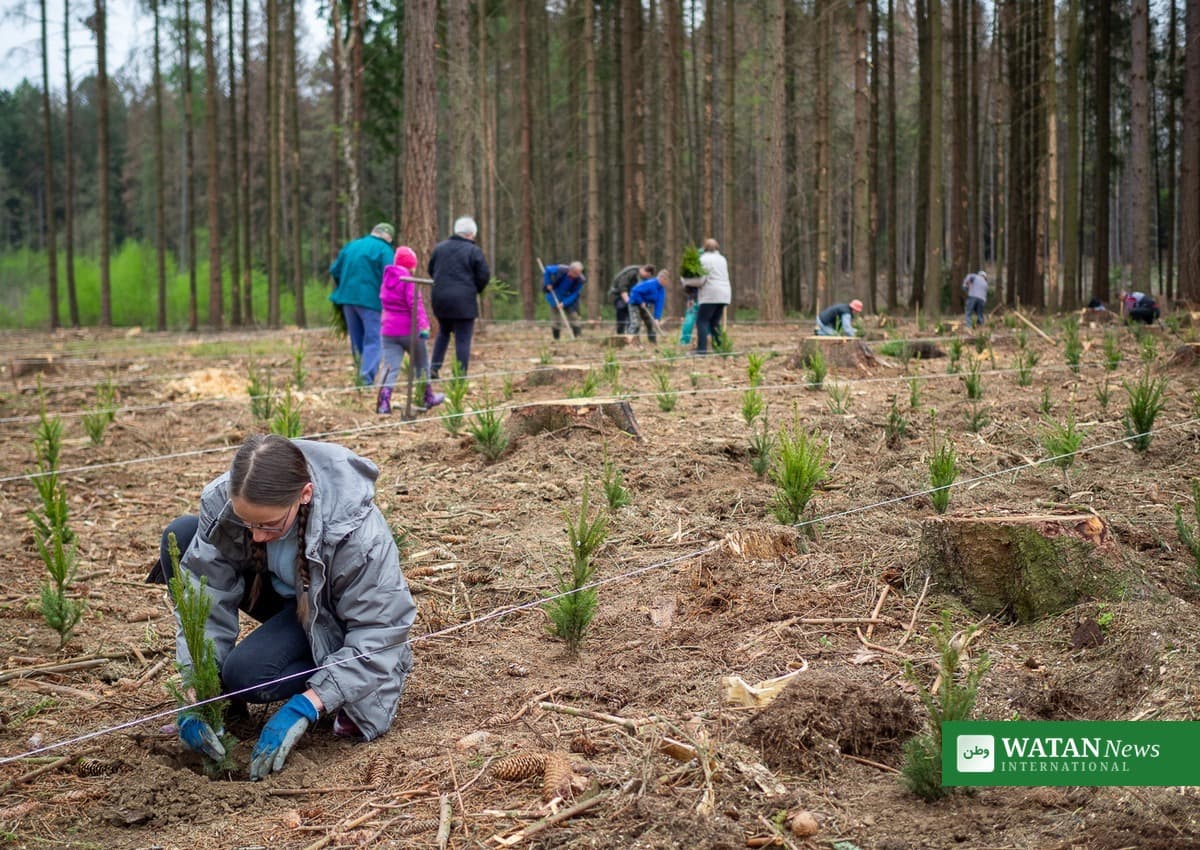
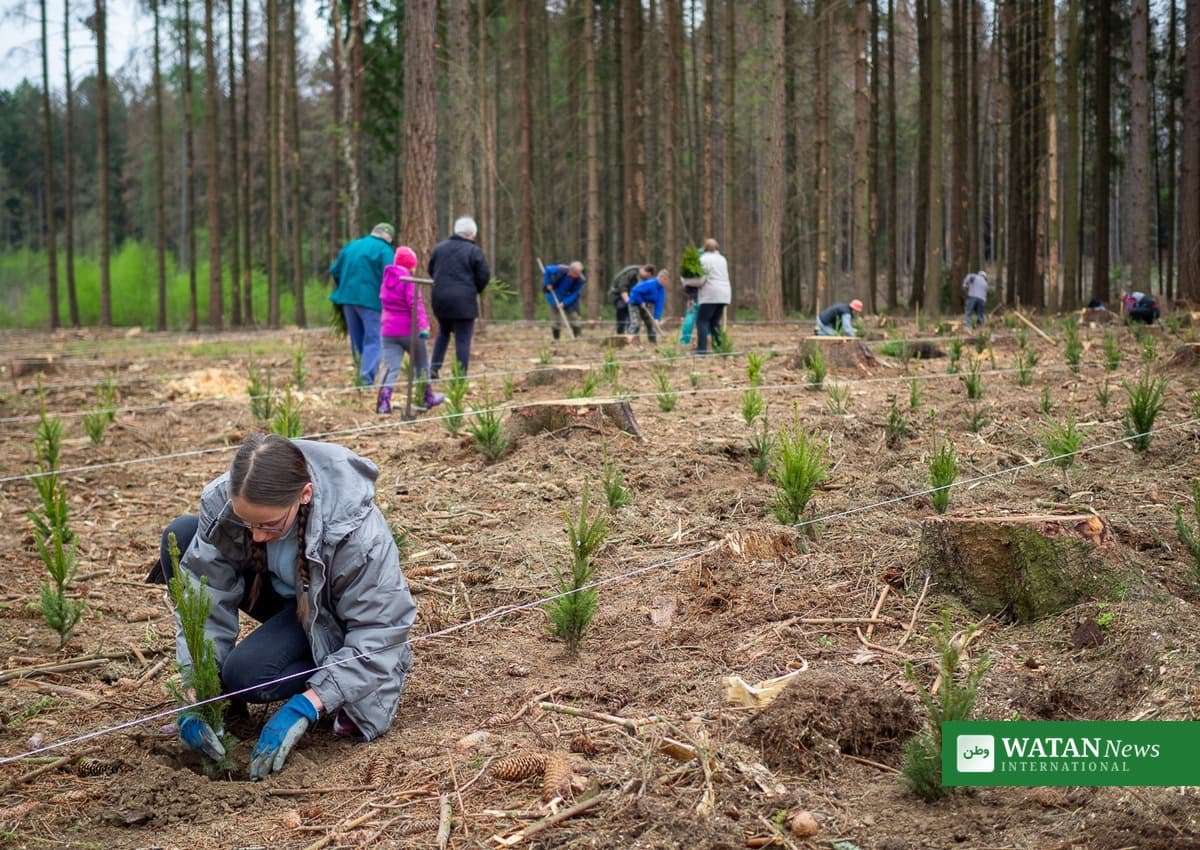
The report, co-published by the Food and Agriculture Organization of the United Nations (FAO), the UN Environment Programme (UNEP) and the Secretariat of the Convention on Biological Diversity (CBD), finds that 252 million hectares across 149 countries are being restored, creating more than one million green jobs. That is the largest documented global restoration effort to date, published midway through the UN Decade on Ecosystem Restoration (2021–2030).
What the UN restoration report actually measures
The assessment measures progress against commitments to restore around one billion hectares, and against the Kunming-Montreal Global Biodiversity Framework target that, by 2030, at least 30 percent of degraded terrestrial, freshwater, marine and coastal ecosystems should be under effective restoration. Its data come from government-endorsed figures submitted through global reporting processes and from restoration initiatives reporting to FAO’s Framework for Ecosystem Restoration Monitoring.
That provenance matters for reporting. The figures are not estimates from a single organisation: they are compiled from official reporting channels, which makes them checkable – and also means gaps in reporting show up as gaps in the picture. The report itself warns that limited reporting for aquatic restoration may lead to underestimation, a caution journalists should carry into any story drawn from its tables.
The headline numbers – and the gaps behind them
Restoration of land ecosystems has advanced furthest, reaching nearly half the global target for 30 percent of degraded terrestrial ecosystems under restoration by 2030. China reports the largest terrestrial area under restoration, at 127.4 million hectares, with substantial areas also documented in Mongolia and Kazakhstan. By region, Asia accounts for 192.2 million hectares of the total documented area, followed by Africa with 36.3 million, Europe with 9.1 million, North and Central America with 5.8 million, South America with 5.4 million and Oceania with 3.2 million.
The report is explicit that these regional differences do not rank performance: they reflect the scale of restoration activity, regional land area and capacities in monitoring and reporting. Freshwater, marine and coastal ecosystems lag far behind, even though they are degrading fastest. Only 11 million hectares of freshwater ecosystems, across 62 countries, and 5.7 million hectares of marine and coastal ecosystems, across 46 countries, are documented as under restoration. One bright spot for reporters is that the share of parties reporting implemented wetland restoration or rehabilitation programmes has risen from 8 percent to 54 percent since 2022.
Research cited in the report indicates that restoring just 15 percent of global priority areas could capture and store 30 percent of carbon dioxide equivalent emissions since the industrial revolution and help avoid 60 percent of species extinctions – a figure that explains why restoration has moved from a conservation story to a climate story.
Money, jobs and the five new flagships
To reach the 2030 commitments, annual restoration finance must more than quadruple, from 64 billion US dollars to 296 billion US dollars by 2030, according to the report. That investment could generate up to an estimated 32 million new jobs worldwide by 2030. The largest estimated annual investment needs are in agroforestry, at 87 billion dollars, restorative reforestation at 52 billion dollars, peatland restoration at 44 billion dollars and seagrass restoration at 28 billion dollars.
At the launch event in Yerevan, five outstanding initiatives in China, Colombia, Ethiopia, Italy and the United States were named as UN World Restoration Flagships, highlighting successful restoration drives around the world. Documented successes among earlier flagships include the recovery of species ranging from mountain gorillas in East Africa and jaguars in Brazil to snow leopards in Kyrgyzstan and Ganges River dolphins in India.
“Today, we are witnessing the makings of one of the largest movements for nature in recorded history,” said Inger Andersen, Executive Director of UNEP. “Yet, at the halfway point of the UN Decade on Ecosystem Restoration, we are still not restoring nature at the scale or speed required.” FAO Director-General QU Dongyu said: “Five years into the UN Decade, the message is clear: restoration works.” Astrid Schomaker, Executive Secretary of the CBD Secretariat, added: “We cannot expect to fix nature with one hand while we destroy it with the other one.”
Why this report matters for climate journalism
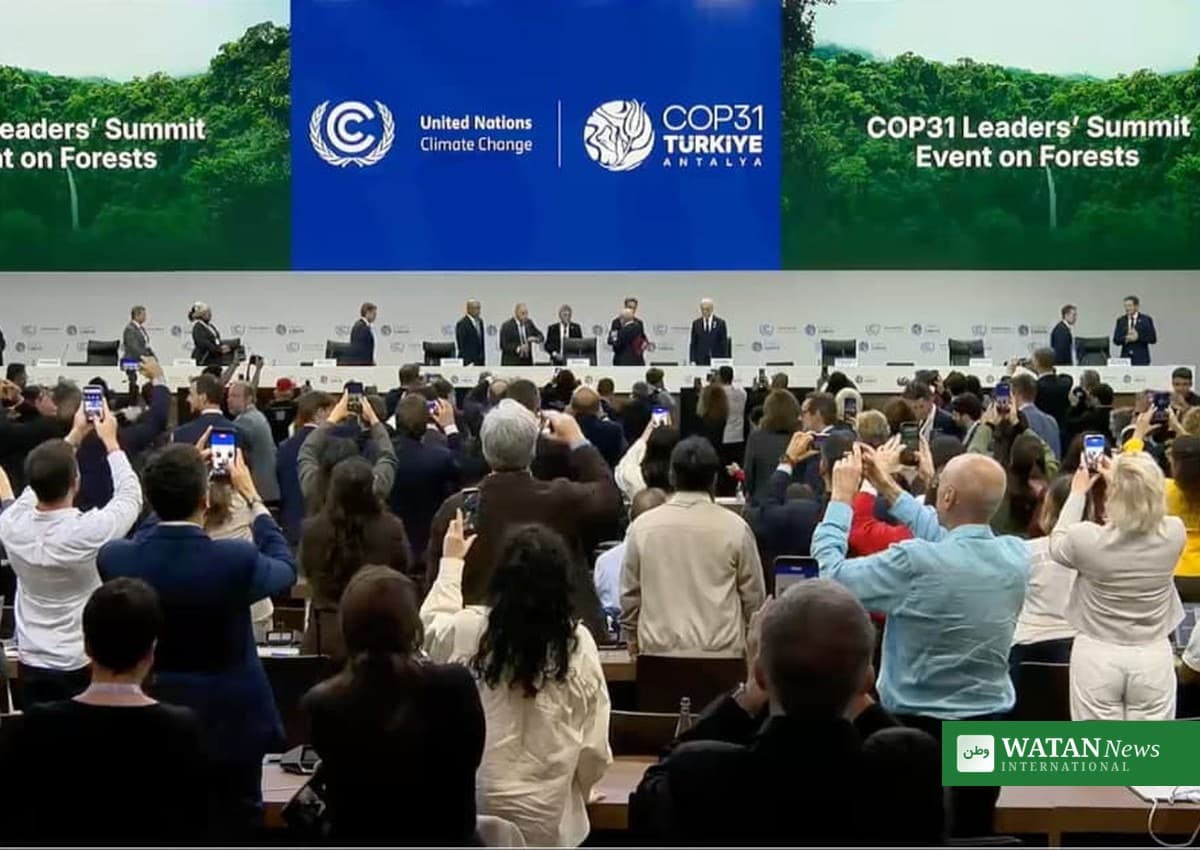
For newsrooms, the report does three things at once. First, it gives a common baseline that every country can be measured against as COP31 approaches in Antalya in November. Second, it names the weak points – aquatic ecosystems, monitoring gaps and finance – so coverage can test promises against evidence rather than repeat them. Third, it argues for a shift from individual projects to “restoration economies” that sustain ecological recovery, livelihoods and long-term value at scale, with secure tenure and respect for the rights, knowledge and leadership of Indigenous Peoples and other rights-holders described as essential to durable restoration.
A launch event at Restoration Day at CBD COP17 offered journalists the opportunity to dig deeper into the findings, according to UNEP’s media advisory for October to December 2026. That kind of access – a published dataset, named sources and a briefing built around it – is what turns a press release into a story that can be checked, challenged and followed up long after the launch day.
FAKTA
- The report Nature’s comeback was published on 29 October 2026 by FAO, UNEP and the CBD Secretariat, midway through the UN Decade on Ecosystem Restoration (2021–2030).
- 252 million hectares across 149 countries are under restoration, creating more than one million green jobs.
- Annual restoration finance must rise from 64 billion to 296 billion US dollars by 2030; the investment could create up to 32 million jobs by 2030.
- Freshwater restoration covers only 11 million hectares and marine and coastal restoration only 5.7 million hectares, and both may be underestimated because of limited reporting.
- Five new UN World Restoration Flagships, in China, Colombia, Ethiopia, Italy and the United States, were announced at the launch event.
For more climate coverage, see Watan News International’s climate section: Climate news.