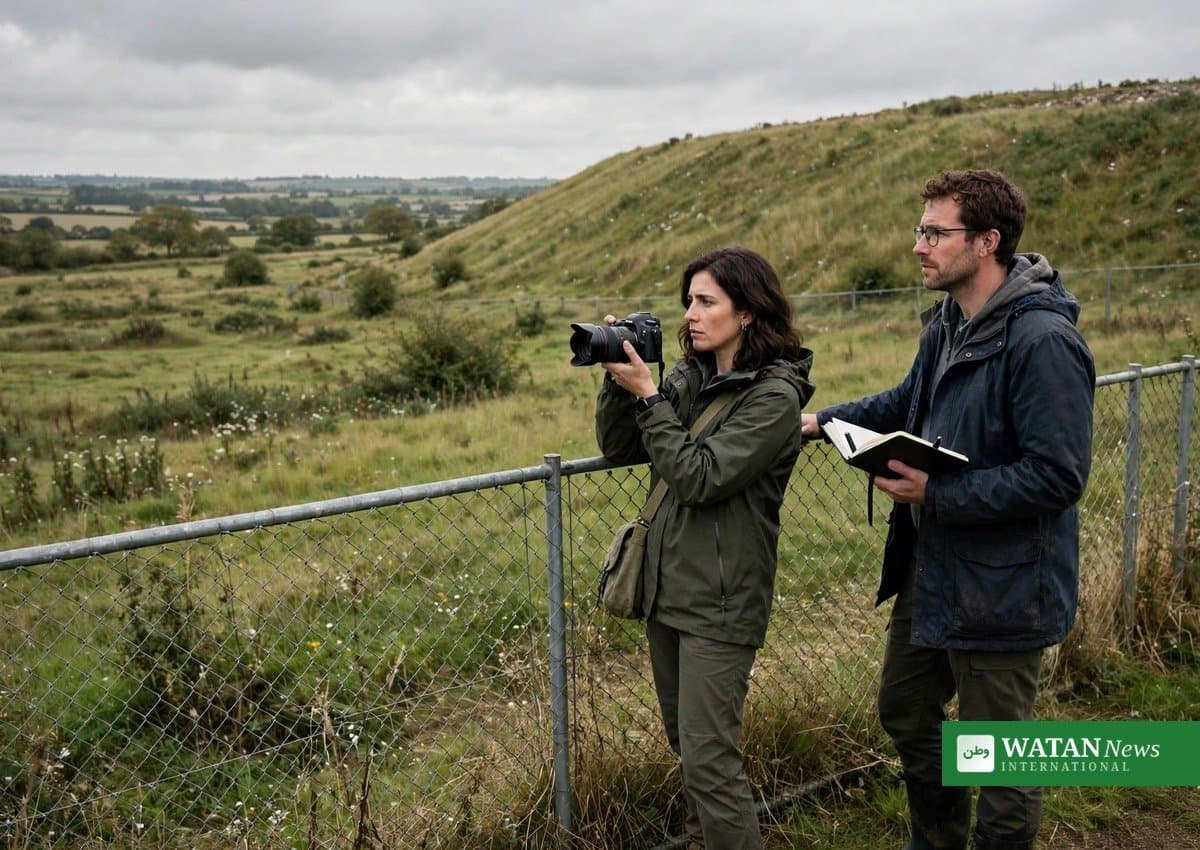
A cross-border investigation into Europe’s hidden landfill sites has been shortlisted for one of Britain’s top journalism honours. Toxic Ground, the investigation into landfills across Europe, is a finalist in the Environment and Energy category of the British Journalism Awards 2026, the shortlist revealed on 27 October 2026 shows.
Key facts
- Investigation: Toxic Ground, a cross-border investigation of landfill sites across Europe.
- Shortlisting: Environment and Energy category, British Journalism Awards 2026, revealed on 27 October 2026.
- Team: Leana Hosea and Juliet Ferguson, for Watershed Investigations, Investigate Europe, The Guardian and ITV News.
- Scale of the awards: 73 independent judges considered 695 entries; the awards are in their 15th year.
- Winning entries: announced at a gala dinner in London on 10 December 2026.
- Shortlisted work: published for a UK audience between 1 September 2025 and 31 August 2026.
What the investigation uncovered
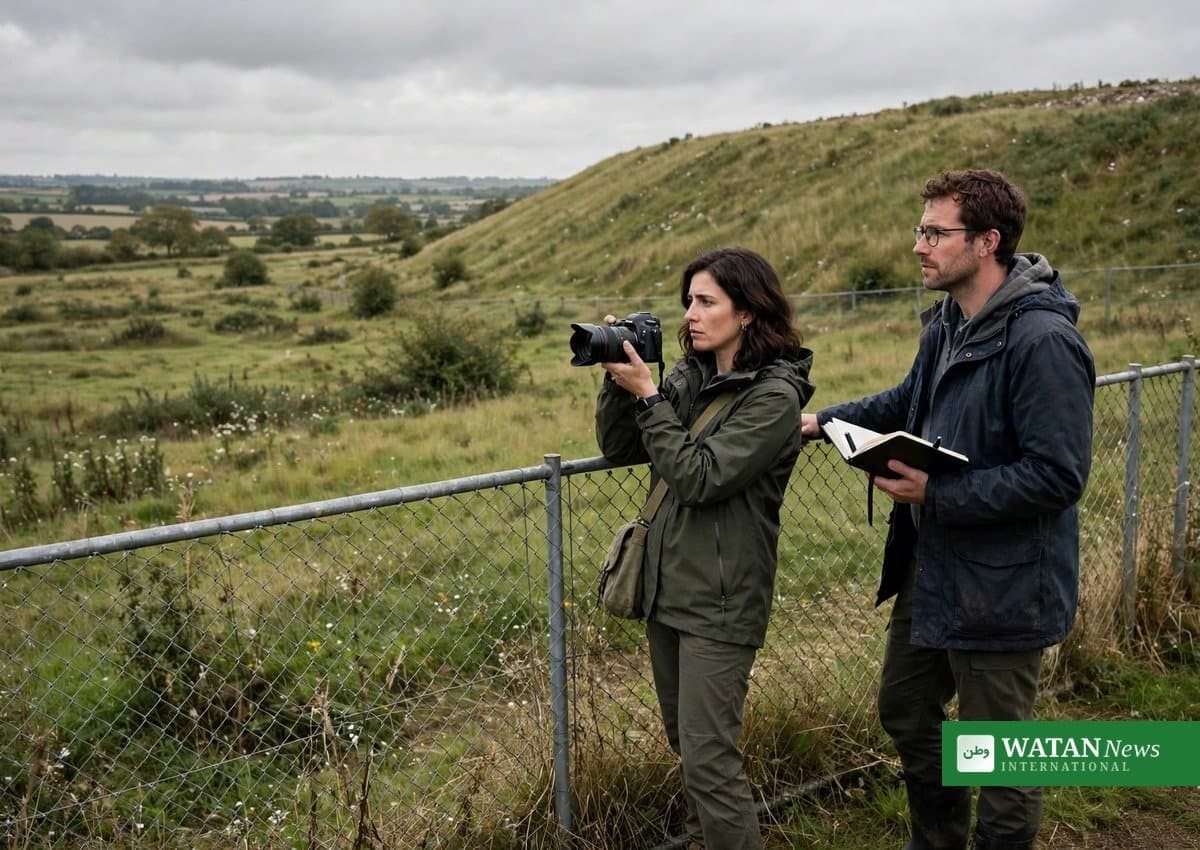
The judges highlighted three pieces from the project. The first examined how the UK and Europe’s hidden landfills are at risk of leaking toxic waste into water supplies. The second reported from England’s old dumping grounds, where residents described the risks of living near them. The third warned that potential leaks from thousands of landfills threaten Europe’s water and wildlife.
According to Journalismfund Europe, the cross-border project included a comprehensive risk assessment analysis and the most comprehensive map of landfill sites produced to date. Old landfill sites matter because waste buried decades ago does not simply disappear: when linings fail or water moves through a site, pollutants can reach soil, groundwater and nearby rivers.
A strong year for environment reporting
Toxic Ground is one of six finalists in the Environment and Energy category, and the breadth of the shortlist shows how central environmental reporting has become. The other finalists include Politico and E&E News on geoengineering, the Belfast Telegraph on pollution in Lough Neagh, the Financial Times on heat and pregnancy, the Express on mountain gorillas and songbirds, and The Times on sewage spills, data centres and rainforest loss.
The awards celebrate work that is revelatory, has real-world impact and serves the public interest, regardless of format or platform. Finalists range from well-resourced television documentary teams to small local news outlets, and judges were asked to judge the quality of the stories uncovered regardless of the scale of the production.
Why the shortlisting matters
Landfill investigations rarely make headlines, yet they test whether environmental promises survive contact with the ground. Mapping thousands of sites and assessing their risks gives regulators, communities and journalists a shared factual basis for decisions about monitoring, clean-up and future waste policy.
The recognition also comes at a moment when environmental journalism itself is in focus. Earlier this cycle, Watan News reported on the Society of Environmental Journalists opening book entries for its 25th annual awards, and on Türkiye urging solutions-focused climate reporting ahead of COP31 in Antalya. For related coverage, see SEJ opens book entries for 25th environmental journalism awards and Türkiye urges solutions-focused climate reporting ahead of COP31.
What happens next
The winners will be announced at a gala dinner hosted by comedian Rory Bremner at London’s Hilton Bankside on Thursday 10 December 2026. Until then, the shortlist itself serves as a reading list: six bodies of environmental reporting, each judged to have uncovered something new and served the public interest.