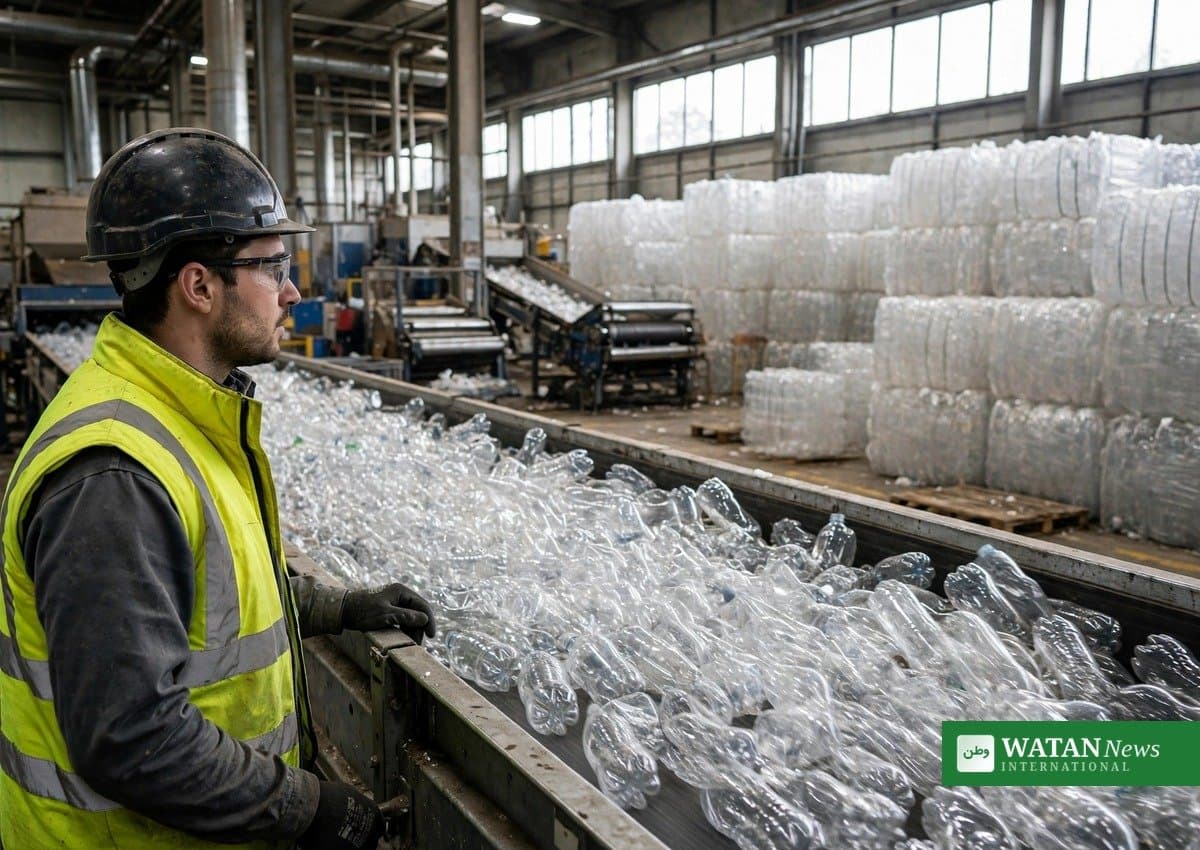
Nigeria has opened what its operator describes as Africa’s largest food-grade plastic bottle recycling plant, a $60 million facility in Mowe, Ogun State, that turns discarded plastic bottles back into raw material for new bottles — a major step for the circular economy in Africa’s most populous country.
Polysmart Packaging Limited formally commissioned Phase 1 of its expanded food-grade recycled PET (rPET) plant on 29 October 2026, at a ceremony themed “Closing the Loop: Food-Grade rPET and Nigeria’s circular economy” at the company’s factory on the Lagos–Ibadan Expressway.
At full capacity, the plant will process up to 100,000 tonnes of post-consumer PET a year — equivalent to about 6.5 billion bottles, according to the company — and produce 60,000 tonnes of food-grade rPET a year alongside 20,000 tonnes of other recycled plastics.
From bottles to bottles
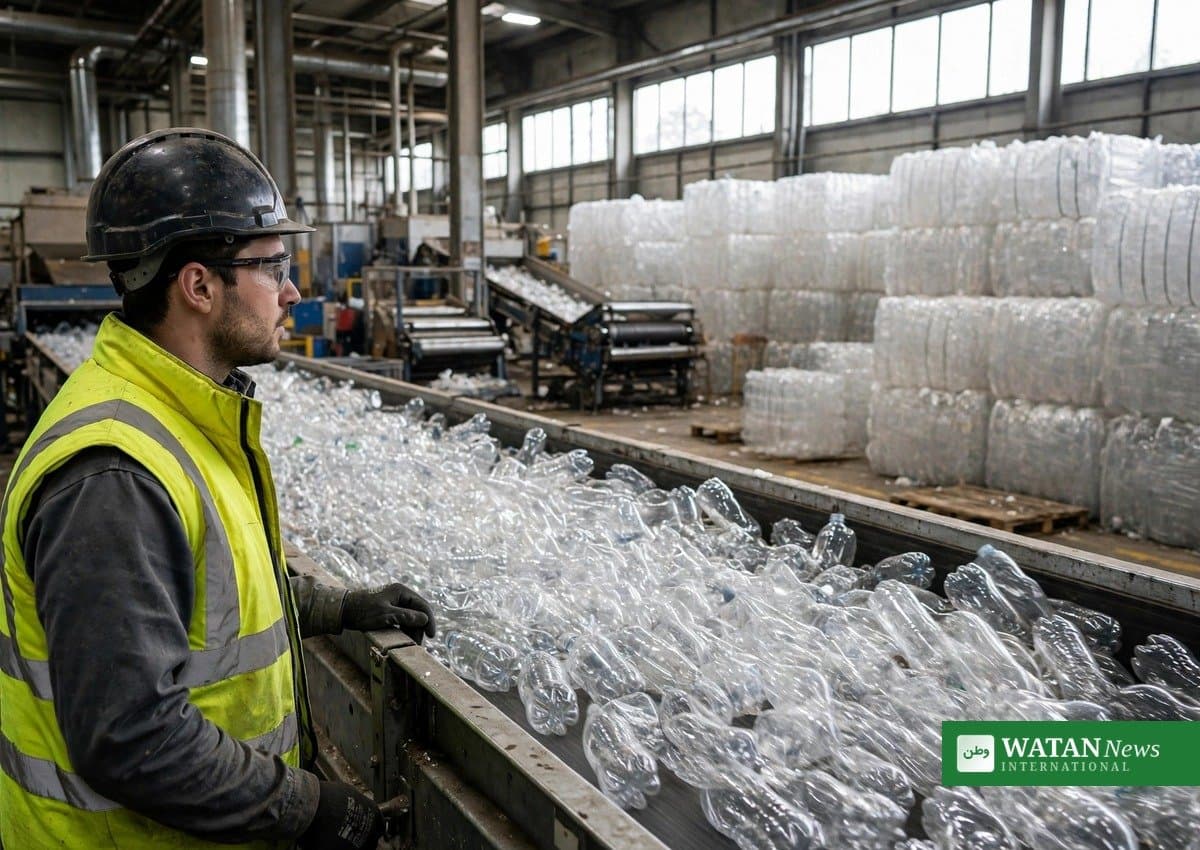
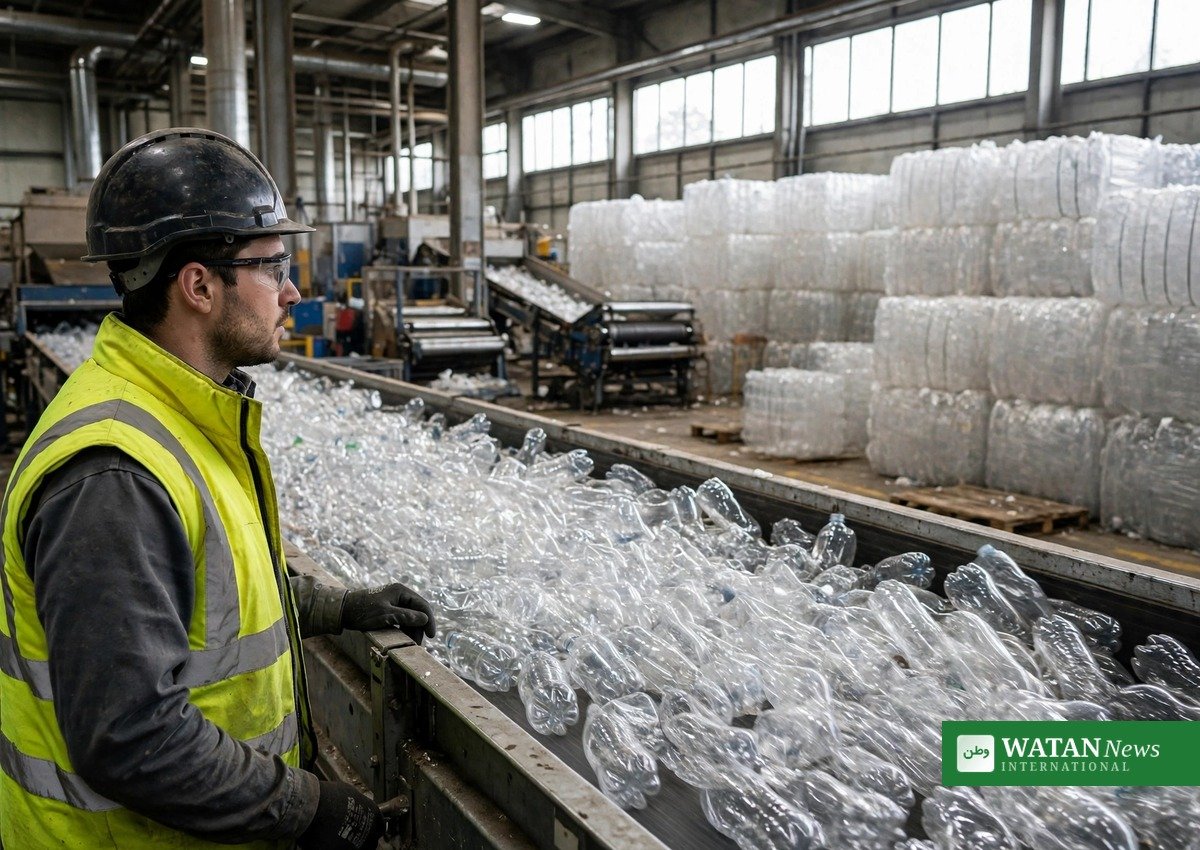
The plant is built around bottle-to-bottle recycling: used bottles collected from streets, households and dumps are sorted, washed and decontaminated, then converted into high-quality recycled material suitable for food-contact applications such as new beverage bottles.
It uses sorting and processing systems supplied by European technology providers EREMA, SOREMA and TOMRA, operating under processes approved to the food-contact standards of the United States Food and Drug Administration and the European Food Safety Authority. That approval matters: food-grade rPET must meet strict purity standards before it can be used in new food and drink packaging.
Jobs and a growing collection network
Polysmart says the expanded facility will support around 1,000 direct jobs and more than 50,000 indirect jobs across the recycling value chain, including collection, aggregation, transport and processing.
The company currently operates 25 aggregation centres across eight states and plans to establish 250 more across all 36 states within two years, widening the net that gathers bottles before they reach landfills, drainage channels and waterways.
The prize is large: Nigeria consumes an estimated 600,000 tonnes of virgin PET a year, according to the company, so locally produced recycled material can replace a share of imported virgin resin while keeping plastic waste in productive use.
New rules back the circular economy
The commissioning drew senior government backing. Professor Innocent Barikor, Director-General of the National Environmental Standards and Regulations Enforcement Agency (NESREA), said Nigeria’s new plastic waste regulations are creating opportunities for investment in recycling and the circular economy.
Under the National Environmental (Plastic Waste Control) Regulations, 2026, producers face a phased increase in recycled PET content in plastic products, beginning with 25 percent by 2028 and rising to 50 percent by 2030 — a rule that directly creates demand for plants like Polysmart’s.
Recycling on this scale also eases pressure on cities: every bottle recovered is one less bottle clogging drains, littering streets or breaking down in landfill, and every tonne of recycled resin displaces virgin plastic production. The same logic drives smaller schemes elsewhere, including community recycling drives such as the Copenhagen nappy recycling scheme, which shows how targeted collection can turn a hard-to-recycle waste stream into a resource.
FAKTA
- Facility: Polysmart Packaging Limited food-grade rPET plant, Phase 1, Mowe, Ogun State, Nigeria
- Investment: $60 million; commissioned 29 October 2026
- Input capacity: Up to 100,000 tonnes of post-consumer PET a year, about 6.5 billion bottles (company figure)
- Output at full capacity: 60,000 tonnes of food-grade rPET plus 20,000 tonnes of other recycled plastics a year
- Technology: EREMA, SOREMA and TOMRA systems; FDA- and EFSA-approved food-contact processes
- Jobs: Around 1,000 direct and more than 50,000 indirect jobs across the value chain
- Collection network: 25 aggregation centres in eight states now; 250 more planned across all 36 states within two years
- Policy backdrop: National Environmental (Plastic Waste Control) Regulations, 2026 — 25 percent recycled PET content by 2028, 50 percent by 2030